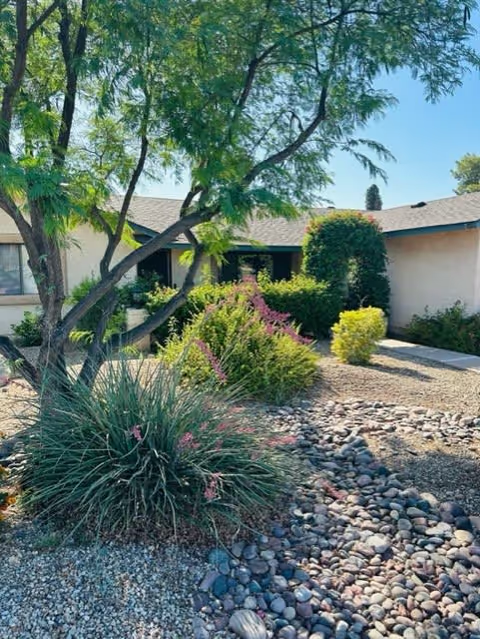
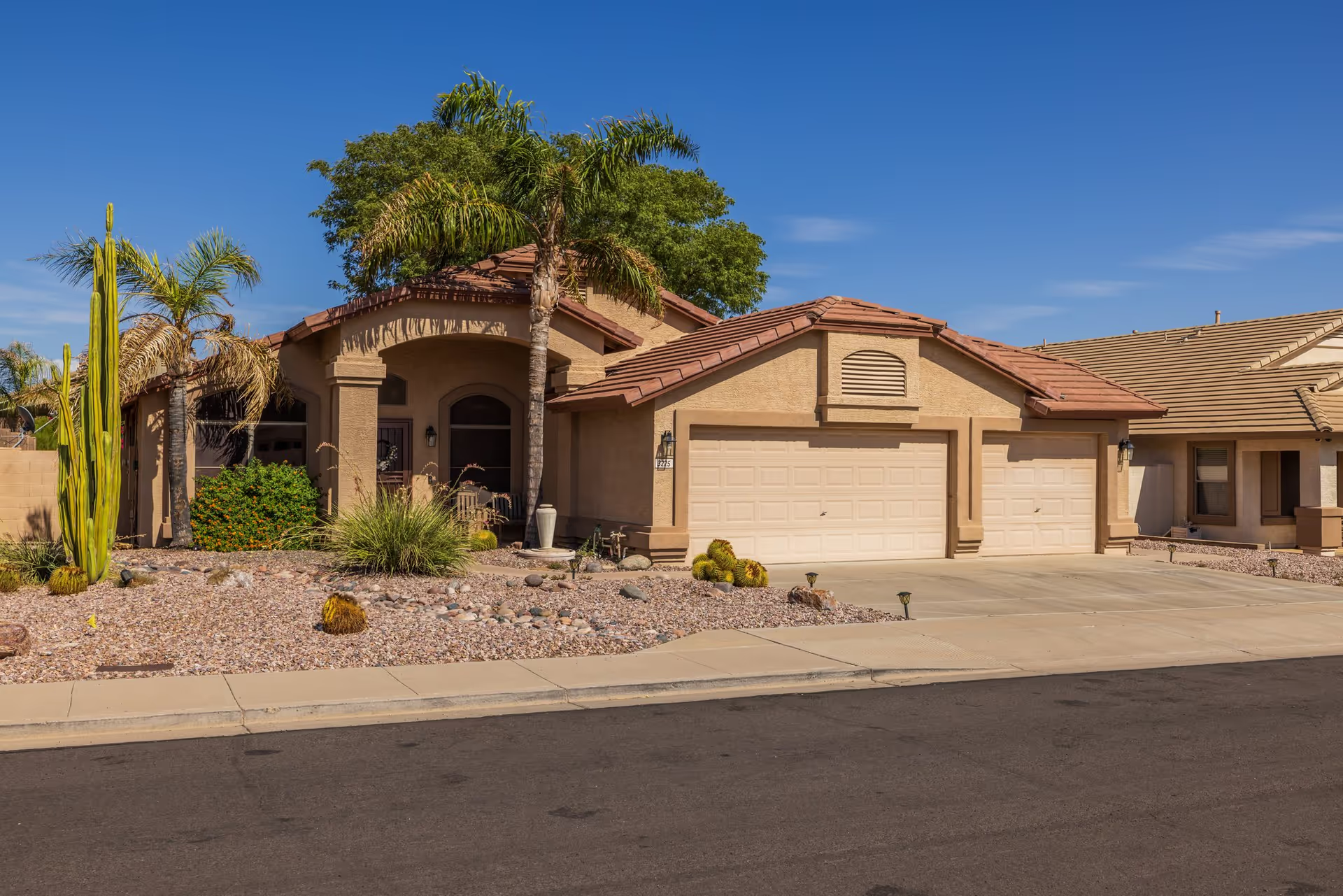
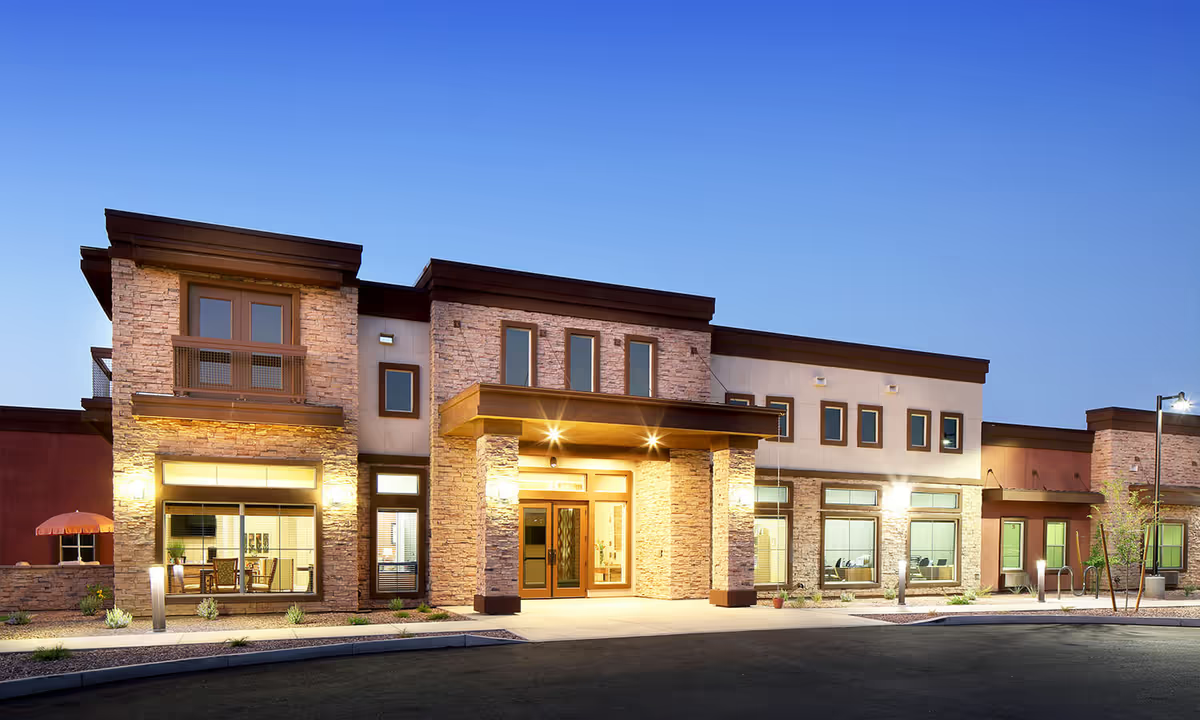
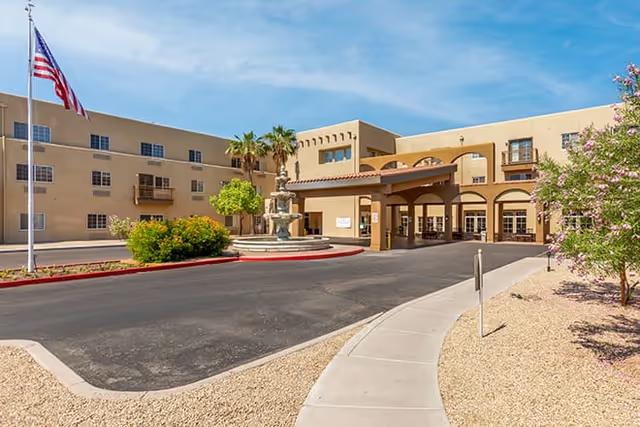
Overall impression The Summit at Sunland Springs is described consistently as a clean, modern, and well-appointed community with a strong emphasis on hospitality and social programming. Reviewers frequently highlight the facility’s hotel-like presentation, courtyard and outdoor spaces, and a suite of on-site amenities that support active, social lifestyles. The community projects a family-like atmosphere driven by visible management involvement and a staff culture of personalized attention.
Care and staff Care quality is generally portrayed as a major strength. Many comments emphasize compassionate, attentive caregivers, skilled memory-care staff, and coordinated end-of-life/hospice support. Families cite one-on-one attention, staff who learn residents’ names, and management that follows up on concerns. That said, there are recurrent operational themes indicating variability: medication-administration processes and some aspects of frontline responsiveness have been described as inconsistent, and a few comments call out the need for additional staff training to ensure uniform practice across shifts.
Dining and activities Dining receives uniformly positive attention: fresh daily meals prepared by a notable chef, selectable menu options, and restaurant-style service are prominent positives. Programming is broad and active — daily movies, themed events, exercise classes, games, Bible studies, outings, and frequent social gatherings — and is repeatedly cited as enhancing resident quality of life. The community also stages larger holiday events and outings, which families report as well executed and meaningful.
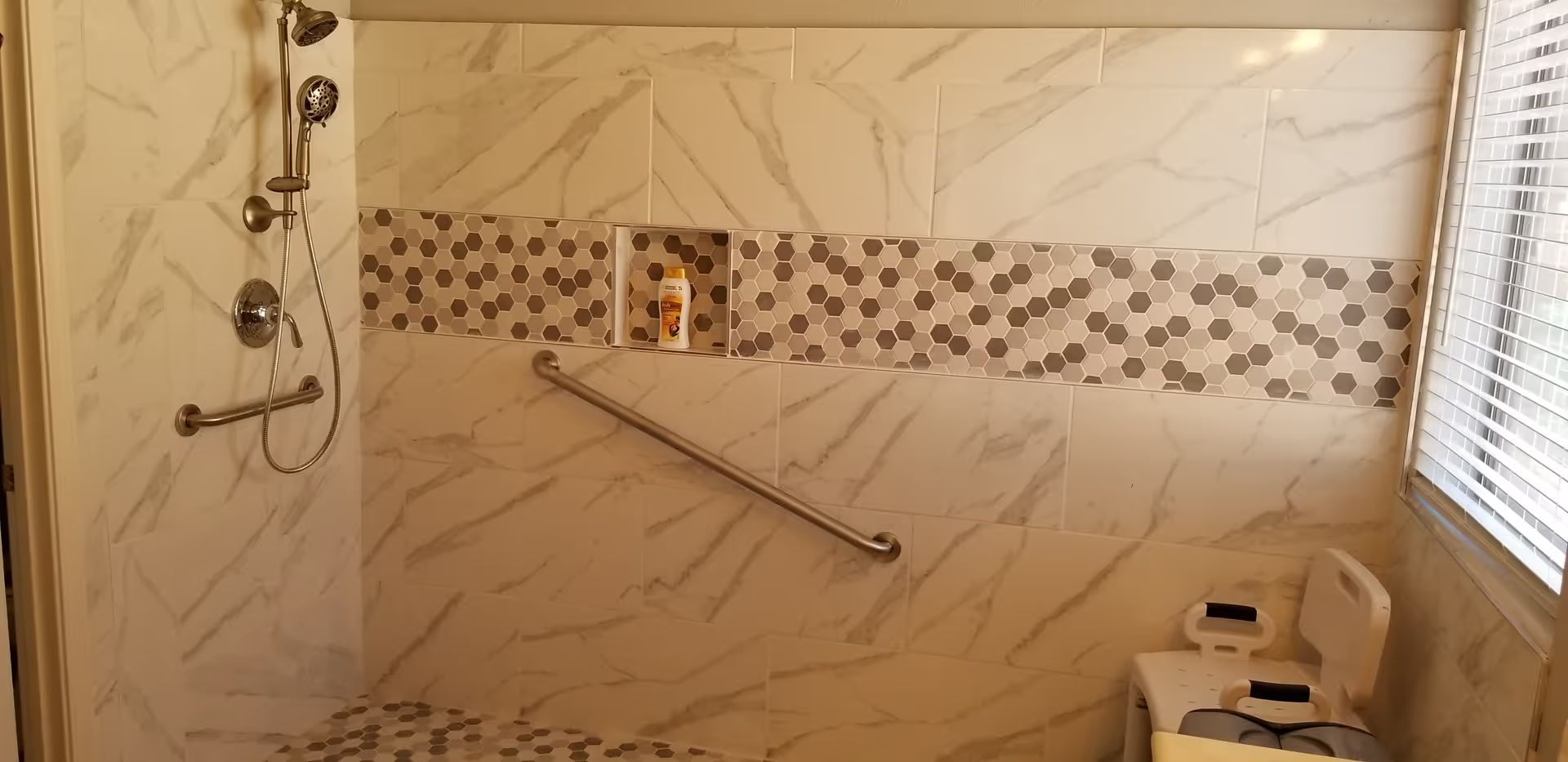
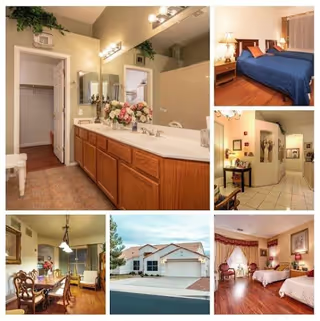
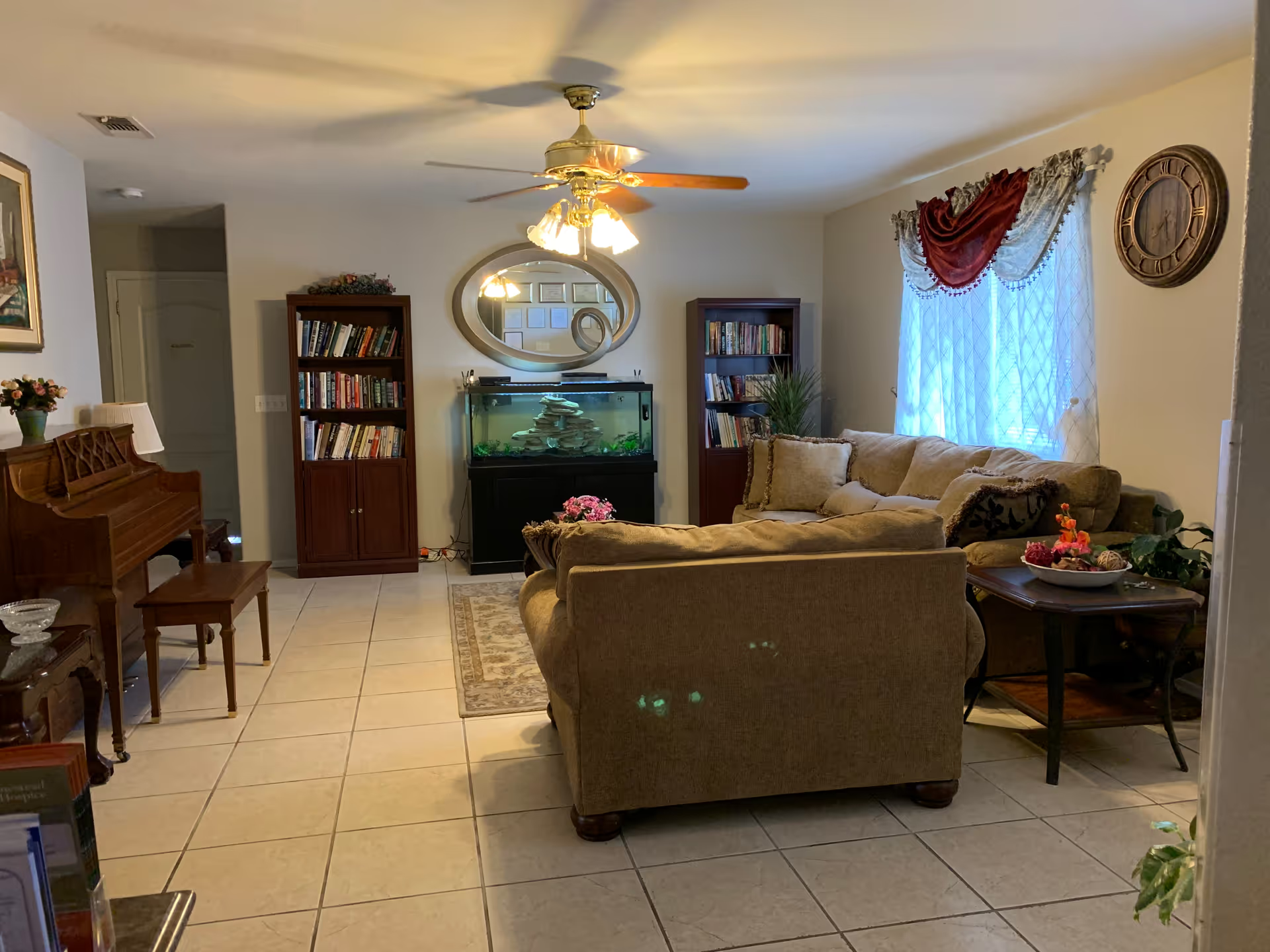
Facilities and amenities The physical plant is widely praised: new construction, private apartments with en-suite baths, upscale furnishings, multiple lounges and patios, theater with nightly showings, on-site salon, fitness and puzzle/library rooms, and either on-floor laundry or in-unit washers/dryers in some apartments. Transportation services and scheduled grocery or medical trips are available, although scheduling flexibility is sometimes constrained. A few practical layout items recur in comments — notably the distance of the central dining room from some units in a large building — which can affect convenience for some residents.
Management and operational patterns Management and ownership visibility is repeatedly noted as a positive, with many families describing responsive communication, regular resident meetings, and cooperative problem-solving. Conversely, operational weaknesses appear around pricing and cost predictability; several families cite rent increases and affordability concerns. Laundry handling and personal-belonging management surface as an operational weakness in multiple accounts, and there are limited but notable allegations of missing items that have created serious family concerns. Maintenance response times and occasional staffing gaps also appear as intermittent operational issues rather than constant problems.
Notable patterns for prospective families The dominant themes are strong interpersonal care, high-quality dining, robust activities, and a well-maintained, modern campus suited to memory-care and assisted-living needs. Prospective residents should be comfortable with an active community model and visible management. Practical considerations worth clarifying during a tour include specific unit availability and layout, laundry procedures and safeguards for personal items, medication-administration protocols and oversight, transportation flexibility, and the community’s approach to pricing or future rate changes. Taken together, the reviews describe a community with many operational strengths and a few administrative gaps that families can often mitigate by asking targeted questions before move-in and confirming agreed procedures in writing.