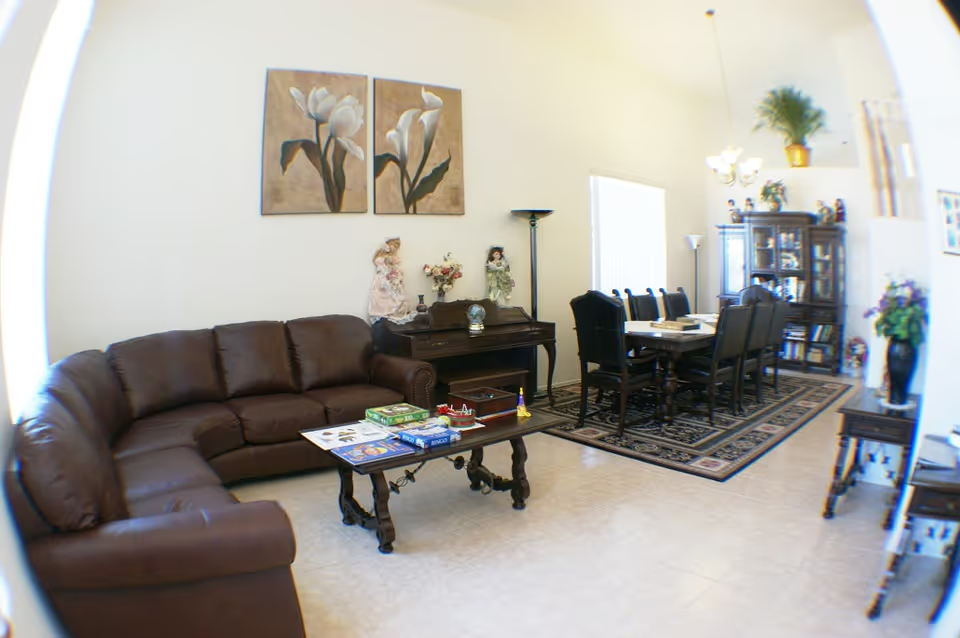
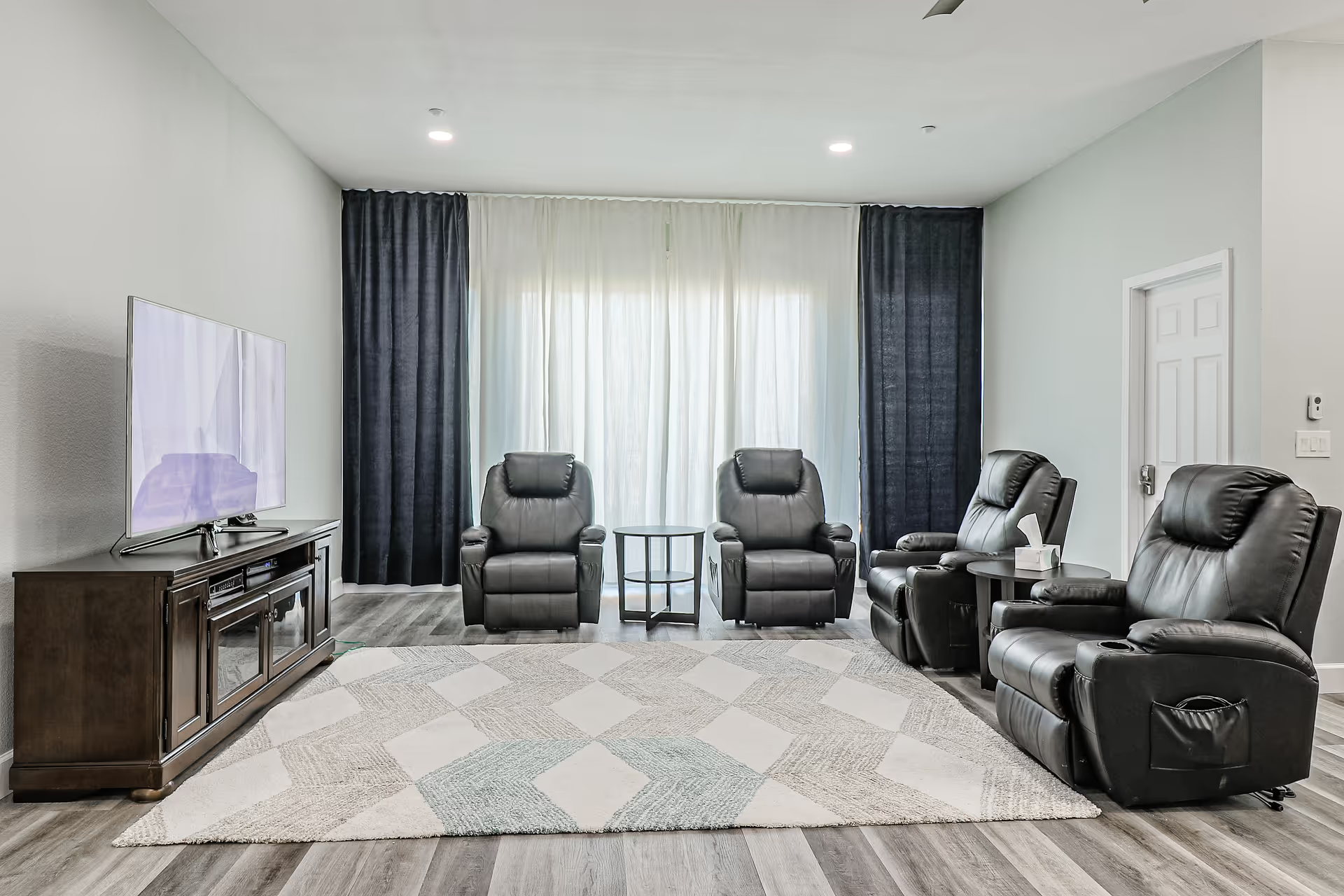
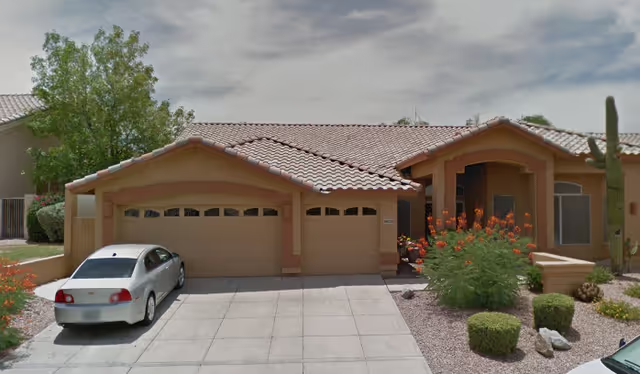
Reviews for Because We Care Assisted Living are mixed, with a clear split between families praising the home's day-to-day atmosphere and others raising operational and safety concerns. Positive comments emphasize a small, home-style setting with experienced, caring staff, homemade meals, and a clean, well-maintained interior where residents appear comfortable and supported. These accounts describe a family-like environment in which residents can thrive.
On the other hand, a subset of reviews identifies notable gaps in clinical oversight and staff competency. Concerns include slow or inconsistent responsiveness to care needs, questions about how medications are managed and their effects on alertness, and instances that suggest inadequate attention to fall risk and emergency-support procedures (for example, equipment not being activated when needed). There are also specific allegations of staff impairment and of unsecured medication access; if substantiated, these point to weaknesses in supervision and safety protocols.
Dining and mealtime practices receive both praise and criticism. Several families commend homemade, home-style meals, while other accounts describe inconsistent portions and reliance on processed or convenience items. Mealtime assistance processes were also questioned—examples of residents being left without adequate assistance at meals indicate the facility may need clearer protocols for feeding and monitoring residents who require help.
Facilities and daily environment are generally described as clean and comfortable by satisfied families; however, the mixed feedback suggests uneven implementation of standards. Information about activities is limited in the reviews received, so it is difficult to assess the scope and consistency of programming beyond basic care and mealtime routines.
Management and communication emerge as an important theme. Positive reviews imply attentive, long-standing caregivers, but critical reviews describe limited responsiveness from ownership when families raise concerns. Operational issues cited—such as medication-storage controls, staff supervision, and fall-prevention practices—reflect systematic areas where stronger policies, supervision, and documentation could improve resident safety and family confidence.
For prospective residents and families, the pattern suggests the facility can deliver a warm, home-like setting with experienced caregivers, but also that due diligence is important. Recommended areas to address during a visit or intake conversation include staffing ratios and training, medication-management policies and storage procedures, protocols for higher-acuity or hospice care, mealtime assistance plans, emergency-response and fall-prevention measures, and how management documents and responds to family concerns. Reviewing licensing, inspection records, and recent references may also help clarify whether the operational concerns described have been addressed.