Overall impression: Reviews indicate a facility with clear strengths in frontline caregiving, admissions responsiveness, and resident engagement, alongside operational and maintenance weaknesses that create mixed family experiences. Many families emphasize strong personal connections with caregivers, prompt move-in assistance, effective short-term post-surgical support, and an active social program. At the same time, recurring operational concerns — particularly around staffing stability, communication, and physical maintenance — temper those positive elements.
Care and staff: Clinical-care delivery at Desert Winds is described as compassionate and attentive by numerous families. Individual caregivers, nursing staff, and certain leaders (including the executive director and admissions/marketing personnel) receive repeated praise for dignity-preserving support, medication oversight, and follow-up after transitions. However, reviews also point to inconsistent staff performance and relatively high turnover, which can lead to variable day-to-day experiences. This creates cases where families feel well supported and others where follow-through and responsiveness fall short. Several families named specific caregivers and leaders who were helpful; this suggests that care quality can hinge on staffing continuity and individual staff engagement.
Dining and activities: Dining is frequently mentioned positively — reviewers cite appealing aromas, good food, and supportive dining staff. The community appears to offer an active calendar of social and recreational programming that helps residents become more social and engaged. Staff involvement in activities and personal appearance services (hair, makeup, outings) are reported to enhance residents’ well-being and sense of normalcy.
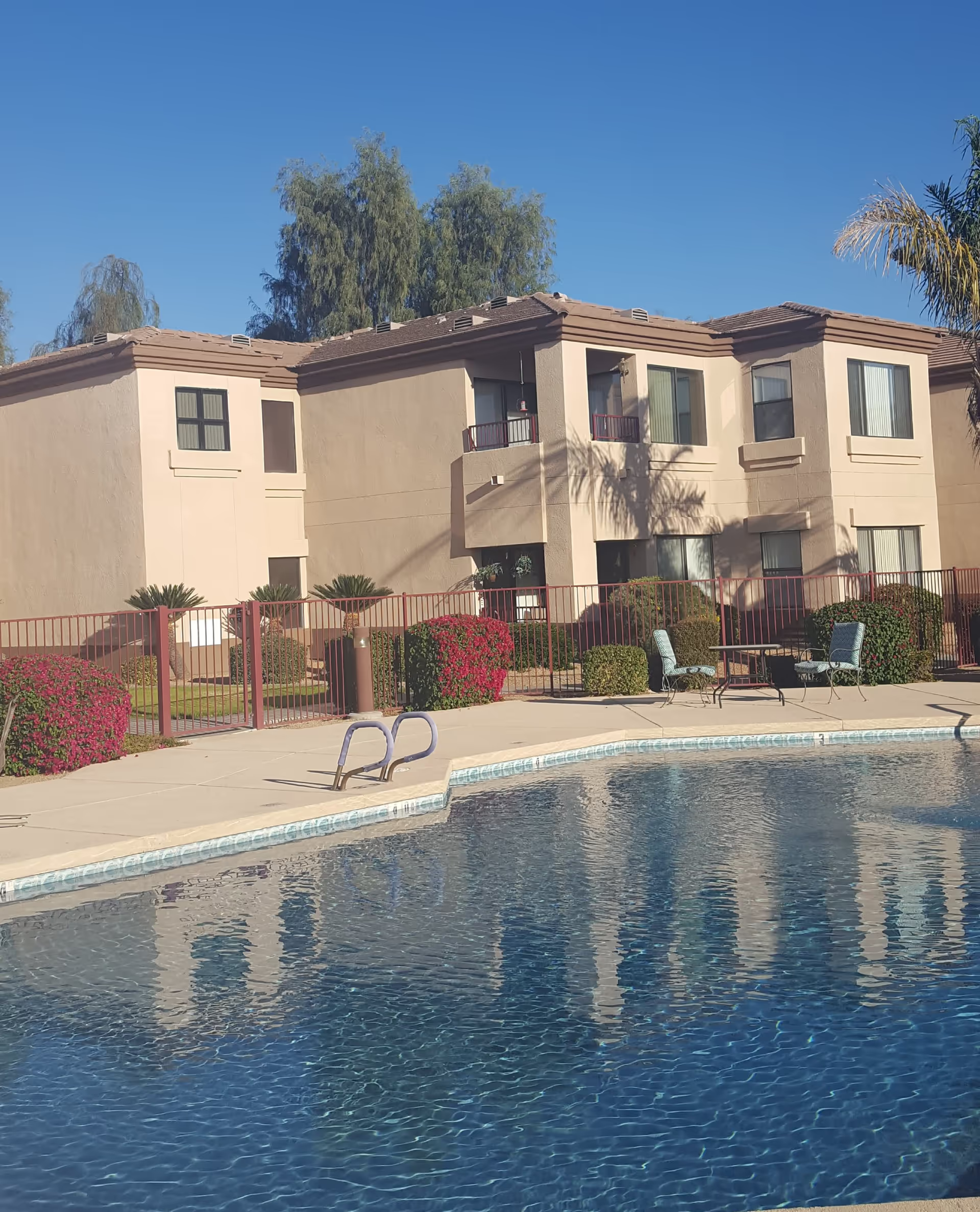
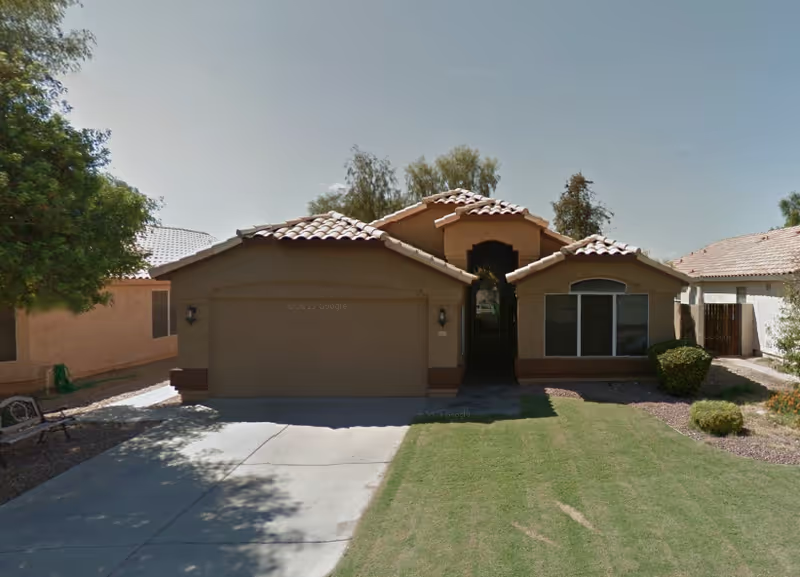
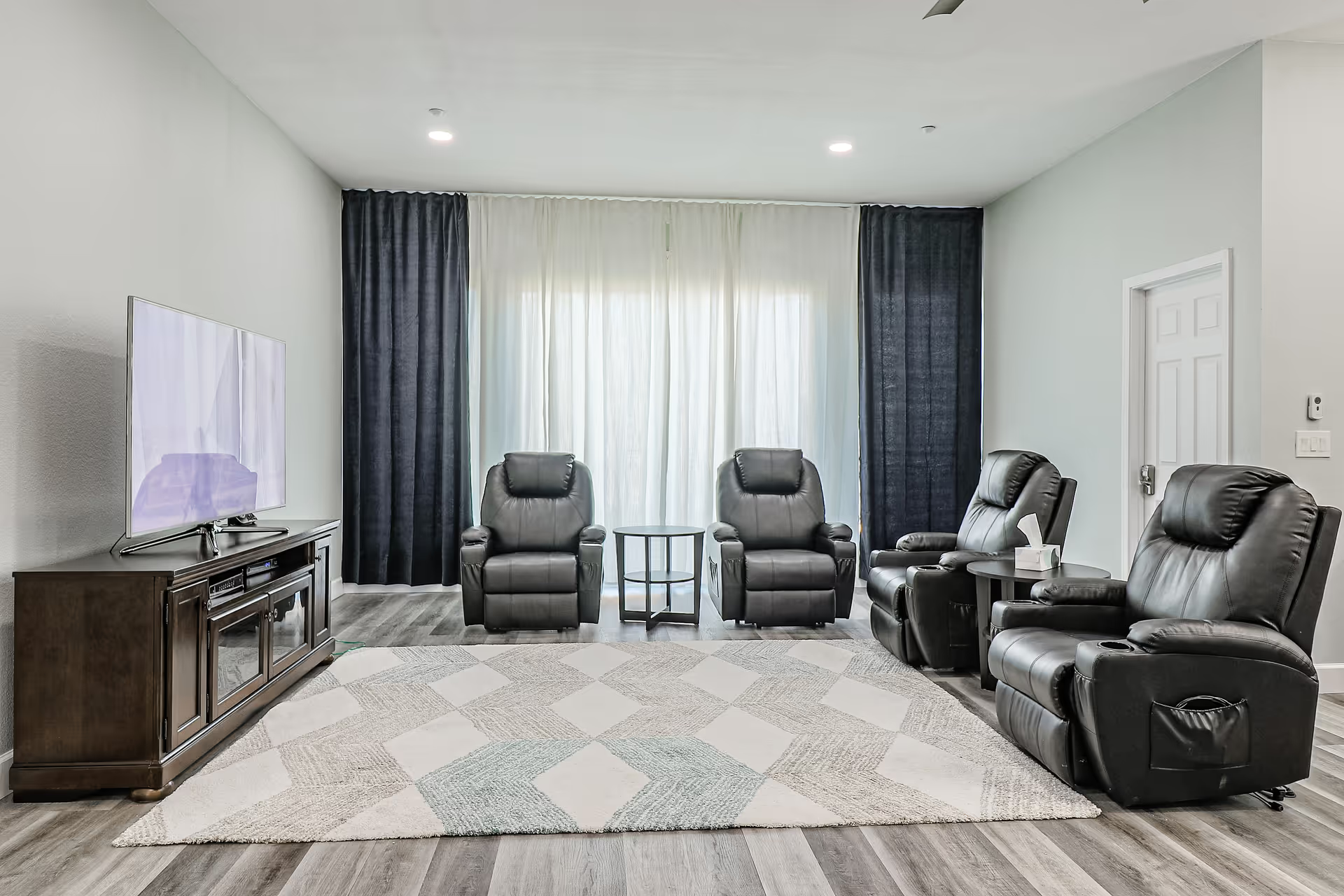
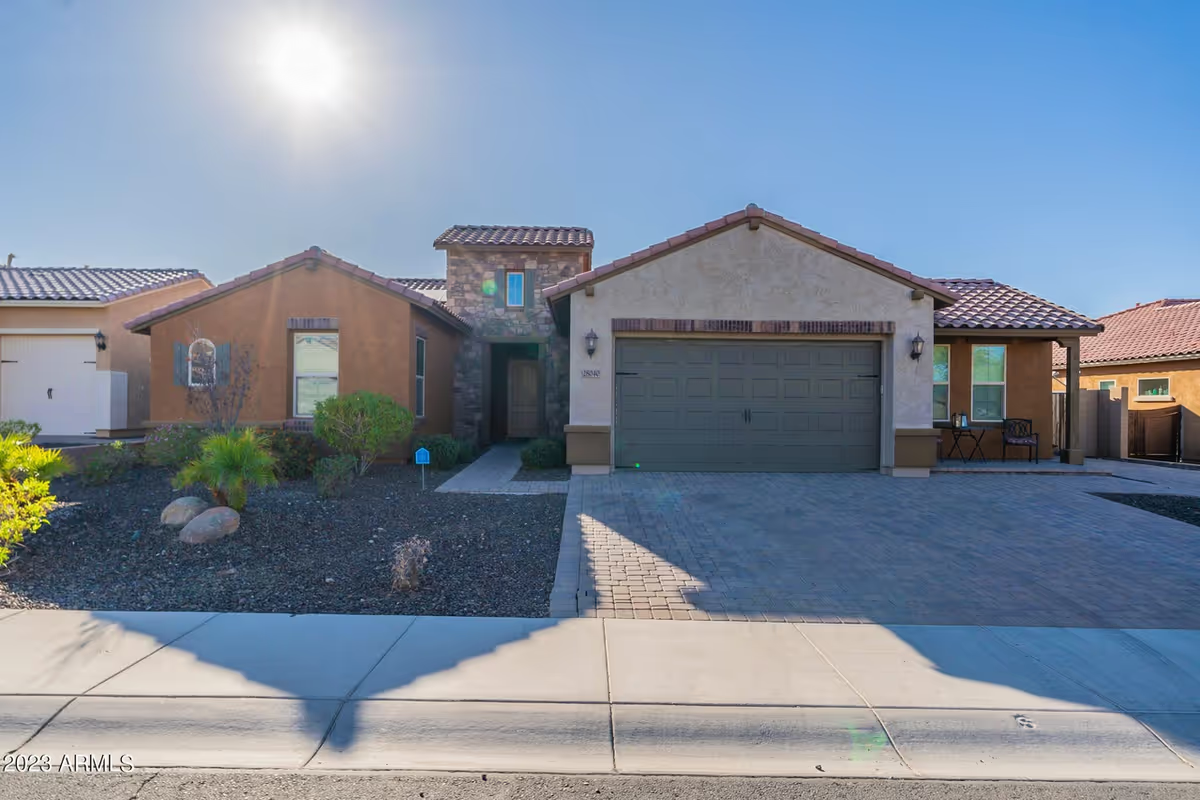
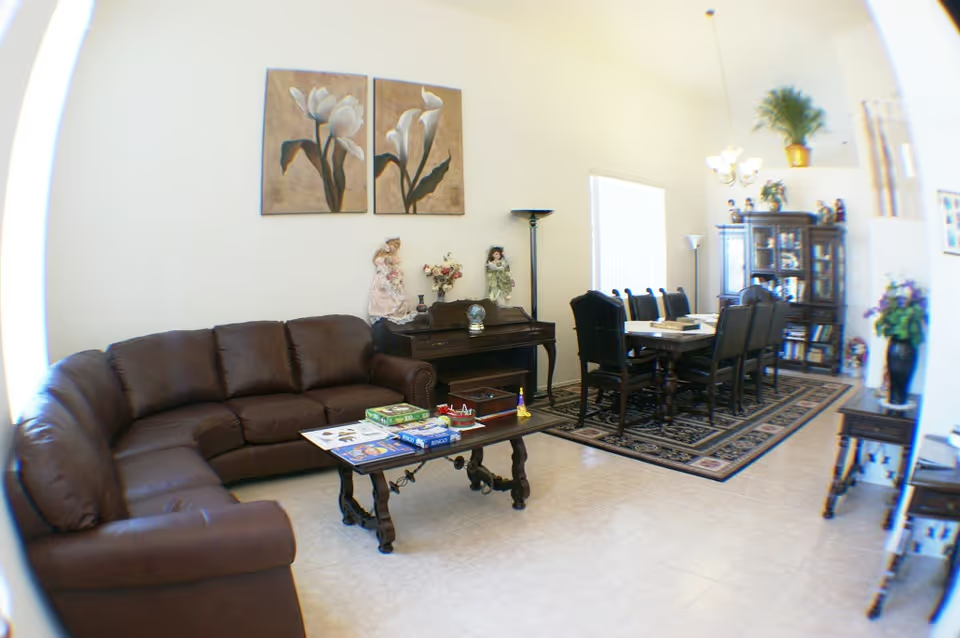
Facilities and maintenance: Interior areas receive generally favorable comments for cleanliness and recent remodels, with homelike room layouts and private bathrooms noted as strengths. Concurrently, several operational concerns about building maintenance arise: carpeting stains, loose dining-room flooring, and exterior entrance and parking deficiencies are cited as areas needing attention. Accessibility is a specific operational consideration (a two-story building without an elevator was mentioned), which may affect prospective residents with mobility limitations.
Management and operations: Admissions and marketing teams are frequently commended for flexibility and responsiveness during move-in. Conversely, there are recurring issues in administrative coordination — phone responsiveness, intake interactions, mail handling, and security of personal items have been described as inconsistent. These gaps in communication and administrative control can undermine family confidence even when clinical staff are perceived as caring.
Patterns and decision guidance: The overall pattern is one of a community with strong interpersonal care and active programming, offset by operational variability linked to staffing churn and administrative execution. Prospective residents and families should prioritize a visit that assesses current staffing stability, asks about recent maintenance plans and accessibility accommodations, and verifies how the community manages mail, personal possessions, and family communication. Speaking directly with nursing leadership about medication oversight and continuity-of-care procedures may help clarify whether the facility’s strengths align with a specific resident’s needs.