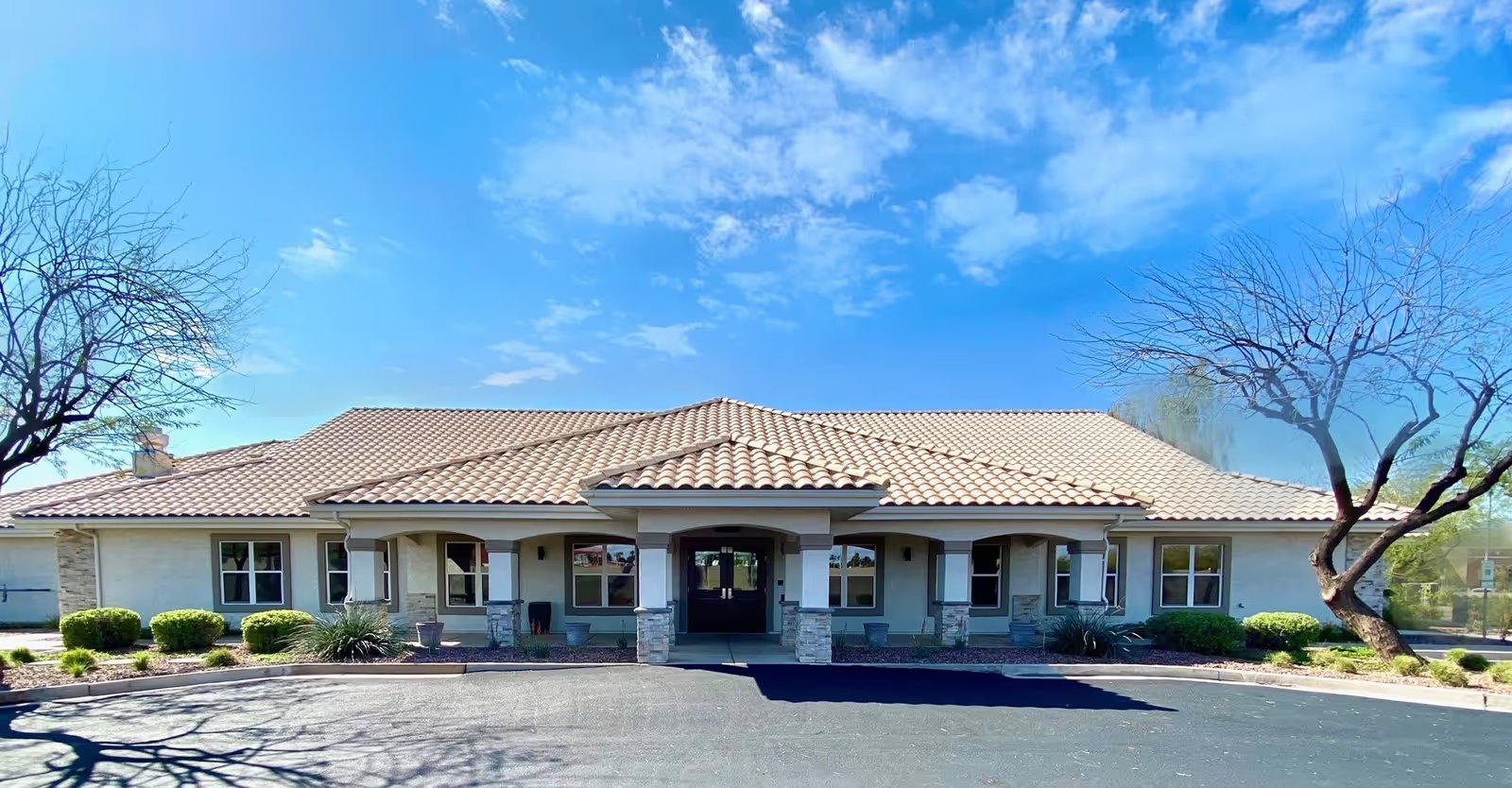
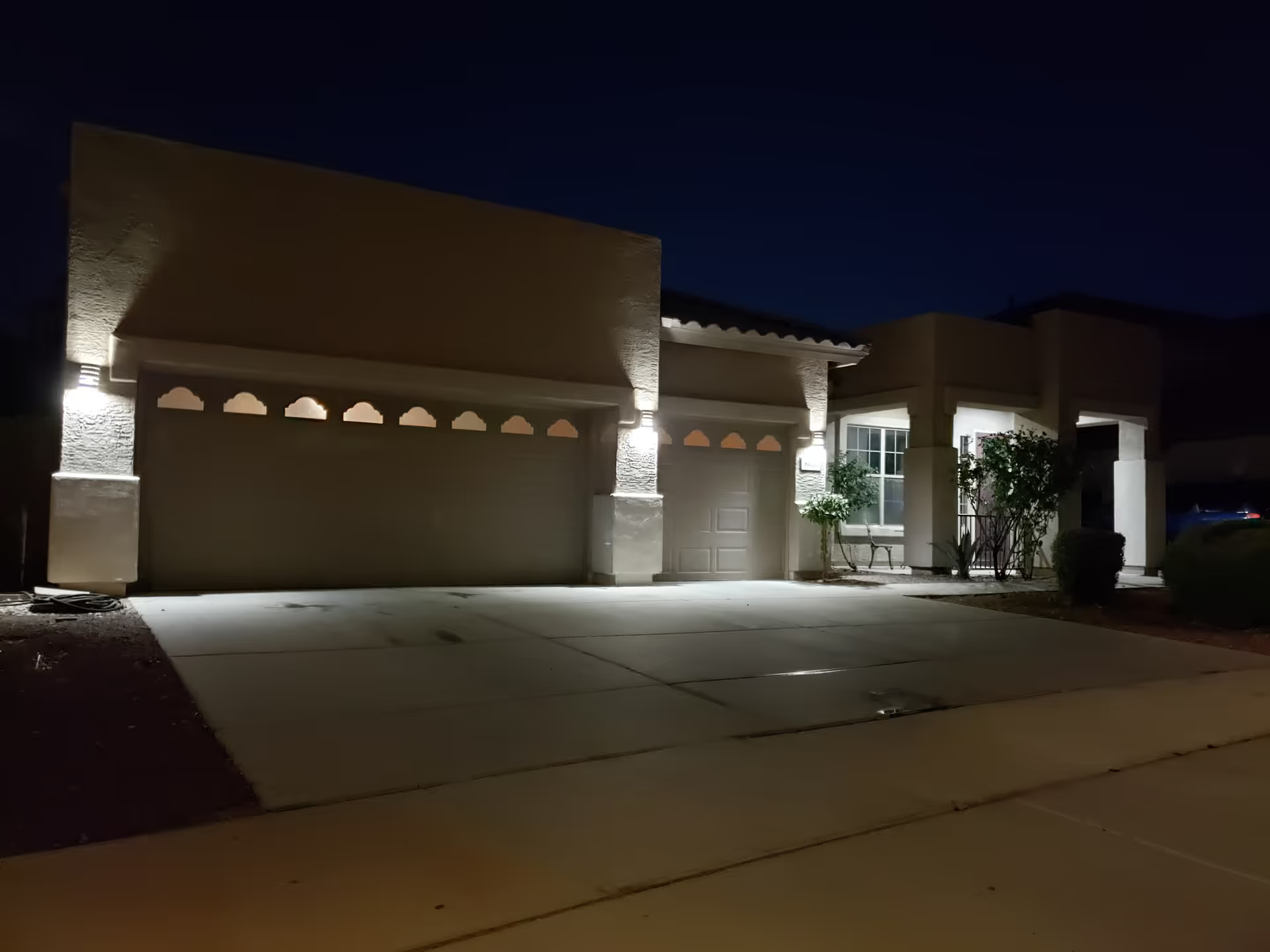
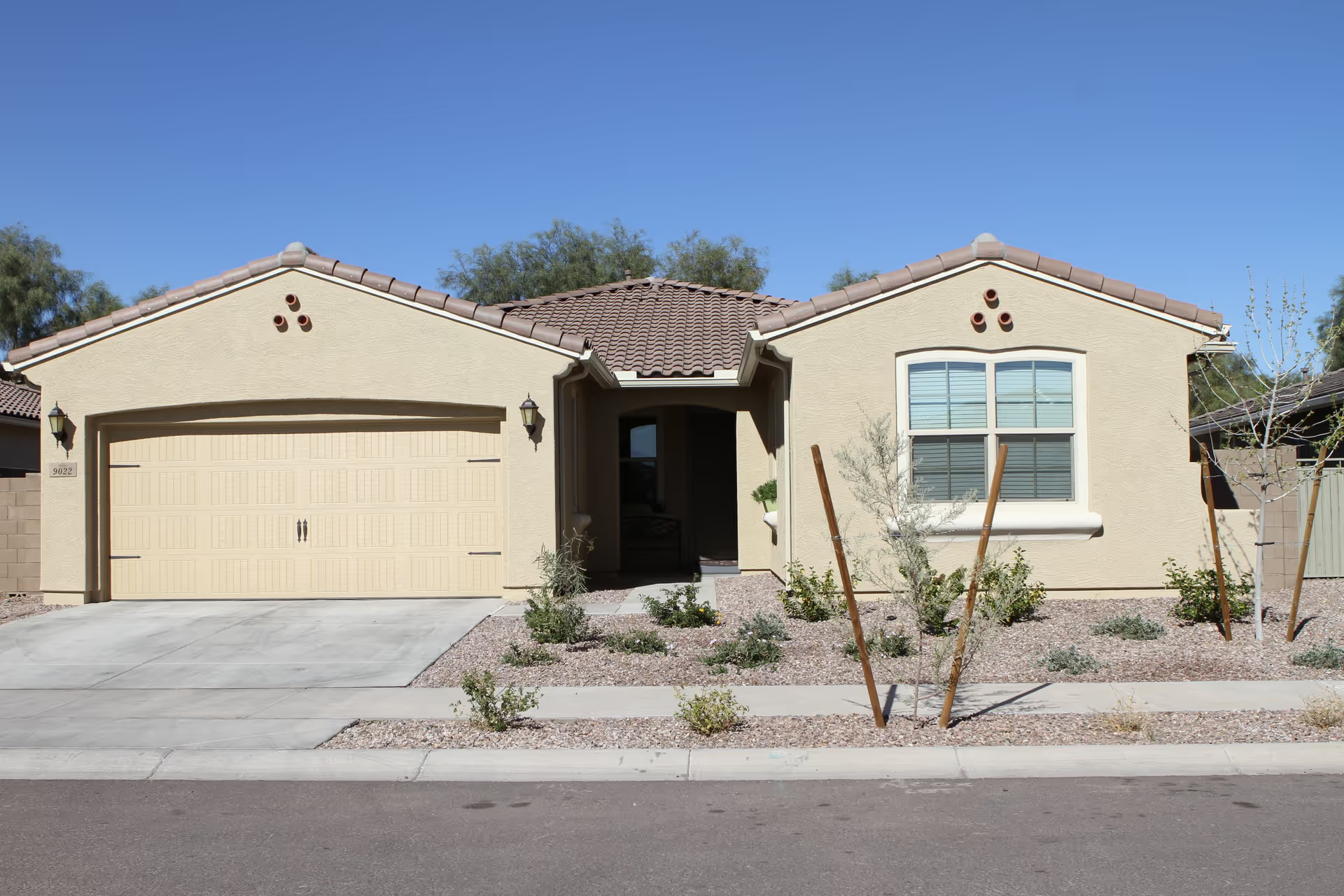
MorningStar Senior Living at Golden Ridge presents as a newly built, amenity-rich community that many families and residents find attractive. The physical plant — including bright common areas, casitas with attached garages, in-unit or on-site laundry, a heated pool and spa, salon, library, movie theater, and multiple fitness rooms — is repeatedly praised. The restaurant-style dining room, chef-prepared offerings, and social dining environment are frequently cited as strengths, as are organized activities such as water aerobics, crafts, bingo, card games, and off-site trips. The community offers rehabilitative services and wellness programming that support transitions from short-term rehab to assisted living for some residents.
Care quality and staff performance show a mixed but patterned profile. Many reviewers emphasize compassionate, attentive, and personable staff members — from concierge and admissions personnel to CNAs and med techs — and name specific staff who went above and beyond. At the same time, there is consistent evidence of variability in caregiving across shifts, language barriers that impede resident communication, and staffing shortages that contribute to long wait times for assistance. Several families described gaps in clinical coverage (for example, limited nurse availability), delayed incident response or incomplete family notification after clinical events, and concerns about how intake assessments address complex medical needs.
Dining experiences are often a highlight but not uniformly so. The facility offers chef-prepared, restaurant-style meals and diabetic-friendly choices, and many residents enjoy the menu and the social benefits of communal dining. Counterbalancing that are recurring comments about inconsistent food temperature, occasional blandness or repetitiveness, and slower meal service at peak times. These issues appear operational (kitchen continuity, staffing, and service timing) rather than structural.
The activity and social programing is a strong point: life-enrichment staff organize a wide range of daily and weekly offerings that support social engagement and physical activity across independent, assisted, and memory-care neighborhoods. Cross-level interaction and family-invite activities are noted positively. However, some accounts indicate that memory-care programming and off-campus activities may be more limited compared with assisted-living offerings, and access to certain amenities has at times been restricted (pool or exercise room closures, limited van capacity).
Management and administrative themes include both praise and concern. Admissions and marketing are often described as welcoming and effective at facilitating quick moves-in, but reviewers also note disconnects between marketing promises and operational follow-through. Specific operational concerns include inadequate intake communication about medical requirements, weekend staffing inconsistencies, and questions about pricing transparency and what is included in fees. There are also isolated but serious claims — characterized here as allegations — involving financial misconduct and inappropriate patient transfers; such claims suggest the need for prospective families to seek documentation and clarification about billing, transfers, and oversight practices.
Overall, the facility’s strengths lie in its modern facility, wide range of amenities, robust social programming, and many dedicated staff members. The principal trade-offs relate to operational growing pains: staffing consistency, clinical coverage, intake accuracy, meal-service reliability, and management transparency. Families considering this community should verify clinical staffing levels and protocols, confirm how medical needs (for example, dialysis or complex clinical histories) are assessed at intake, review the contract and fee disclosures carefully, and observe staffing patterns during evenings and weekends to ensure the community’s operational practices match expectations.