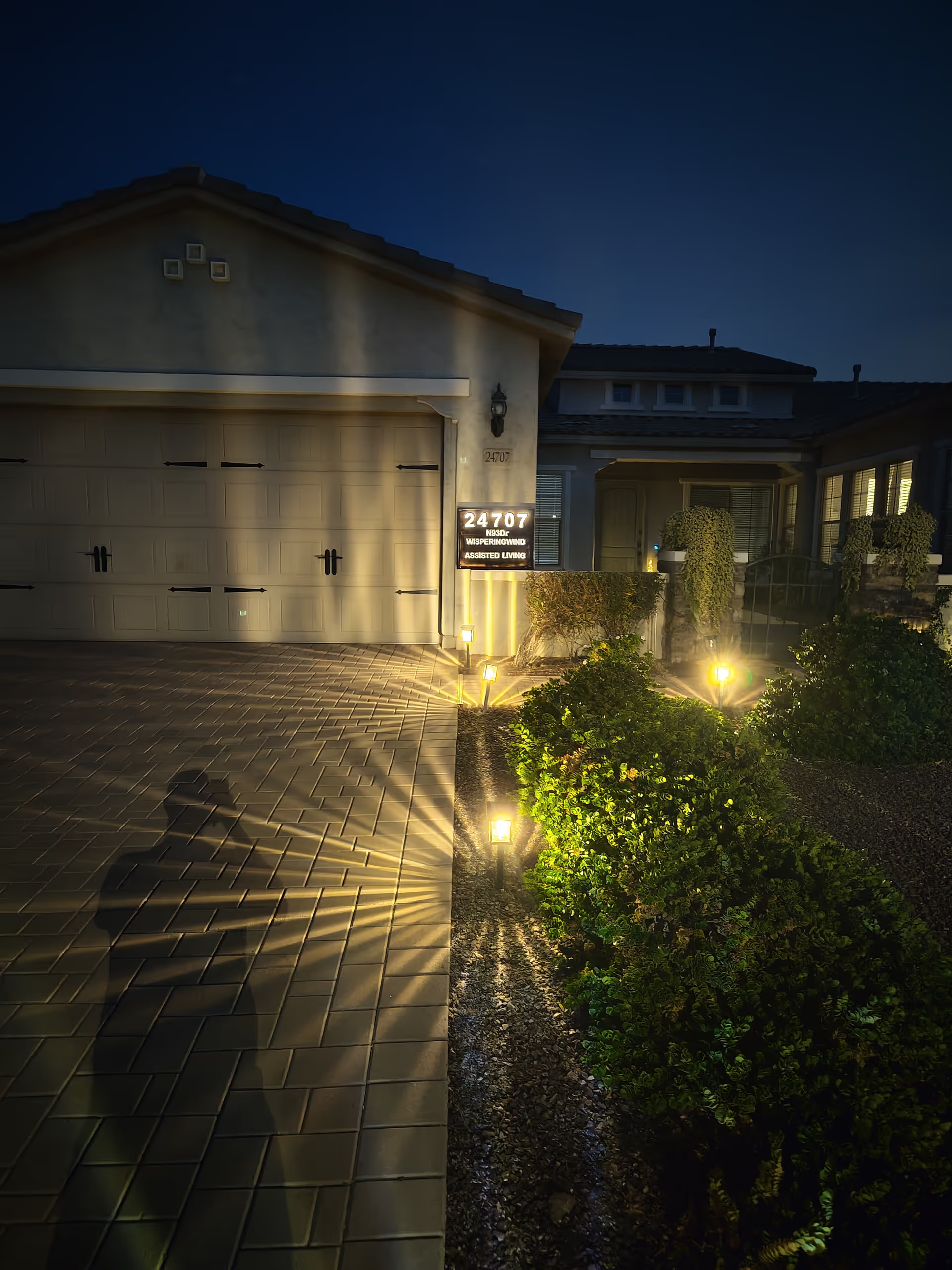
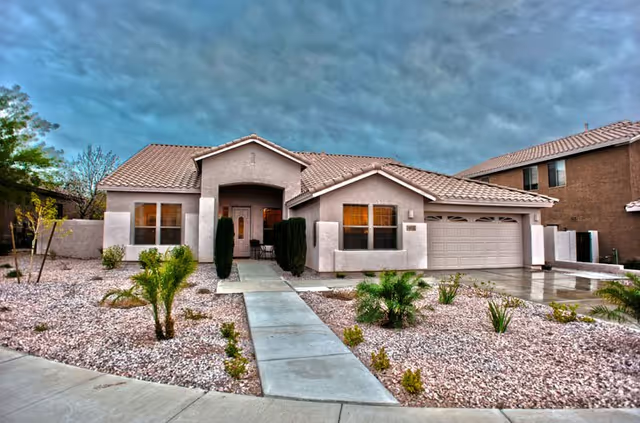
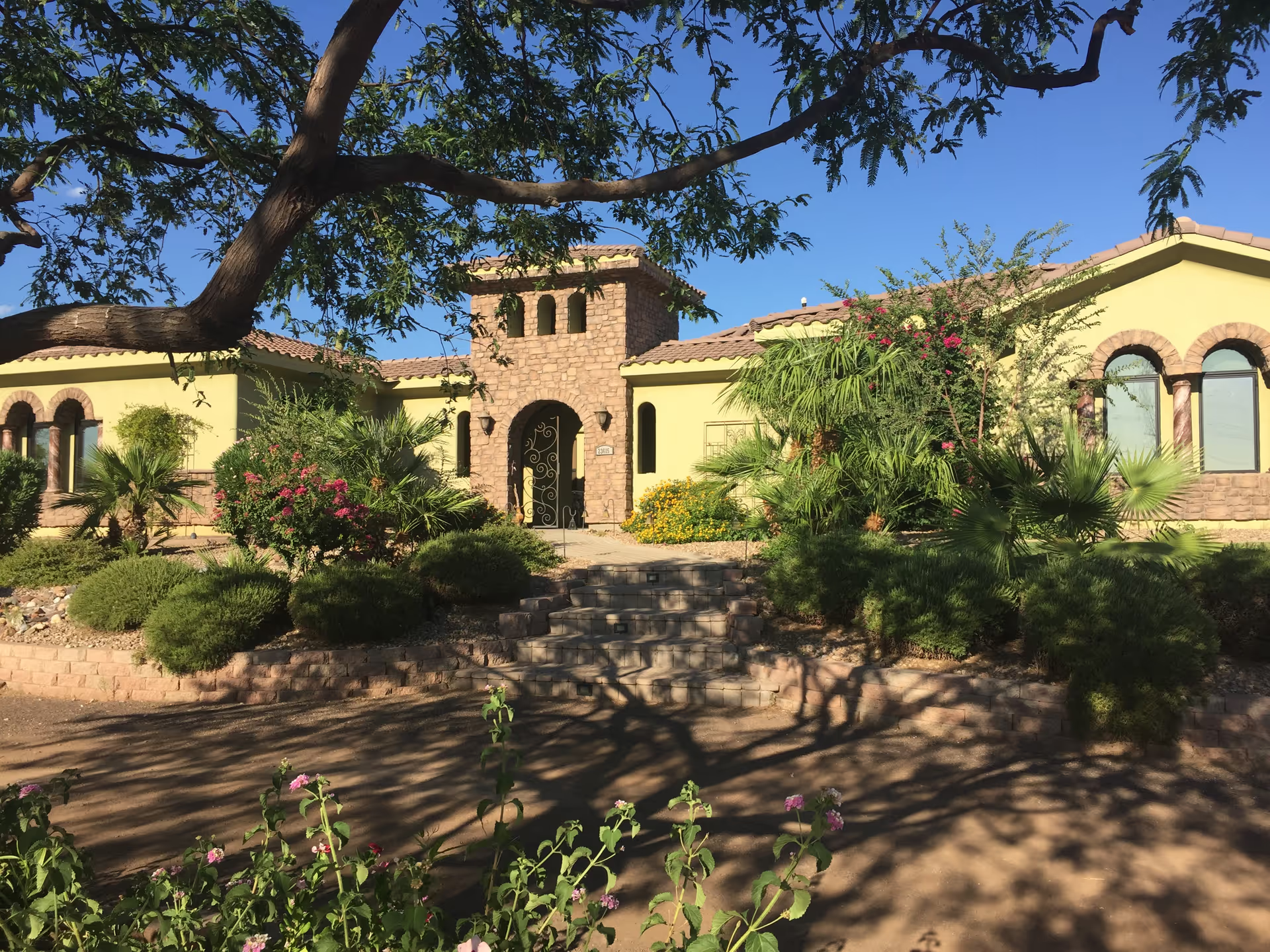
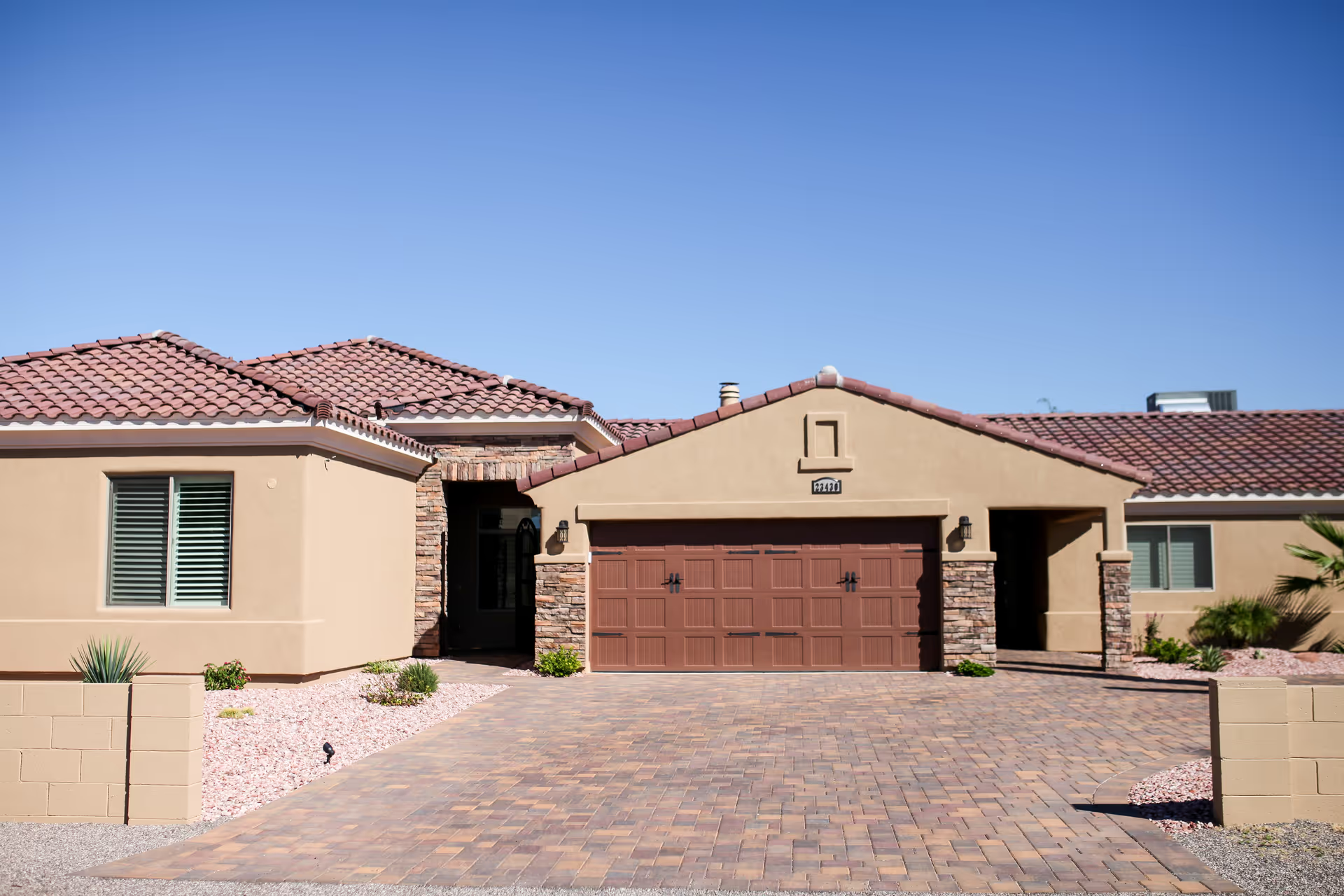
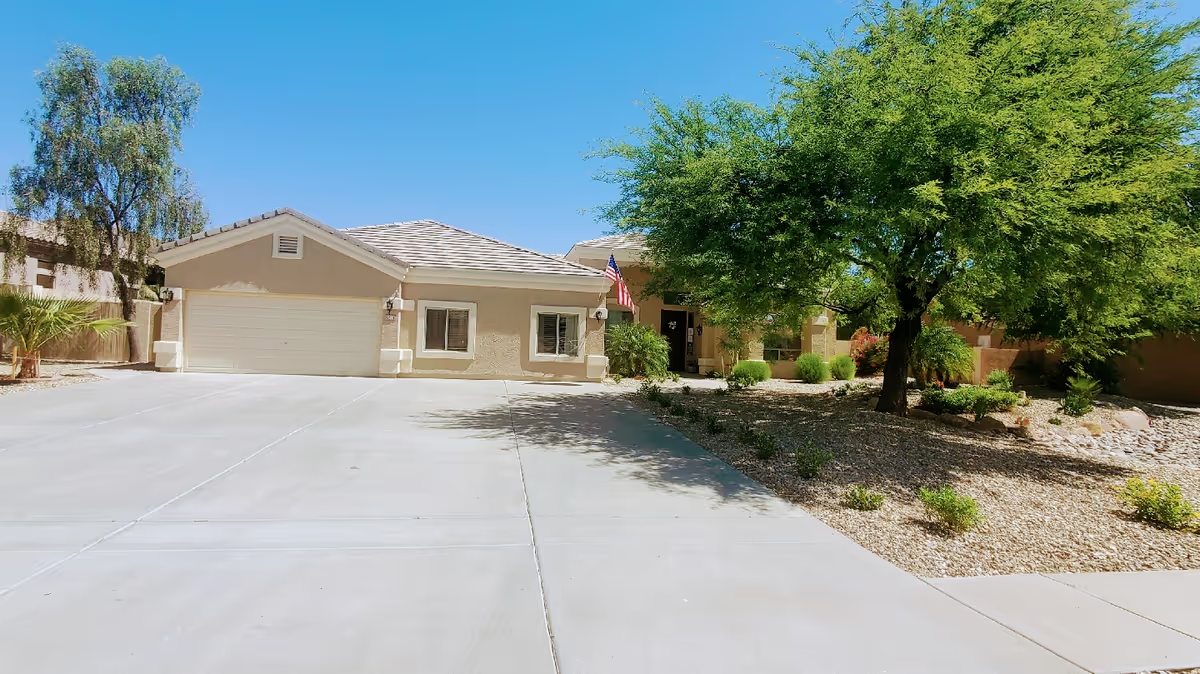
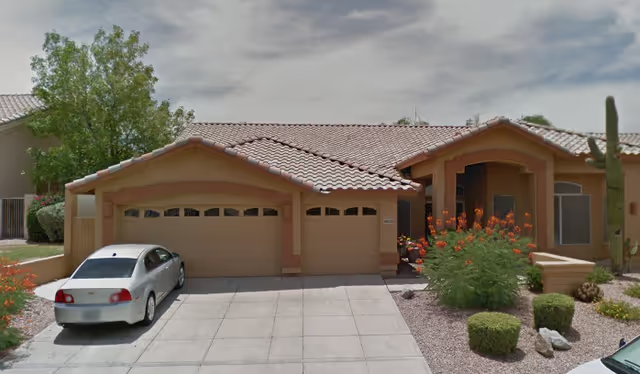
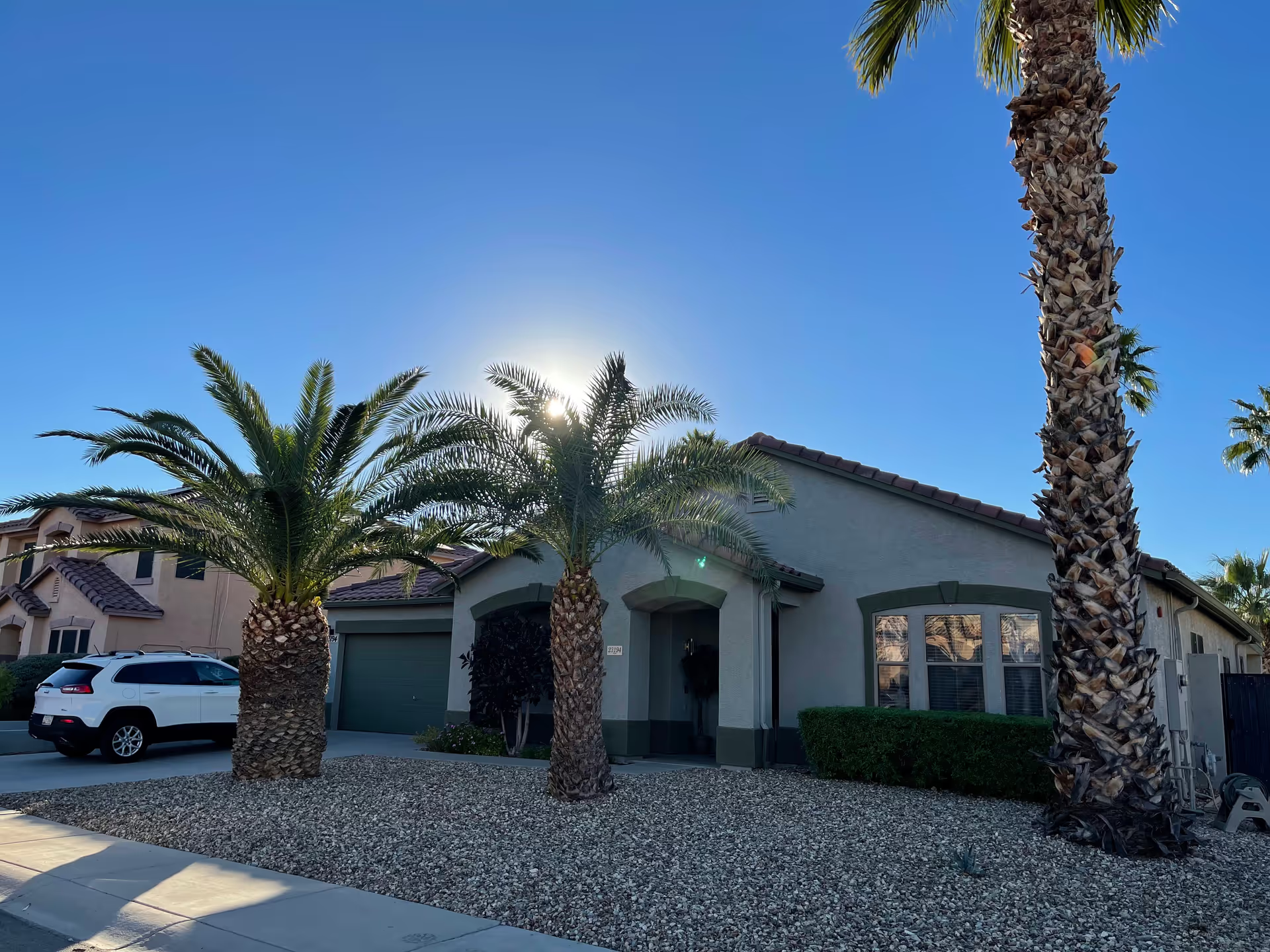
Reviewers present a polarized view of Spring Gardens Senior Living Peoria: many families and visitors emphasize a high-quality physical environment, engaging programming, and compassionate frontline staff, while others describe operational and management deficiencies that affect day-to-day care. The facility’s strengths consistently cited include an attractive, well-kept campus with bright, comfortable apartments; a varied activities calendar and social programming; a pleasant dining environment with diverse menus; and numerous accounts of hands-on executive leadership and dedicated caregivers who build personal rapport with residents.
Care quality and staffing are the clearest areas of mixed experience. Positive accounts describe attentive, respectful caregivers, timely medication delivery, individualized interactions, and a team-oriented culture. Contrasting accounts raise concerns about inconsistent staffing levels, frequent caregiver turnover, and delays responding to resident needs. Those operational shortfalls are associated in some reviews with missed assistance for bathing and dining, extended call-response times, and uneven continuity of care. Several comments also pointed to lapses in medication administration controls that warrant specific attention.
Dining and activities are frequently praised. Many families report nutritious, varied menus, a well-appointed dining room, monthly menu planning, and an active calendar that includes happy hours, classes, outdoor seating, and resident celebrations. Activities leadership and resident engagement are noted as positive contributors to quality of life. At the same time, kitchen practices and food-safety protocols were questioned in a subset of accounts, suggesting uneven adherence to procedural standards.
Facility condition and housekeeping received mixed feedback. Numerous reviewers describe an immaculate facility and landscaped grounds, while others flagged sanitation and housekeeping inconsistencies in resident rooms and some common areas, along with occasional laundry-management problems. Memory-care-specific safety concerns were raised, including supervision and unit security gaps; these are operational traits that families should discuss directly with leadership during a tour.
Management and governance comments vary widely. Several reviews credit the executive director (named in multiple accounts) with visible leadership, measurable improvements, and a family-focused culture. Conversely, other reviewers cite frequent leadership turnover, communication breakdowns, billing or move-out reconciliation disputes, and concerns about corporate oversight. More serious reviewer statements referenced regulatory actions and legal challenges; in addition, there are allegations of review manipulation and transparency issues. Those items represent high-priority topics for verification through inspection records, state regulatory disclosures, and direct questions to the provider.
Notable patterns: the community elicits strong positive reactions from families who experience stable staffing and engaged leadership, while negative experiences tend to cluster around staffing instability, administrative continuity, and procedural controls (medication, housekeeping, laundry, memory-care supervision). Prospective residents and families should schedule an in-person visit, meet current caregiving staff and the executive director, request copies of recent inspection or compliance reports, ask detailed questions about staffing ratios and turnover, and verify billing and move-out policies before making a placement decision.