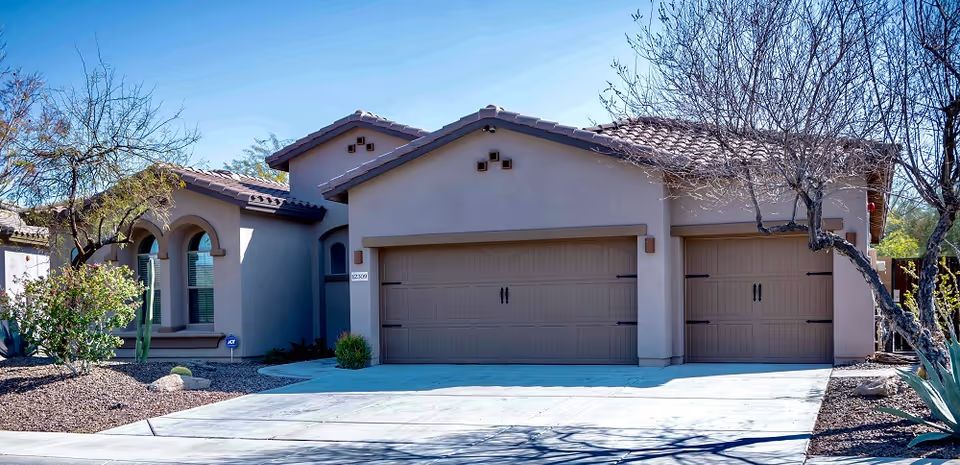
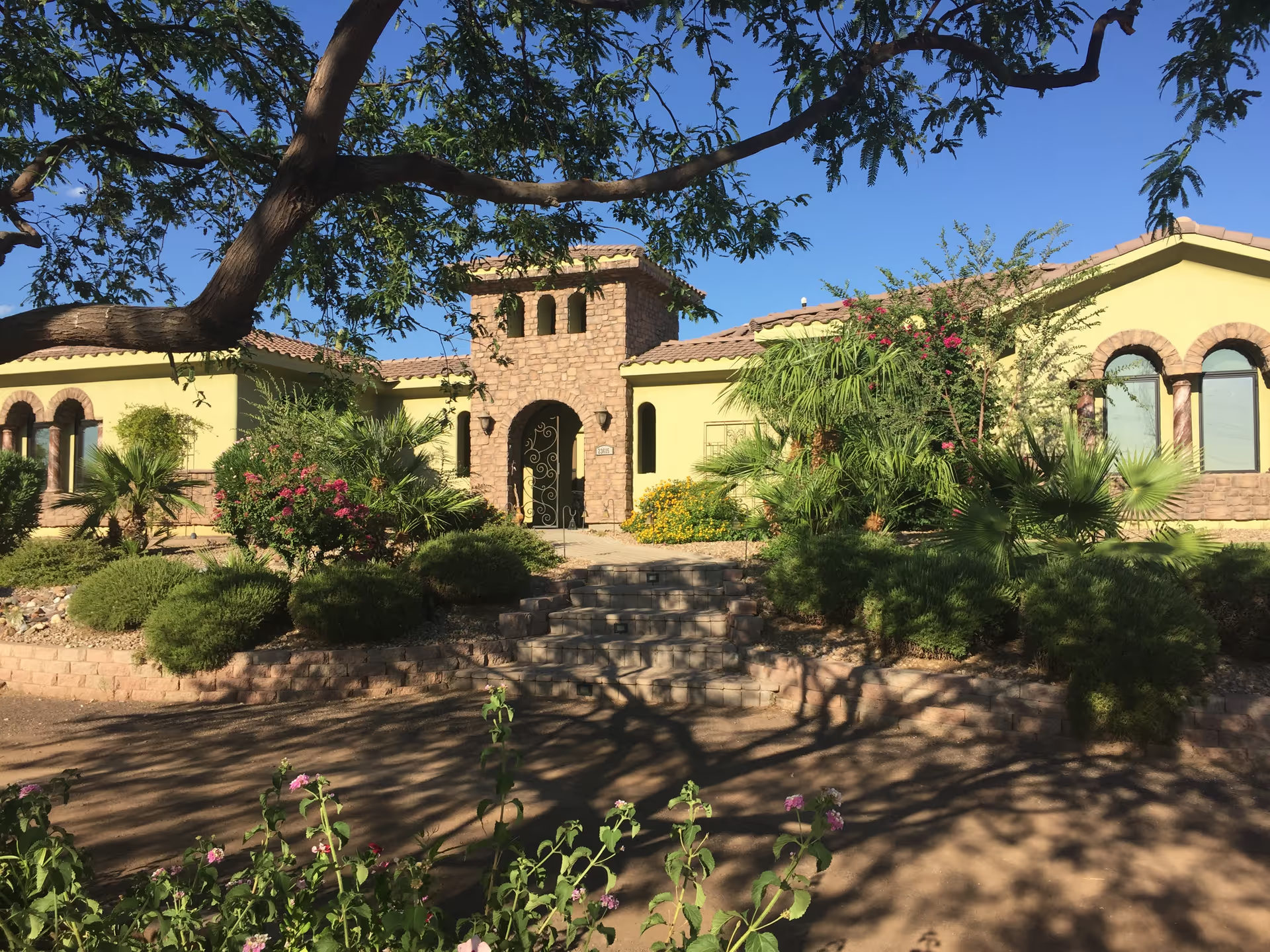
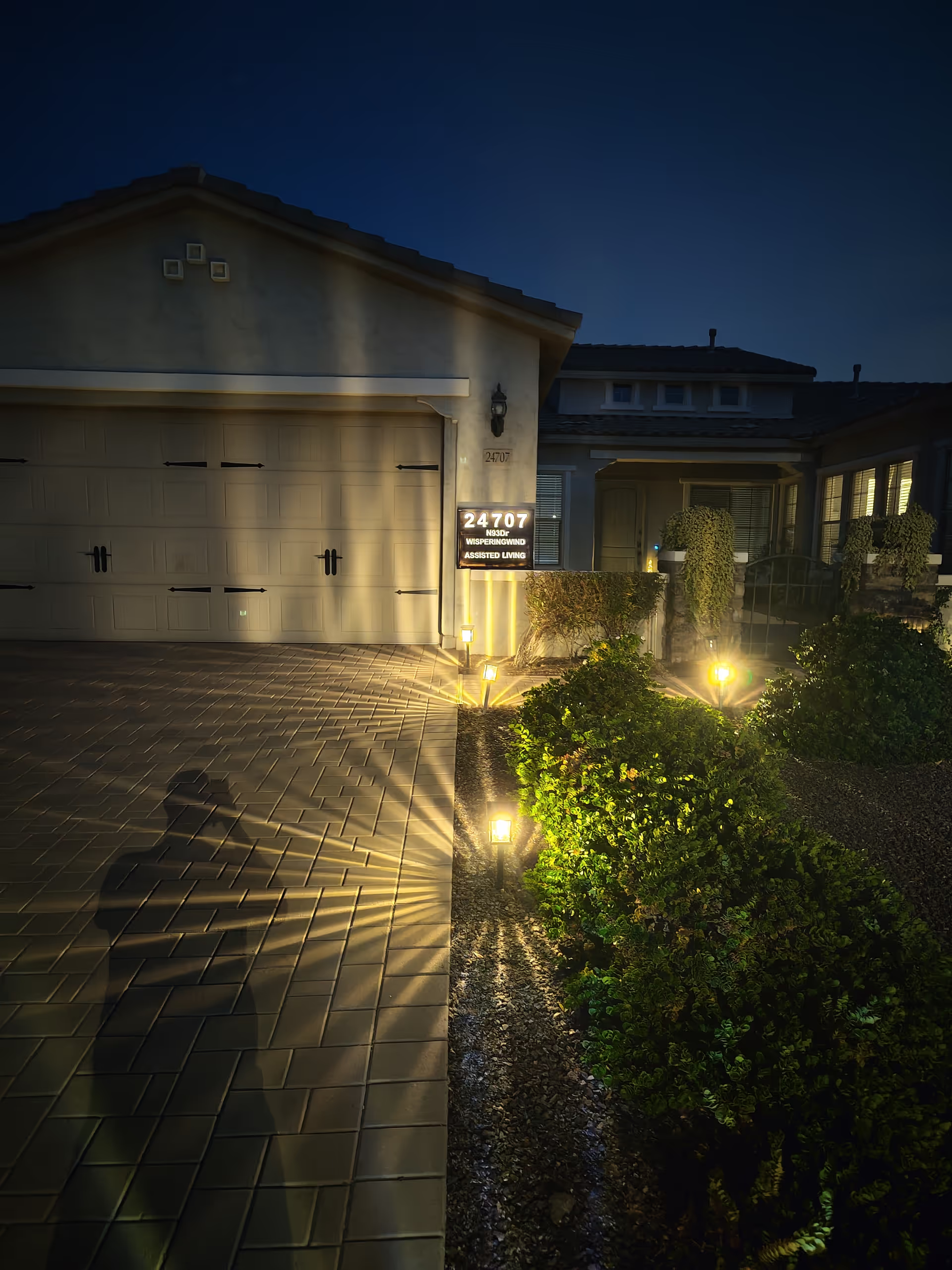
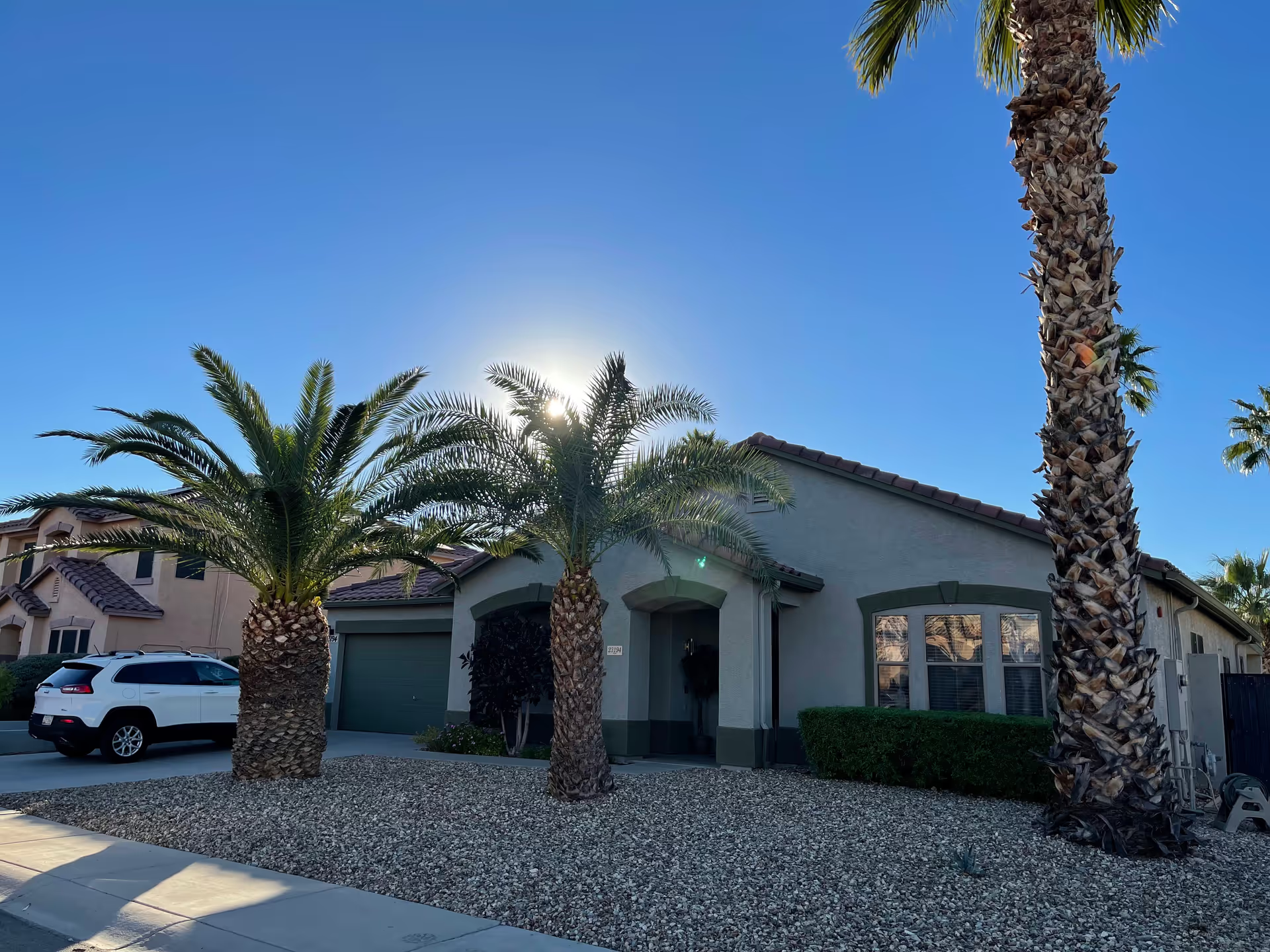
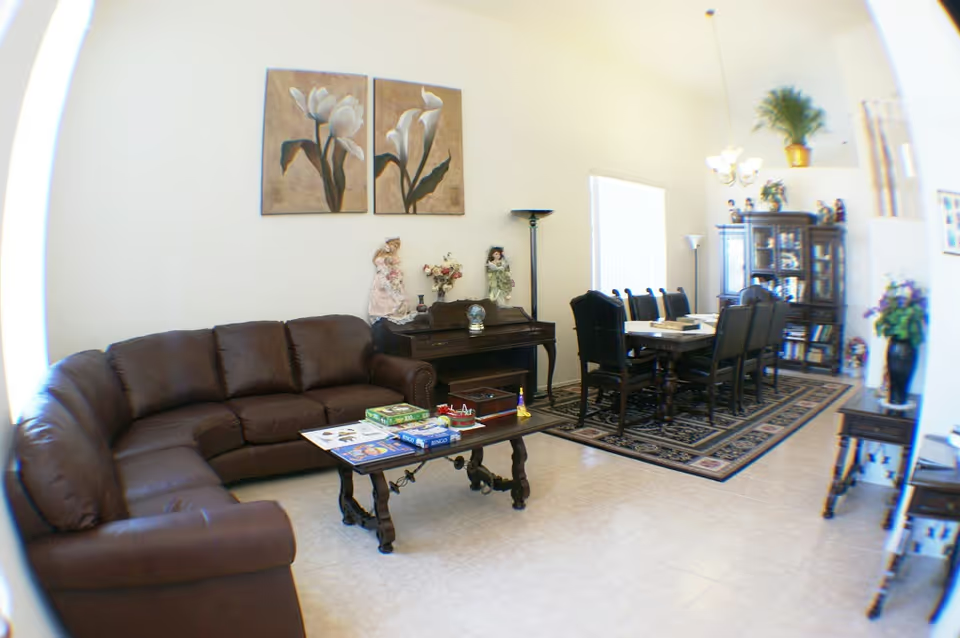
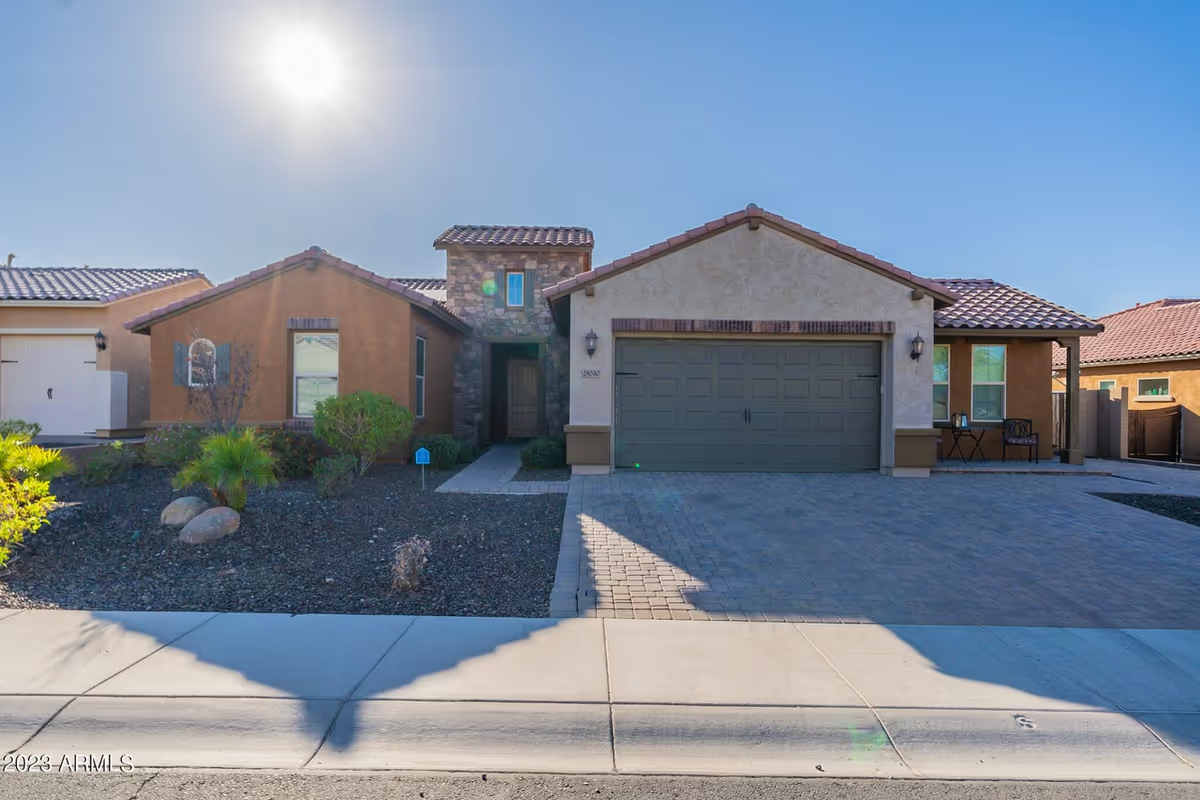
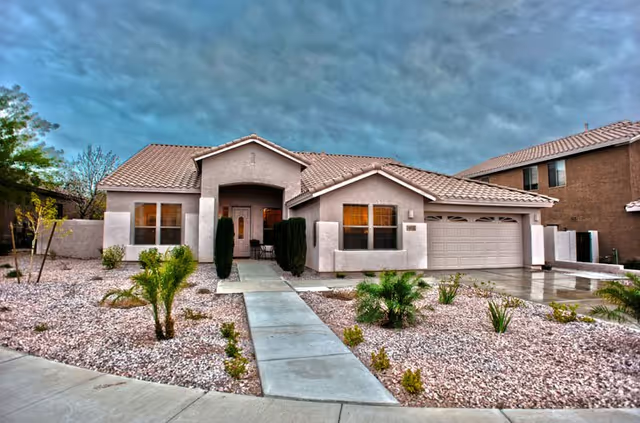
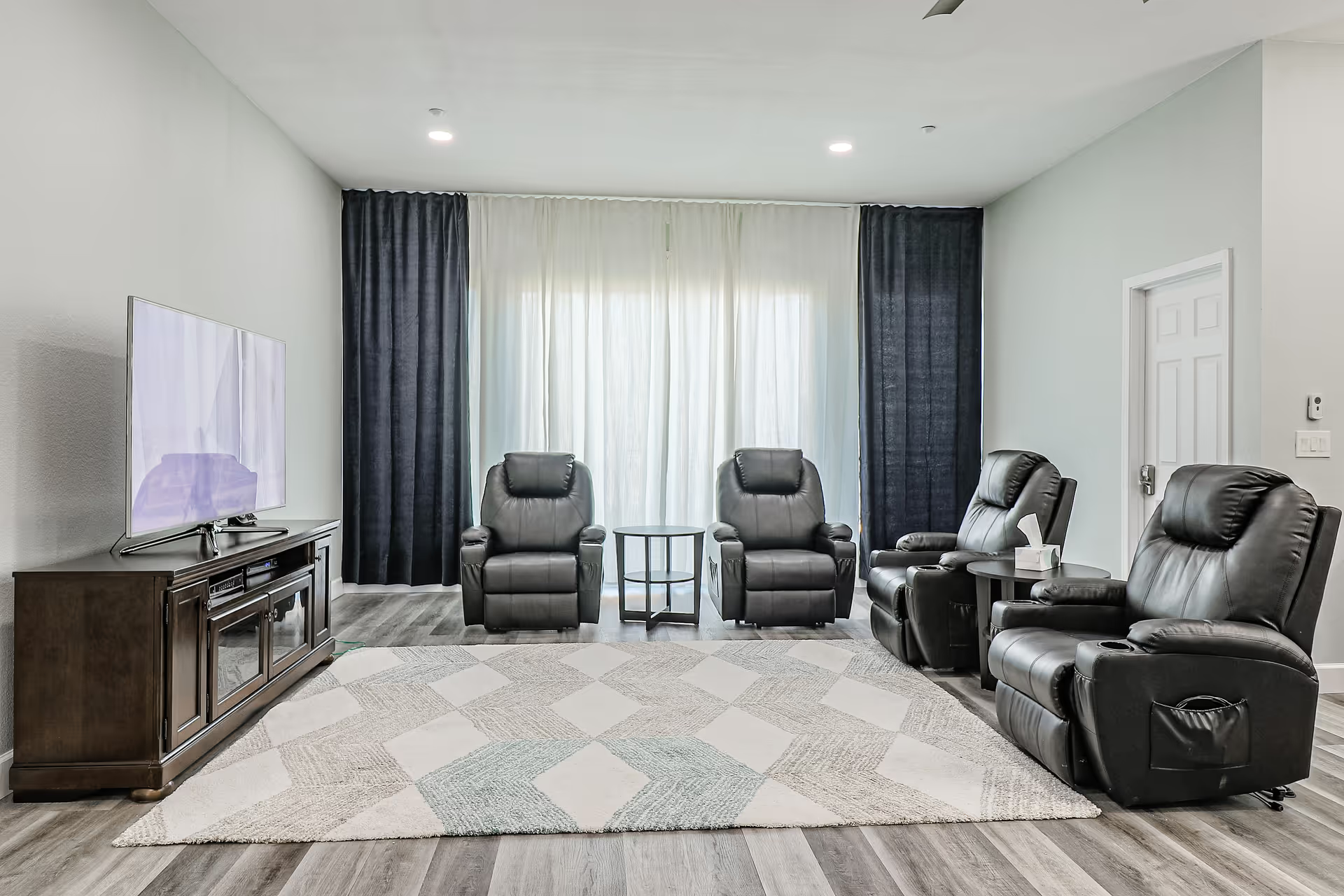
Reviews for Vista Winds Assisted Living & Memory Care present a mixed but clear pattern: many families and visitors strongly praise the direct-care teams and the facility environment, while operational and leadership issues introduce variability in day-to-day care. Positive comments emphasize warm, compassionate interactions from caregivers and med-techs, a welcoming front desk, solid memory-care programming, and an active activities calendar. The building and common areas are frequently described as modern and well maintained, and dining staff and food quality receive consistent favorable mention.
Care quality is described as high when staffing and supervision are stable: reviewers highlight personalized care coordination, responsive nursing during transitions, effective hospice coordination, and programs that support residents’ dignity and talents. However, several accounts point to inconsistent completion of personal-care tasks (for example, bathing and laundry follow-through) and occasional delays attending to toileting and hygiene needs. These operational lapses appear linked to staffing levels and scheduling rather than to the direct caregivers’ intentions.
Staffing and management emerge as the primary drivers of variability. Many reviewers compliment long‑standing caregivers and activity staff, but others describe high turnover among nurses and leadership changes that have reduced continuity. Families cite difficulty reaching administrators, limited management presence on weekends or off-hours, and a perceived shift in emphasis toward metrics over individualized attention. These patterns are associated with delayed communication about health changes and inconsistent follow-up after clinical incidents.
Safety and clinical oversight raise noteworthy concerns in multiple accounts. Reviewers describe failures in emergency-response processes and difficulties with incident escalation (for example, problems with call-response systems and delayed supervision after resident health events). There are also allegations related to medication and diagnostic practices and concerns about transparency following serious incidents and resident deaths; these items suggest the need for closer clinical governance and clearer family communication rather than definitive conclusions about clinical practice.
Dining, activities, and the social environment are consistent strengths. The activities director, dining staff, and many caregiving employees receive repeated commendation for creating a family-like, engaging atmosphere. Memory-care design elements and programs that showcase resident abilities were cited as meaningful contributors to quality of life.
In sum, Vista Winds appears to offer a strong physical environment, attentive frontline caregivers, and robust social and dining programs. At the same time, families should be aware of operational variability tied to turnover, weekend/off‑hour leadership presence, staffing sufficiency, and communication practices. Prospective residents and their families would benefit from discussing current staffing ratios, emergency-response protocols, medication-management oversight, and the facility’s approach to family communication and incident transparency before committing.