Reviews of Arizona State Veteran Home - Phoenix present a mixed picture with distinct areas of strength alongside recurring operational concerns. Positive feedback centers on compassionate clinical work in hospice and end-of-life situations, an active calendar of activities (including spiritual programs and regular outings), and a generally clean, well-maintained public environment. Several families praised specific caregivers and unit teams for professional, respectful interactions and a strong commitment to veterans’ needs; rehabilitation and nursing-focused programs are also identified as assets for residents requiring skilled care.
Care quality shows divergence between units and episodes of care. Reviewers highlighted strong hospice and palliative attention and satisfactory rehabilitation services for some residents. At the same time, there are recurring reports suggesting gaps in clinical oversight — for example, constrained access to supervising nurses or social workers, inconsistent follow-through after acute events, and concerns about infection-related outcomes. These issues have created frustration for families seeking timely clinical communication and reassurance after serious clinical events.
Staffing and conduct are similarly mixed. Many comments indicate friendly, helpful frontline staff, engaged activity coordinators, and visible security personnel at reception. Conversely, reviewers describe staffing instability, frequent caregiver turnover, and variability in staff demeanour and responsiveness; examples include curt or cold interactions and instances where family concerns felt unaddressed. These patterns point to uneven training, inconsistent communication practices, and potential staffing shortfalls during some shifts.
Activities and dining are commonly cited as strengths. Reviewers note robust daily programming, church attendance opportunities, and engaging recreational offerings that help keep residents active and socially involved. Food quality received generally positive mention, though detail is limited compared with comments about activities and staff.
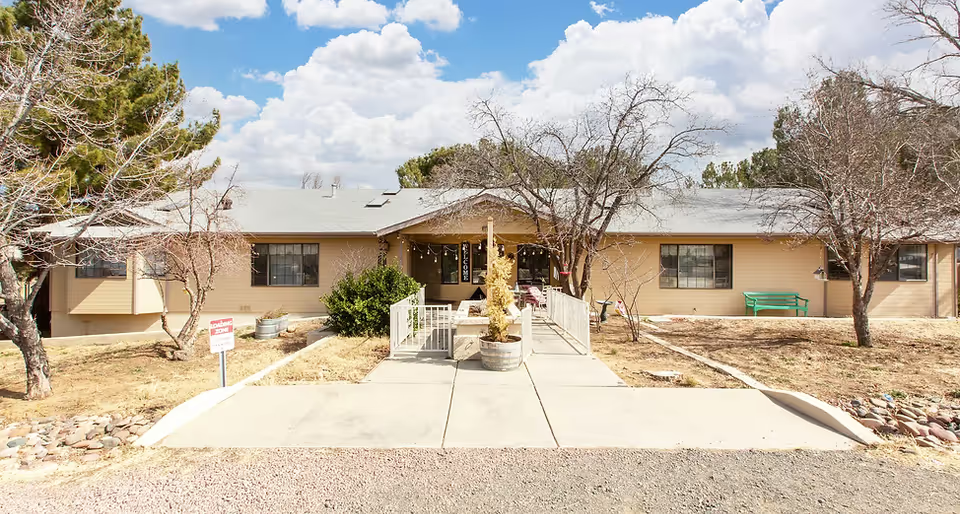
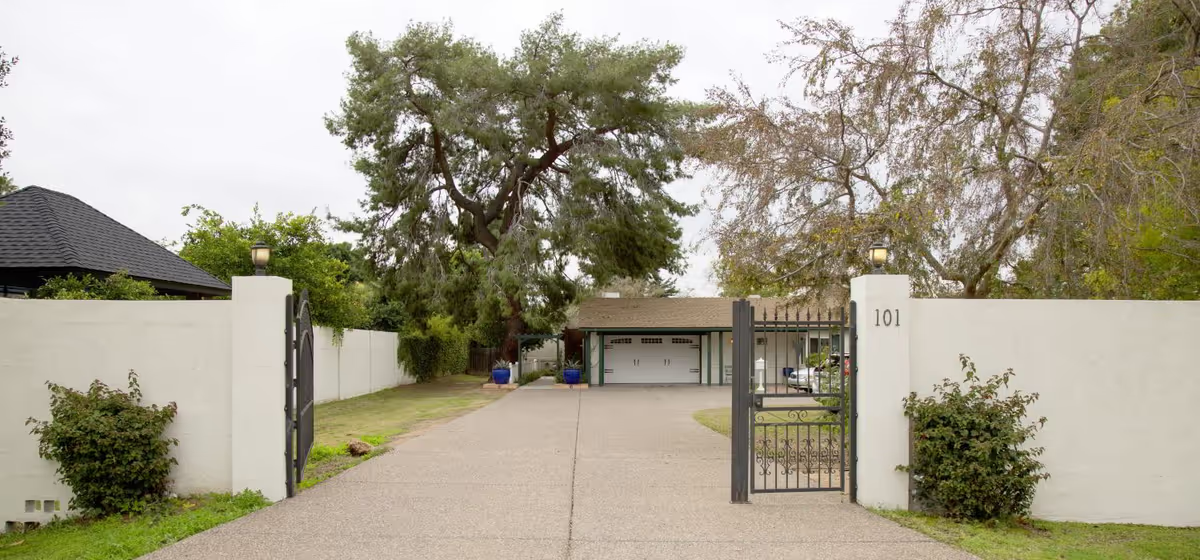
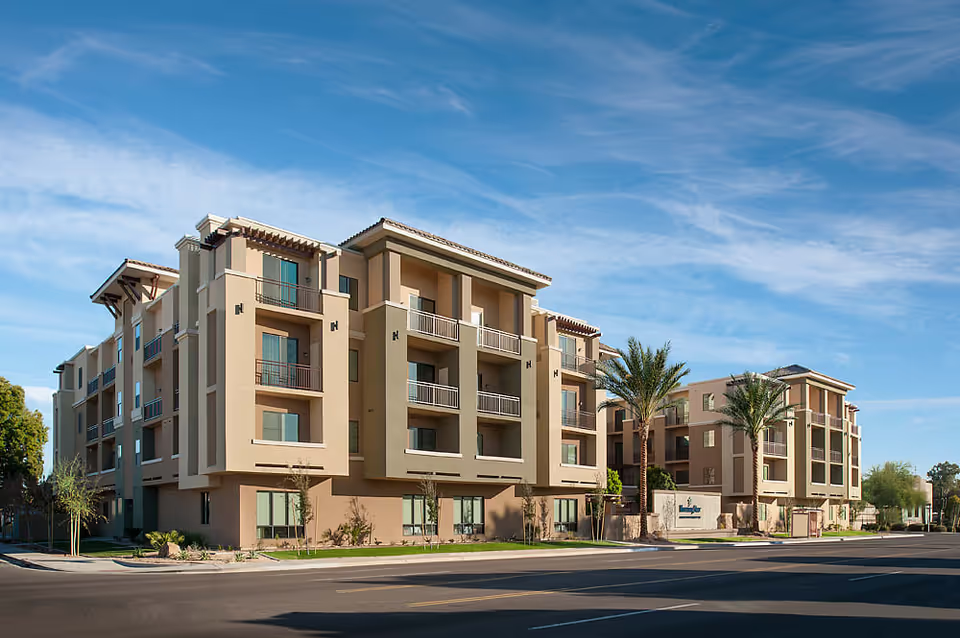
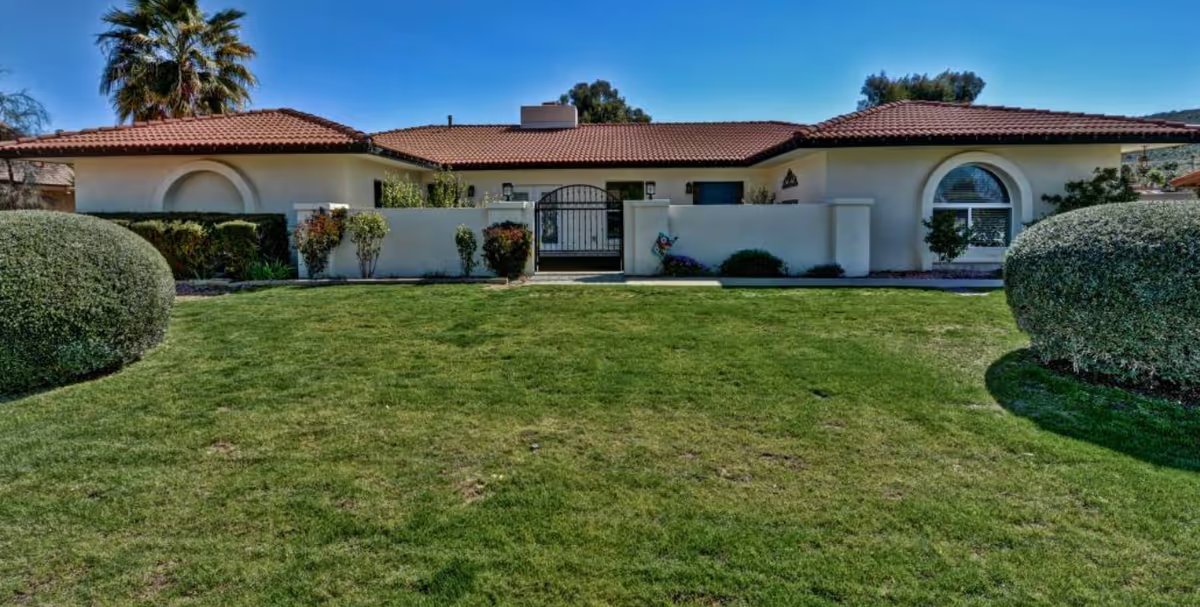
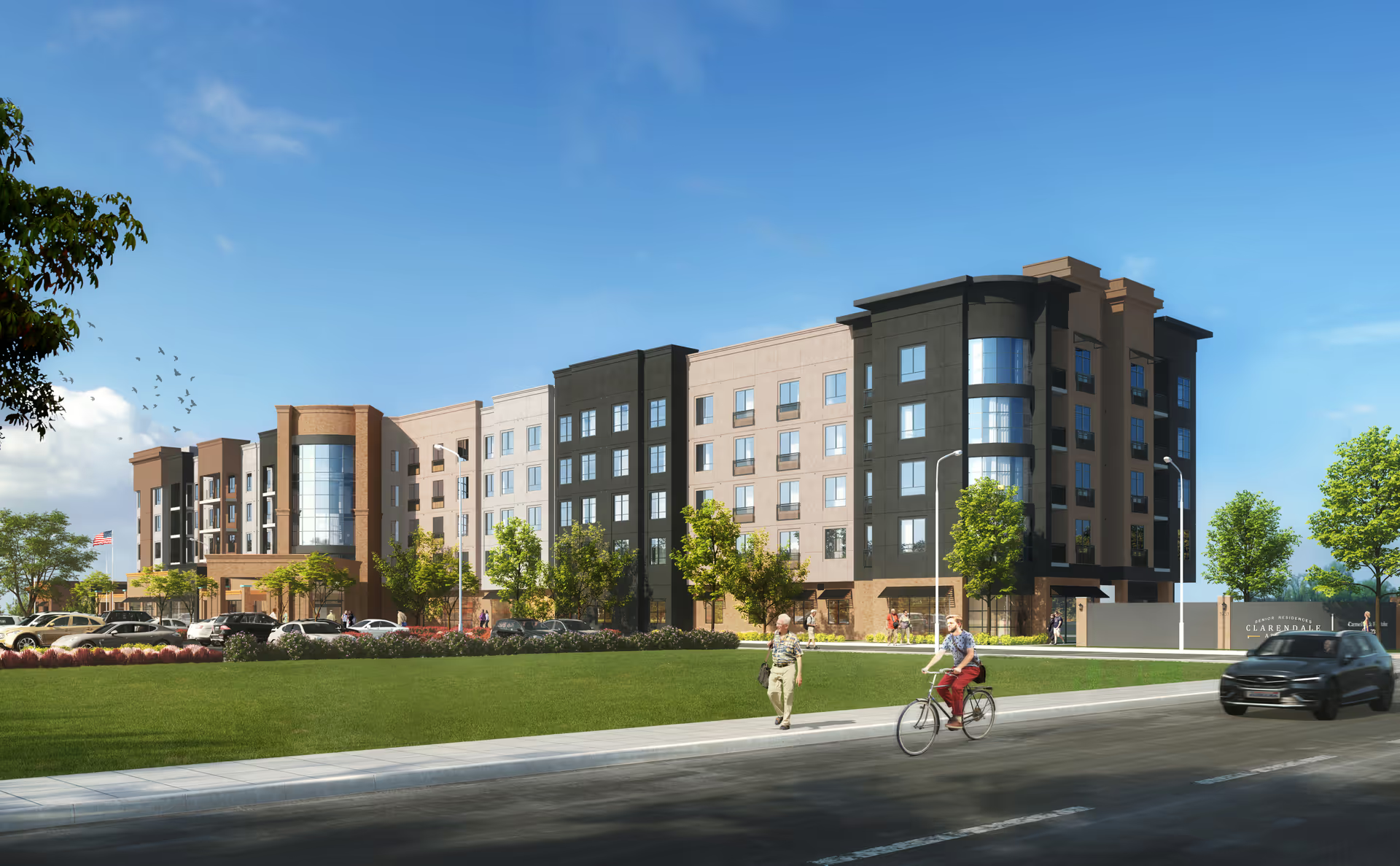
The physical environment earned both praise and criticism. Public spaces and some units are described as clean and well-maintained, with a positive security presence at the front desk. At the same time, family members reported small, cramped resident rooms, limited natural light in some areas, and a hospital-like atmosphere in parts of the facility. A few reviewers also referenced restrictive unit policies that they felt limited resident autonomy.
Management and systems-level concerns center on responsiveness and operational controls. Several reviewers indicated delays or lack of response when raising complaints, constrained access to supervisory staff, inconsistent infection-control and PPE practices, and problems with handling personal property. There are also patterns suggesting weaknesses in transfer and mobility safety practices and in personal-care scheduling that families should consider when evaluating the facility.
Overall, the facility appears to provide strong veteran-focused programming and dedicated caregivers in many units, but prospective residents and families should assess unit-level staffing stability, clinical oversight arrangements, room size/lighting, and the facility’s protocols for family communication, infection control, transfer safety, and property handling. Visiting in person, speaking with unit managers and clinical supervisors, and requesting recent staffing and incident-response procedures will help clarify whether the strengths align with an individual resident’s needs.