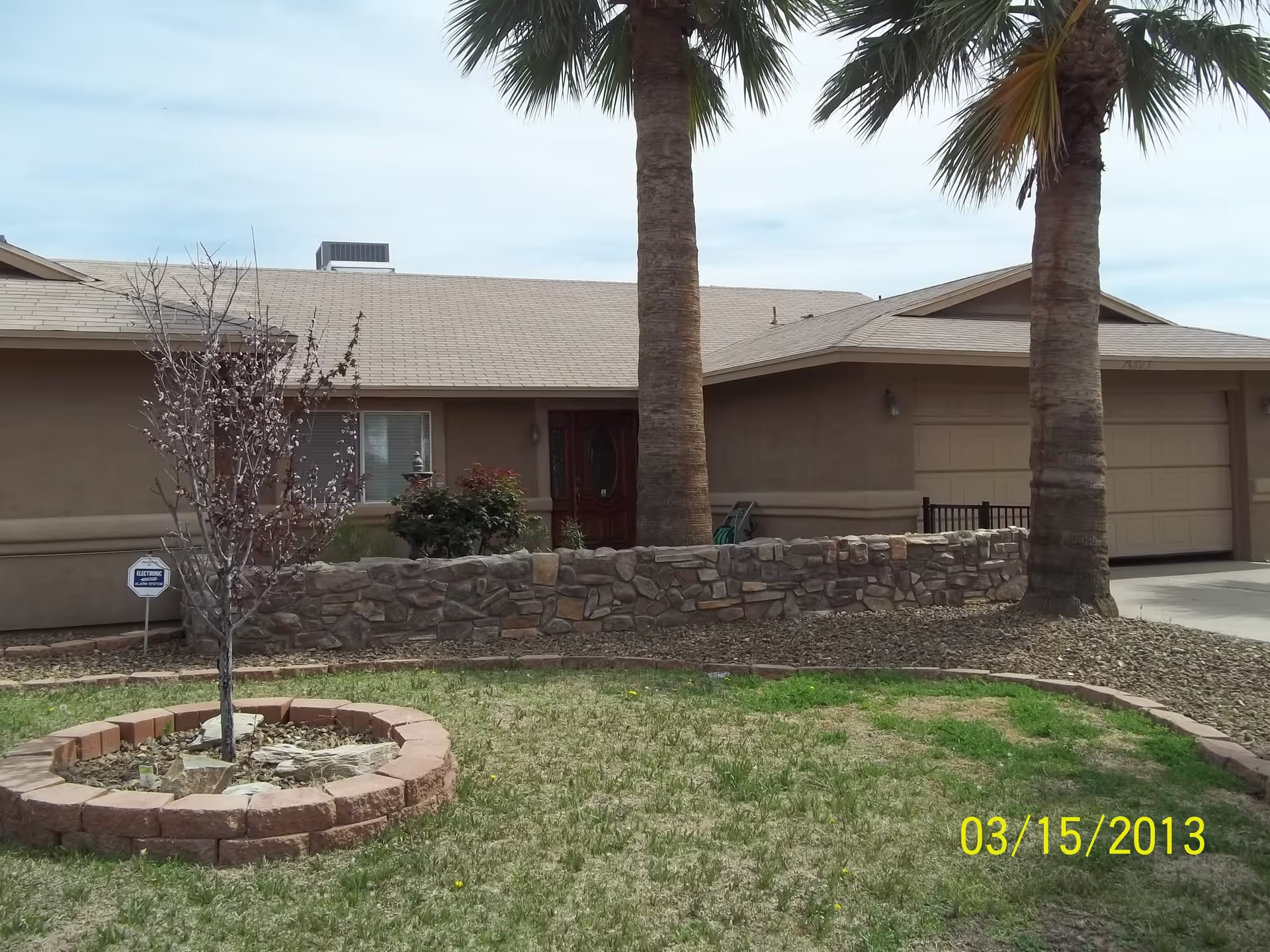
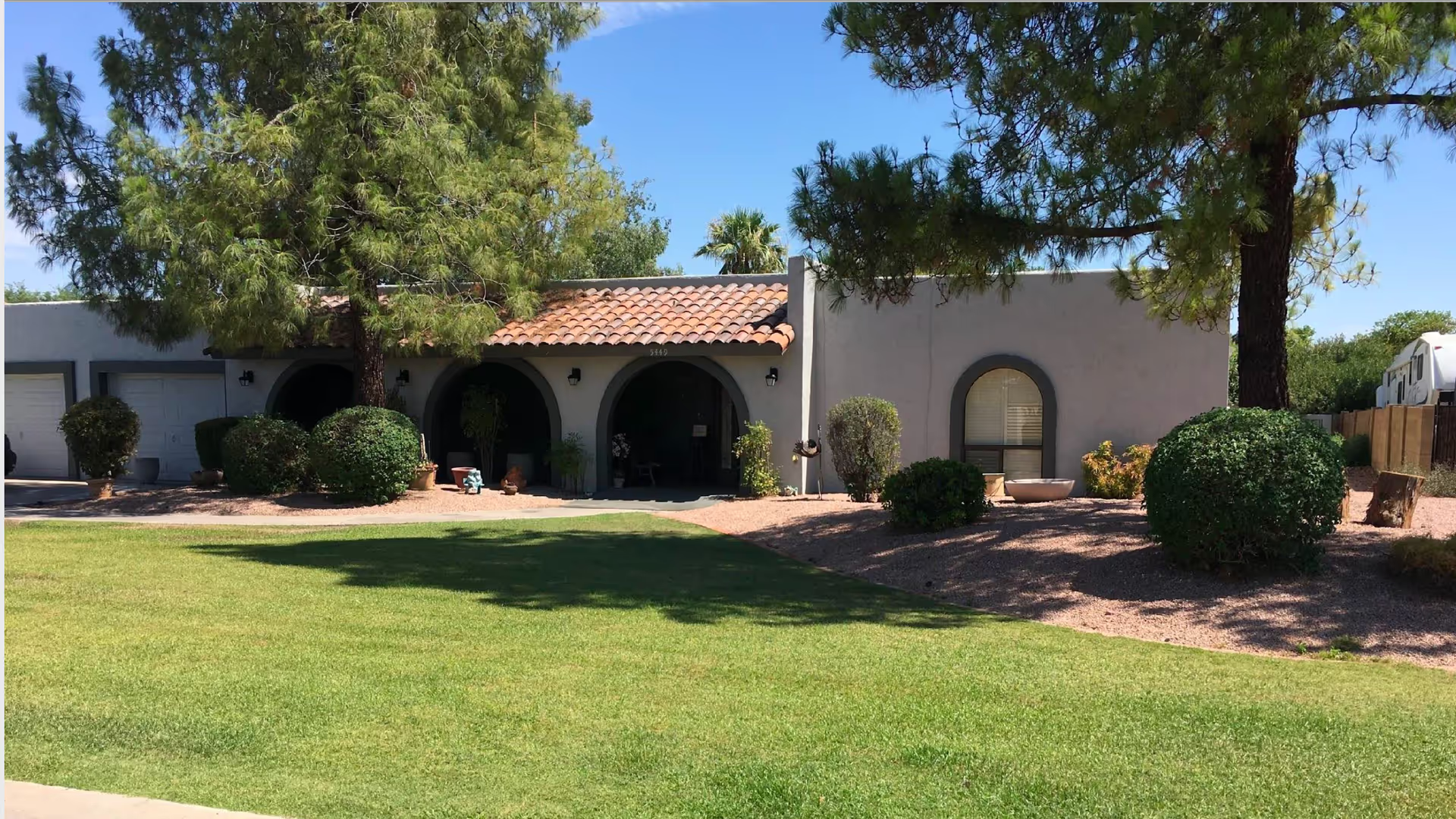
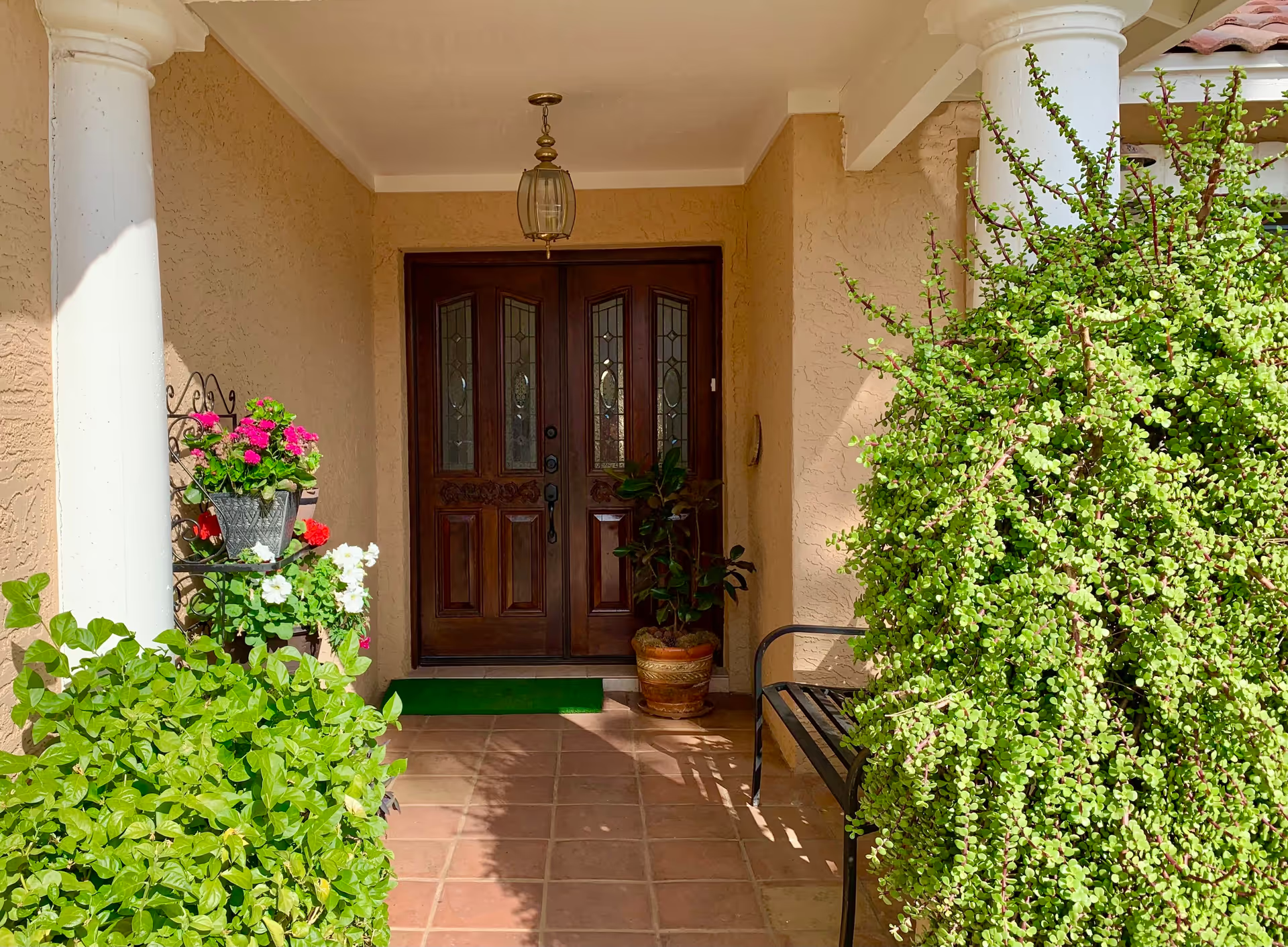
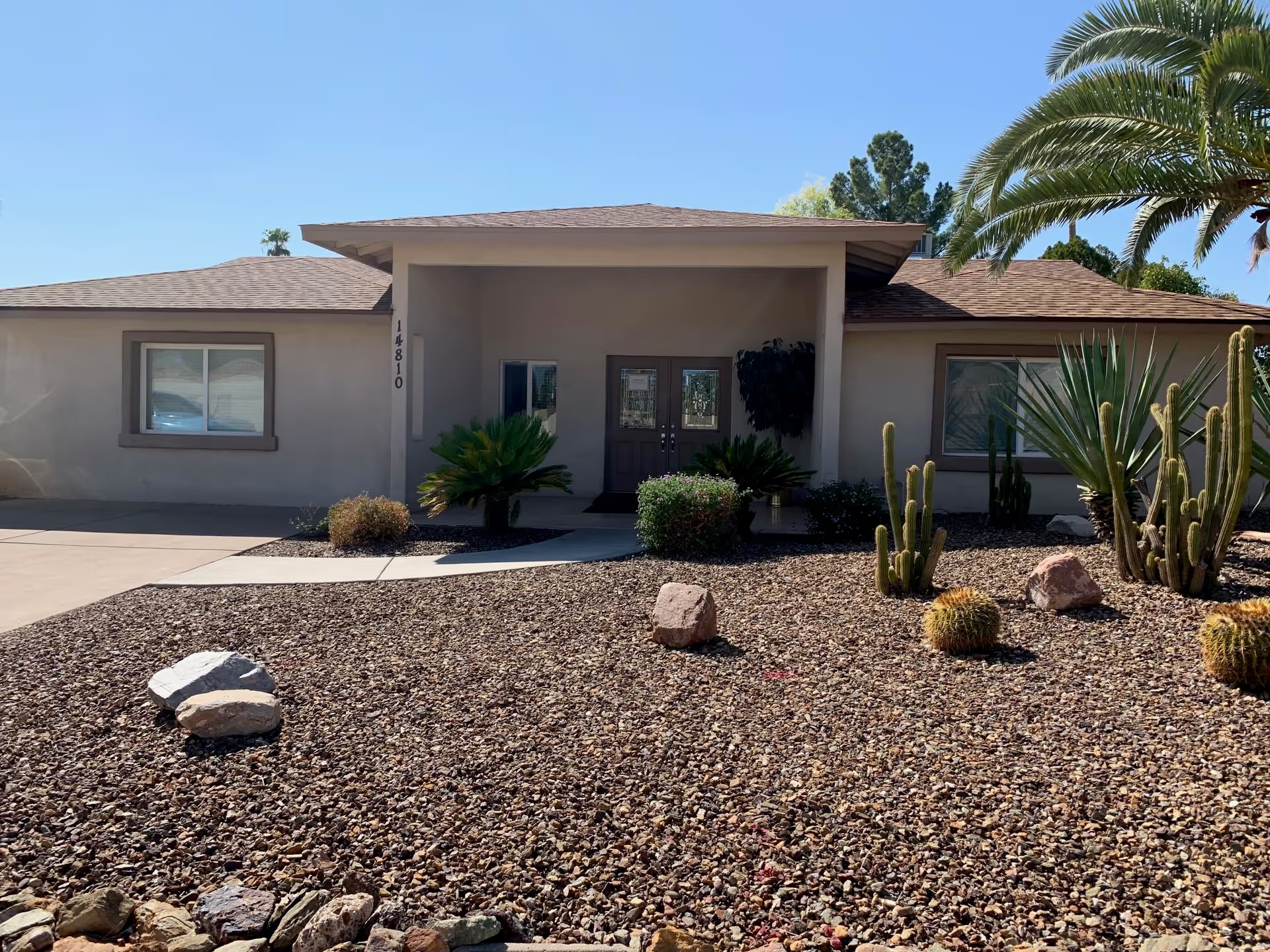
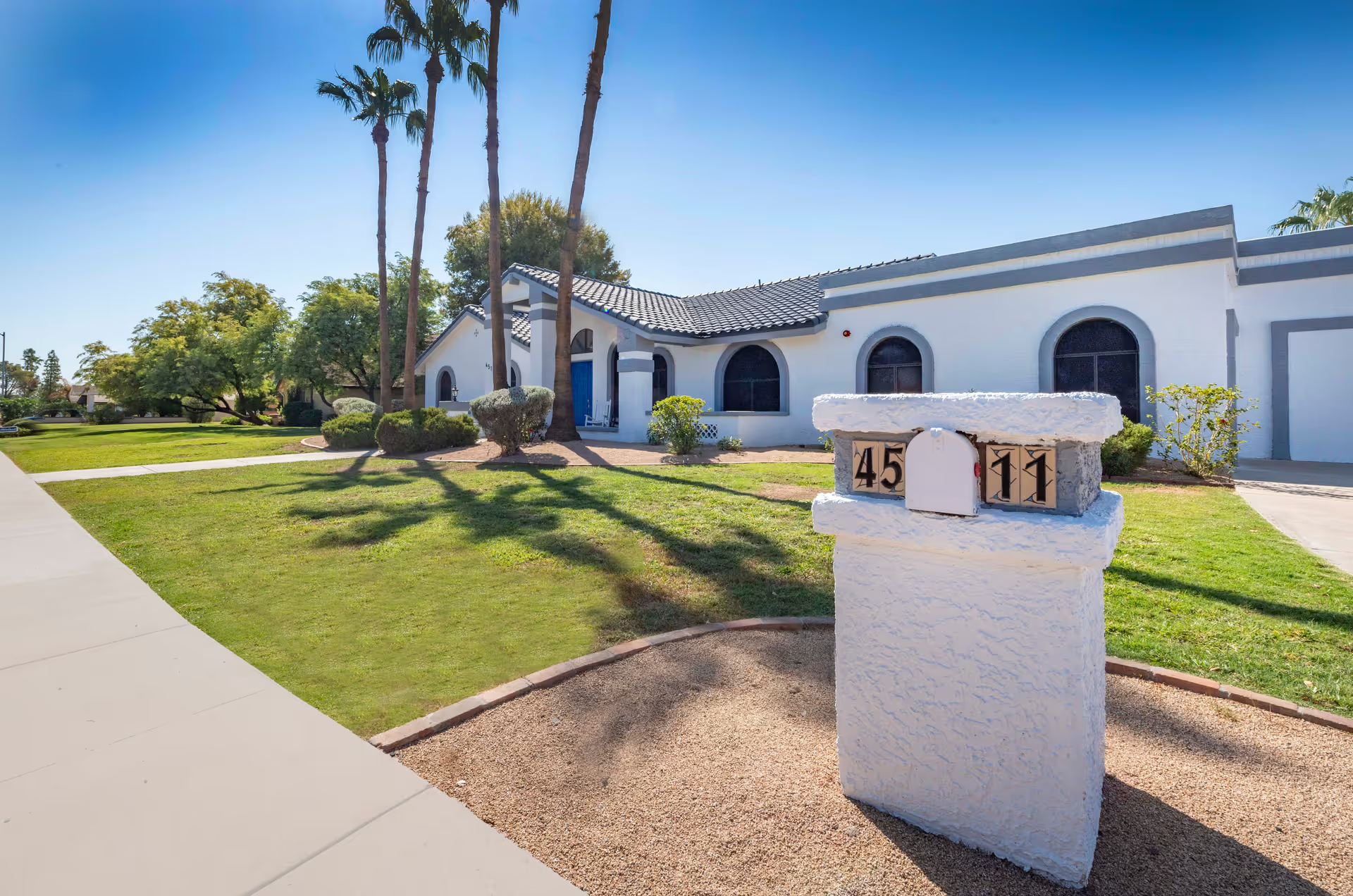
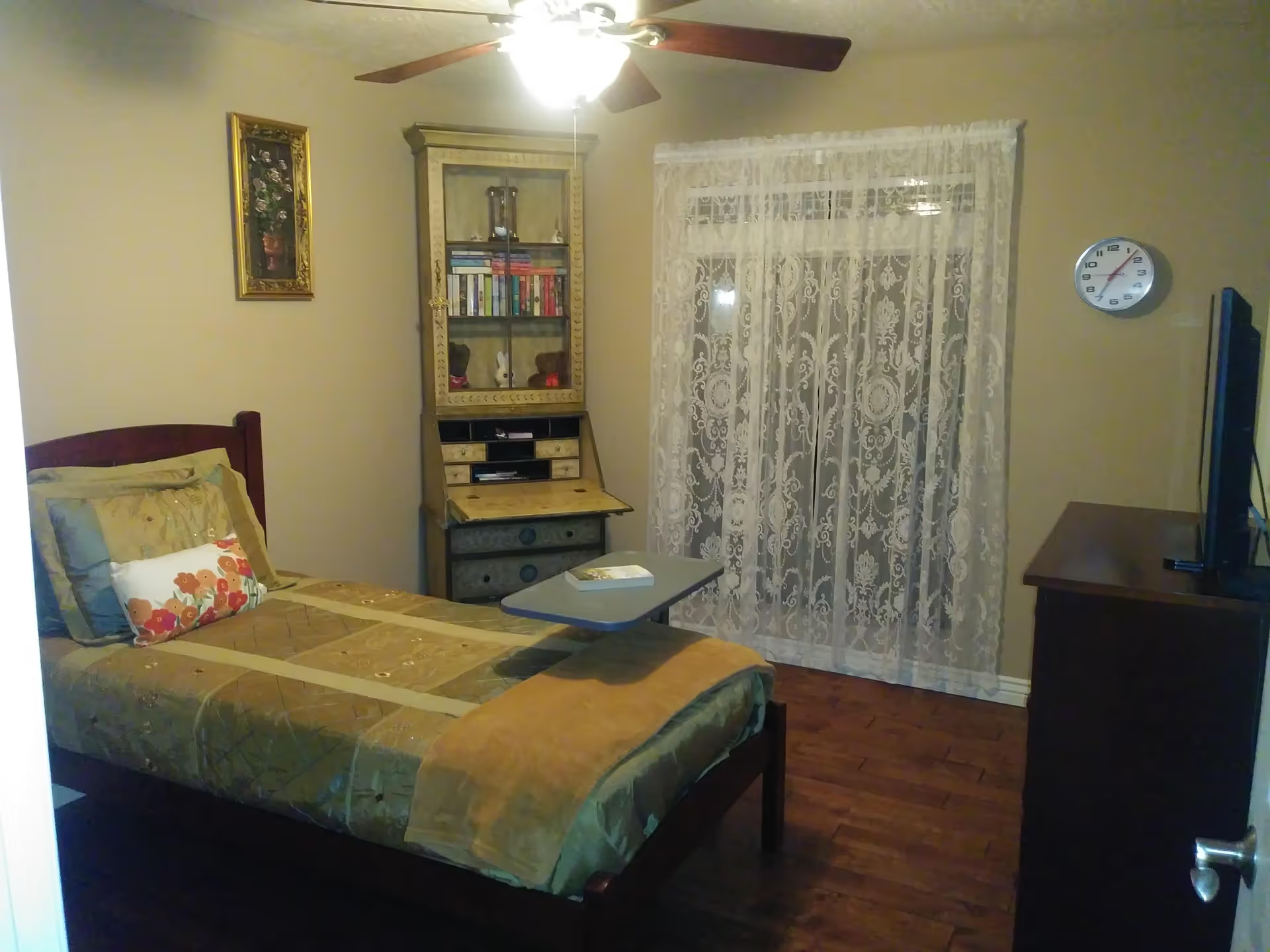
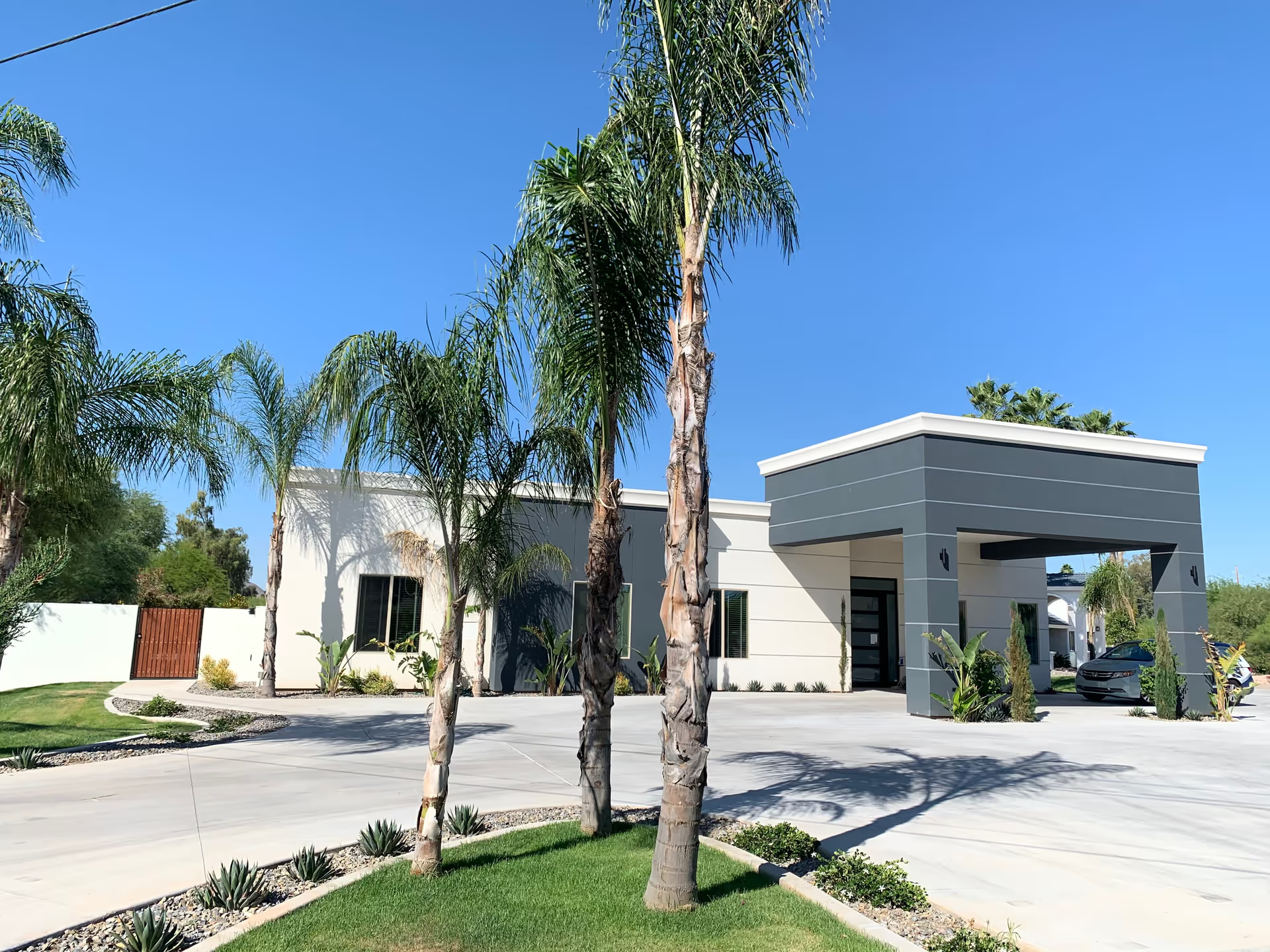
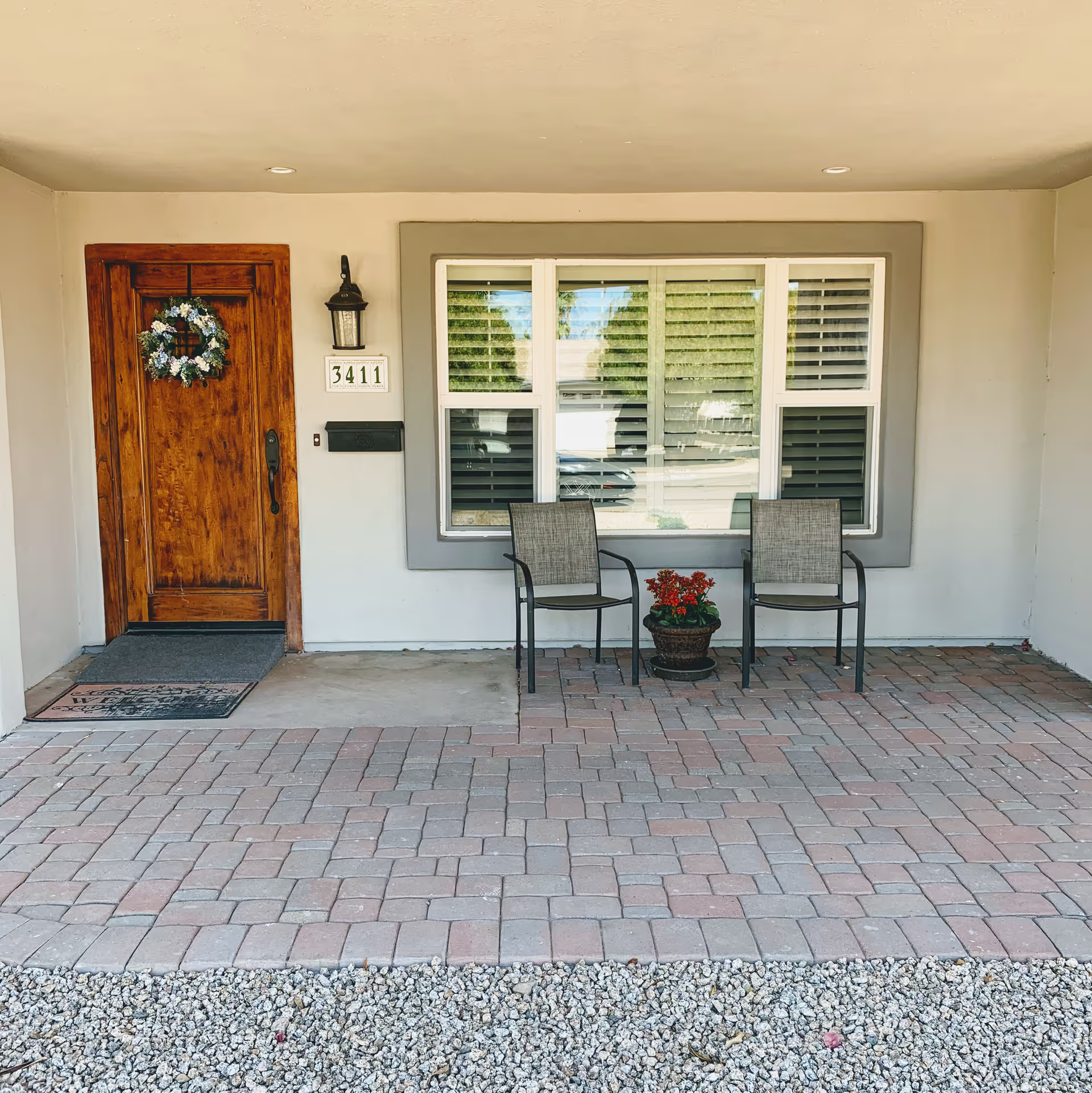
Brookdale Central Paradise Valley presents a mixed but informative profile. Many reviewers praise the community for its active social life, varied programming, and visible efforts to create a home-like environment. The campus offers multiple levels of care, on-site therapy and nursing services, frequent entertainment, and a broad activities calendar (water aerobics, Wii bowling, card games, outings and special events). Outdoor amenities, including a pool and koi pond, and apartment features such as balconies or patios are commonly cited as positive quality-of-life elements.
Staff interactions are a central strength for many residents and families: numerous comments describe warm, compassionate caregivers, engaged nurses and therapy staff, helpful front-desk personnel, and employees who know residents by name. Several reviewers specifically praised individual staff members and programs that fostered rapid social integration and ongoing family engagement. At the same time, staffing patterns are inconsistent across reports. There is a repeated theme of turnover, understaffing, and low morale in parts of the workforce; these staffing issues correlate with slower response times, longer waits for assistance, and variable conduct toward visitors and residents.
Dining and food service are noted both as a highlight and a weakness. Positive feedback emphasizes an active kitchen, flexible dining hours, accommodating meal options, and occasional personalized touches such as family recipes or private catering. Conversely, other reviewers describe declines in food quality, cold or poorly timed tray service, limited menu variety for certain diets, and inconsistency between dining areas and wings. Meal-service continuity and reliability appear to vary by time and unit.
Facility condition and maintenance show a similar split. The grounds, pool area, and some renovated apartments receive praise for cleanliness and pleasant design. However, the property is large and partly older, and multiple accounts cite recurring maintenance failures—air-conditioning outages, plumbing and water interruptions, heating problems, and the need for ongoing repairs. These infrastructure problems, along with parking and long-walk concerns in some building sections, can affect daily living and safety perceptions.
Clinical operations and management are areas families should review closely. Several reviewers describe effective nursing and rehabilitation that stabilized health and managed medications well; others report gaps in clinical monitoring, removed or inconsistent monitoring systems, missed medications, and limited supervision in higher-acuity situations. There are also a number of serious administrative complaints, including billing and invoicing disputes, aggressive collections activity, and isolated accounts of eviction or transfer handling that families characterized as poorly communicated. Management responsiveness is described as prompt and supportive by some, but as inconsistent or problematic by others.
Notable patterns: experience at this campus appears highly dependent on unit location, timing, and staffing levels. The large size of the facility creates variability in resident experience—some wings and teams are highly praised while others show operational weaknesses. Memory-care safety and elopement-control practices are specifically called out as areas needing direct inquiry. Prospective residents and families would benefit from targeted questions during a visit: current staffing ratios for the specific unit, recent maintenance and HVAC reliability records, medication-administration and monitoring procedures, housekeeping frequency, pest-control status, billing policies and dispute resolution, and memory-care safety protocols. A tour that includes the prospective apartment, dining at mealtime, and meetings with nursing and management staff will help determine how consistent the positive aspects are in the area you are considering.