Reviewers present a polarized but consistent picture across several operational areas. On clinical care, many families praise frontline caregivers — certified nursing assistants, nurses, and therapists — for being compassionate, attentive, and effective, particularly in short-term rehabilitation and restorative therapy (PT/OT). Multiple accounts highlight staff who provide individualized attention, successful strength and mobility outcomes, and family-focused communication that facilitates visits and remote contact. At the same time, other families describe lapses in clinical follow-through, including delays in assessment or escalation, and concerns about medication-management processes. These opposing impressions suggest variability in care experience that may depend on unit, shift, or staffing levels.
Staff and culture are a clear strength in some areas and a weakness in others. Activities staff and programming are frequently singled out as a major positive: scheduled events, arts and crafts, special-occasion support, and staff who actively engage residents are repeatedly noted. Therapy and rehabilitation staff also receive strong praise for practical recovery outcomes. Conversely, reviewers report inconsistent professionalism among some employees, occasional unhelpful or rude interactions (including security/front-line attitude issues), and perceptions of short staffing or insufficient nurse presence on the floor. This pattern points to uneven staff performance and the operational impact of turnover and staffing shortages.
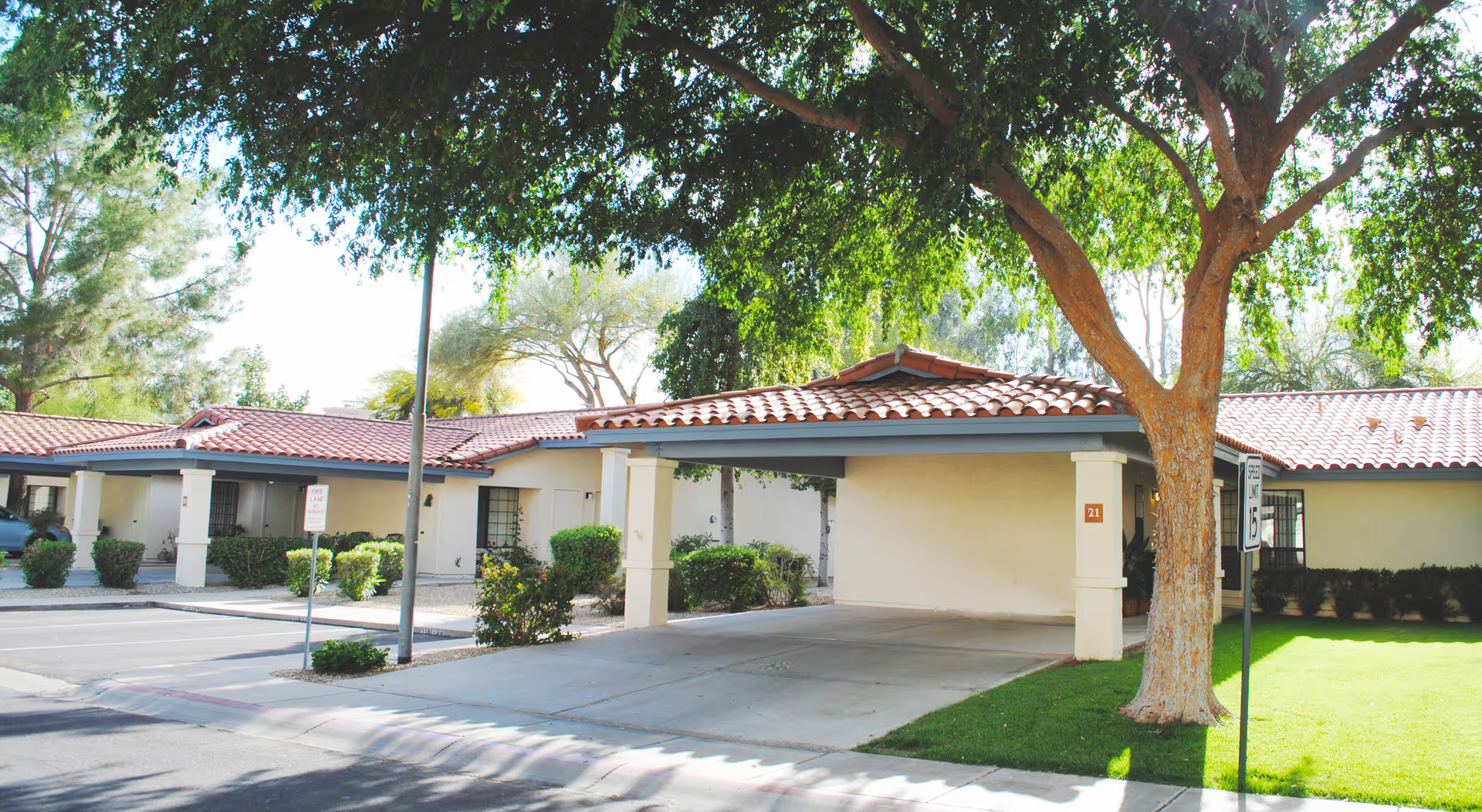
Facilities, dining, and amenities are generally viewed positively. The courtyard-centered layout, abundant natural light, well-kept grounds, and on-site dining venues are described as comfortable and pleasant. Common areas such as libraries, game and theatre rooms, and landscaped outdoor spaces are appreciated. However, room-level maintenance appears uneven: reviewers cite cosmetic issues (need for repainting), odor concerns linked to older plumbing, and variability in housekeeping within private rooms. Meal quality is noted as inconsistent — some families find dining convenient and efficient, while others find food unsatisfactory.
Management, administration, and compliance emerge as a mixed area with some significant concerns. Several families find administrators accessible and helpful, with effective scheduling and family support. Other accounts describe unwelcoming management, regulatory survey issues, and serious allegations around property handling and financial matters. There are mentions of misplaced personal items and concerns about property controls; in a few cases, more serious allegations were raised. These reports, together with cited regulatory violations, indicate potential weaknesses in oversight, property management, and administrative consistency.
Notable patterns: the facility elicits both strong endorsements and strong criticisms, indicating variability across time, staff groups, or units. Prospective residents and families should plan an in-person tour that includes mealtime observation, review of recent survey results and compliance history, direct questions about staffing ratios and turnover, clarification of property-handling procedures, and a review of the therapy and activities schedule. Asking for specific examples of clinical escalation protocols and property-inventory safeguards may help assess whether the facility’s strengths in frontline caregiving and programming are supported by consistent operational controls.