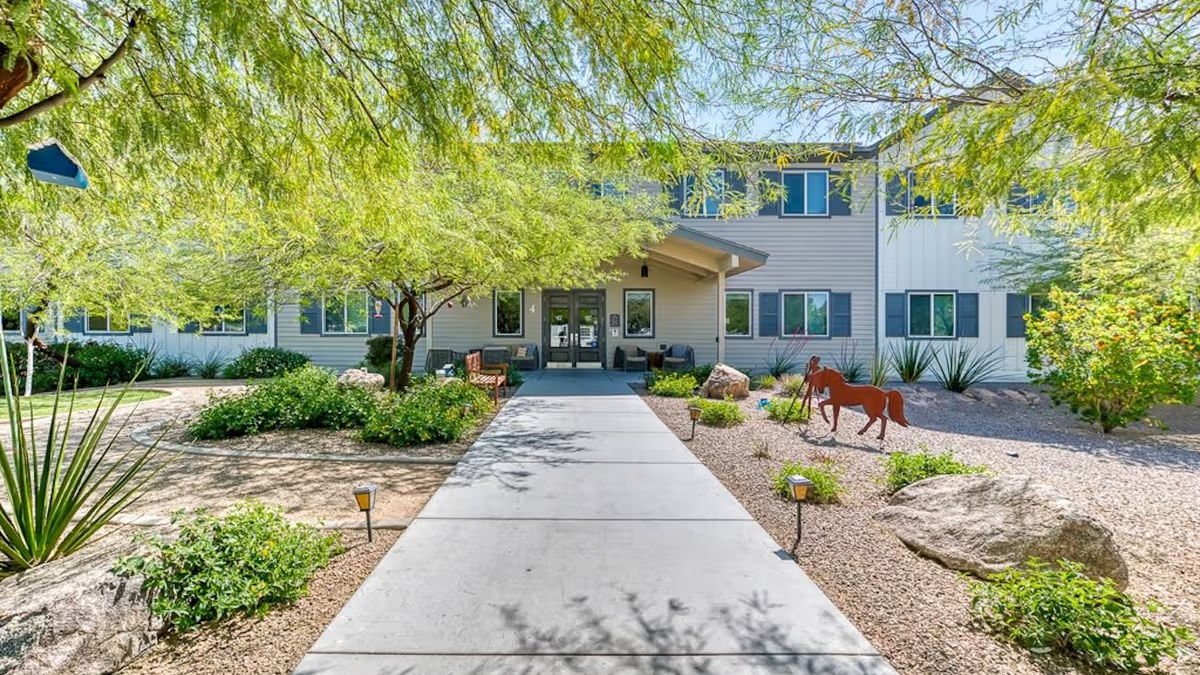
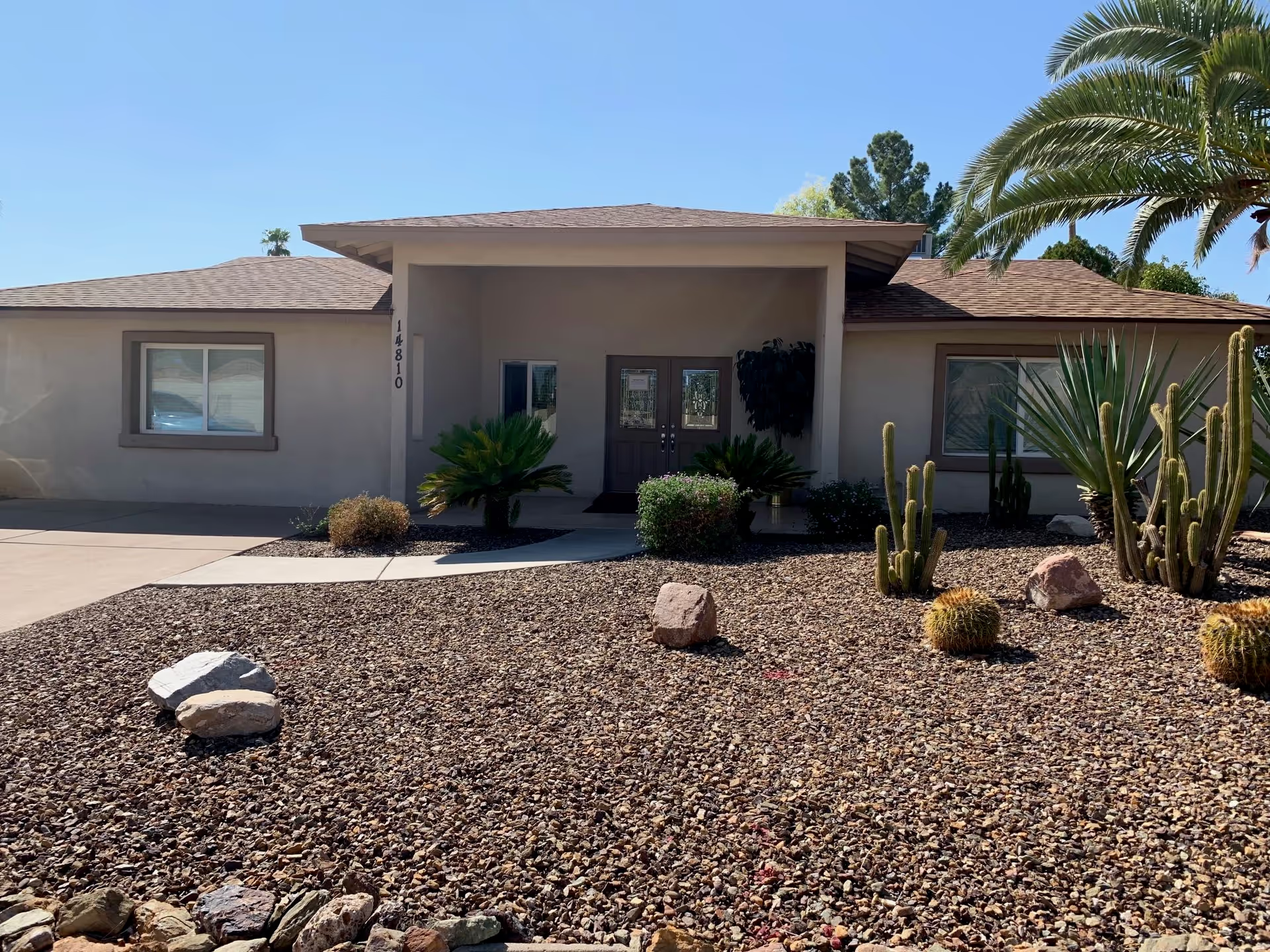
The reviews present a highly mixed picture of Life Care Center of Paradise Valley. A clear strength is the facility's rehabilitation resources: many families and former patients praised the physical and occupational therapy teams, wound-care nursing, and short-term rehab outcomes. Reviewers commonly noted individual staff members—especially certain CNAs, therapists, and wound nurses—for professional, compassionate, and effective care. The entry, some common spaces, and outdoor courtyard receive favorable comments and contribute to a welcoming first impression in many accounts.
Alongside those positives, there is a consistent pattern of operational concerns that affect day-to-day care. Understaffing and high caregiver-to-resident ratios are recurring themes; reviewers describe long waits for assistance, slow responses to call lights, and limited monitoring during night shifts. These staffing pressures appear linked to a number of clinical and logistical issues: inconsistent medication administration and documentation, delays in physician assessment or limited onsite physician coverage, and uneven follow-through on orders such as timely dressing changes or therapy schedules.
Dining and personal-care services show variability. The dining environment (a large, restaurant-style space) and some meals were appreciated, but many accounts describe repetitive menus, unappetizing preparations for modified diets, and limited snack availability due to staff time constraints. Personal-care concerns include irregular bathing schedules and delays in addressing continence needs; reviewers framed these as sanitation concerns and incontinence-care delays rather than isolated events.
Facility condition and maintenance are mixed by location and unit. The lobby and some downstairs areas are frequently described as clean and well-kept, while upper floors and select rooms are characterized as older, dark, or in need of repair. Several reviews raise sanitation and odor concerns in resident areas and note pest-control or cleanliness follow-up is needed in places.
Management and communication show wide variability. Some families experienced responsive admissions, helpful case managers, clear discharge planning, and coordinated care transitions; others report difficulty contacting case management, insurance-driven or abrupt discharges, billing disputes, and coordination failures for medical transport. There are also repeated concerns about staff conduct and communication tone, with reports of curt or unprofessional interactions and a perceived need for improved supervisory training and oversight.
Notable patterns across the reviews are polarity and inconsistency: many accounts describe exceptional, outcome-focused care (especially in rehab), while many others cite systemic operational weaknesses that can compromise resident comfort and safety. Prospective residents and families should weigh the facility's strong therapy and some exemplary staff against recurring issues in staffing levels, responsiveness, medication and clinical oversight, sanitation, and communication. Visiting in person, asking specific questions about staffing ratios for the intended unit and shift, verifying case-management accessibility, and seeking references about recent experiences in the particular unit of interest can help assess whether the facility’s current performance aligns with individual care needs and expectations.