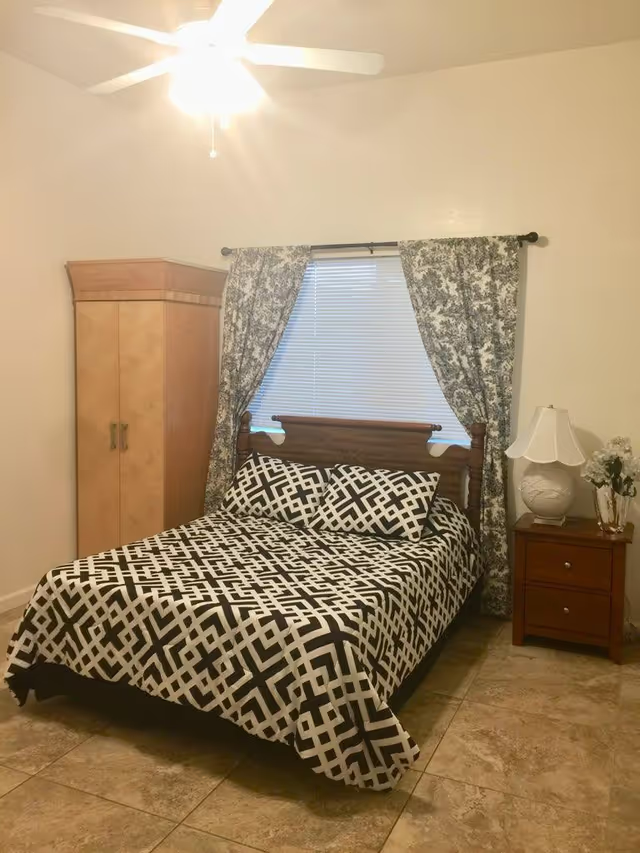
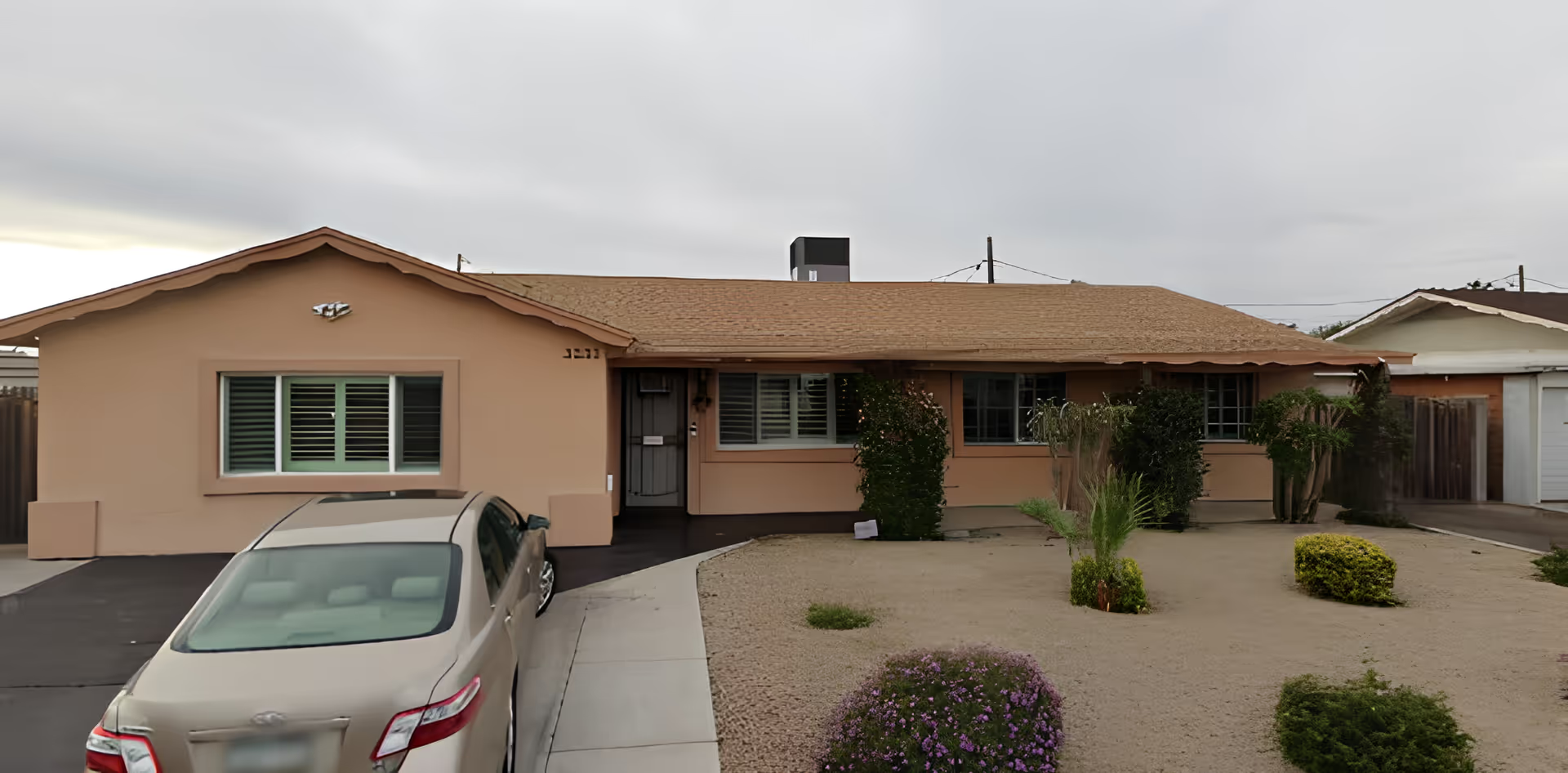
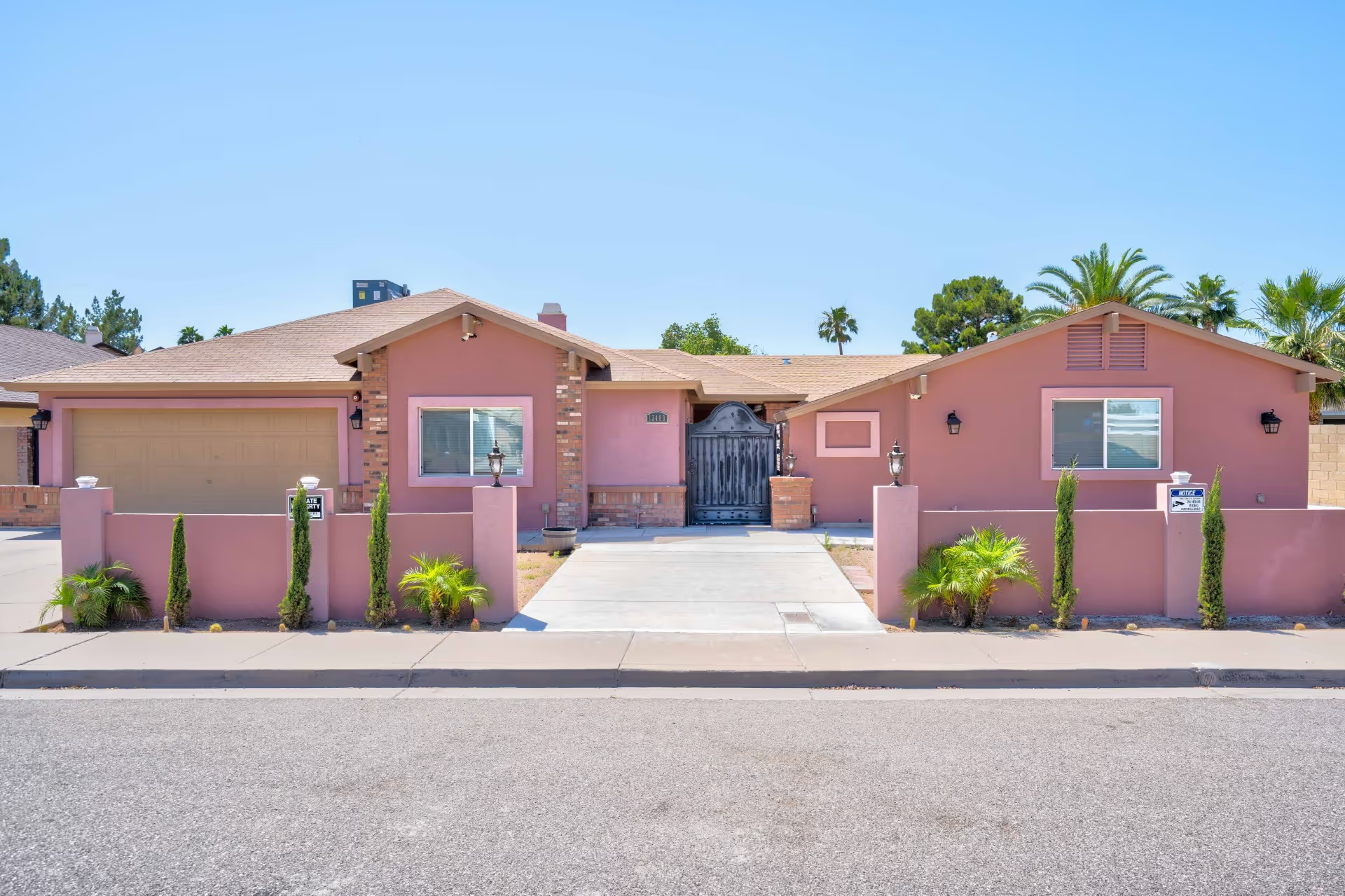
Overall impression: Reviews portray Magda's Family Home Care as a small, family-oriented residential option with a consistently high level of cleanliness, a bright, home-like atmosphere, and staff who present as warm and attentive. Many families emphasize an organized, comfortable environment where residents are treated with familiarity and compassion; reviewers consistently praise the home's maintenance, pleasant common areas, and small-scale setting.
Care and staff: Care delivery is consistently described as compassionate and attentive. Reviewers commend nursing and caregiving staff for patience, clinical knowledge, and coordinated work with hospice and a house doctor; medication handling practices such as lock-box storage are cited as safety measures. At the same time, a minority of accounts raise substantive concerns about the facility's medication-management philosophy—specifically the use of medications for behavioral control—and about unclear or inconsistent guidance from staff. These critiques appear less frequent than the positive accounts but are operationally important: prospective families should clarify medication and behavior-management policies during a visit.
Dining and activities: Dining is a repeatedly noted strength. Meals are described as homemade, varied, and appealing, with residents reportedly looking forward to mealtimes and able to request customized options. Social programming is active for a small facility: reviewers mention engagement efforts, routine activities, weekly church visitors, and encouragement to remain active. Physical comforts such as in-room televisions, a comfortable TV room with recliners, and an outdoor patio contribute to resident well-being.
Facilities and management: The facility is characterized as well-kept, bright, and home-like, with private-room options available at times and general praise for furnishings and property upkeep. Management is generally seen as responsive and communicative, helping families arrange medical follow-up and hospital coordination. Noted operational limitations include limited private-room availability and other capacity constraints, which led at least one family to seek alternate placement, and geographic distance that may be inconvenient for some relatives. There is an occasional tension between marketing/intake descriptions and individual family expectations about care approach; clear pre-admission conversations can help align expectations.
Notable patterns and guidance for families: The dominant pattern is positive—clean environment, engaged staff, good food, and effective coordination of clinical needs. However, isolated but specific concerns about communication clarity and the facility's medication-management approach recur enough to merit attention. Prospective residents and families would benefit from an in-person tour and targeted questions about medication and behavior-management policies, private-room waitlists or capacity, daily staffing levels, and the facility's family-notification procedures for clinical changes or hospital transfers. Those steps will help determine whether the home's family-style model and clinical practices match a given resident's needs and family expectations.