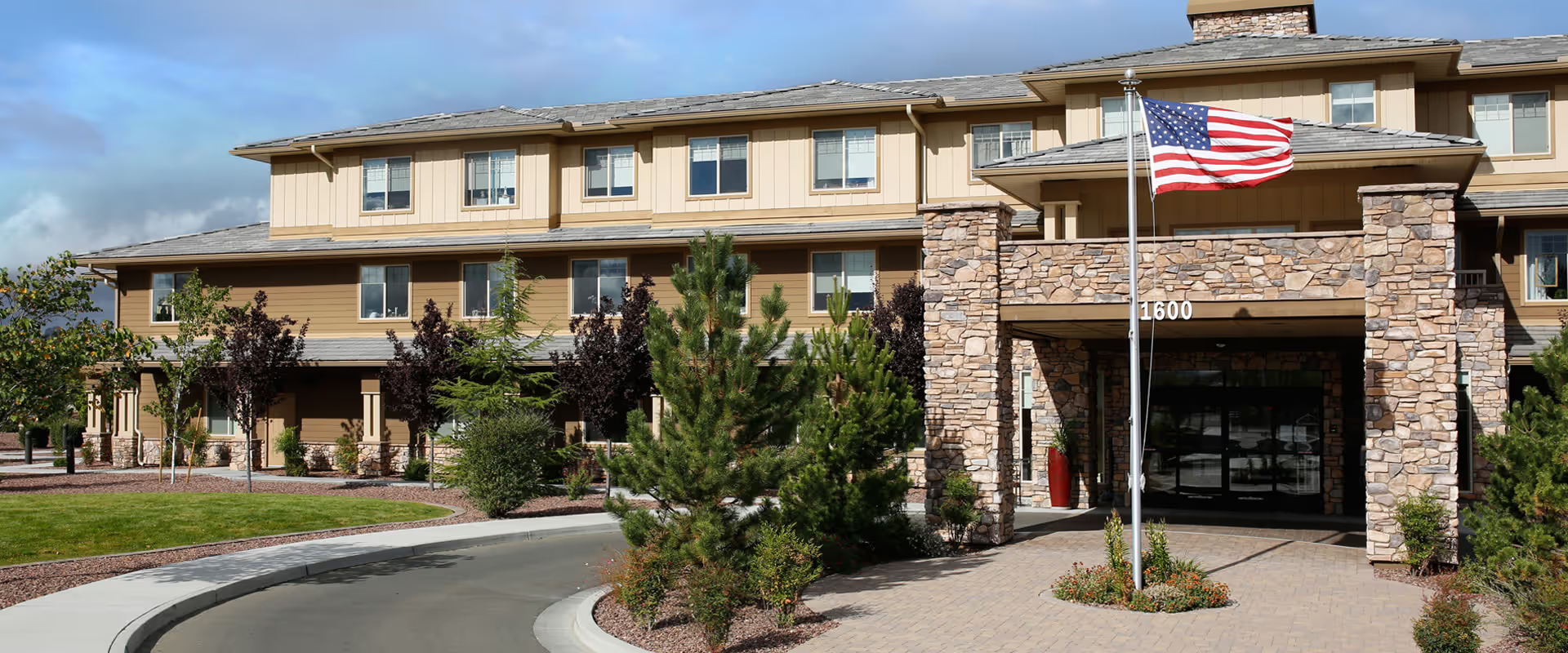
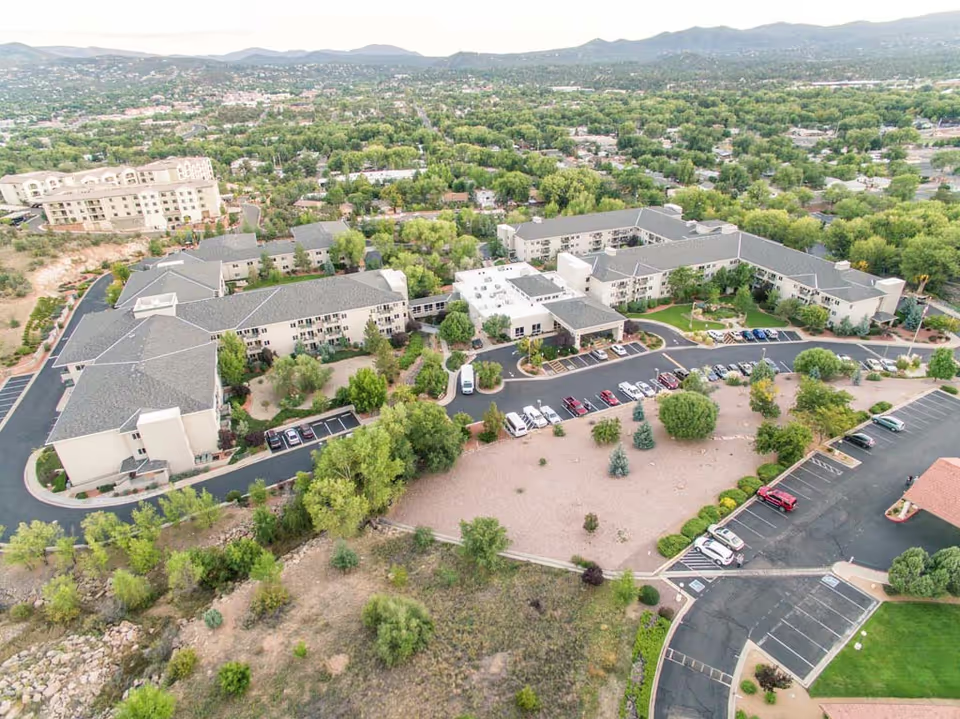
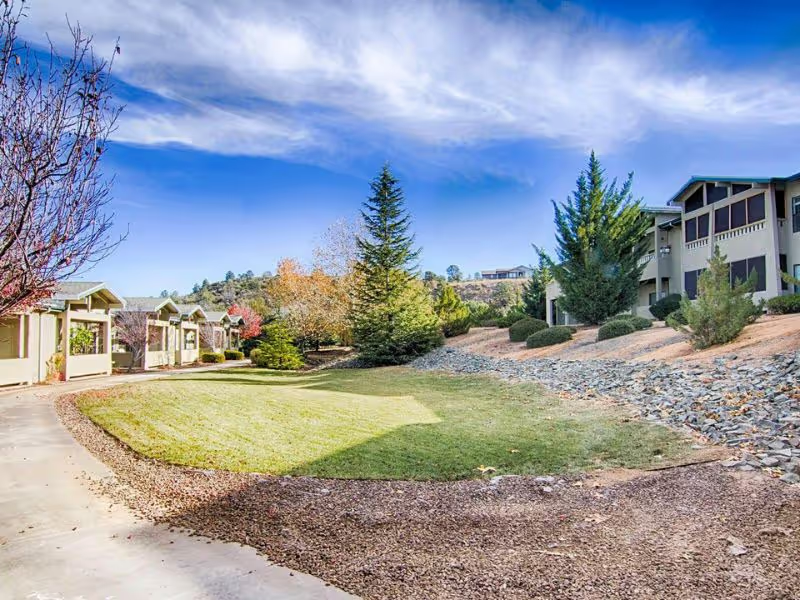
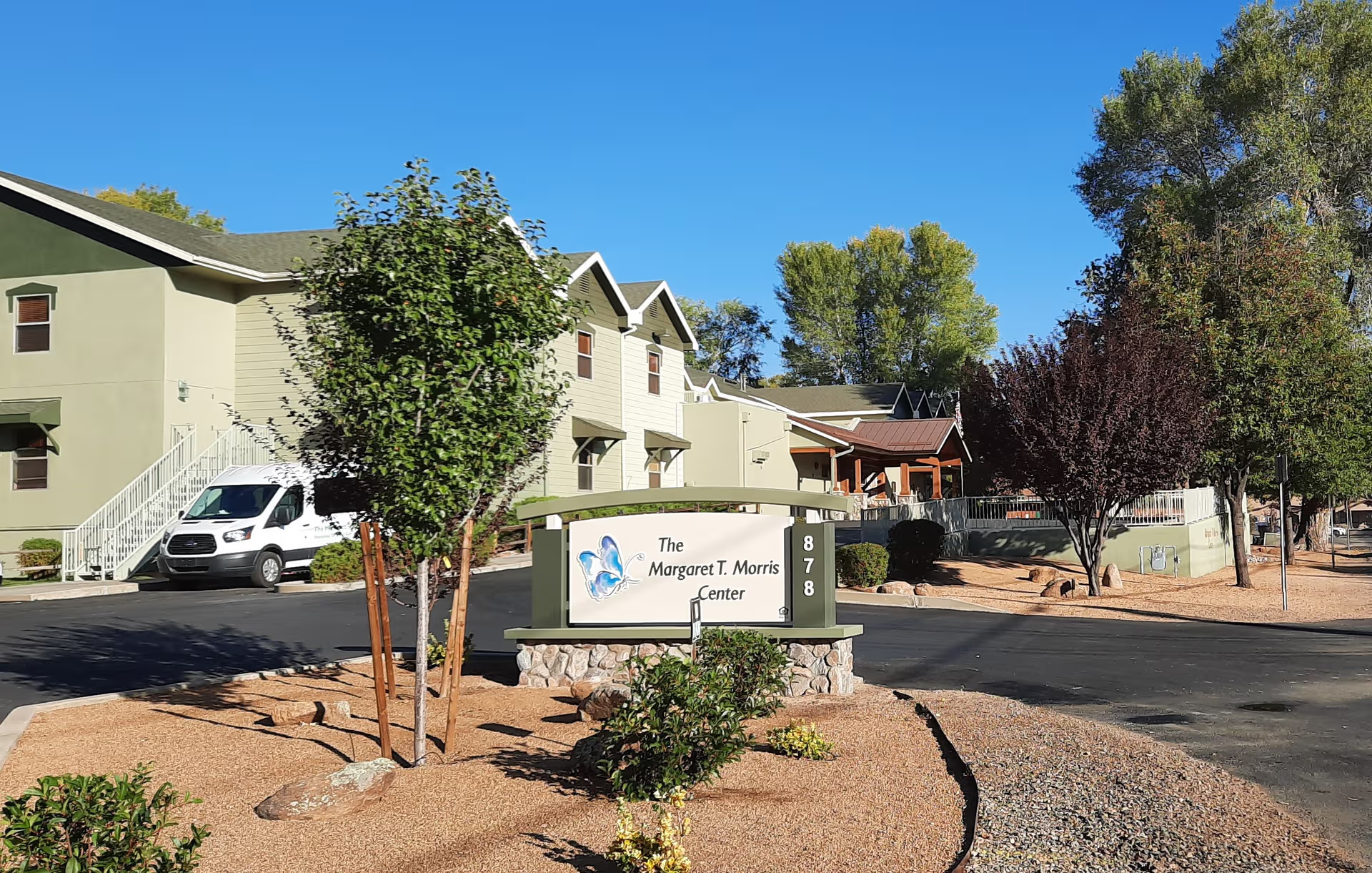
Granite Gate Senior Living is consistently described as a resort-like community with strong aesthetic and amenity strengths: attractive grounds, mountain and garden views, well-kept public spaces, and apartment layouts that often include balconies, kitchenettes, and bright natural light. Many families and residents emphasize the social environment — an active calendar of classes, live music, parties, escort-supported outings, and multiple opportunities for engagement — that supports an outgoing resident community. On-site therapy (PT/OT), library and workout facilities, and designated programming for conditions such as Parkinson’s disease are further positive operational features.
Staff and caregiving receive mixed but frequently positive commentary. Numerous accounts highlight friendly, compassionate caregivers, attentive front-desk employees, and nursing/medical staff who provide personalized attention and know residents by name. The memory-care program (Bridges to Rediscovery) and some named clinical staff are singled out for strong oversight and specialized activity programming. Admissions and relocation support, including coordination with families and external movers, is also a recurring strength.
Dining is a clear focal point for many reviewers. The community offers scratch-made, restaurant-style meals with an on-site chef and baker, varied menus, and private-dining options. When functioning well, dining is described as creative and high quality, with accommodations for special meals and seconds available. However, dining service consistency is uneven: reviewers describe meal delays, cold plates, long breakfast waits at times, occasional small portions for older appetites, and intermittent stock-outs. Dietary-request follow-through is variable; prospective residents should clarify how individualized meal plans and special diet needs are handled.
Facility and operations show a combination of modernized, renovated areas alongside segments described as older or in need of repair. Common areas and many apartments are noted as clean and well-maintained, but other comments reference maintenance slowdowns, infrastructure issues (including spotty cable/internet), small elevators and layout complexity that can challenge mobility, and variability in apartment renovation status. Transportation services and drivers for medical appointments are generally praised.
The primary operational concerns center on consistency of clinical and administrative practices. There are recurrent themes indicating inconsistent medication management, delayed responses to calls for assistance, and variability in staff training or experience levels. Staffing instability and turnover are mentioned as contributors to care inconsistency. Separately, a subset of reviews raises serious administrative and financial concerns, including allegations of mishandling and formal complaints; those items represent significant red flags that warrant direct, documented inquiry during any evaluation.
In summary, Granite Gate presents a strong amenity package, active social life, and many examples of engaged, compassionate staff and quality dining when systems function as intended. At the same time, families and prospective residents should investigate operational consistency: verify medication-administration protocols, staffing ratios and turnover trends, kitchen infection-control and meal-service processes, maintenance response times, pricing transparency for memory-care units, and leadership tenure. A focused tour that includes observing a meal service, meeting nursing leadership, reviewing care plans and incident-response procedures, and asking for documentation related to financial complaints will help families weigh the community’s clear strengths against the operational variability described by others.