Overall assessment Countryside Living - Assisted Living & Memory Care is described predominantly as a well-maintained, attractively designed small community with a strong emphasis on person-centered caregiving. Families and visitors frequently highlight compassionate, attentive staff and skilled nursing oversight; reviewers commonly attribute good clinical coordination and rapid responsiveness to named care-team members. The community is also noted for hospice-friendly practices and compassionate end-of-life support, which families described as supportive during difficult transitions.
Care and staff A consistent theme is the quality of direct care: reviewers describe staff as kind, engaged, and emotionally supportive, creating a family-like atmosphere. Clinical coordination and follow-up communications are generally portrayed as timely and clear, and many families praised the facility for effective collaboration with outside providers and hospice. At the same time, there are recurring operational concerns that prospective families should probe: some reviewers noted inconsistent staffing patterns and staff turnover, and a subset raised substantive concerns about documentation practices and inventory controls for rented medical equipment. There are also mentions of difficulties in how complaints or disputes are handled; these comments suggest families should ask about the facility’s incident documentation, equipment-management procedures, and grievance-resolution process when evaluating placement.
Dining and activities Dining quality is frequently cited as a strength—food is described as tasty with a reasonable variety and available snacks. However, the facility’s dining protocols have limits that may matter to prospective residents: assigned seating and restrictions on choosing dinner partners were specifically called out. The activities program is a clear selling point for many reviewers, with a wide array of offerings (crafts, music, games, puppy visits, piano concerts, and unique features like equine therapy and farm-animal interaction). That said, some families perceived variability in activity quality or felt programming was not always tailored for differing cognitive needs (notably when assisted-living and memory-care residents participate together). Outings are offered, but frequency and access to off-site transportation were described as limited by some reviewers.
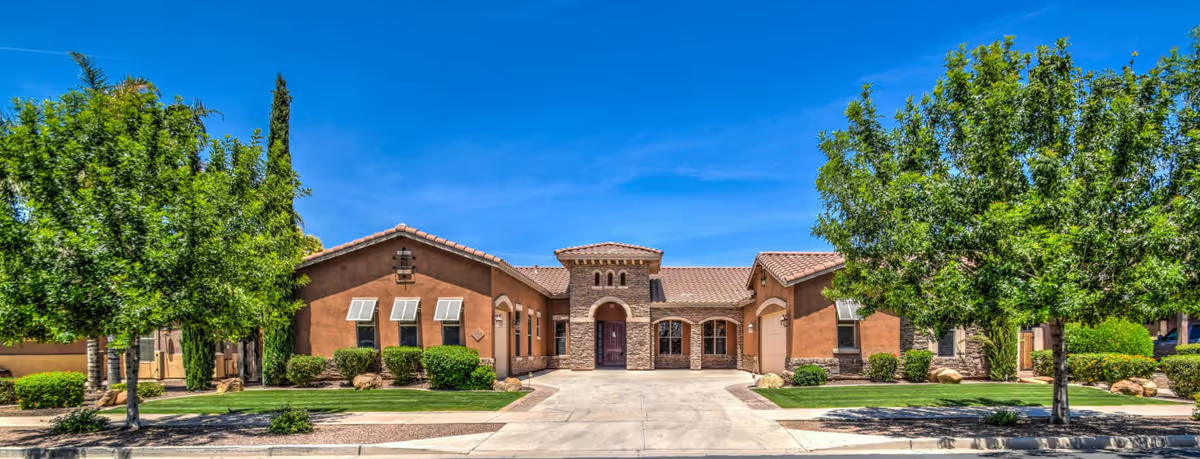
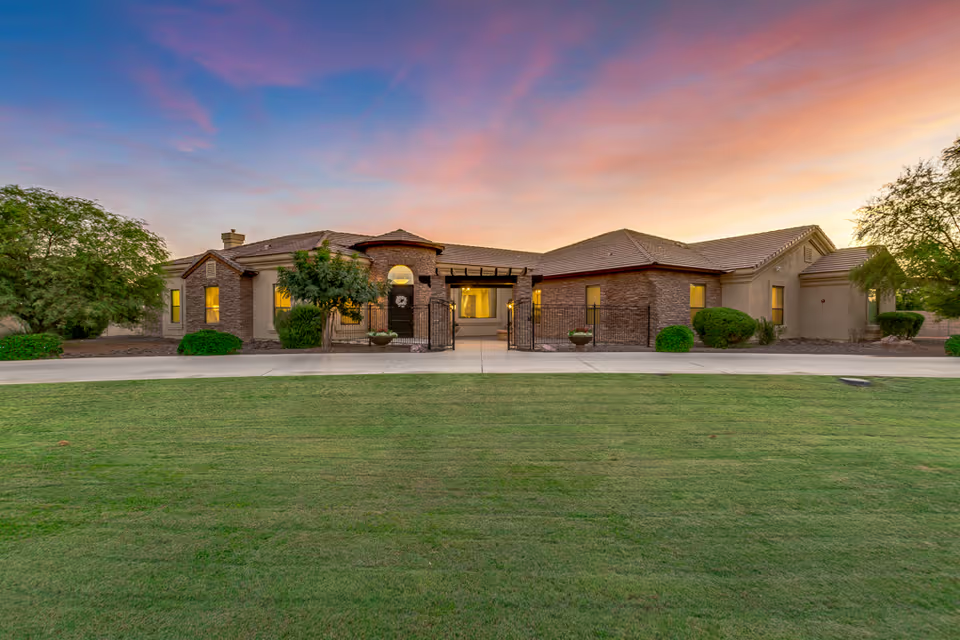
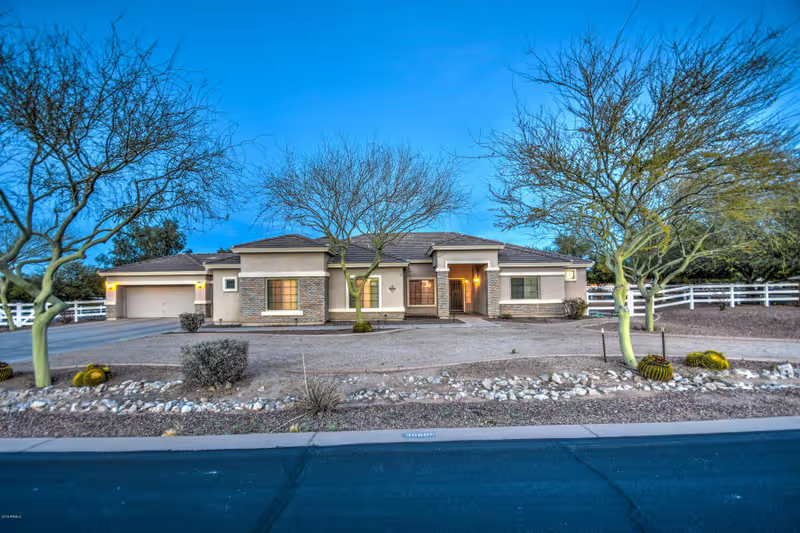
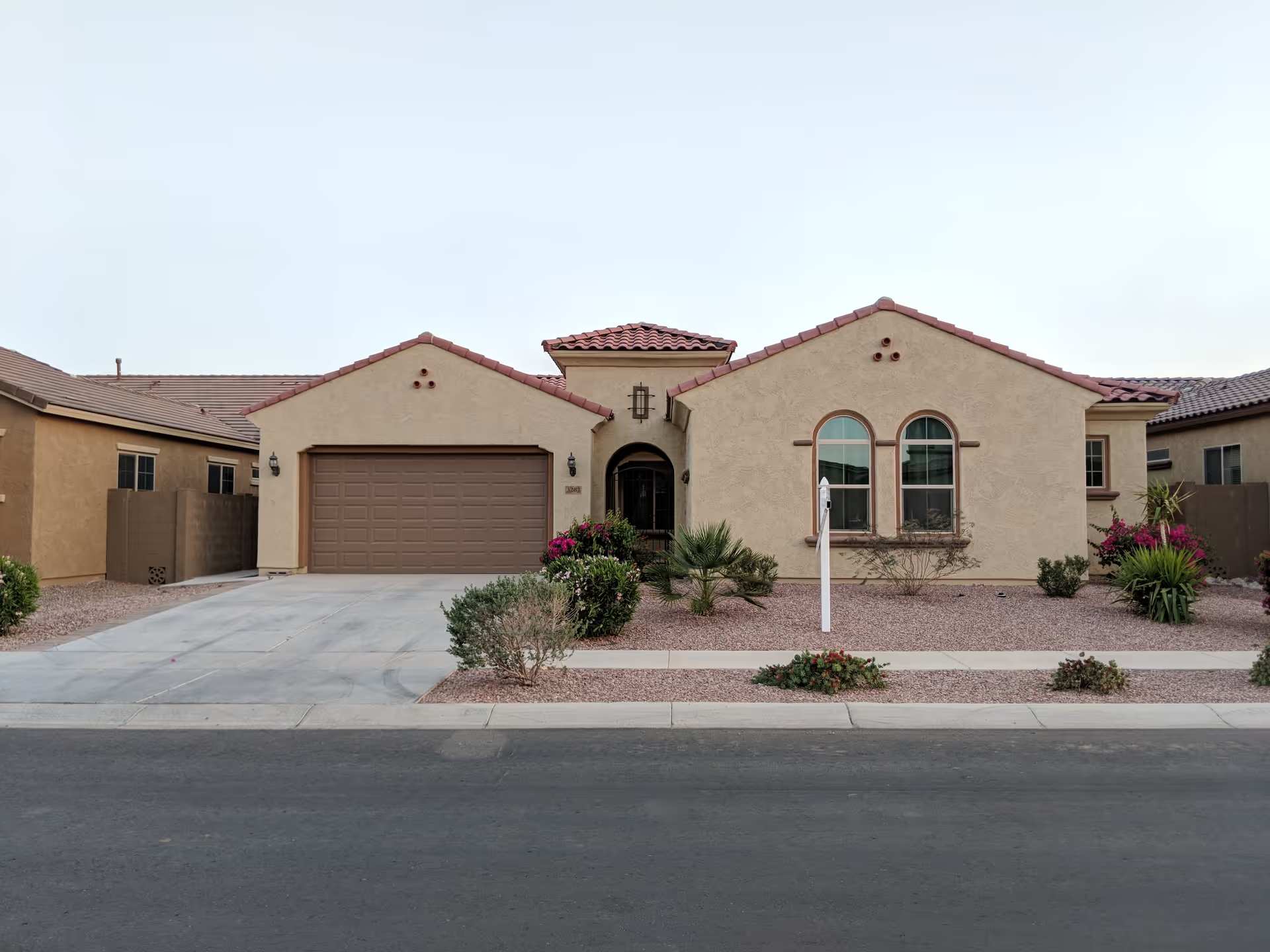
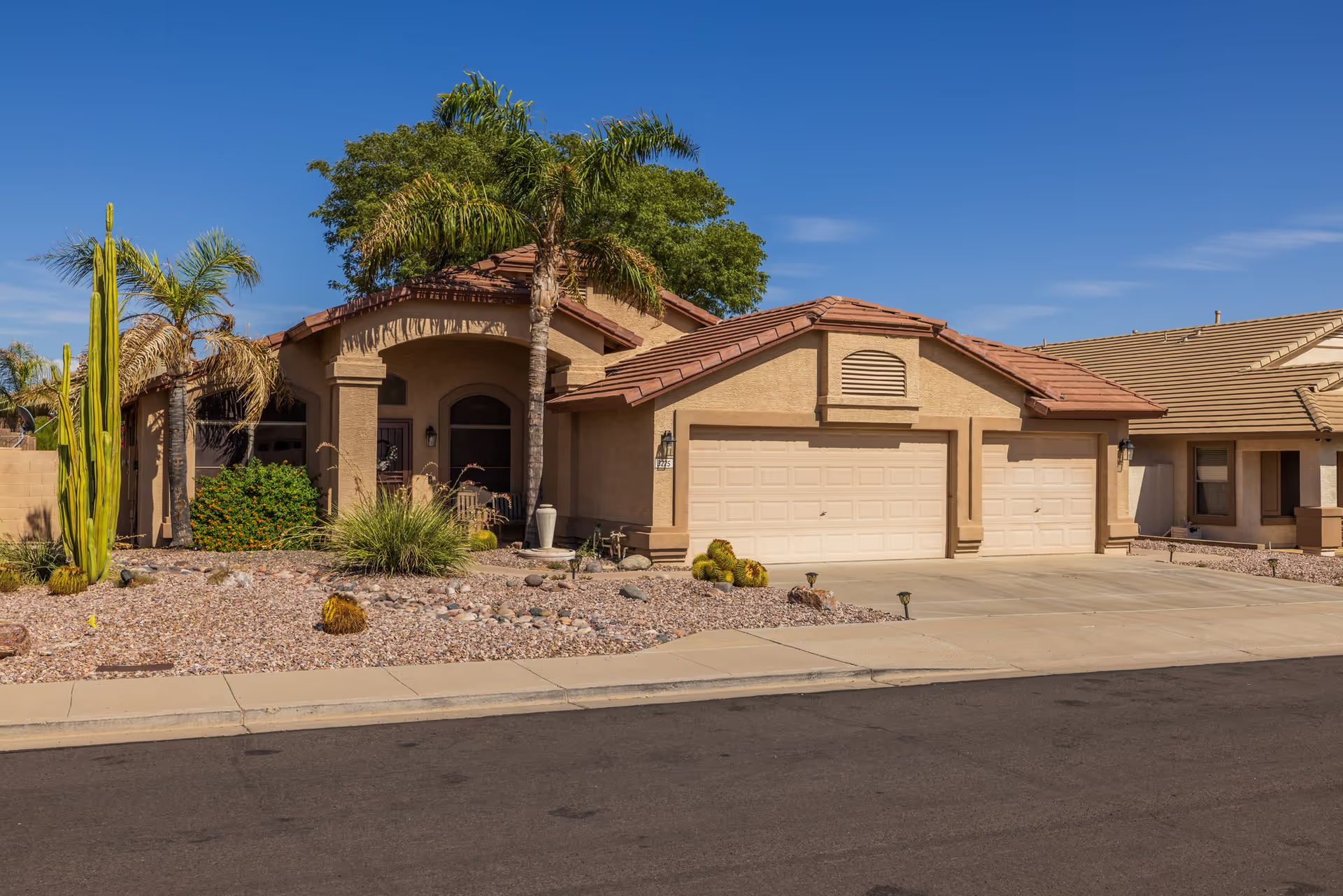
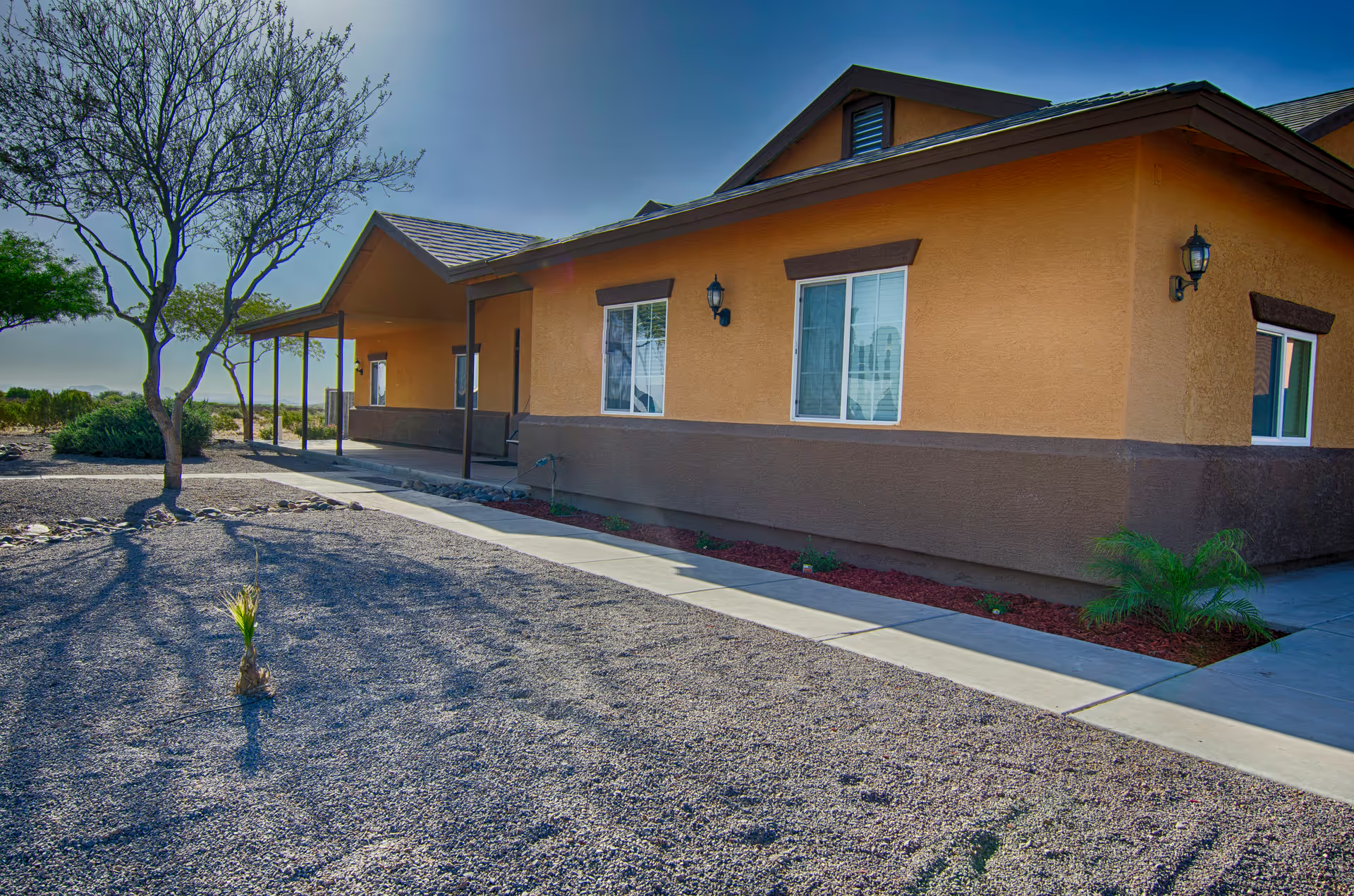
Facilities, amenities, and atmosphere The physical plant is consistently praised: clean, up-to-date finishes, attractive landscaping, and spaces that feel domestic rather than institutional. Amenities such as an on-site salon, courtyard, dining room, and laundry are highlighted. Private apartments are available and contribute to the small-community, home-like feel; prospective residents should note that some units were described as modest in size. Electronic billing and prompt staff communication by phone or text are additional operational conveniences families appreciated.
Management and notable patterns Management receives mixed but generally positive feedback for accessible communication, timely follow-up, and a visible leadership presence that families find reassuring. Conversely, isolated but significant allegations about missing documentation and equipment mishandling were raised; prospective families may wish to request evidence of incident logs, ask about inventory and security procedures for medical equipment, and inquire how the community addresses family concerns and grievances. Pricing was described by some as above average, so cost and contract terms are appropriate topics to clarify during a tour.
Recommendation In sum, the community’s strongest attributes are its compassionate caregiving culture, engaging activities (including therapeutic animal programs), clean and attractive environment, and hospice-capable care. Prospective residents and their families should balance those strengths against operational questions documented here—staffing consistency, incident documentation and equipment controls, dining-seat policies, activity tailoring for memory care, and outing frequency. A thorough in-person visit with focused questions about staffing ratios, incident reporting procedures, equipment inventory practices, grievance protocols, and sample activity calendars will help confirm whether the community’s strengths align with an individual resident’s needs.