Overview: The reviews indicate a facility with clear strengths in basic clinical care and a variable experience in other areas. Several families describe meaningful clinical improvements — for example, resolved pressure injuries and overall quality-of-life gains — and they highlight responsive management when problems arise. At the same time, feedback shows variability in dining, daily engagement, communication clarity, and some aspects of room-level conditions.
Care quality: Clinical care is frequently described as effective, with specific accounts of wound-care resolution and attentive personal care. Family members noted caregivers who were caring and attentive, and some reported marked improvements in residents' daily well‑being after placement. These accounts suggest competence in routine clinical and personal-care tasks.
Staff and communication: Staff are generally characterized as pleasant and engaged. However, communication clarity is a recurring operational issue; language and accent-related barriers make staff–family communication difficult for some visitors. This can affect how families perceive responsiveness and how well care plans and day-to-day needs are conveyed.
Dining and activities: Comments about dining are mixed. Some families appreciate home-style meals, while others express concerns about the consistency of meal quality and the nutritional content. Activity offerings appear uneven: a few residents benefited from creative opportunities (for example, drawing), yet other accounts describe limited organized programming and minimal ongoing social interaction for some residents. This suggests variability in how activity resources are deployed across the facility or different resident engagement levels.
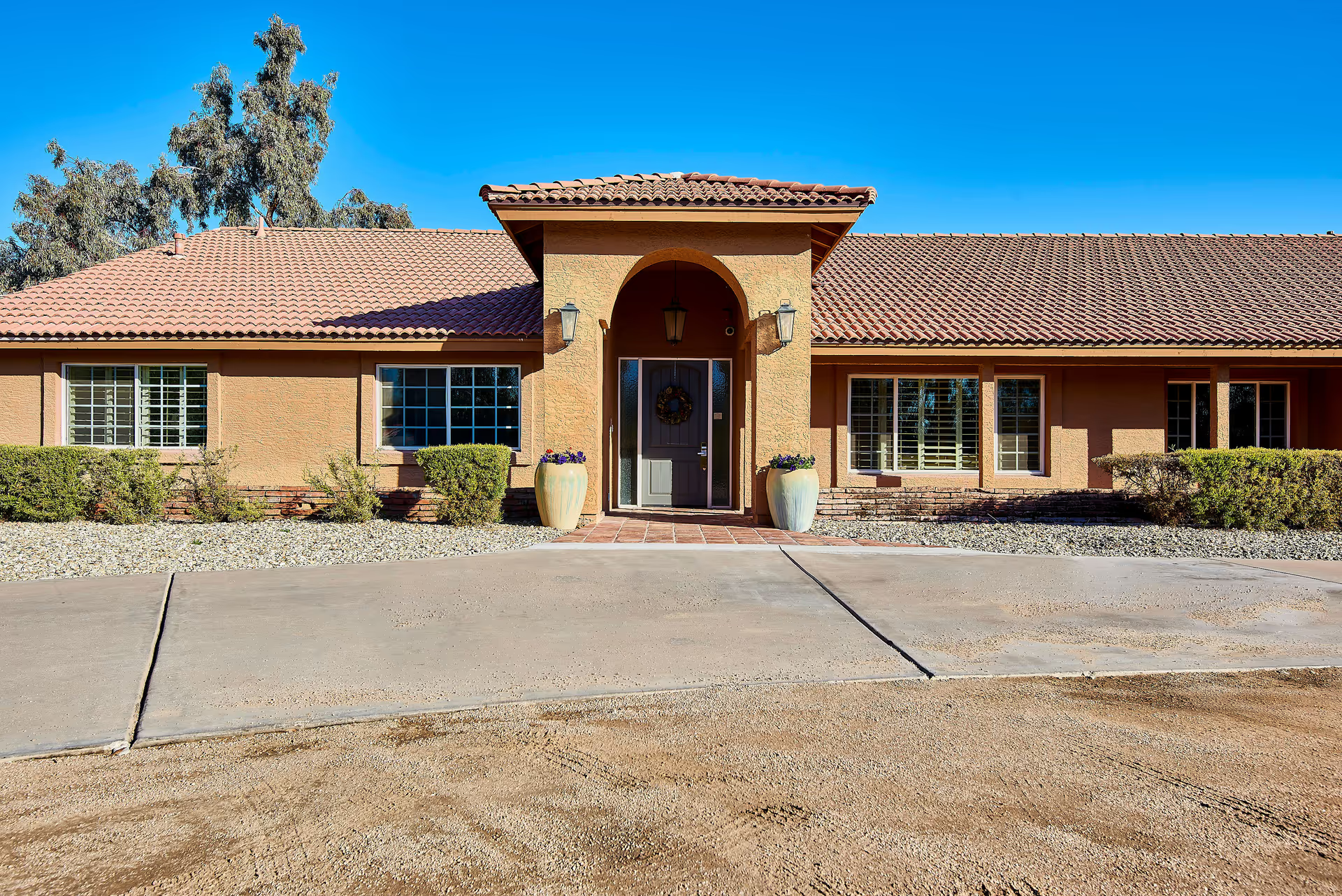
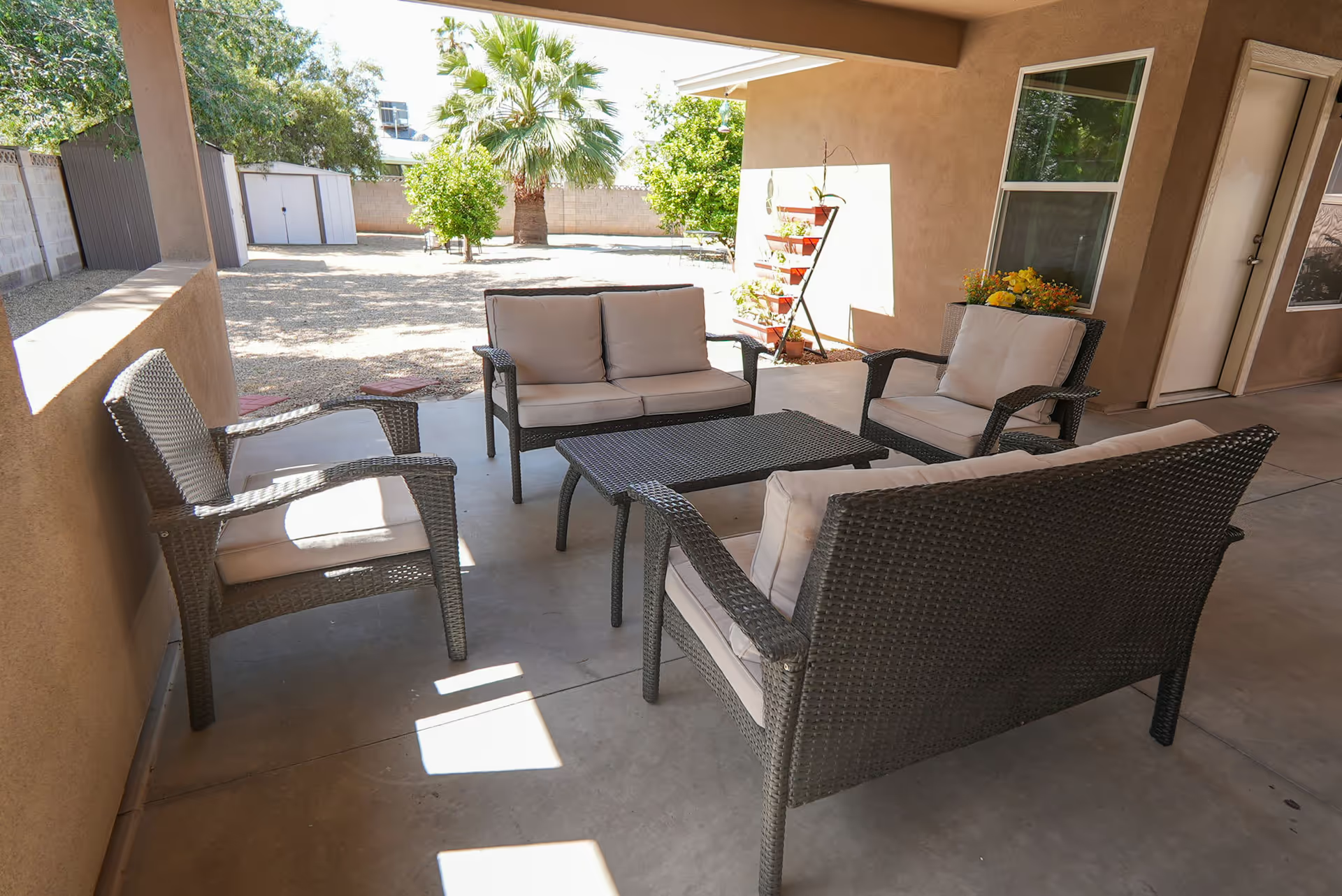
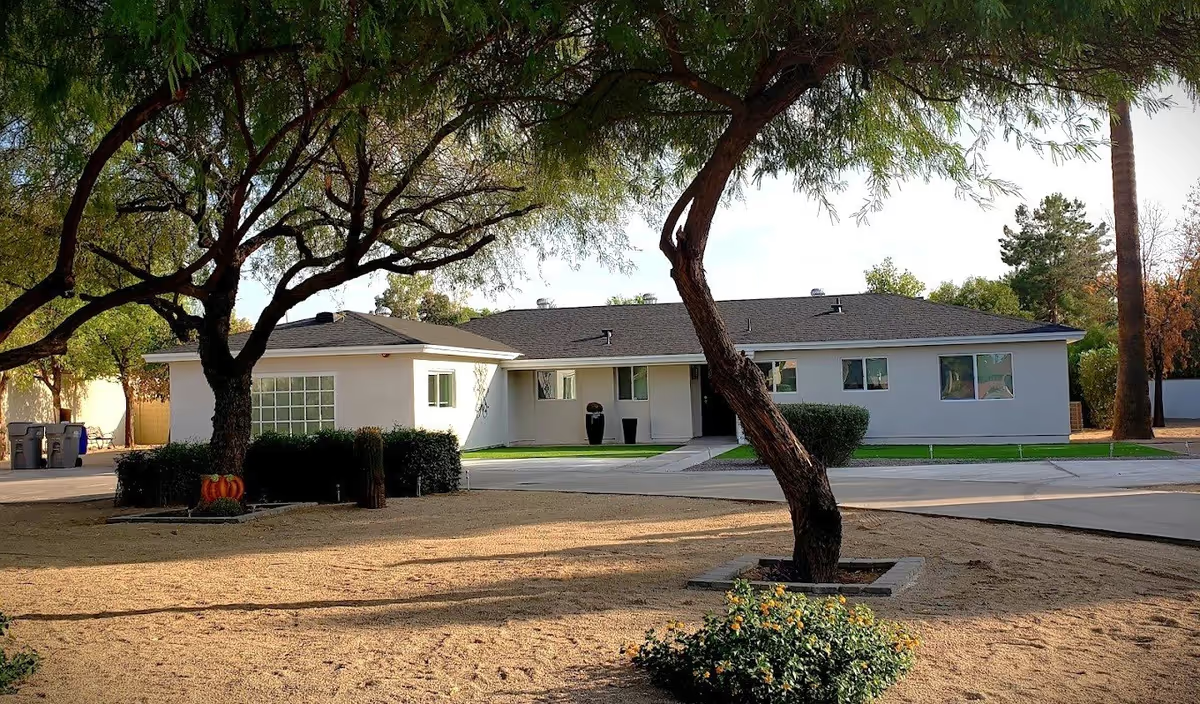
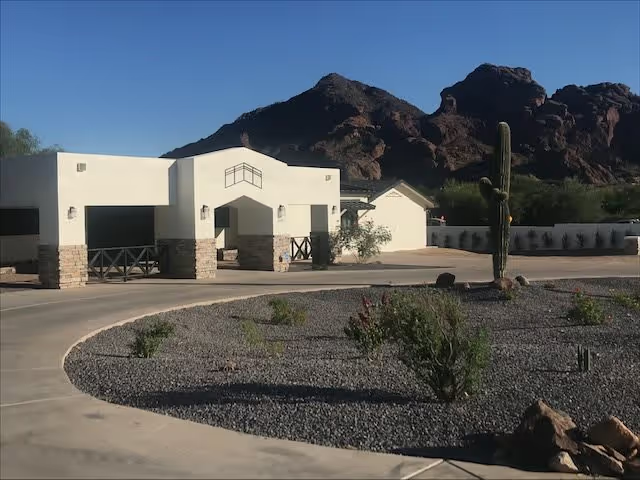
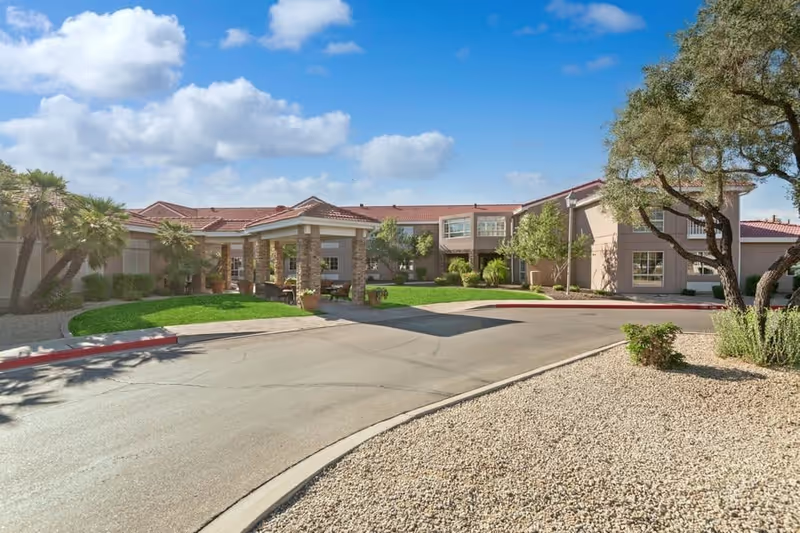
Facilities and environment: Common areas are frequently described as clean and well-maintained, and some families noted a generally pleasant, quiet atmosphere. Conversely, there are isolated odor concerns reported in certain shared rooms and observations about mismatched or dated furnishings in some areas. Shared-room configurations also create potential privacy and roommate-management challenges that families should evaluate in person.
Management and notable patterns: Management responsiveness is a commonly cited strength; at least one family described prompt resolution of a visiting-room conflict, which indicates active problem-solving and a willingness to intervene. The overall picture is somewhat polarized: some families strongly recommend the facility and refer others, while others identify operational gaps that matter to day-to-day experience. Prospective residents and families would benefit from an in-person tour at different times of day, review of sample menus and activity schedules, clarification about roommate policies and odor-control procedures, and a discussion of communication strategies to address language or comprehension issues.