Overall impression: Reviews of the facility are mixed, with clear strengths in basic amenities and some aspects of direct care alongside repeated operational concerns. Positive comments emphasize attentive, friendly caregiving, a well-maintained building with private rooms and baths, and hands-on assistance with grooming and appearance. At the same time, multiple accounts indicate persistent care-process issues that merit careful inquiry by prospective families.
Care quality: Positive observations include active monitoring of eating and assistance with personal care tasks, and a site manager who is personally involved in resident grooming. However, several reviewers described care-process gaps that suggest inconsistent implementation of clinical supports: specifically, inconsistent repositioning and pressure-relief practices that increase risk to skin integrity, uneven provision of fluids, and broader medication-management concerns. These items point to variability in how clinical routines are executed rather than a uniform standard of care.
Staff and management: Staff interactions are described in divergent terms. Many reviewers characterize staff as friendly and helpful, while others report abrupt or unprofessional communication and an unsatisfactory tone from leadership. The combination of a hands-on site manager and reported concerns about owner or managerial demeanor suggests uneven leadership presence and inconsistent responsiveness to family concerns.
Dining and hydration: There are positive notes about monitoring of food intake and mealtime assistance, which can support resident nutrition. At the same time, reports indicate inconsistent hydration support, which can affect overall wellbeing. Prospective families should ask about documented mealtime monitoring procedures, staff responsibilities for offering fluids between meals, and how changes in intake are communicated to families and clinicians.
Activities and social engagement: Some reviewers describe an active resident community and satisfactory social interaction. Others observe limited engagement or insufficient activity programming for certain residents. This indicates variability in how activity programs are delivered or in how they meet the needs of individuals; asking for a sample weekly activity calendar and recent participation records may clarify fit for a given resident.
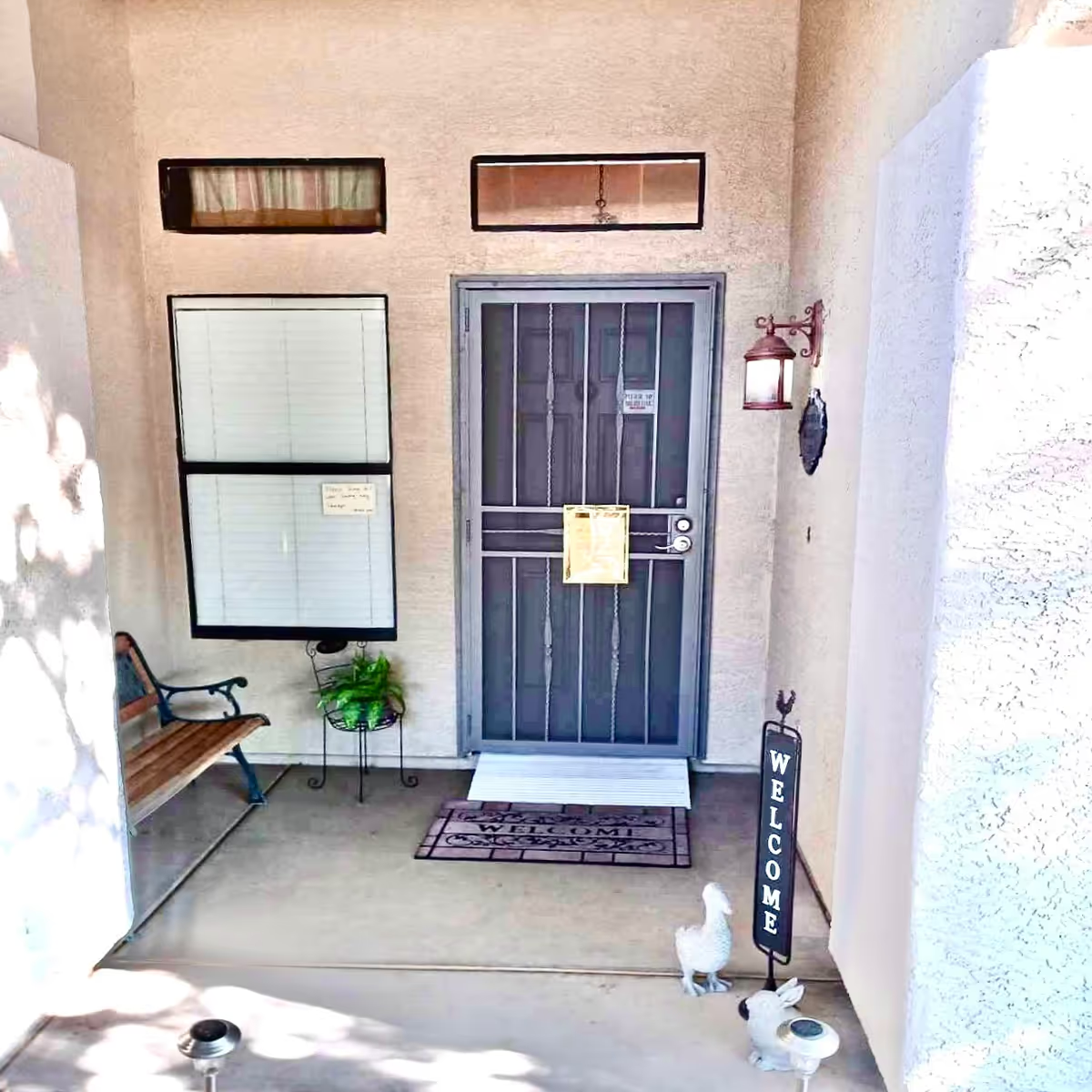
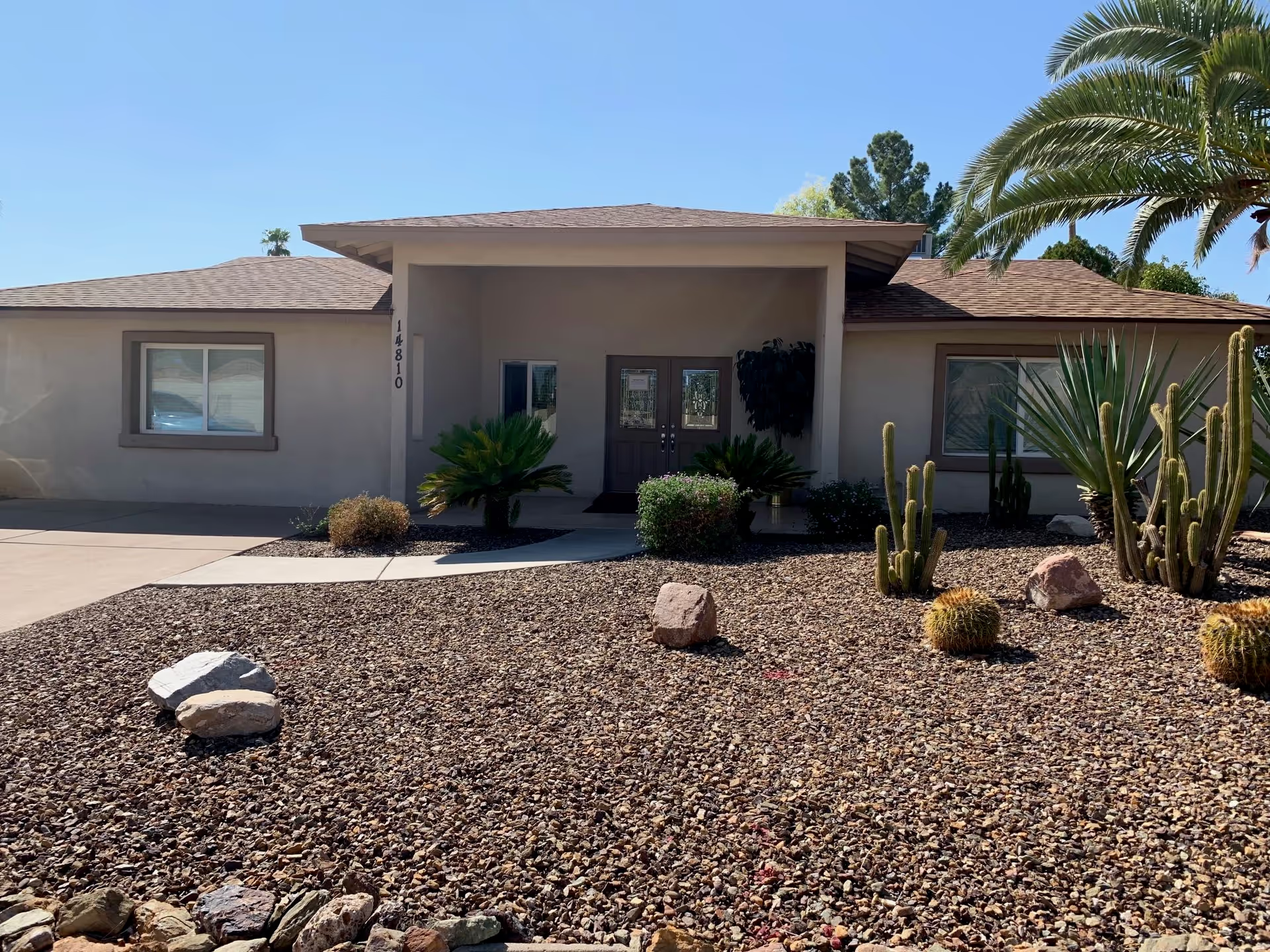
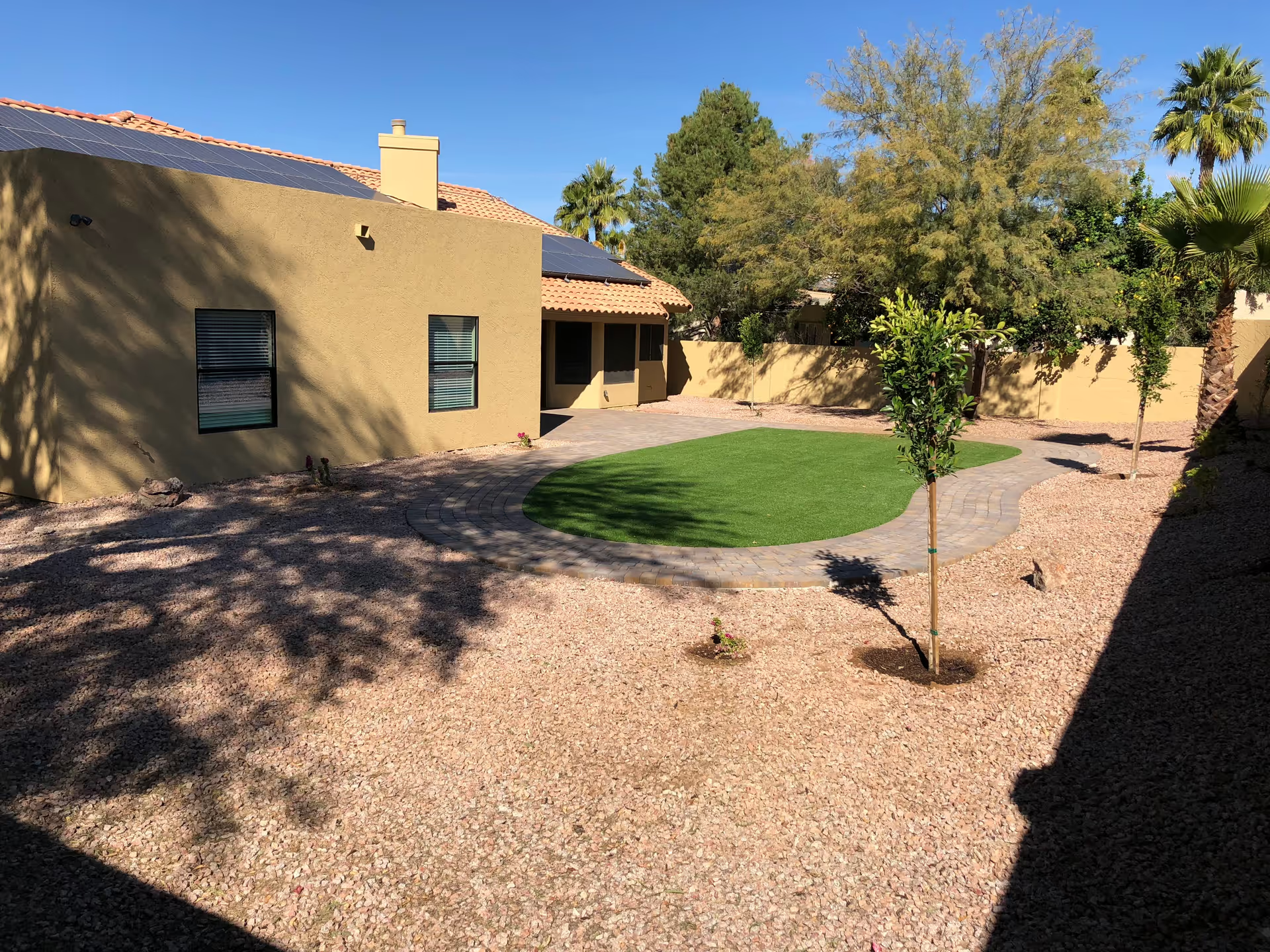
Facilities and sanitation: The facility is repeatedly noted as well kept, with private rooms and baths and a convenient location. Alongside these positives, there are sanitation-related concerns expressed in certain areas, including odor-control and incontinence-care practices. These are operational issues tied to daily housekeeping and care routines rather than structural deficiencies, but they are important to assess during a tour.
Notable patterns and recommendation: The narrative across reviews is polarized — families describe both meaningful, personalized attention and notable operational lapses. For prospective residents and families, recommended steps include an in-person tour during a mealtime and an activity period; direct questions about repositioning schedules and pressure-relief protocols; review of medication-management procedures and staff training; clarification of hydration and incontinence-care routines; and discussion of leadership availability and communication processes for raising concerns. These targeted inquiries will help determine whether the facility’s strengths align with a prospective resident’s clinical and social needs.