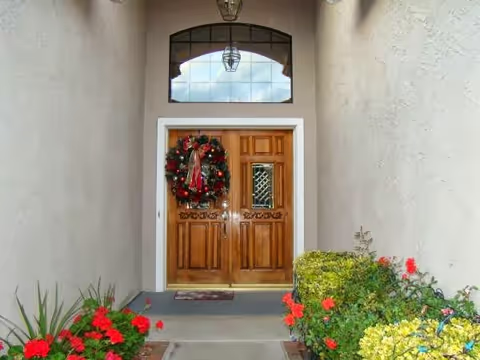
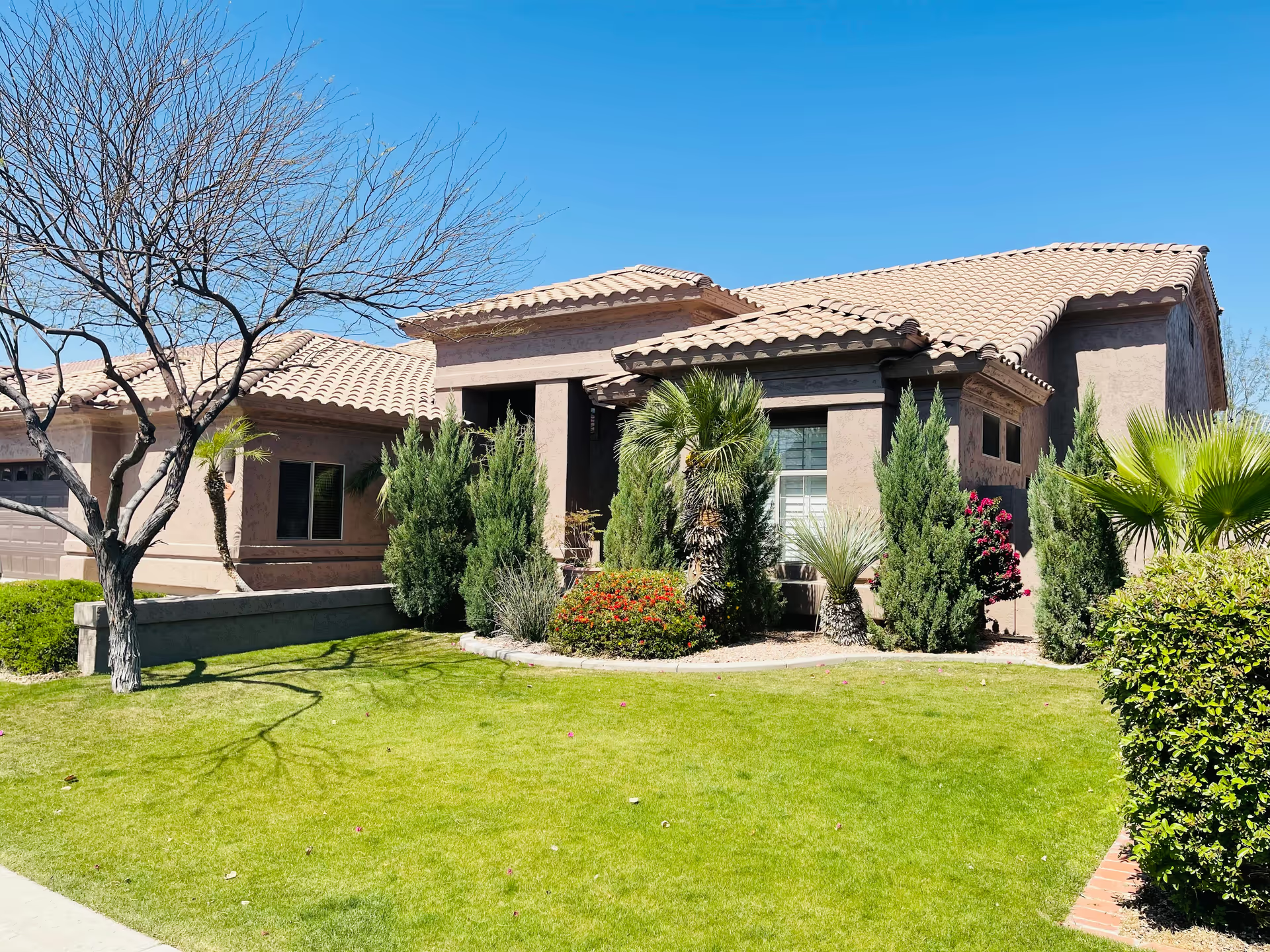
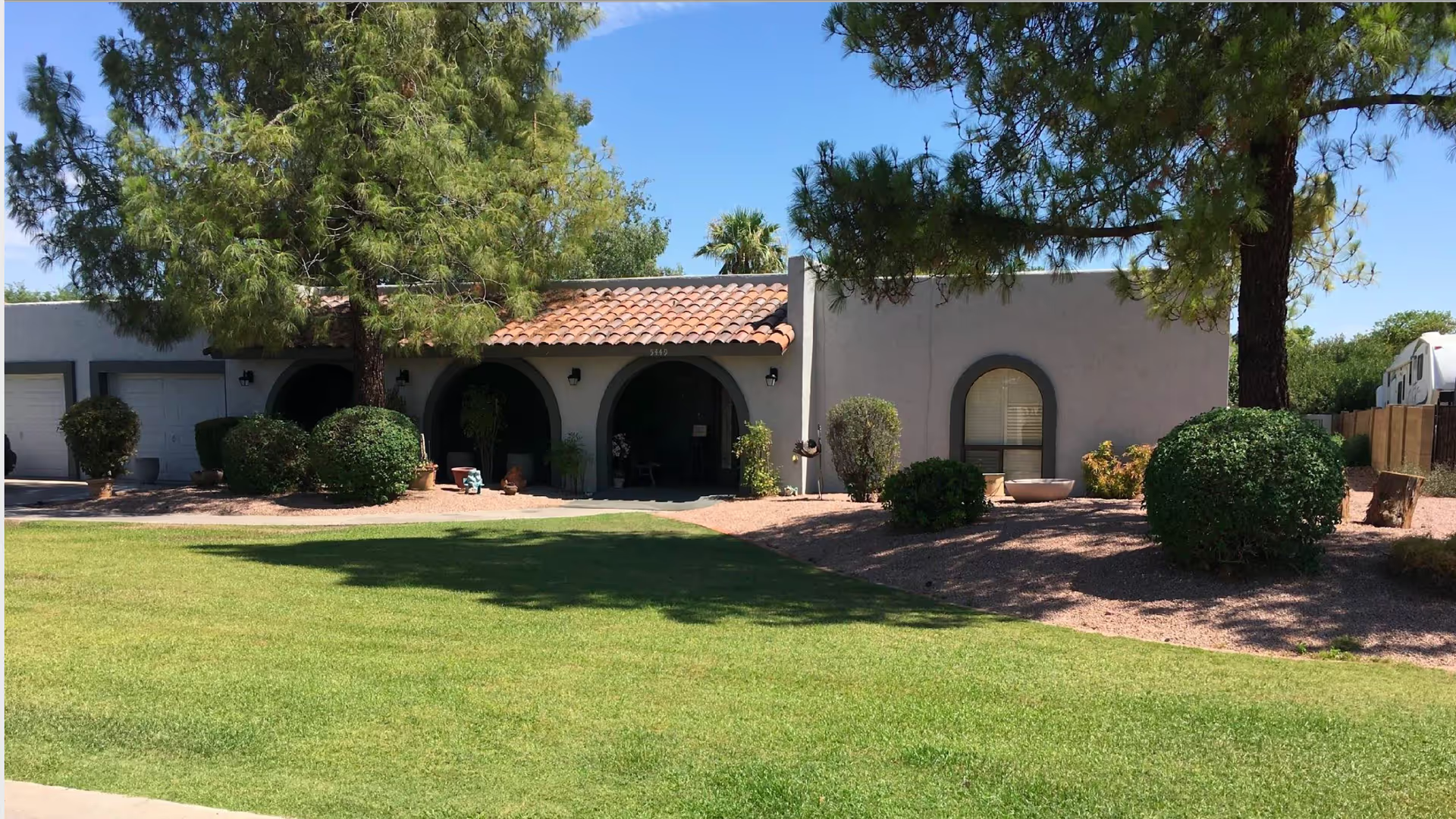
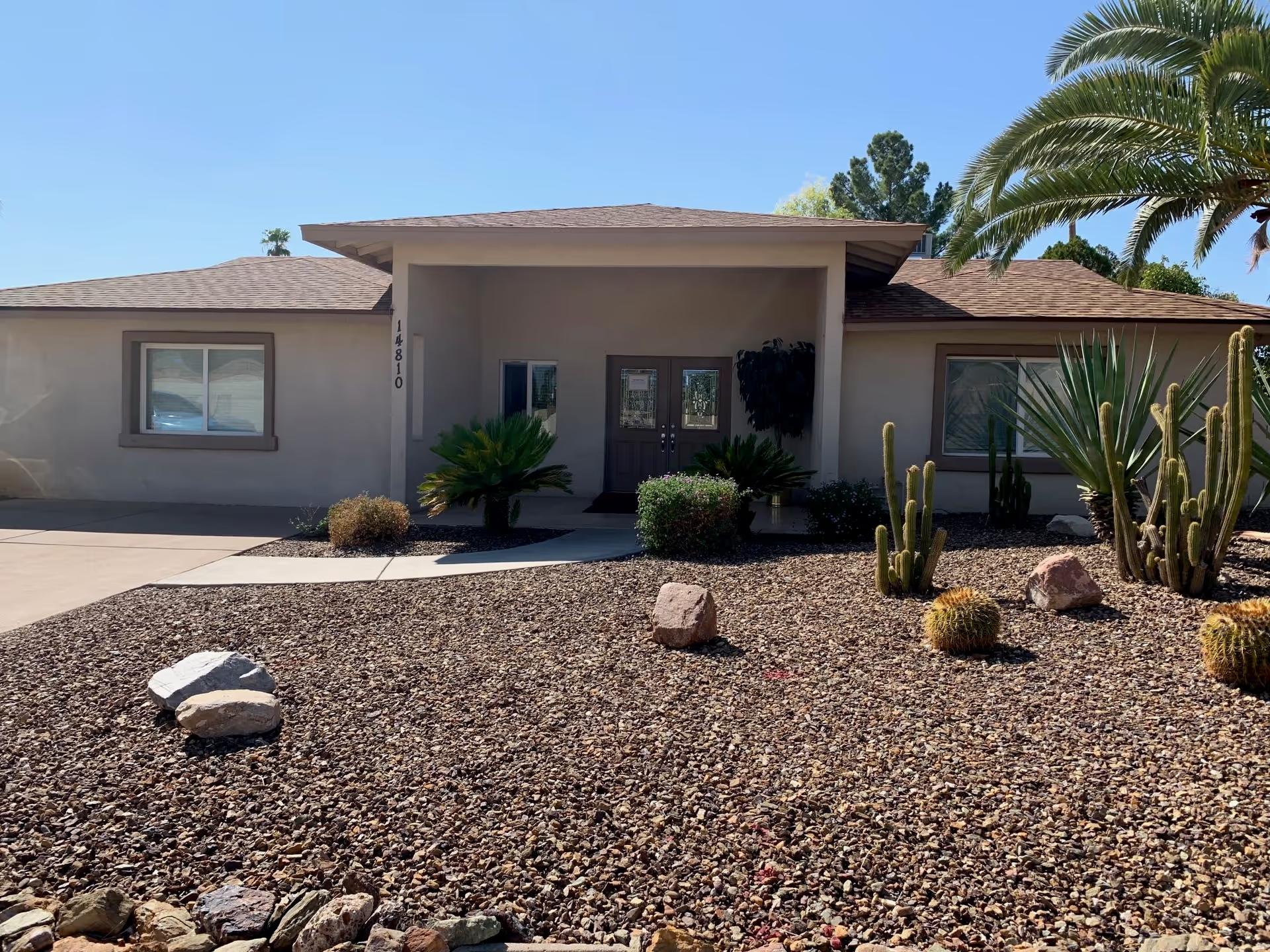
The Kierland Sanctuary is consistently described as an attractive, well-maintained facility with modern, spacious rooms and a welcoming atmosphere. Families highlight cleanliness, daily laundry service, and an environment that feels safe and comfortable for residents. Its location is convenient for visits, and the physical plant is described as new and up-to-date, which contributes to visitors' and families' overall impressions.
Care quality and staffing are frequently praised. Reviewers emphasize compassionate, attentive caregivers who create a family-like social environment; several named individual staff as exemplary. Caregivers are credited with providing recovery support and peace of mind for primary family caregivers. The facility’s caregiver-to-resident ratio and a responsive call-button system are noted as operational strengths that support timely attention to resident needs.
Dining and daily services receive positive comments: meals are described as palatable, and routine services such as laundry and housekeeping are identified as reliable. End-of-life situations are described as being handled with dignity and calm, indicating attention to comfort and person-centered care during advanced stages of illness.
There is, however, a recurrent operational concern. A minority of families indicated a need to advocate to secure desired attention or resolution of issues, which suggests potential gaps in supervisory follow-through or internal escalation processes. Prospective families may wish to ask about the facility’s procedures for clinical oversight, incident escalation, and routine family communication to understand how care concerns are tracked and resolved.
In summary, The Kierland Sanctuary is characterized by strong interpersonal caregiving, a clean and modern facility, and services that provide many families with peace of mind. To balance those strengths, prospective residents and families should verify management and oversight practices—particularly how the facility documents concerns, communicates with families, and follows up on care-plan issues—to ensure expectations for supervision and responsiveness are aligned with their needs.