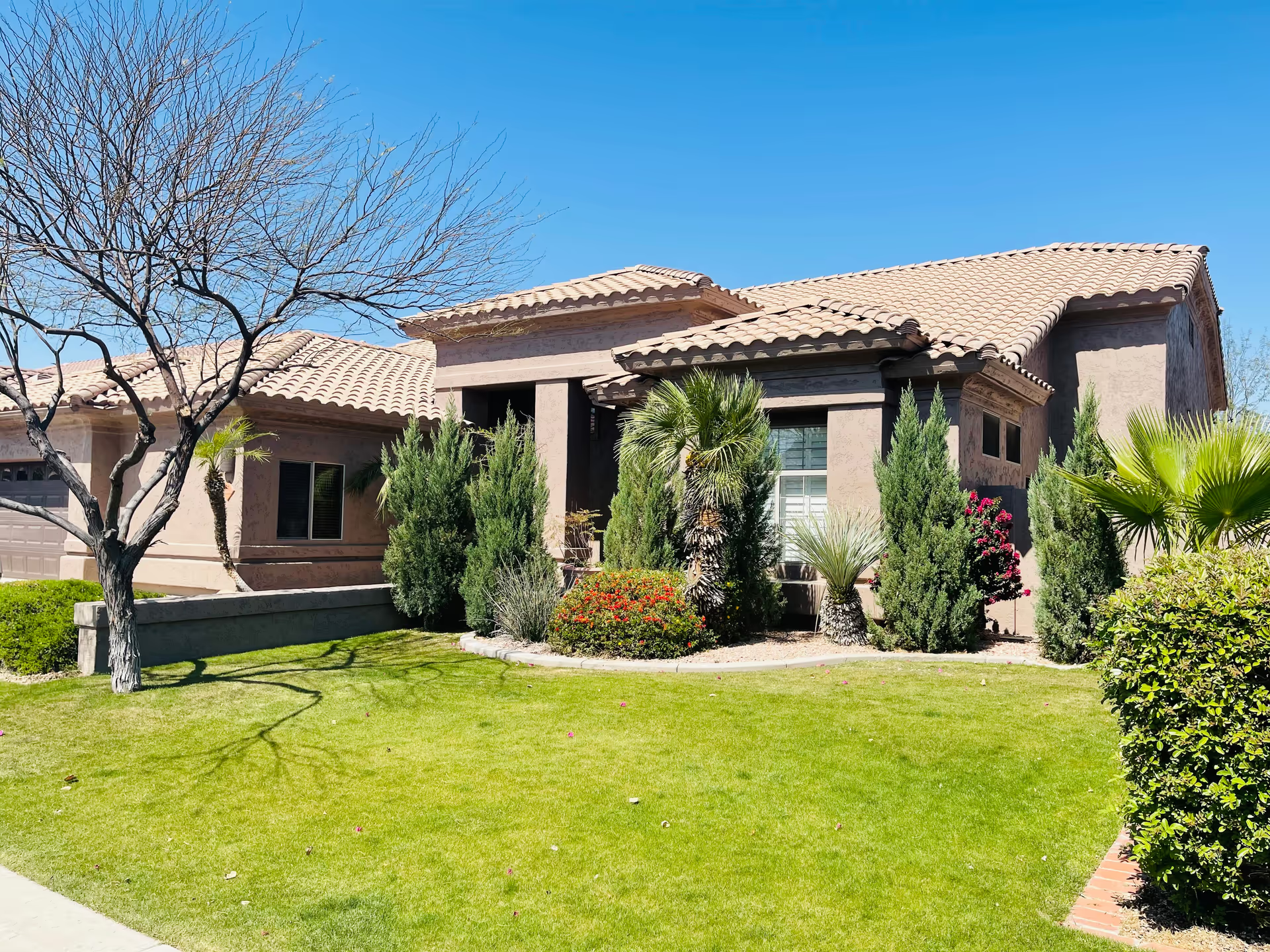
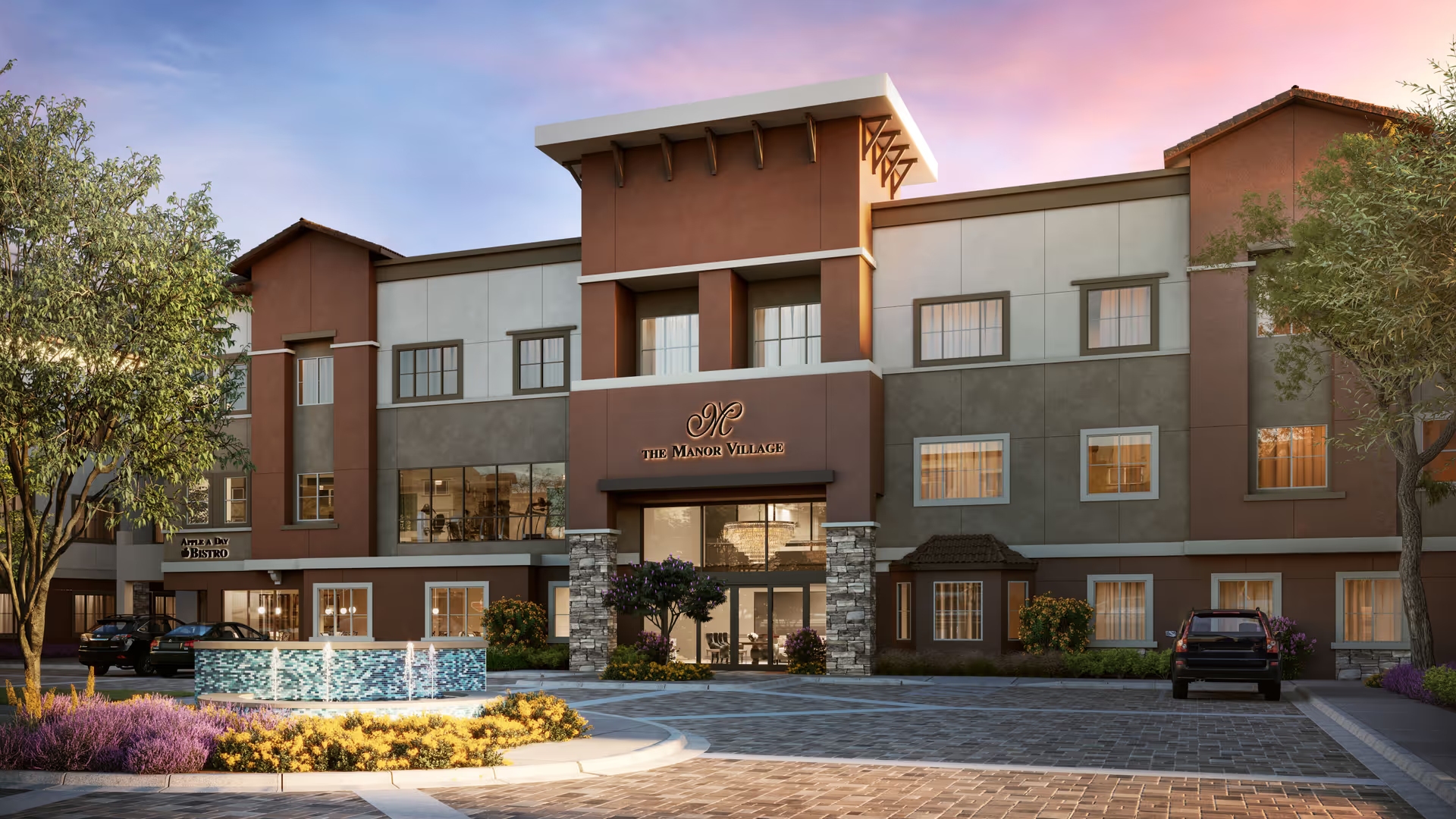
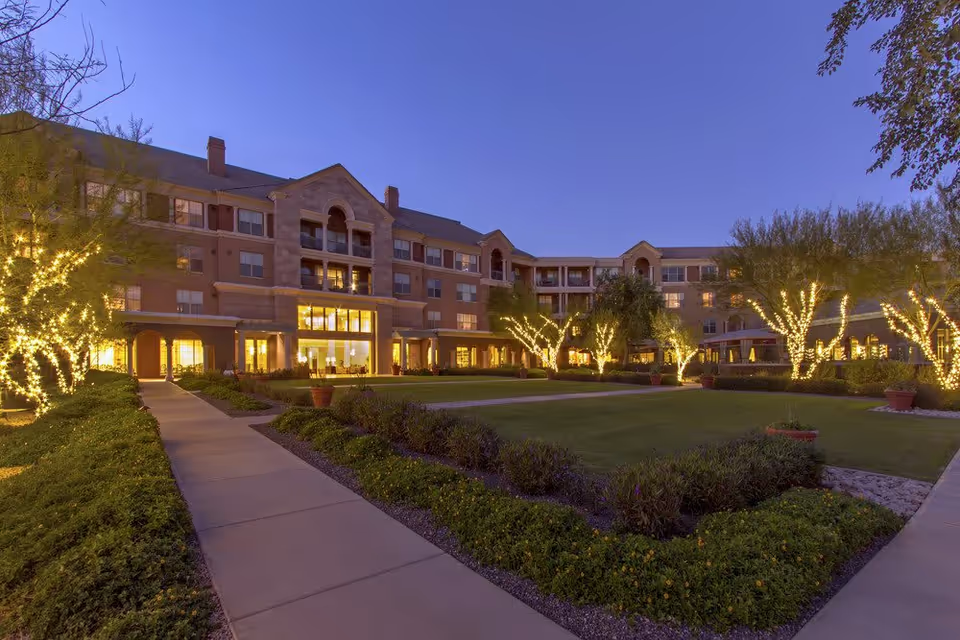
Clearwater Mayo Blvd elicits two clear and divergent themes in family and visitor accounts: consistently strong person-facing care and hospitality, alongside operational and building-systems concerns that affect long-term reliability. Many families emphasize warm, attentive caregiving, a skilled clinical team (including hospice partnerships), and a broadly supportive administrative staff. The community’s physical design — described as bright, modern, and resort-like — and its hospitality-style amenities contribute to a positive day-to-day experience for residents, with frequent references to engaging activities, varied dining choices, and effective move-in and memory-care transitions.
Care quality and staff performance are among the facility’s most consistently praised attributes. Reviewers highlight compassionate direct-care staff, knowledgeable clinical personnel, and thoughtful engagement with residents’ interests and end-of-life needs. Multiple accounts reference smooth memory-care transitions and helpful, hands-on support during difficult family situations. Administrative staff and front-desk teams are also characterized as efficient and welcoming, and proximity to major medical resources adds a perceived clinical advantage.
Dining and activity life are generally seen as strengths. Many guests and family members report diverse menus, well-liked meal options (including freshly prepared items), and frequent social programming such as movies, cards, and entertainment that create opportunities for companionship. At the same time, there are substantive operational concerns tied specifically to food production and kitchen management: reviewers raised sanitation and equipment-cleanliness issues, questioned food-safety practices and credentials, and referenced a failed regulatory inspection. These concerns point to systemic gaps in back-of-house processes rather than in dining-room service or menu variety.
Facility condition and maintenance present a mixed picture. Public-facing spaces are often described as clean, well-appointed, and hotel-like, but reviewers also describe persistent maintenance delays, HVAC reliability problems, and durability issues with some building materials and systems. Examples cited include noisy air handling, inconsistent cooling, doors and mechanical elements that do not function reliably, and conveniences that are lacking for staff operations (e.g., freight access). These issues suggest a pattern of reactive rather than preventive upkeep in certain areas.
Management and operations are an additional area of concern. Families note frequent leadership changes and variability in staffing levels at times, which can undermine continuity and responsiveness. Several accounts point to slower-than-expected repairs and what they perceived as cost-driven capital decisions that affect long-term durability. There are also comments about contradictory or inconsistently enforced rules that can create confusion for families and residents.
Recommendation for prospective families: weigh the clearly positive reports about direct care, clinical skills, and daily life against the operational weaknesses identified. During a visit, prioritize asking for recent inspection and corrective-action records for the kitchen, documentation of preventive-maintenance schedules (especially HVAC and mechanical systems), staffing ratios for the relevant care level, and examples of leadership stability and turnover. Overall, Clearwater Mayo Blvd appears to offer strong person-centered care and an engaging community environment, but families concerned about facility reliability and back-of-house operations should seek specific documentation and assurances during the decision process.