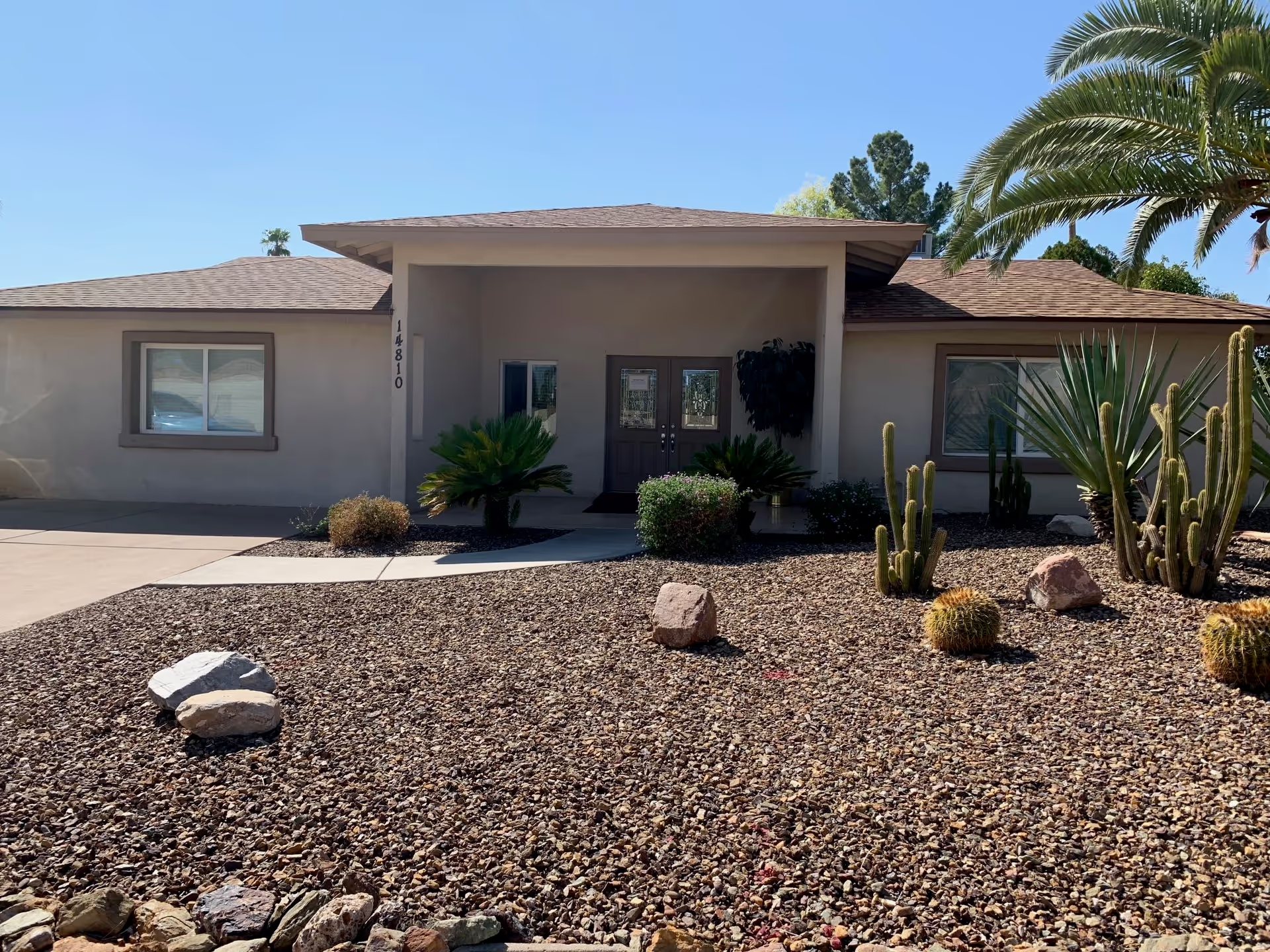
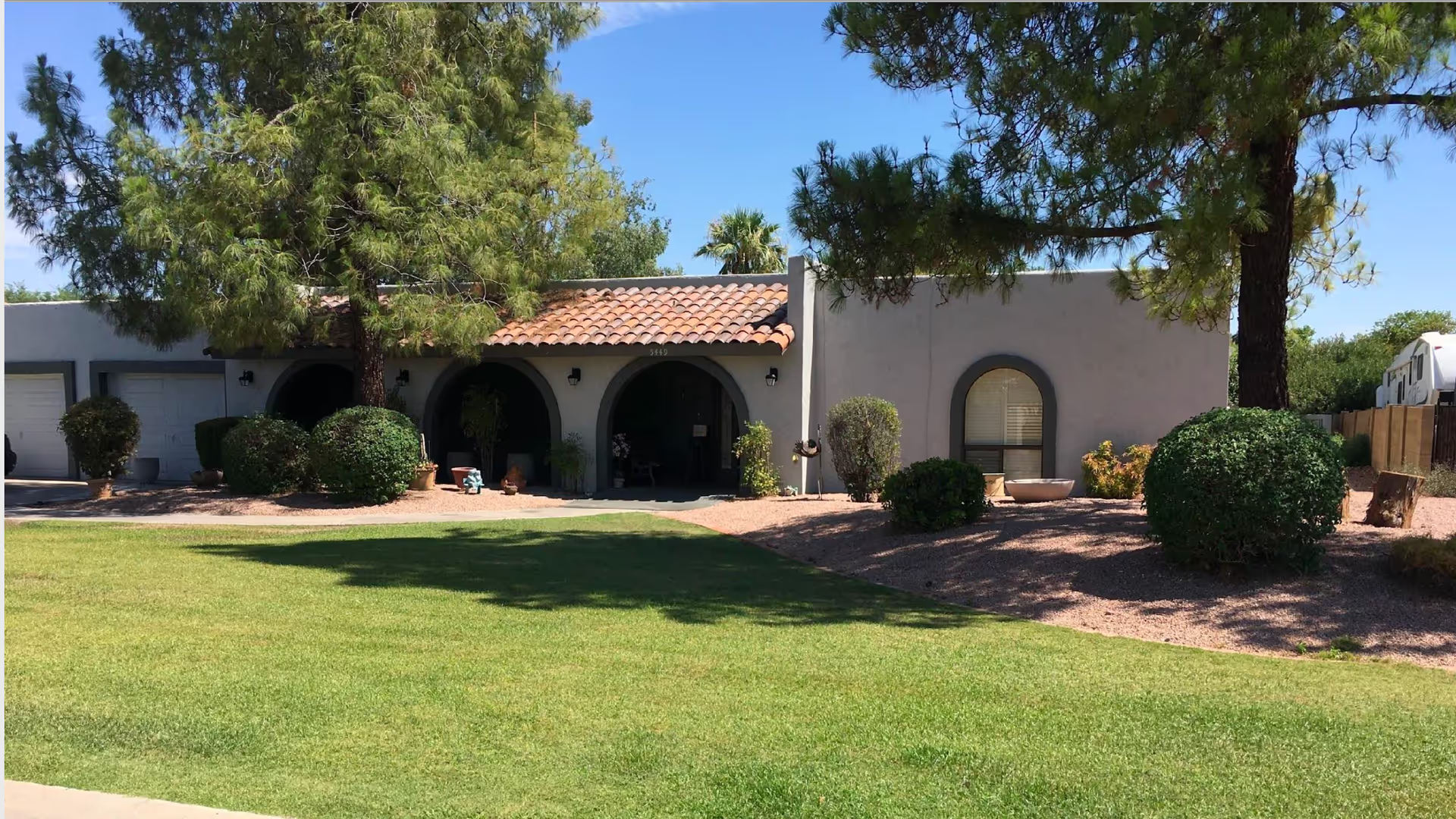
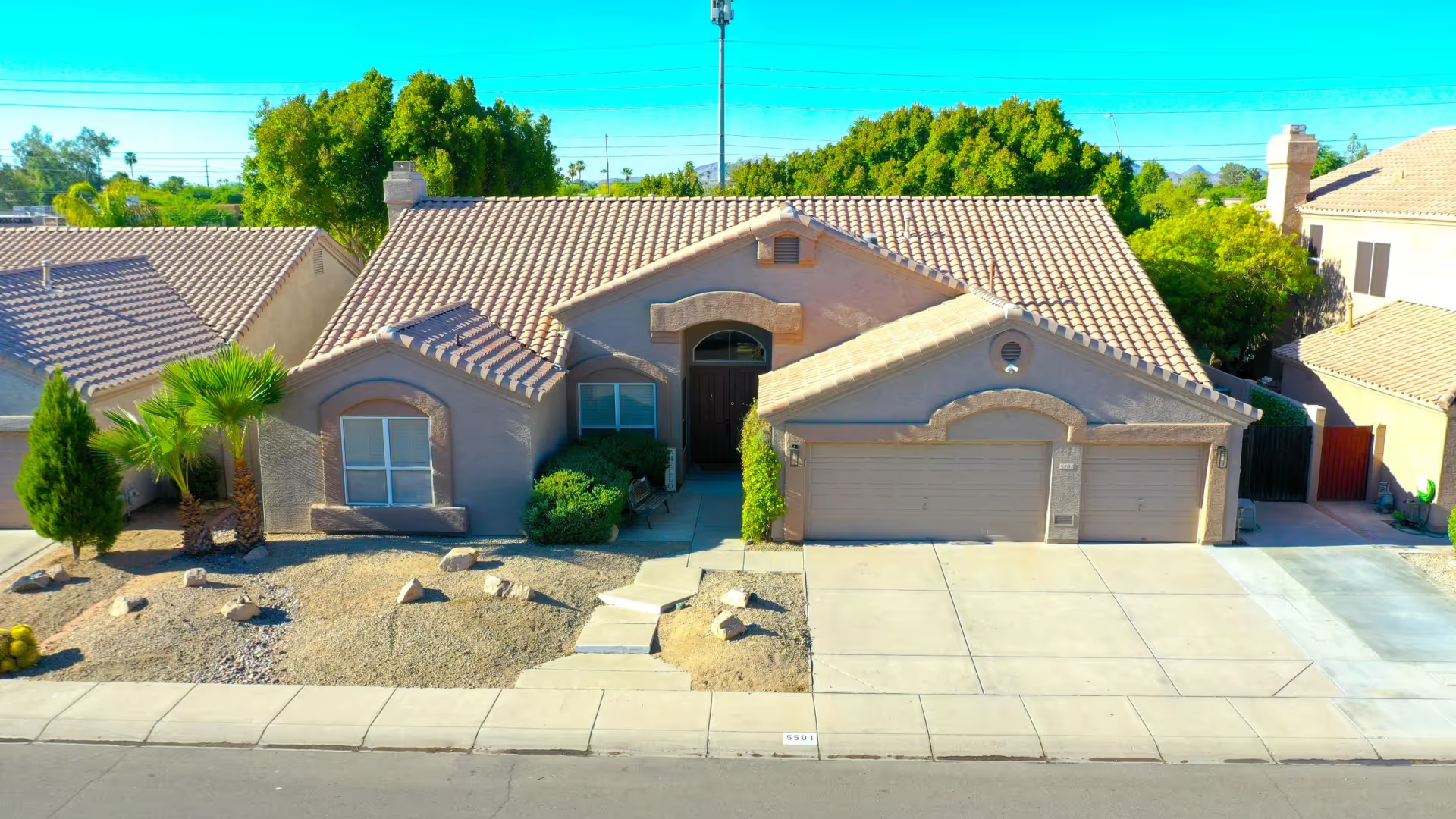
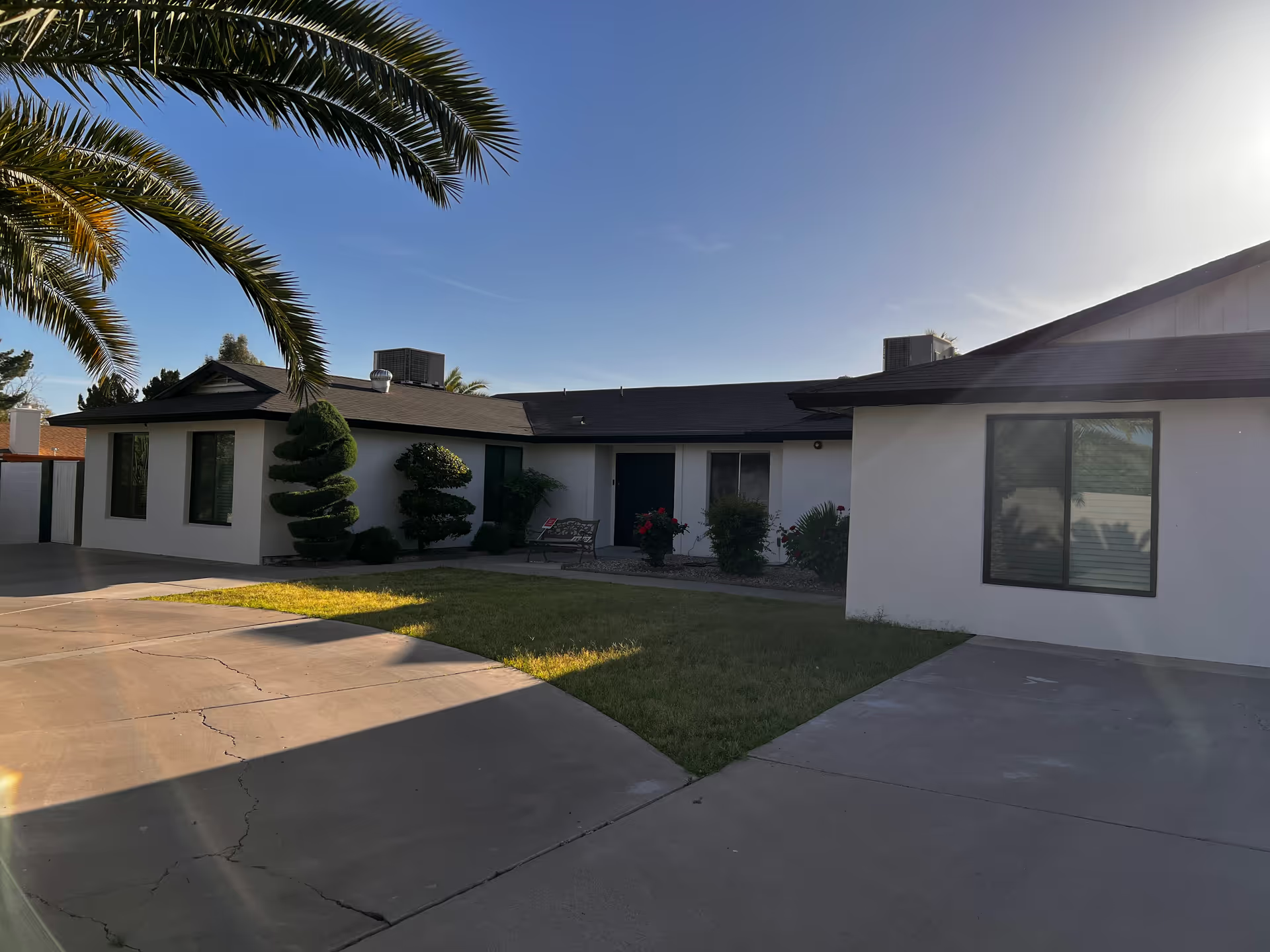
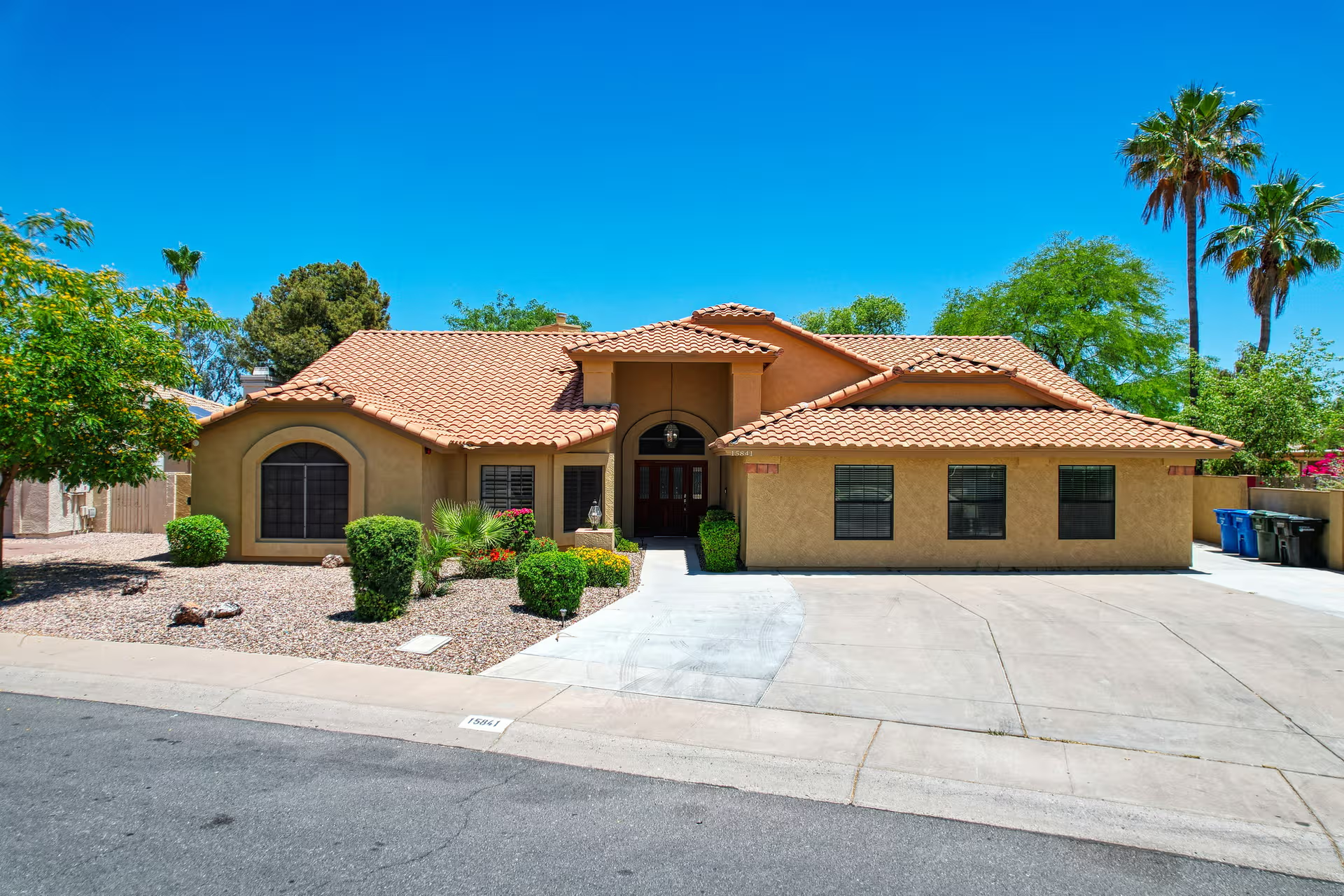
Compassionate Manor is consistently described as a small, homelike assisted living option with strengths in day-to-day resident care and facility upkeep. The facility receives frequent praise for its compassionate and attentive caregivers, individualized care approaches, and proactive communication with families. Many reviewers highlight bright, inviting living spaces, well-maintained grounds (including a fenced pool and allowance for pets), and an on-site ownership presence that contributes to a personal, family-like environment. Dining is often characterized as home-style and appealing, and activity programming is viewed as engaging for residents who participate.
Clinical care quality is generally framed positively: reviewers note attentive responsiveness to resident needs, prompt addressing of care issues, and staff who are experienced and well trained. The small scale of the facility is cited as both an advantage and a limitation — it supports a personalized, family-feel with owners living on site, but it can also constrain the breadth of social opportunities for residents who seek higher levels of interaction or programming diversity. Cleanliness and property maintenance are commonly affirmed as high standards.
Notable operational patterns and areas of concern appear in a minority of accounts. Several commenters described issues related to staff conduct and communication tone, ranging from confrontational exchanges to broader trust concerns with management. These accounts suggest variability in how staff–family interactions are handled and occasional lapses in relationship management. A related operational theme is inconsistent staffing availability at certain times, which families perceive as impacting responsiveness. For some prospective residents, the facility’s atmosphere can be interpreted as more institutional than homelike, indicating variability in how the environment meets individual preferences.
For families considering Compassionate Manor, the prevailing picture is of a well-kept, small assisted living community that emphasizes personalized, compassionate care and a homelike setting. Prospective residents who prioritize close staff relationships, cleanliness, and a quieter, small-community environment are likely to find strengths here. Families should, however, assess communication style and staffing patterns during visits, ask about typical staffing ratios and conflict-resolution procedures, and observe social programming to determine whether the facility’s atmosphere and activity level align with the prospective resident’s preferences.