Reviewers present a distinctly mixed picture of Osborn Health and Rehabilitation. Strengths most consistently noted relate to rehabilitation services and certain frontline caregivers: the facility's physical therapy department, in particular, receives repeated praise for helping residents regain mobility and reach discharge milestones. Several accounts describe a continuous nursing/CNA presence and hands-on clinical leadership from administrators, and some families report positive relationships with an on-site physician and individualized room personalization. The facility's location and insurance acceptance are also listed as practical advantages.
Care quality observations are varied. Positive comments center on effective, goal-oriented therapy and compassionate attention from some nursing aides and nurses. However, other reviewers described operational concerns that affected clinical care: inconsistent medication administration, delays in pain management, slow responses to call lights, and gaps in transfer and fall-prevention practices. A few reviews referenced serious clinical incidents and subsequent complaints to regulatory authorities; these items suggest families should seek documentation on the facility's current regulatory status and incident-response policies when evaluating placement.
Staff and communication patterns are mixed. Multiple reviewers highlighted individual staff who were attentive and supportive, and several noted visible, engaged leadership. At the same time, accounts describe inconsistent daytime staffing, limited night coverage, unmet assistance requests, and instances of poor communication between shifts and with family members. These patterns translate into variability in day-to-day resident experience: some families describe attentive, hands-on care while others report long waits for assistance and difficulties getting timely follow-up from management.
Dining and therapy are areas of contrast. Therapy and PT teams are frequently praised for clinical skill and encouragement. Dining feedback ranges from favorable (tasty options, chef-prepared salads) to critical (cold or microwave-reheated meals, limited nutrition for healing, and inconsistent meal service). Prospective residents should ask about current menus, therapeutic diet availability, and typical meal-service practices during a tour.
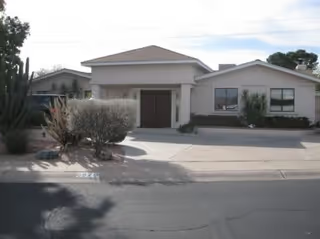
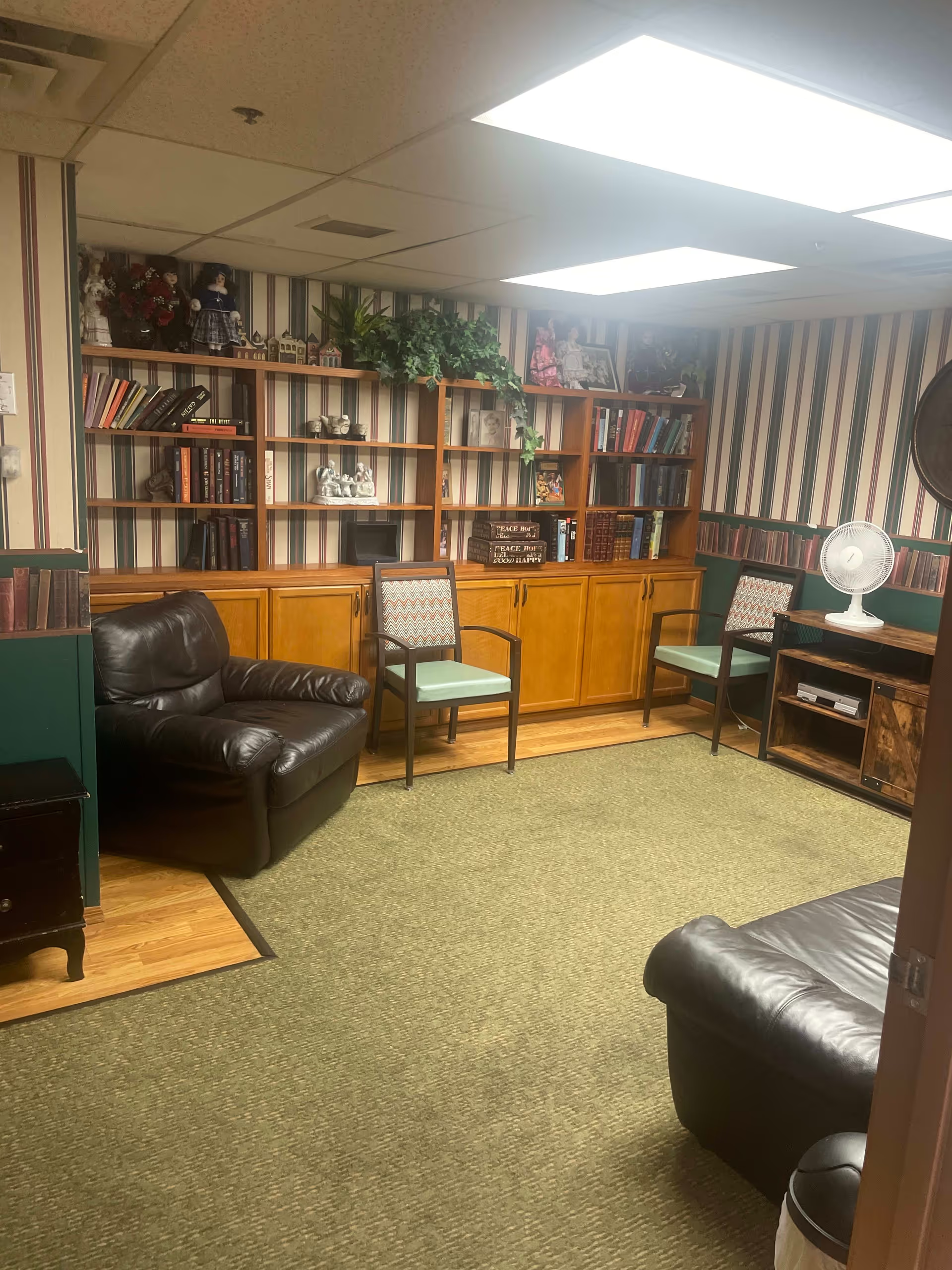
Facility condition and housekeeping show a split as well. Several reviewers noted recent capital improvements—new flooring, brighter rooms—and positive changes in specific units. Conversely, there are recurring sanitation and odor concerns in some rooms and common areas, along with maintenance problems such as malfunctioning fixtures, noisy equipment, and inconsistent laundry/supply handling. Website photos and advertised room sizes were described by some as not matching on-site realities, indicating the value of an in-person inspection of the exact room offered.
Management and operational oversight appear inconsistent. Some families commend visible leadership and responsive clinical directors; others report slow follow-up on complaints, ineffective phone/call systems, and lapses in logistical processes like laundry and supply distribution. These mixed impressions suggest that operational reliability can vary by unit and shift, and that prospective residents should clarify staffing ratios, medication-safety protocols, and complaint-resolution procedures before admission.
Overall, Osborn Health and Rehabilitation offers notable strengths in rehabilitation and has individual staff members and leaders who provide good care. At the same time, recurring themes—sanitation and odor concerns, inconsistent medication and pain management, slow response times, maintenance issues, and variable staffing—indicate operational areas that warrant careful review. Recommendations for families: tour the specific room, observe cleanliness and odor, inquire about current staffing patterns and medication safeguards, review therapy outcomes, and confirm how the facility handles incident reporting and family communication.