Overall impression: The Valencia Home is described primarily as a small, home-like assisted living/memory-care setting with a strong focus on individualized, compassionate caregiving. Many families emphasize the intimate scale (roughly ten residents in a converted house), an inviting common area layout with natural light, and a generally immaculate interior. These features pair with 24-hour caregiver availability and an all-inclusive fee structure that includes hygiene assistance, which together create a sense of safety and relief for many families.
Care quality and staff: A central strength across the accounts is the caregiving team. Caregivers are frequently characterized as attentive, affectionate, and medically competent; several families credited staff with meaningful medical oversight and recovery support after acute illness. The manager is often singled out as proactive and communicative, and numerous reviews describe strong, ongoing caregiver–resident relationships and one-on-one attention. That said, there are recurring operational concerns tied to staffing continuity. Reports indicate periods of turnover and changes in management that correspond with declines in service consistency for some families.
Dining and daily routines: Dining receives positive mention for flexibility and personalization: meals can be tailored, substitutions are accommodated, and staff are said to be aware of residents’ preferences. The small size of the home appears to permit individualized meal service and attention to likes and dislikes, which supports resident comfort and independence. Activity programming is described as organized and engaging, with regular music programs, exercise for strength, and opportunities for social interaction that keep residents involved.
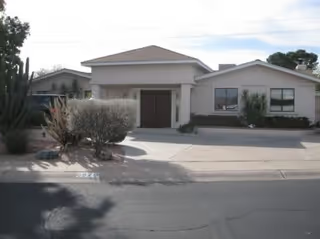
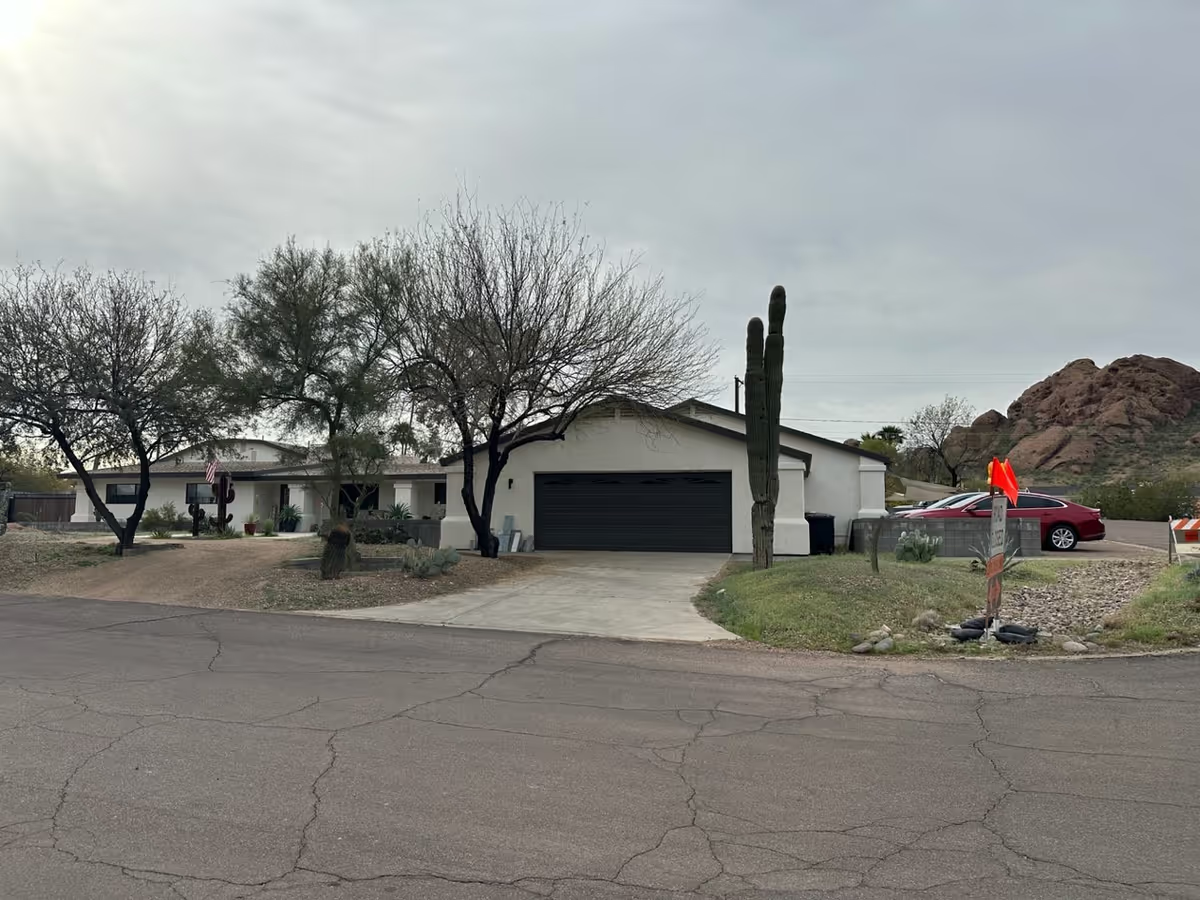
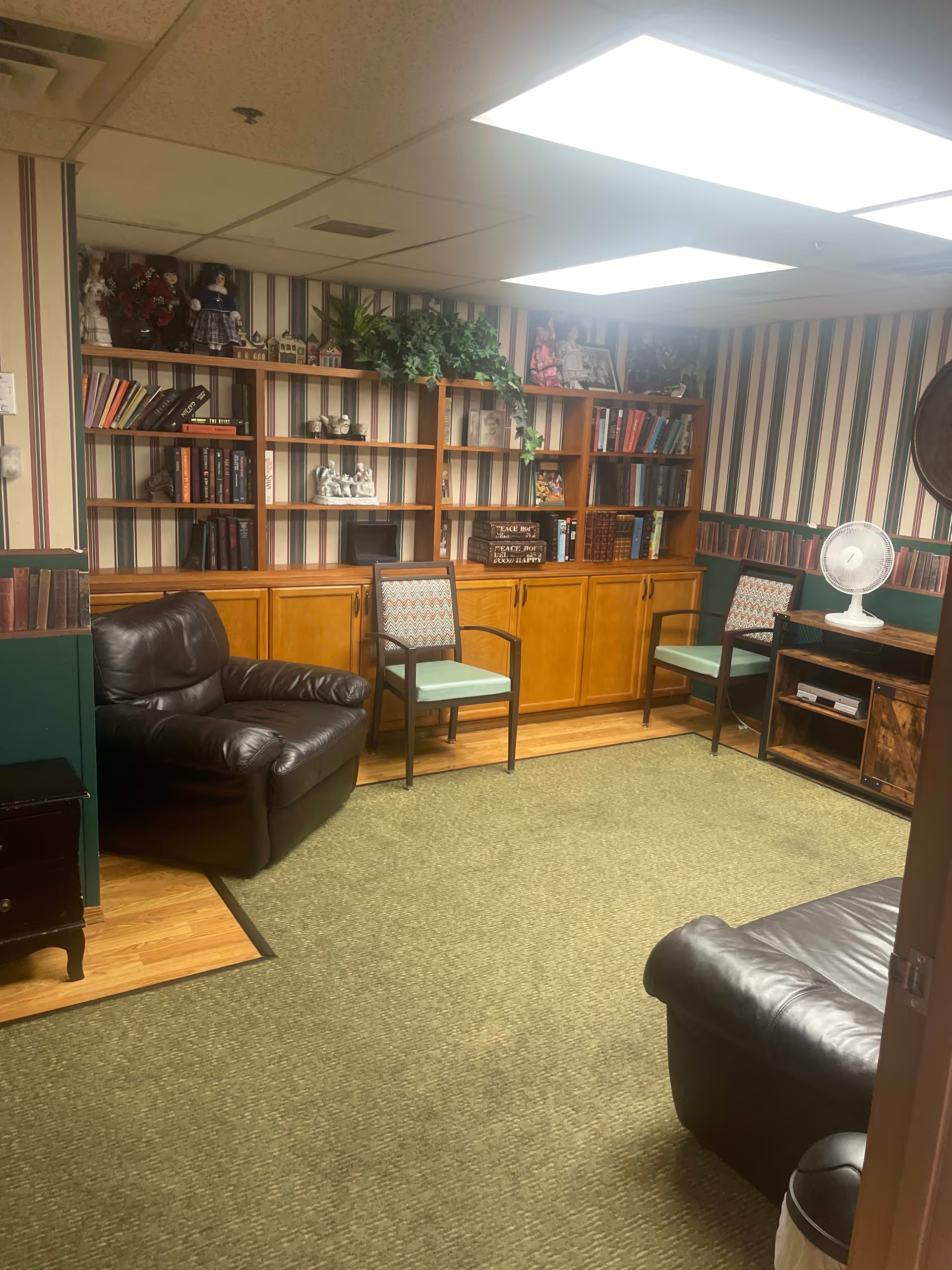
Facilities and environment: The facility’s physical environment is consistently described as a converted, bright, and well-kept home rather than an institutional setting. Cleanliness and an odor-free atmosphere are highlighted by many families, and reviewers note pride in maintenance and presentation. The setting is frequently described as calm and peaceful, contributing to residents’ sense of well-being.
Management and operations: Management receives mixed but often positive feedback; where management is stable and communicative, families describe reliable care coordination and timely updates about resident needs. Multiple accounts praise the manager’s hands-on approach and clear communication. Conversely, some reviews describe operational breakdowns during or after staffing and managerial transitions. These issues surface as inconsistent medication handling, scheduling gaps, billing errors, and challenging move-out experiences. Such patterns indicate that operational controls (medication administration, billing processes, transition and discharge coordination, and front-line customer-service responsiveness) are areas for prospective families to review closely.
Notable patterns and guidance for families: The dominant pattern is one of high-touch, compassionate caregiving in a small, well-maintained home, with notable strengths in individualized attention, dining flexibility, engagement programming, and a reassuring physical environment. Counterbalancing that, there are recurrent, specific operational concerns: inconsistencies in medication administration, episodes of poor communication or customer-service responsiveness, billing and deposit-handling problems, and service variability during management changes. Prospective residents and families would benefit from direct verification of clinical and administrative procedures before move-in — for example, asking for written medication-administration protocols, typical staffing patterns and turnover rates, billing and deposit policies, and the facility’s move-out/transition procedures. These checks can help align expectations with the facility’s strengths and surface any operational risks that have affected a subset of families.