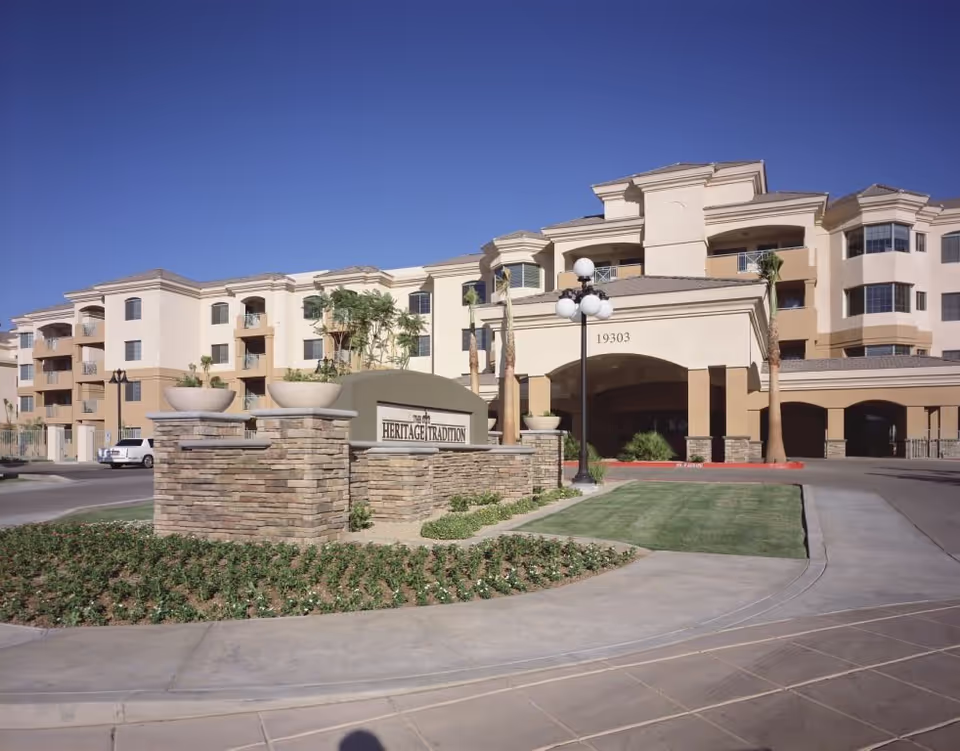
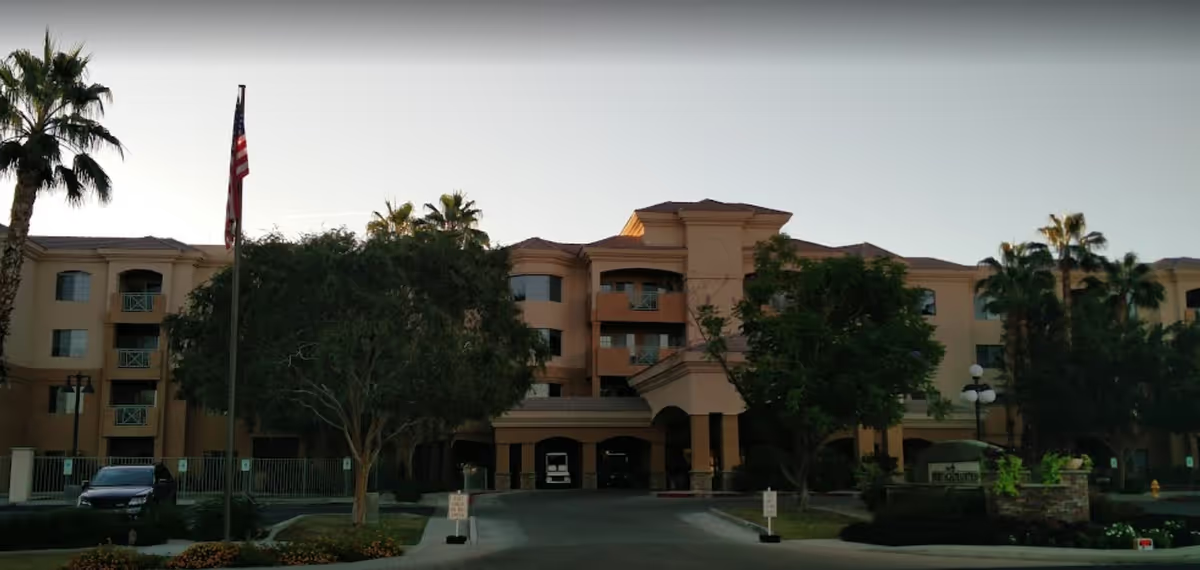
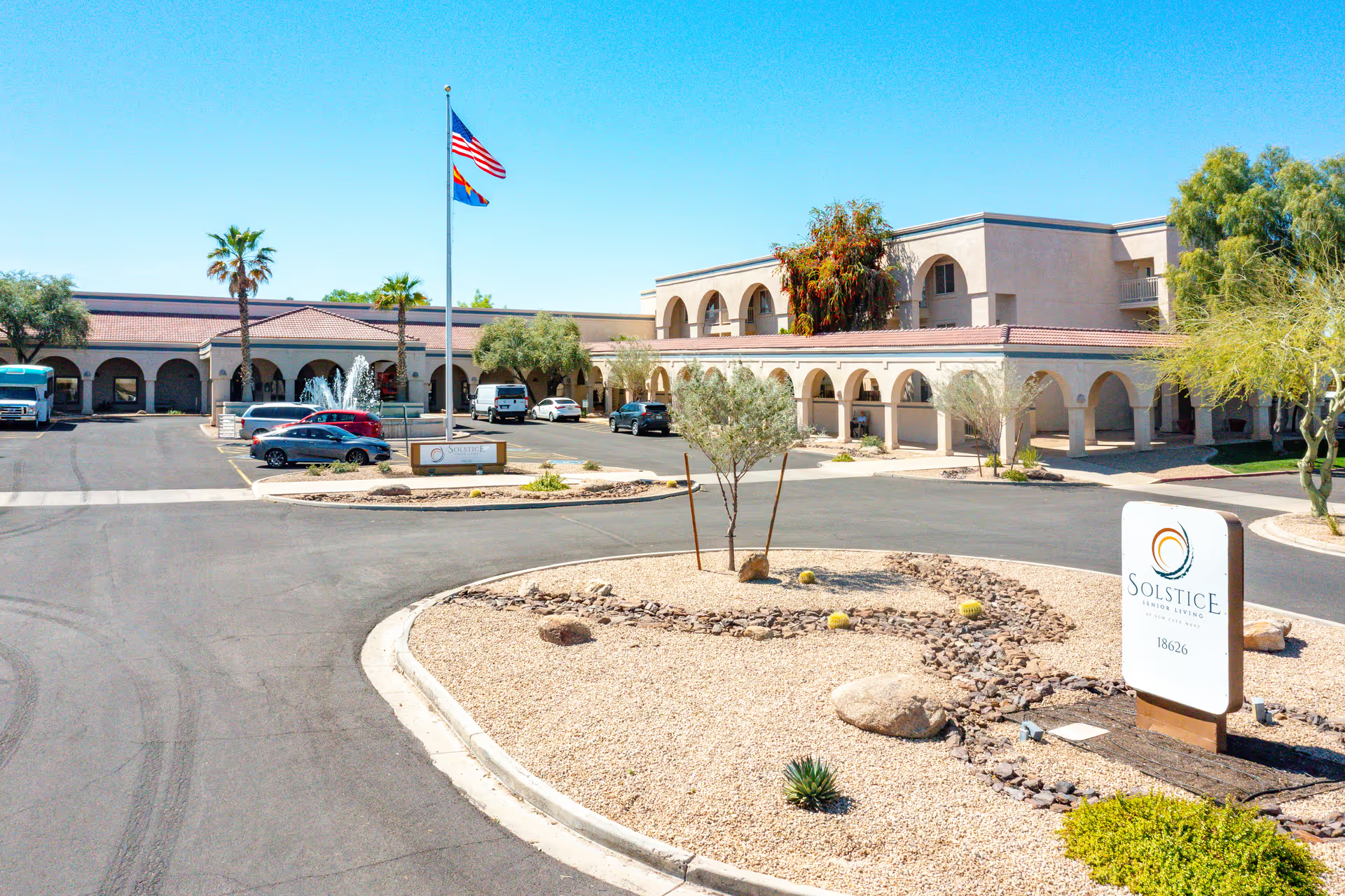
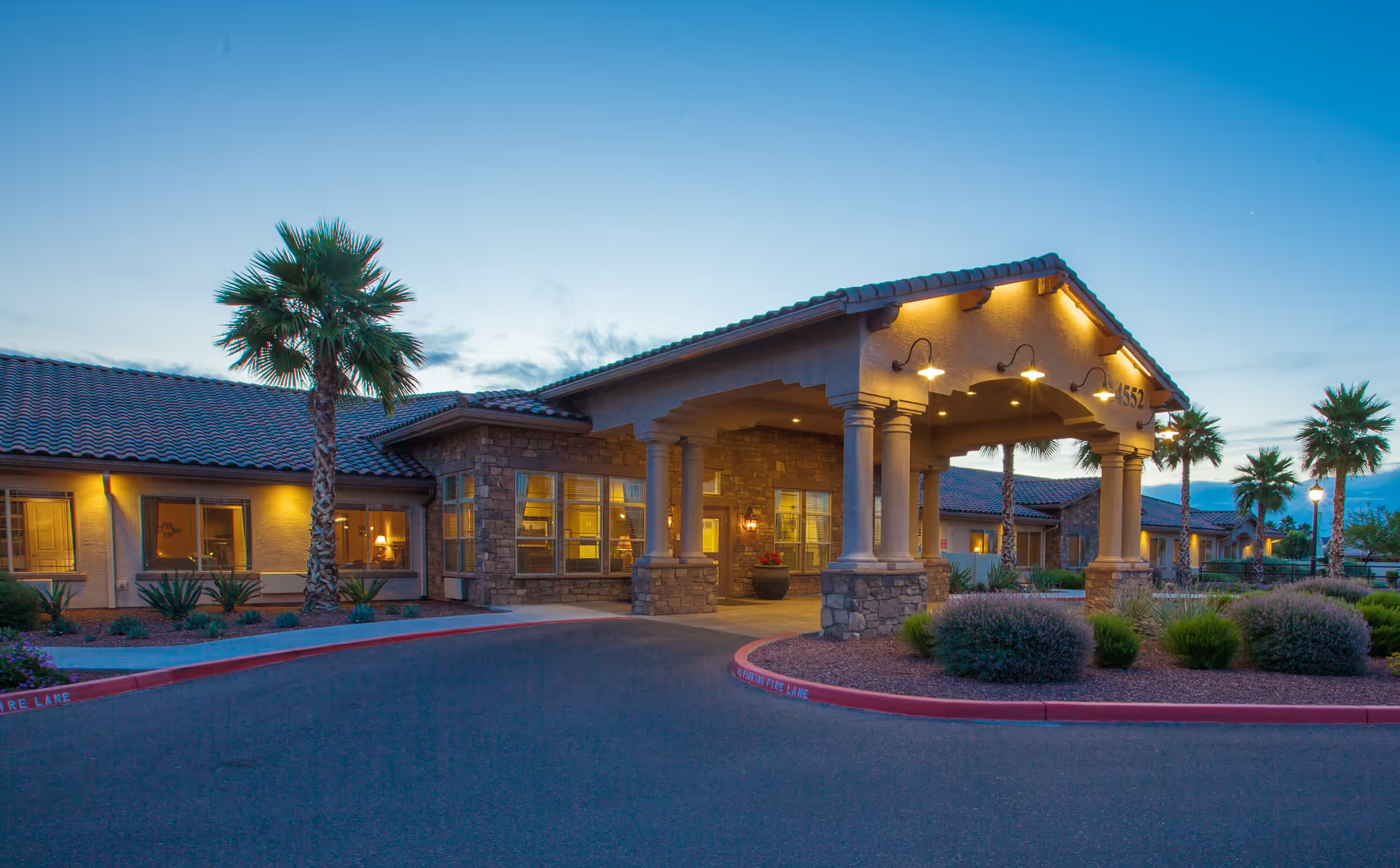
Brookdale Camino del Sol is frequently described as a well‑maintained, bright community with a strong emphasis on dementia and memory care. Families consistently praise the compassionate, family‑style approach of frontline staff and the clinical presence of 24/7 nursing and visiting physicians. Long-tenured, certified caregivers and active involvement from activities directors are recurring strengths; reviewers highlight a broad slate of programming (music, exercise, games, memory work, live entertainment, pets/visitors) that keeps residents engaged and contributes to a social, home‑like atmosphere.
Dining and amenities are commonly cited as positives: on‑site chefs, restaurant‑style meals, special offerings (ice cream parlor, salon, country kitchen), and private dining options. The physical plant receives strong marks for cleanliness, recent renovations, abundant natural light, courtyard gardens and themed town‑square/French Quarter decor. Private, handicapped‑equipped rooms and communal features such as a sizable dining room, library and enclosed outdoor spaces add to the community’s appeal.
Operational patterns are mixed. While many families report attentive communication and staff who go above and beyond, others describe episodic communication gaps and billing issues that require follow‑up. Staffing appears to vary by shift for some residents; several accounts point to weaker evening coverage or inconsistent caregiver availability. Clinical concerns raised include sanitation and incontinence‑care issues, isolated safety‑practice problems around transfers and feeding, and at least a minority of accounts that reference allegations of caregiver misconduct or lapses in dignity-preserving care. These items are not the dominant narrative, but they are sufficiently frequent to recommend verification during a tour and discussion of staffing ratios and safety protocols.
Programming and resident placement also show variability. The activity schedule is broad and active, but a number of families felt certain offerings were not tailored to men’s interests or that memory‑care cohorts were mixed in ways that reduced comfort for some residents. Meal quality is often praised for variety and accommodation, yet intermittent concerns about cold meals or inconsistent service appear in some accounts. Practical limitations mentioned include shared‑room prevalence during high occupancy and constrained multipurpose space for larger activities.
In summary, Camino del Sol exhibits many strengths for families seeking a dementia‑competent, socially active, and well‑appointed assisted‑living environment: experienced staff, robust activities, on‑site clinical resources, and attentive hospice collaboration. Prospective residents and families should, however, confirm current staffing patterns across shifts, review medication and transfer safety procedures, inspect sanitation practices, clarify billing processes and private‑room availability, and ask about cohorting and activity tailoring to ensure the community’s operational practices match the resident’s specific needs.