Overview: Reviews present a consistently positive picture of day-to-day life at the home, emphasizing warm, individualized attention and a small, family-like setting. Families frequently describe caregivers as compassionate, patient, and attentive; many note that staff members develop knowledge of residents’ routines and preferences and provide one-to-one time. The facility’s size and staffing model appear to support close monitoring and personalized care plans, and several accounts describe tangible clinical benefits such as improved eating, increased mobility, and better engagement.
Care quality and staff: Care quality is repeatedly characterized as attentive and resident-centered. Reviewers highlight a staff culture that prioritizes dignity, safety, and individualized routines. On-site management and ownership presence receive positive mention for being proactive and accessible, contributing to rapid communication with families and coordination with outside clinicians and hospice. That said, there are isolated concerns about variability in staff training and consistency; a limited number of families raised questions about certain staff skills and the uniformity of care delivery across shifts. Another notable concern raised by some is the facility’s approach to psychotropic or antipsychotic medication for behavioral management; reviewers recommended closer scrutiny of medication practices and family communication around those decisions.
Dining and activities: Dining is a clear strength: many reviewers praise scratch-made, nutritious meals, a warm dining atmosphere, and availability of snacks. Several families specifically called out varied menus and meals that encourage appetite and social dining. The activity program appears robust for a small home, with regular exercise, group games, outings, holiday events, and occasional physical-therapy–style interventions. Reviewers describe staff-led engagement and research-informed activity planning that supports residents’ physical and emotional wellbeing. Some feedback indicates occasional mismatch between meal expectations and delivery frequency or style, suggesting the kitchen’s offerings may not perfectly align with every family’s preferences.
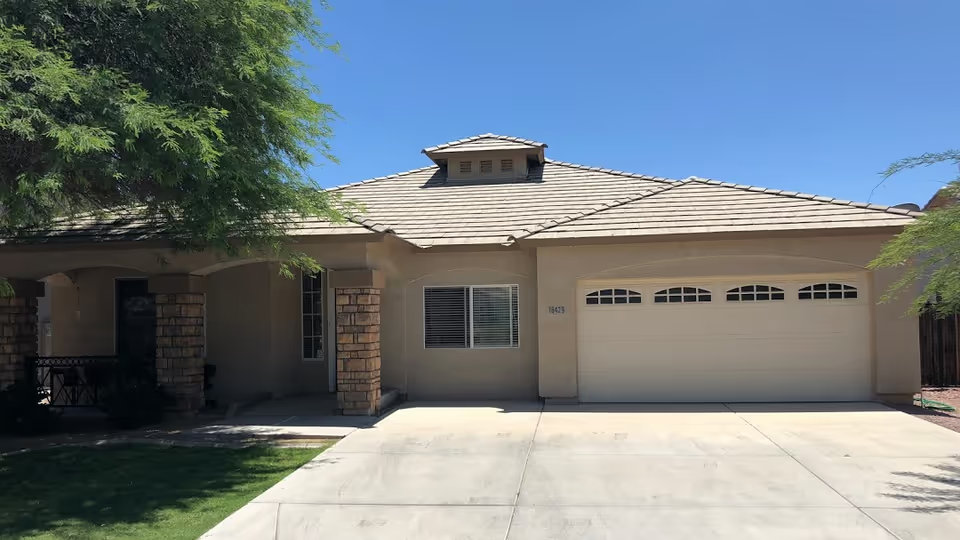
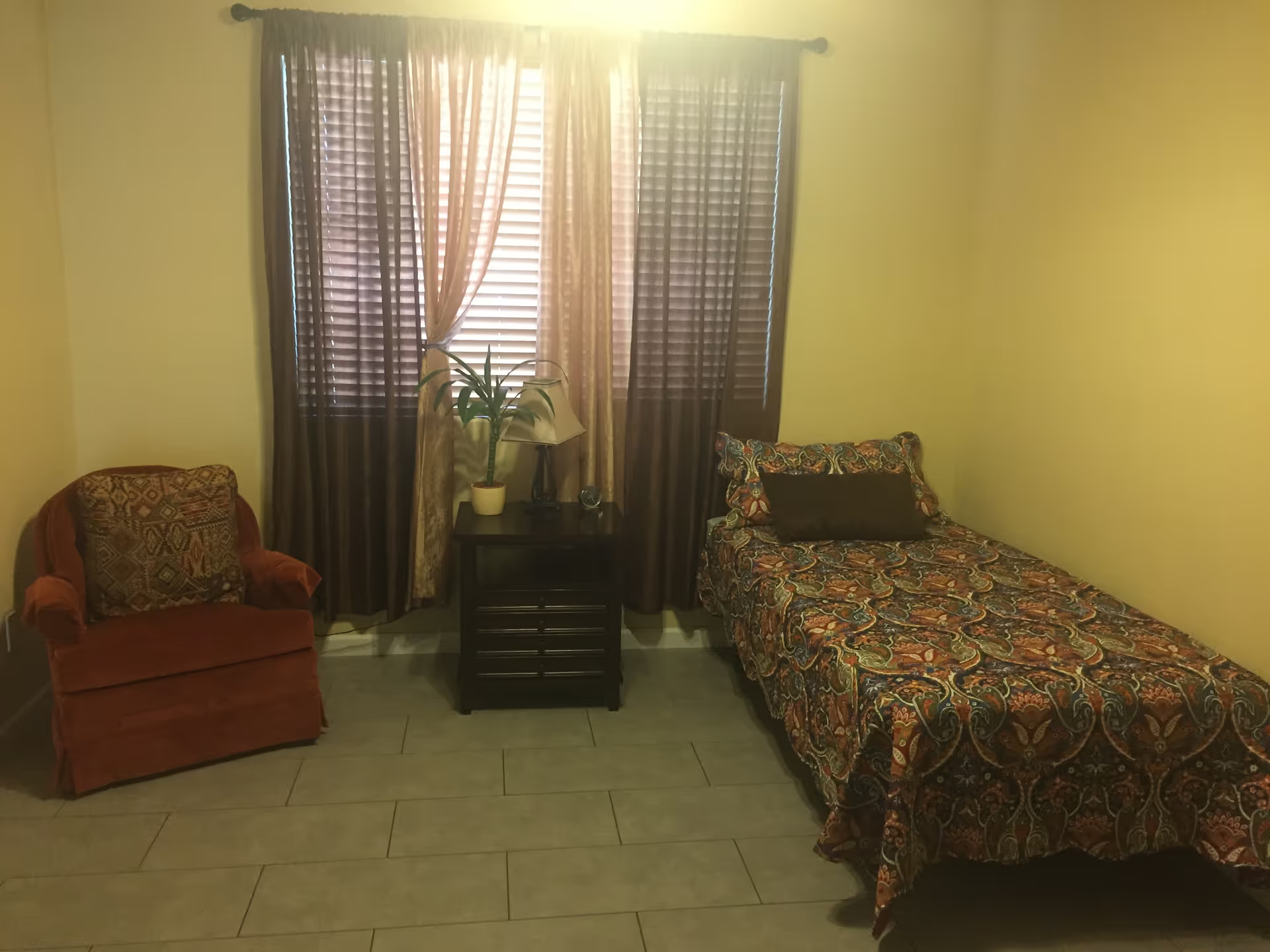
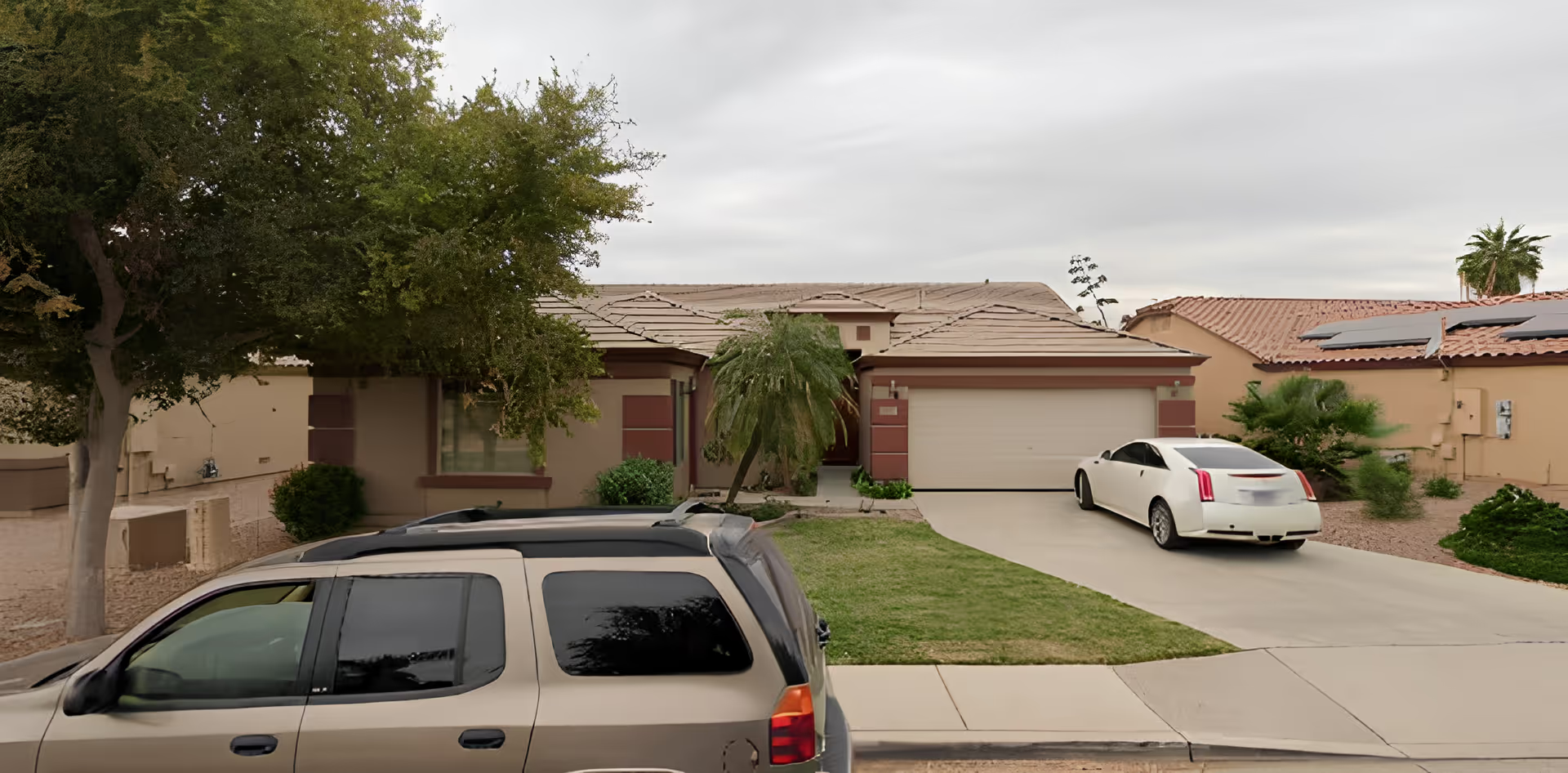
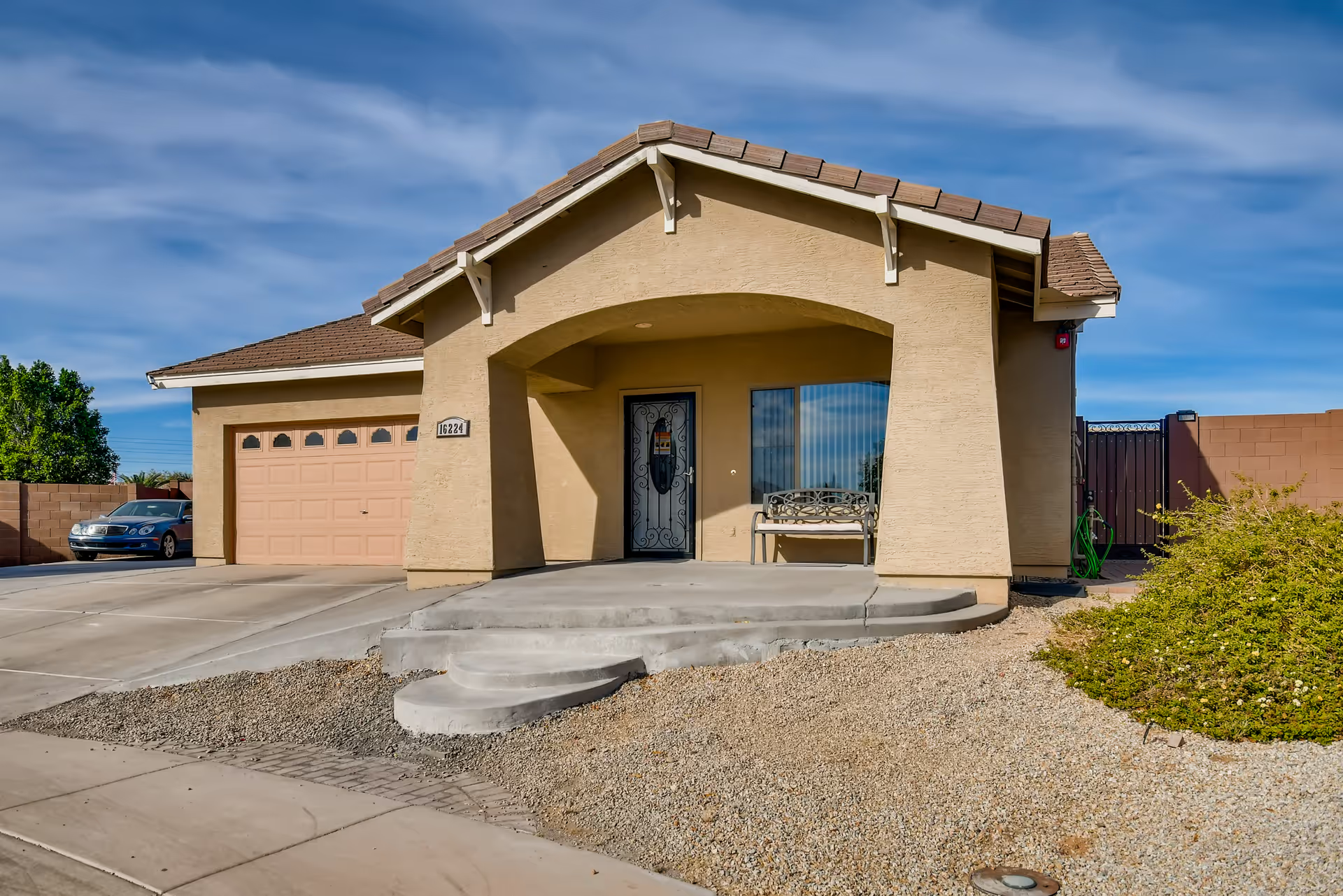
Facilities and operations: The physical environment is described as clean, well-kept, and home-like, with tidy personal spaces and pleasant outdoor areas that support safe ambulation. Reviewers consistently note strong sanitation and a welcoming atmosphere. The small capacity is often framed positively (promoting individualized attention), but it also creates trade-offs: limited private room size and restricted occupancy may not suit families seeking larger private spaces or a broader range of clinical services. A few comments point to inconsistent enforcement of certain facility rules and occasional value/cost concerns compared with alternative settings.
Notable patterns and guidance for families: Overall, the prevailing pattern across reviews is of a well-run, relationship-focused small home with strong family communication, engaged staff, and an emphasis on home-cooked meals and activities. Prospective families should weigh the benefits of the intimate, high-attention model against potential limitations: small room size and capacity constraints, variability in staff experience, and questions some families raised about psychotropic-medication practices. For families considering placement, recommended due diligence includes discussing medication-management policies, observing multiple shifts to assess staff consistency, confirming room dimensions and costs, and reviewing activity and therapy schedules to ensure they match the prospective resident’s needs and acuity level.