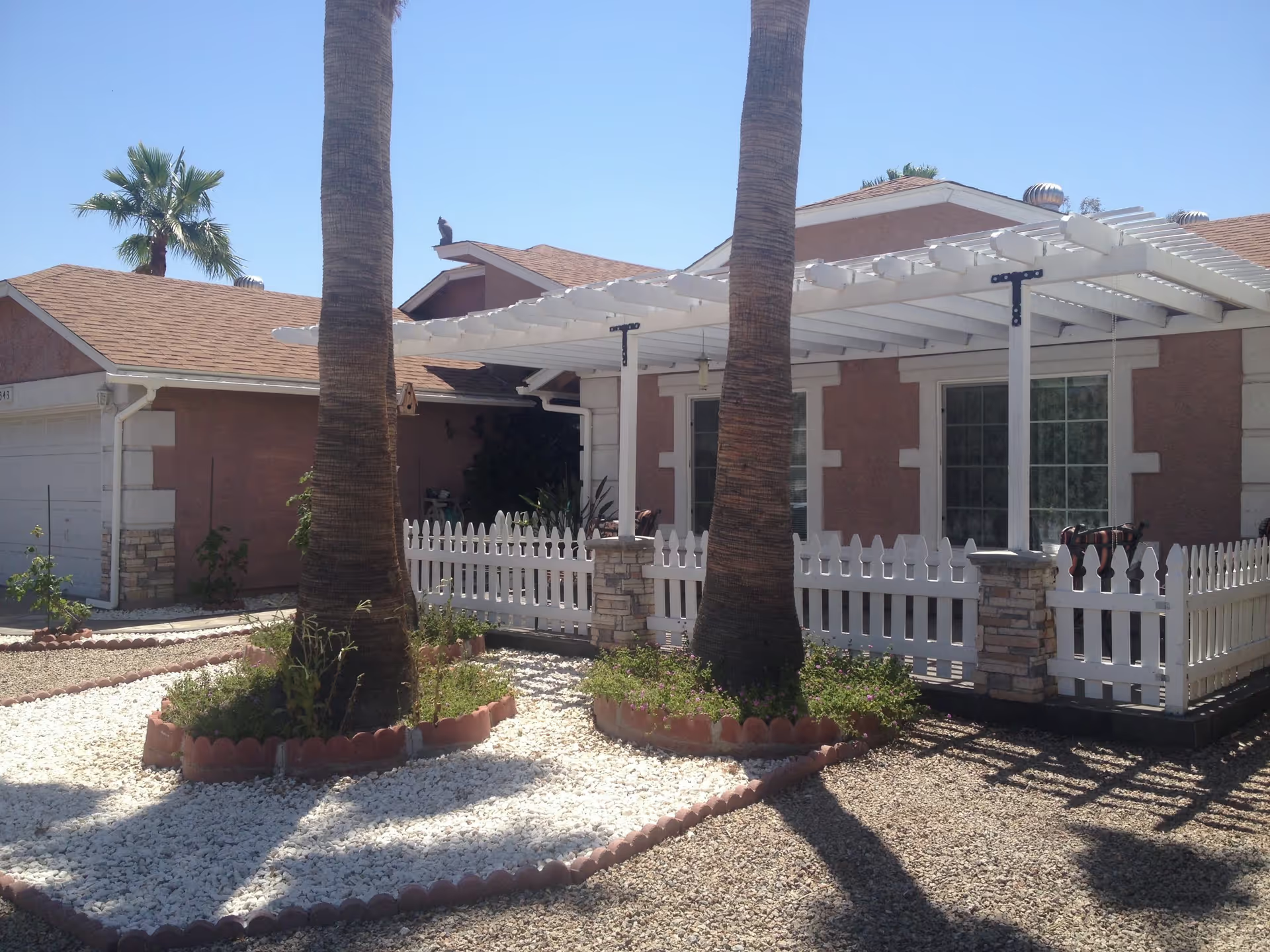
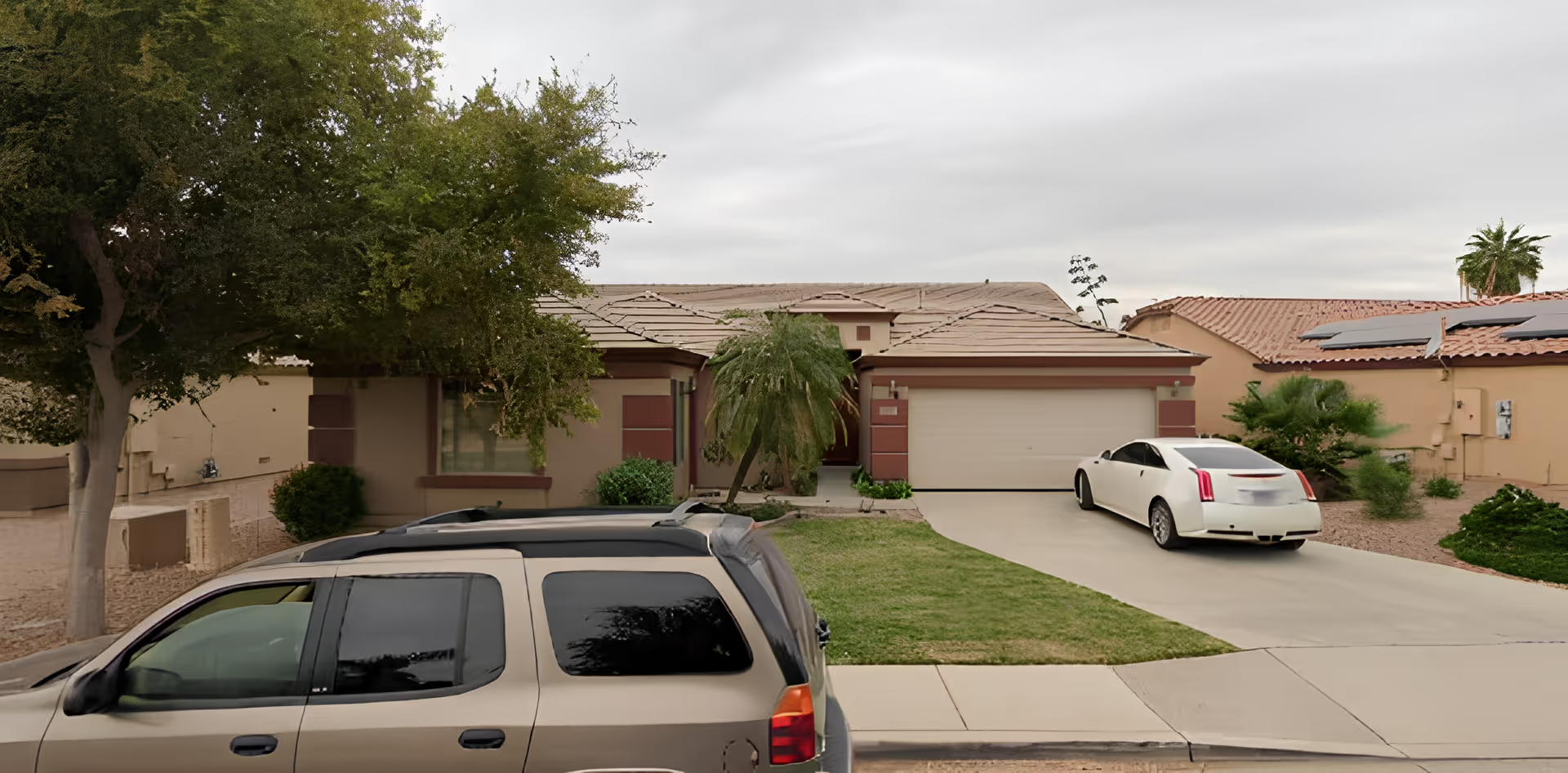
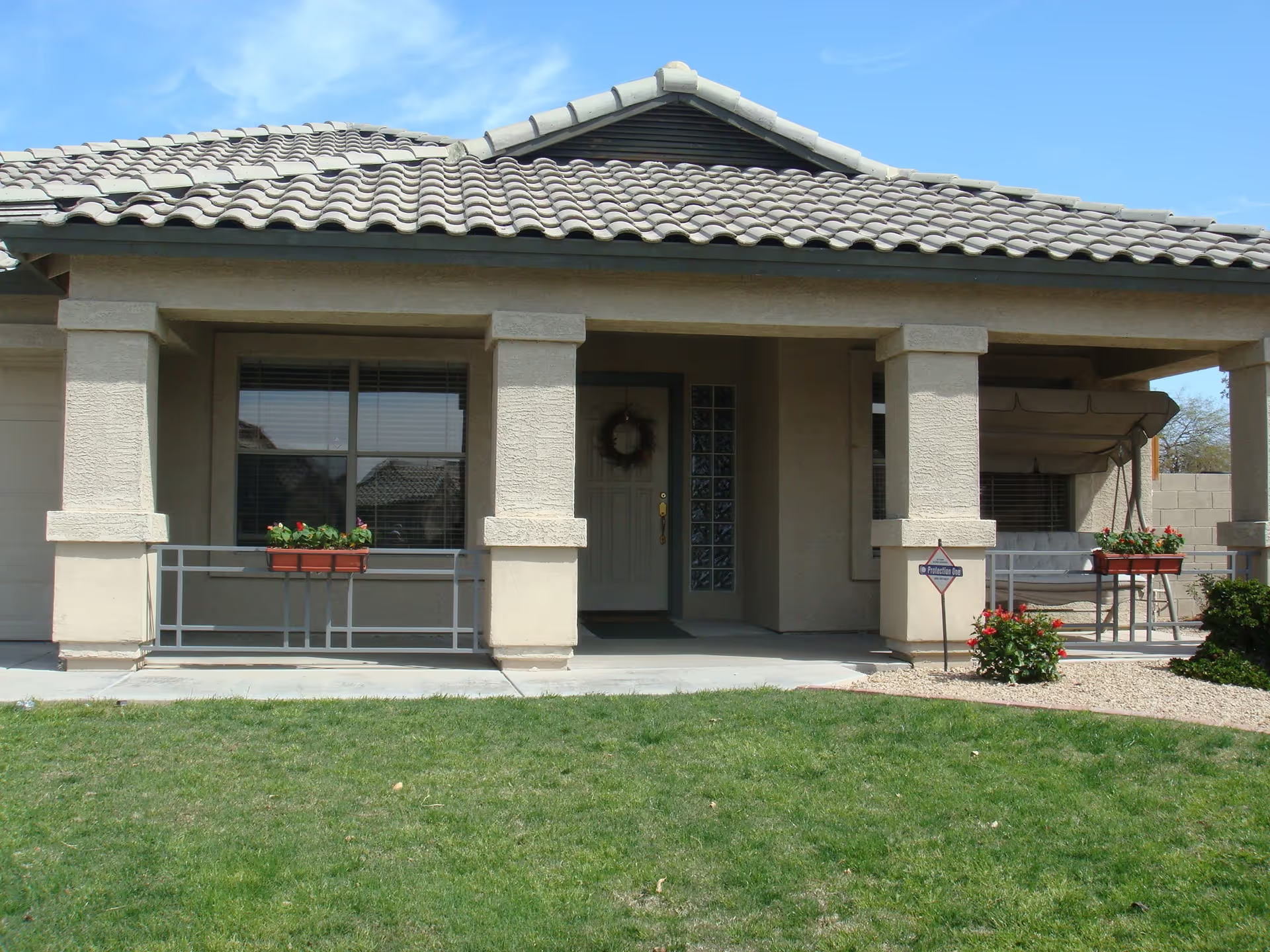
Across the reviews, All Care Assisted Living Home & Memory Care is most consistently praised for its person‑centered caregiving and family‑home atmosphere. Families emphasize compassionate, attentive staff who take time to know residents, frequent communication with relatives (including photos and FaceTime), and an owner/management presence that is responsive and involved during transitions. Several reviews note individualized care plans and consistent support during delicate or end‑of‑life situations, which families found reassuring.
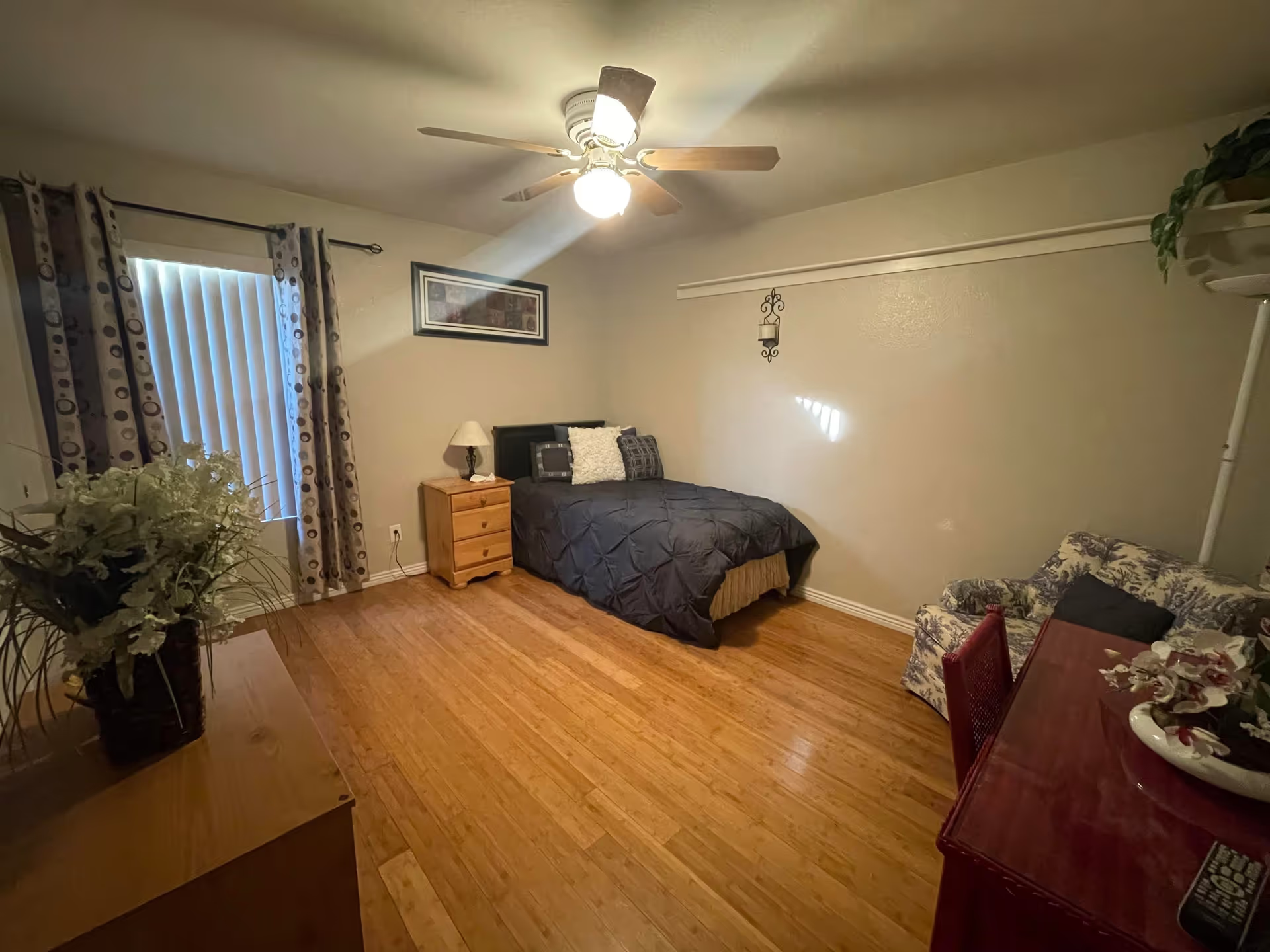
Staff performance and caregiver attitude are among the facility's strongest attributes. Caregivers are described as cheerful, motivating, and respectful; names such as Lilly and Cookie and the owner were frequently singled out for positive attention. The facility facilitates on‑site nursing and physician visits, assists with medical needs, and is viewed by many as providing relief and dignity for families. Families repeatedly describe a clean, well‑maintained environment with private rooms, en‑suite bathrooms, and accessible outdoor areas that contribute to a comfortable, home‑like setting.
Dining and ancillary services receive generally favorable comments. Reviewers commonly cite home‑cooked meals, fresh fruit, and accommodations for dietary needs; transportation, laundry, and housekeeping services are available and well‑regarded by many families. At the same time, there are notes of inconsistent meal quality and nutritional oversight from some reviewers, which suggests variability in culinary or diet management that prospective families may wish to clarify.
There are recurring operational concerns that merit attention. A subset of reviews raised serious issues about clinical protocols, staff training, and sanitation following an adverse incident; these critiques point to potential gaps in emergency response, transfer safety, and hygiene practices. Staffing variability also appears to influence how consistently residents receive one‑to‑one attention — a few reviews described times when individualized care was less available. Activity programming is generally modest; while a family‑style environment supports informal engagement, organized activities have at times been limited (notably during infectious‑disease restrictions) and may be constrained further by a small resident census.
Financial and capacity considerations are also notable. The facility does not accept ALTCS, and reviewers mention price increases as resident acuity grows, which may create financial barriers for some families. Additionally, a small resident population is both a feature and a risk: it supports personalized attention and a quiet home feel but has been cited as raising questions about long‑term operational sustainability and the breadth of on‑site programming.
For prospective residents and families: the facility offers strong interpersonal care, hands‑on management, and many practical services in a homelike setting. Before committing, visitors should tour the home, observe staffing patterns, ask about staff training and emergency protocols, review sanitation and infection‑control practices, clarify activity schedules, and confirm financial policies including how fees change with increased care needs and whether public payment programs are accepted.