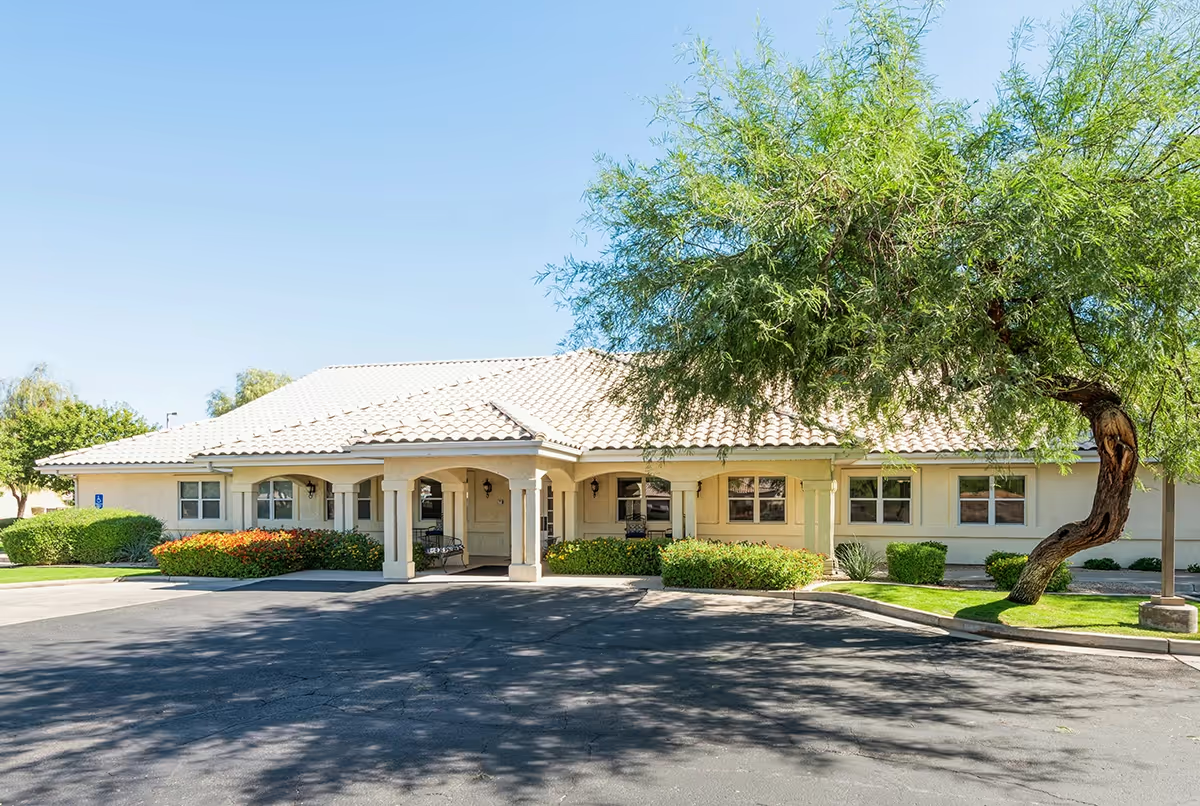
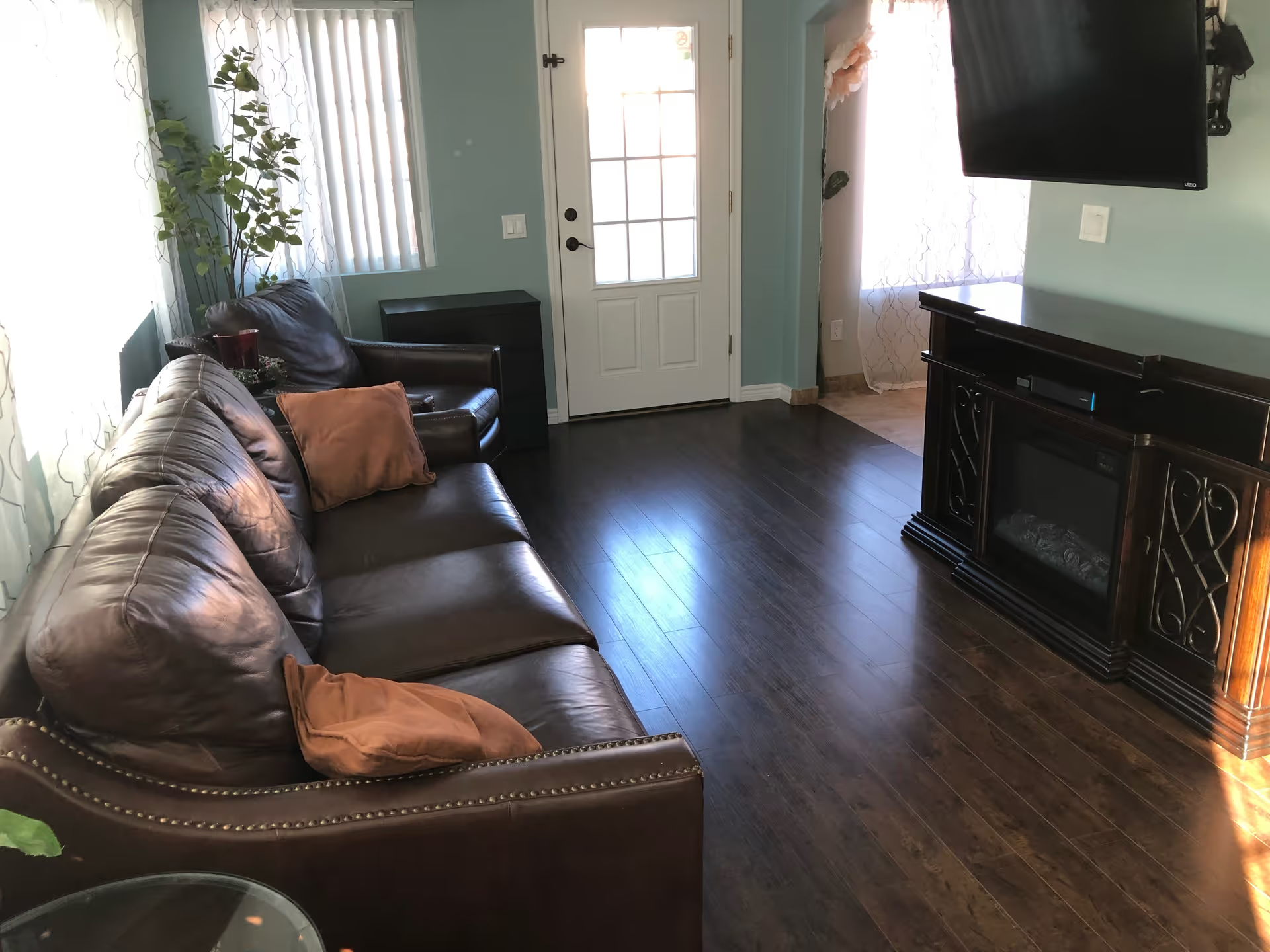
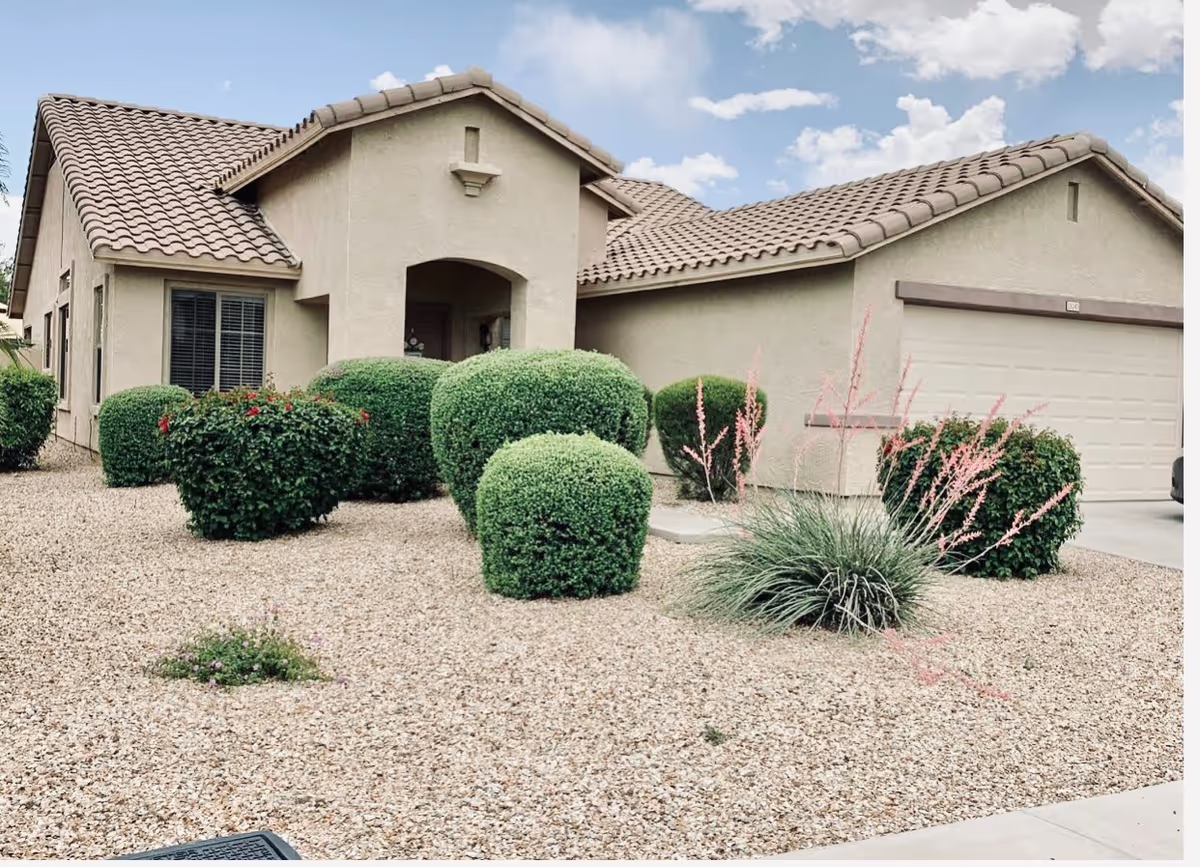
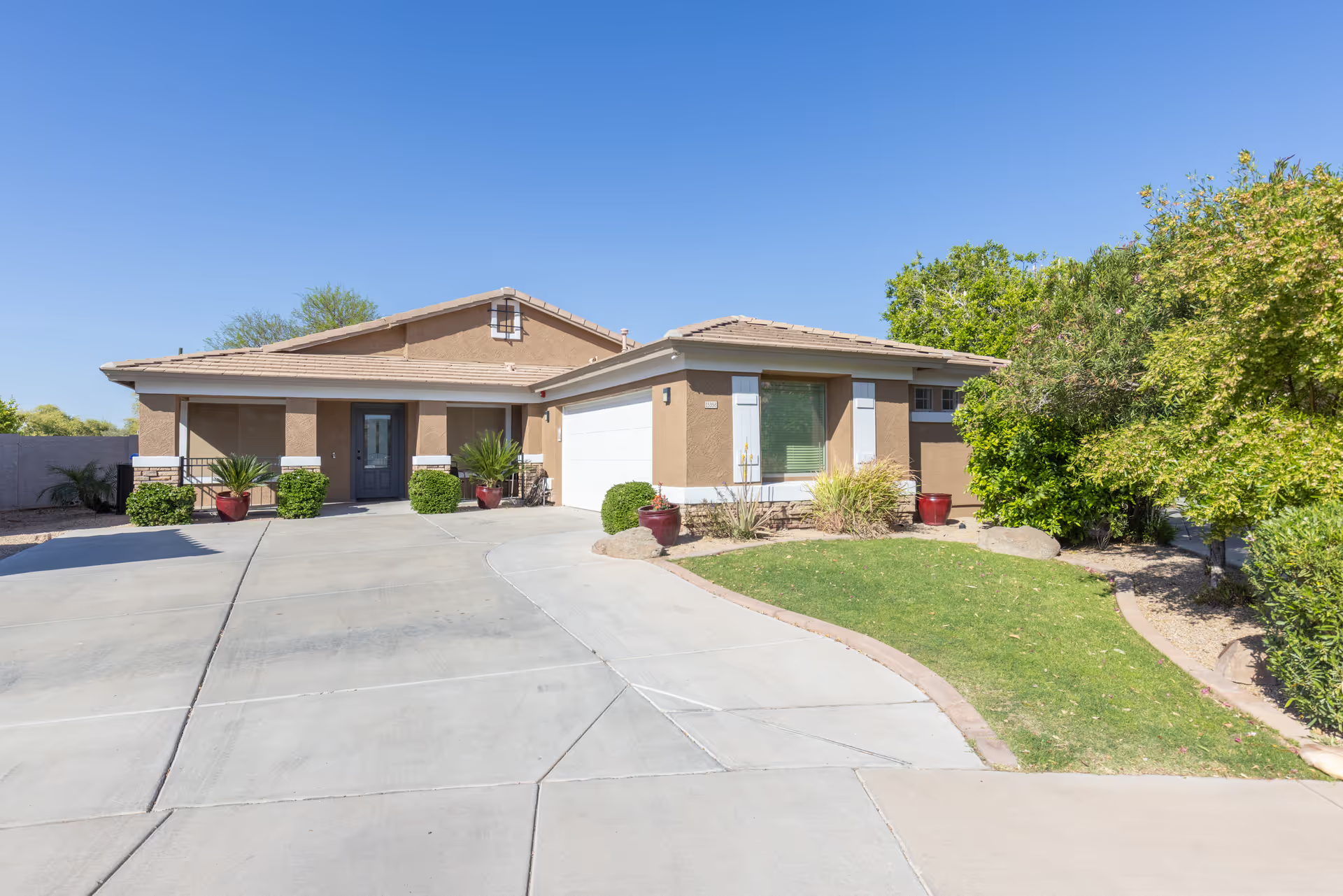
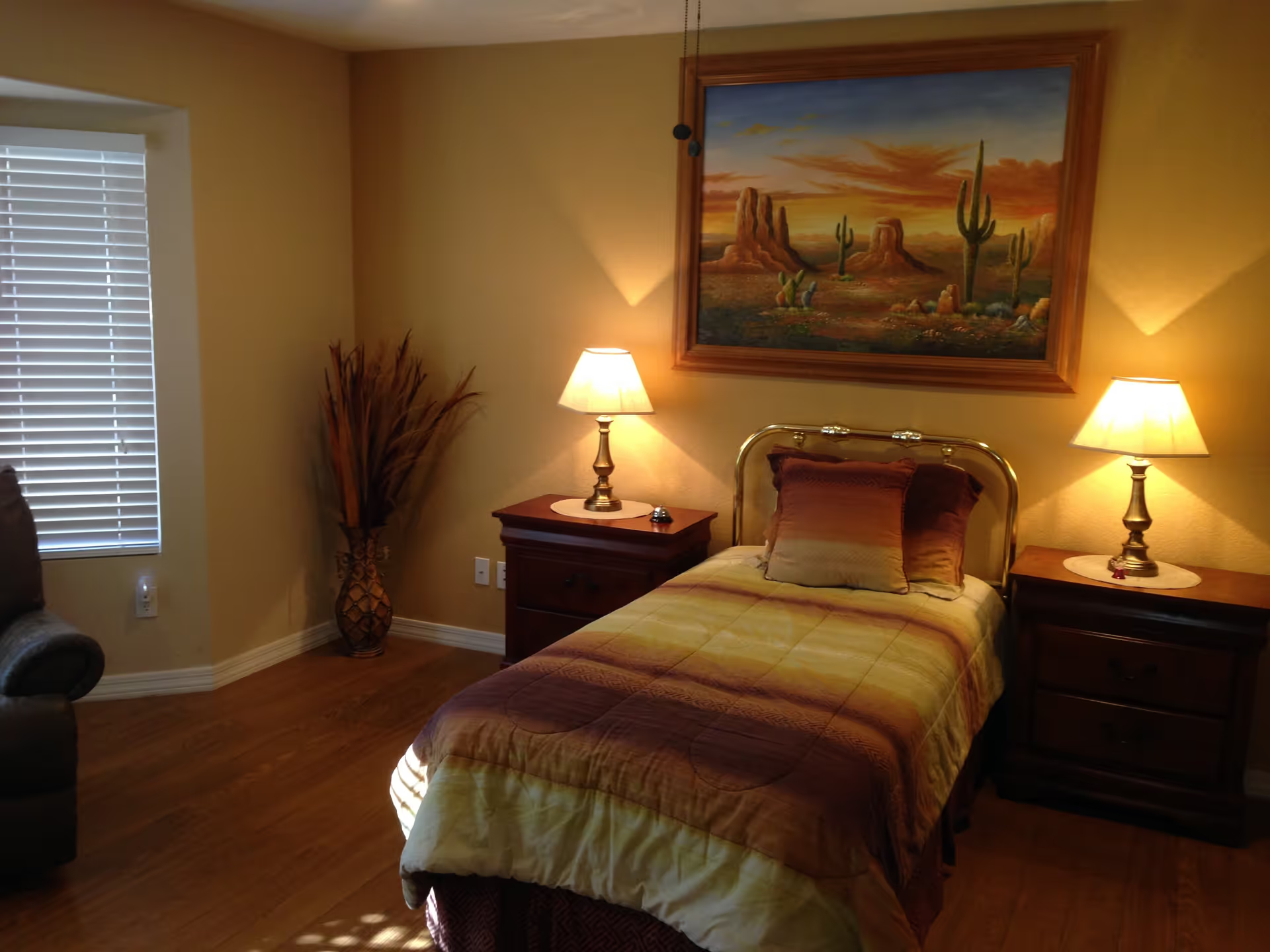
Gentle Care Assisted Living is characterized in the reviews as a small, residential-style facility with a strong emphasis on cleanliness, personalized attention, and a family-like care culture. Many families described a consistently tidy, well-maintained home environment and frequently noted rapid responsiveness from caregivers. The facility’s small scale and 24/7 staffing pattern are presented as strengths for individualized care, enabling staff to learn residents’ routines and preferences and to provide hands-on assistance when needed.
Clinical and personal-care quality is a recurrent theme. Several accounts highlight strict medication monitoring, close collaboration with hospice when appropriate, and attentive skin/pressure-injury prevention measures. Reviewers also praised coordinated therapies and ancillary services (physical therapy, beautician) and described caregiving that prioritized dignity and comfort in end-of-life situations. Owner and management involvement is frequently mentioned as contributing to consistent oversight and direct family communication.
Dining and daily life receive generally positive remarks: many families described home-cooked, nutritious meals, special-diet accommodations, and food that improved residents’ appetites. That said, there is some variability in dining experience noted across reviews — a minority referenced occasions when meals felt less homemade or were simpler (boxed items or cereal), suggesting inconsistency in meal preparation or service on certain days. In-house programming — games, exercise, movies, holiday and birthday celebrations — is cited as contributing to a home-like atmosphere, but a subset of comments point to uneven frequency or limited scale of activities, which appears tied to the facility’s small census.
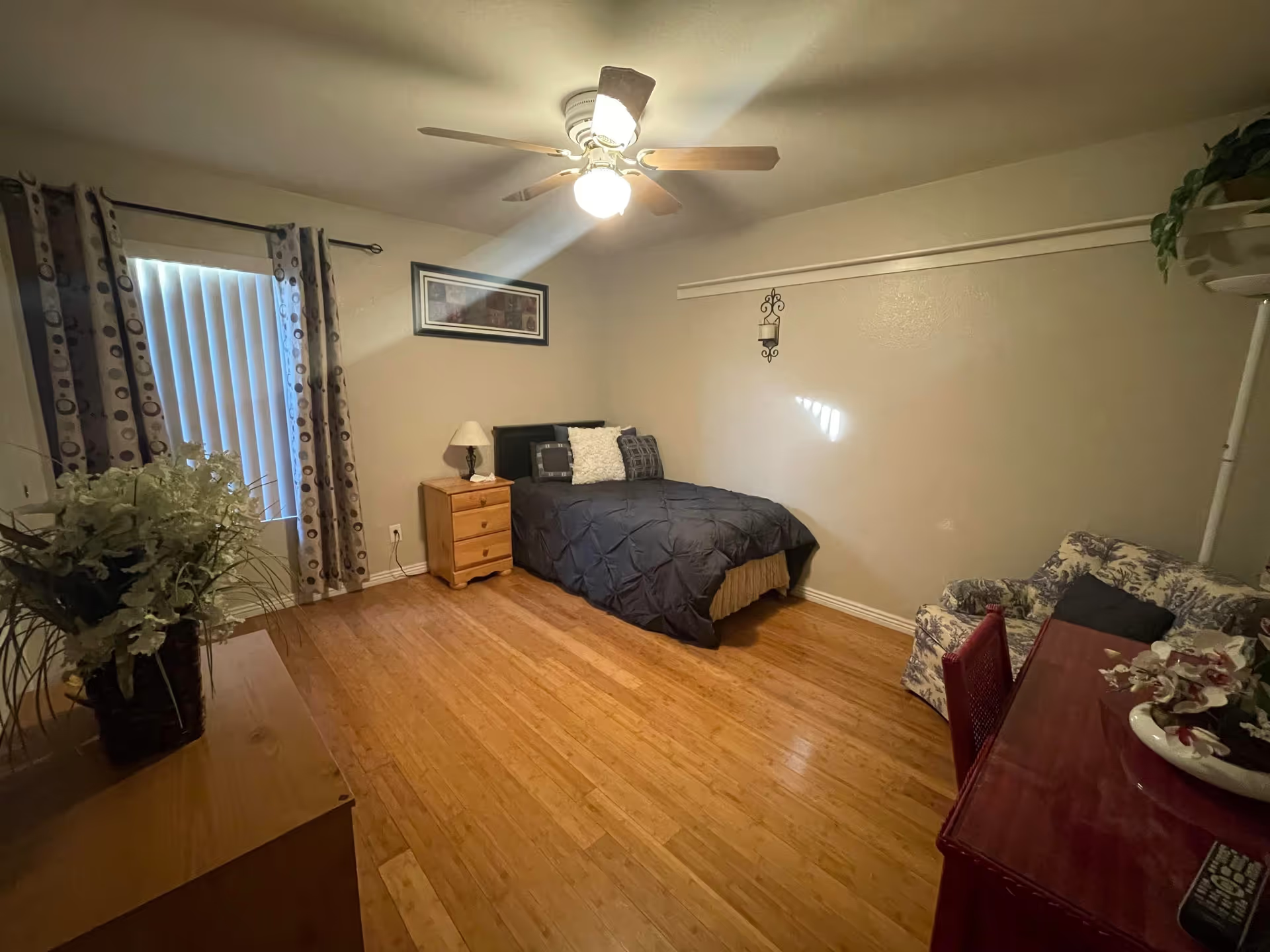
Facility attributes include private and semi-private accessible rooms, an enclosed outdoor area, wheelchair-friendly layout, and laundry/housekeeping services. Transportation is offered for medical appointments, but shopping and community outing transport is described as limited, which may affect families who expect regular off-site engagement. The facility’s small size is a double-edged feature: it supports close relationships and individualized care but can limit social diversity and the breadth or regularity of activity programming.
Overall pattern: the dominant tenor of the reviews is positive, emphasizing compassionate staff, personalized attention, cleanliness, and dependable clinical practices (medication handling, hospice liaison). Areas for prospective residents to probe during a tour include current meal-rotation practices, activity scheduling and typical resident census, and the scope/frequency of transportation for nonmedical outings. These operational questions will help families balance the strong individualized care and home-like environment against the limitations that can accompany a very small residential setting.