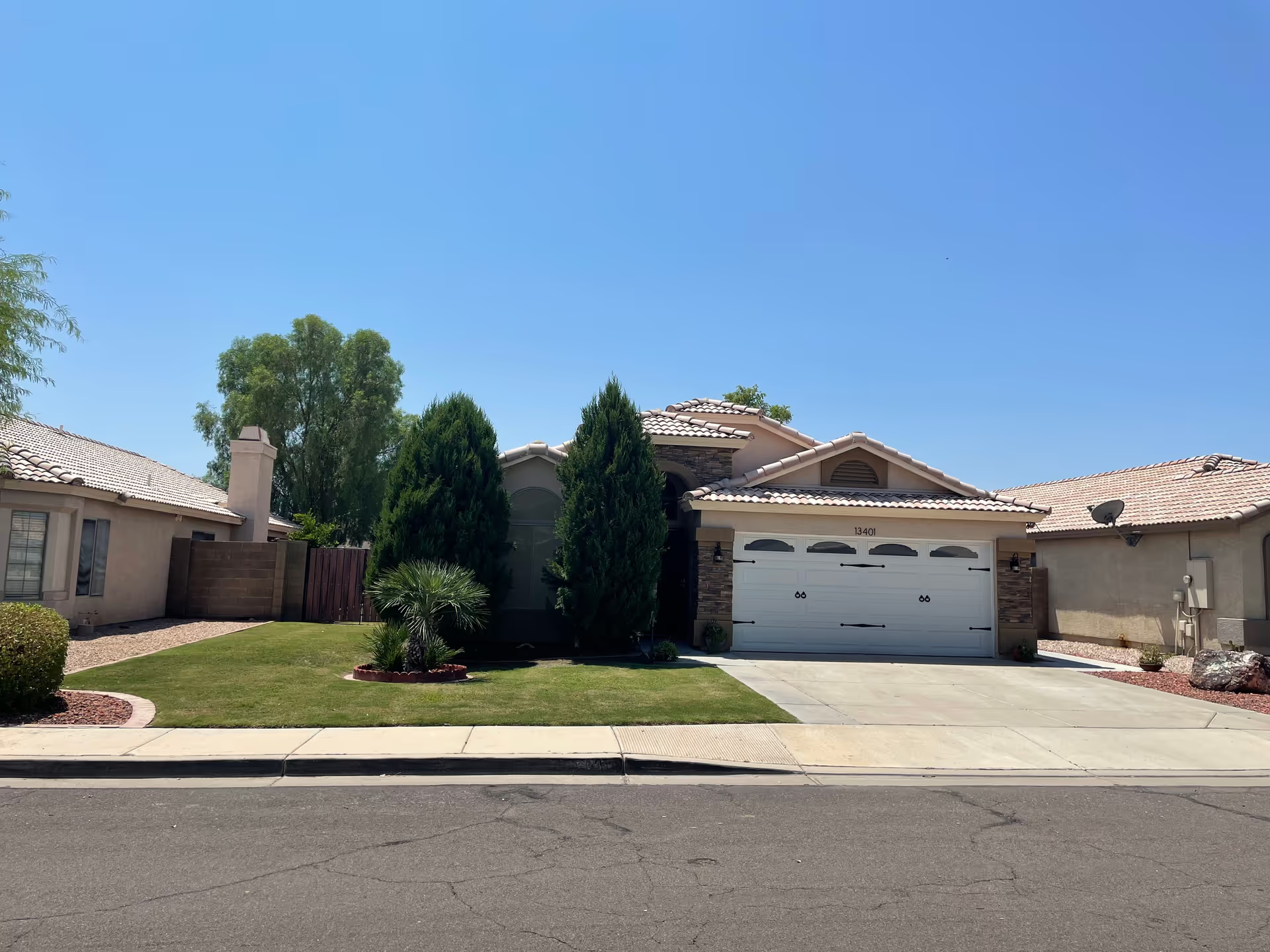
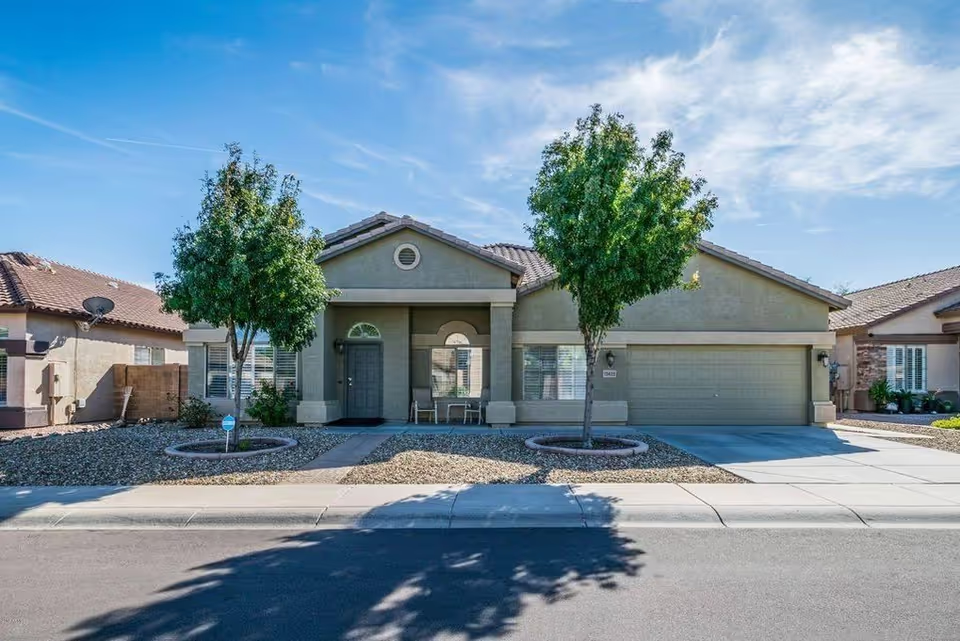
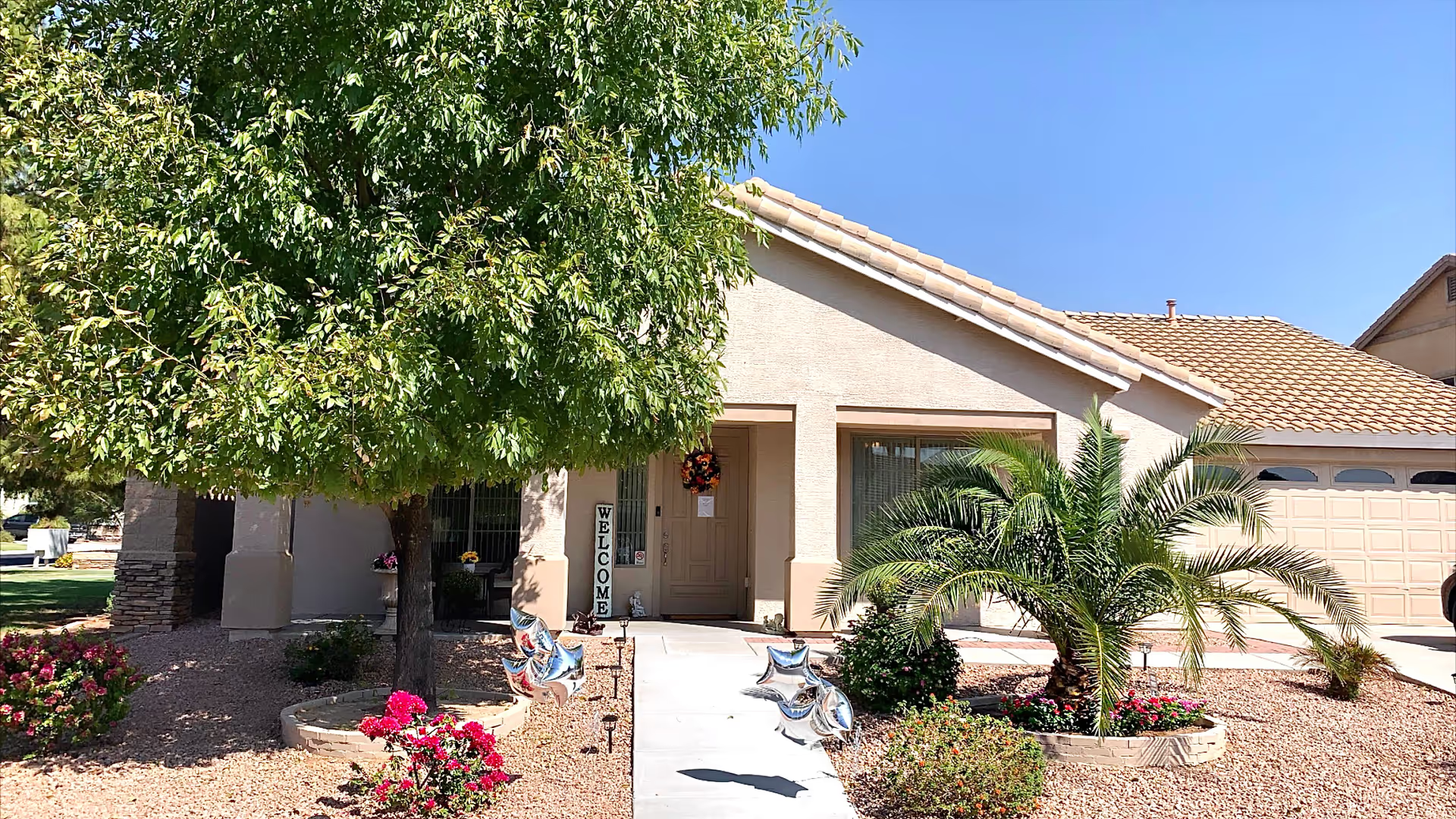
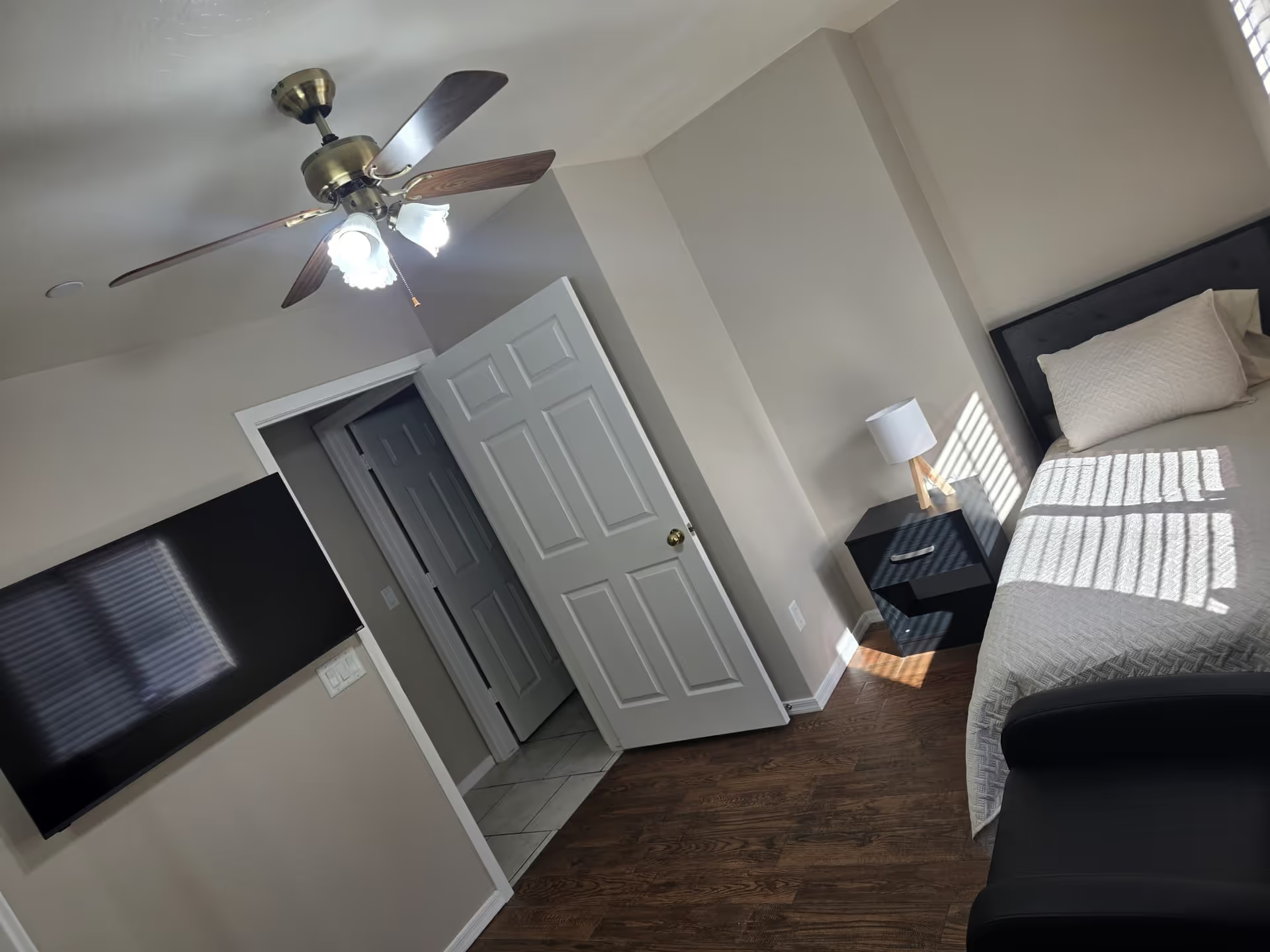
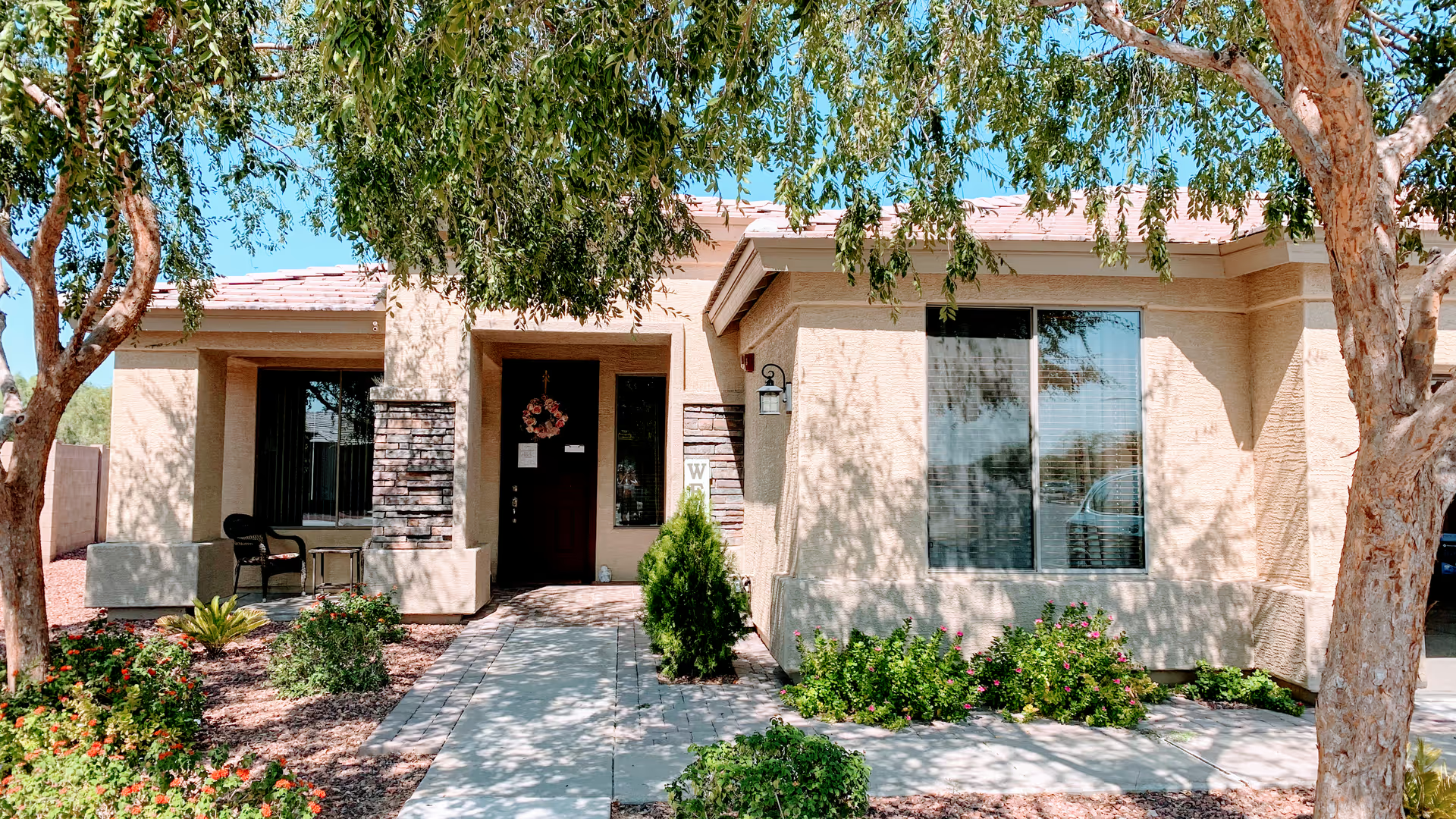
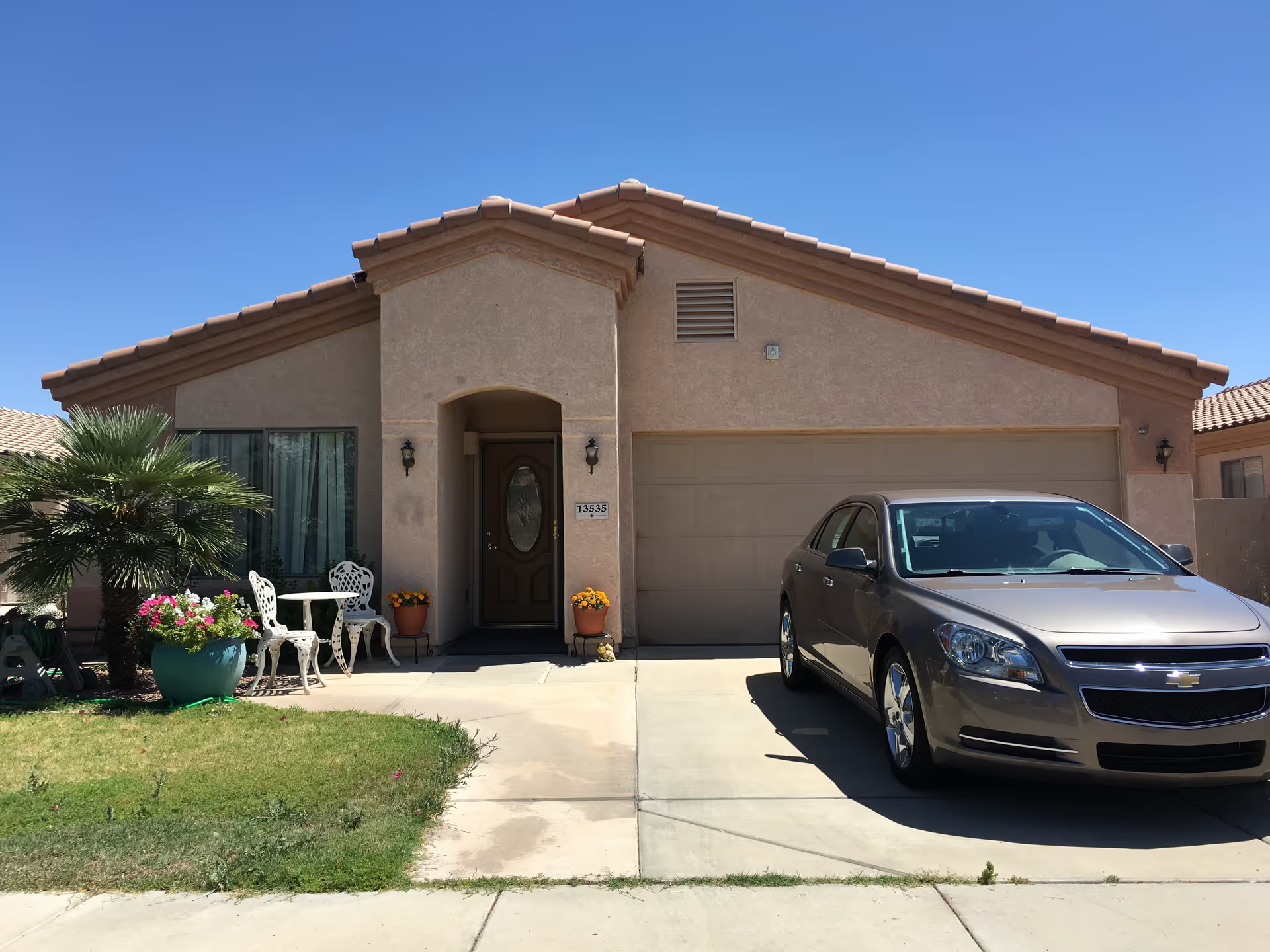
This facility presents as a small, home-style assisted living with several clear strengths alongside notable operational weaknesses. Positive aspects include a clean, well-maintained interior, relatively large resident rooms, and meals prepared from scratch under the oversight of a licensed dietitian. Families frequently describe a hospitable atmosphere and engaged, on-site ownership that contributes to a family-like caregiving approach and an ability to meet certain special needs.
Care and staffing are mixed. On the plus side, reviewers emphasize personalized attention and an owner-driven culture. However, recurring concerns center on inconsistent staff responsiveness and limited direct-care time with residents. Families have raised specific questions about medication communication and the clarity of medication processes; these suggest gaps in how medication information is conveyed to families and possibly in internal medication-management practices. There are also indications of challenges managing residents with vocal or disruptive behaviors, pointing to a need for stronger behavioral-management protocols and supervision.
Dining is a distinct strength in some respects: meals are described as freshly prepared and appealing, with the advantage of professional dietary oversight. At the same time, reviewers note that meal choices can be influenced by group preferences, which can limit individualized selection at times. For prospective residents with specific dietary preferences, it would be prudent to confirm how flexible meal planning and accommodations are handled day-to-day.
Activity programming and amenities appear limited. The homey, smaller scale supports a quiet environment but reviewers cite minimal organized activities beyond television, inconsistent adherence to resident schedules (for example, rest times), and restricted access to outdoor areas or patio space. These factors can reduce opportunities for regular outdoor time and social engagement for residents who value those options.
Management and facilities show a contrast between appearance and lived experience. Cleanliness and room size are strengths, and on-site owners are viewed as involved and hospitable. Still, some families perceive a mismatch between the facility’s presentation and daily operations, and there are few private-room options available. Taken together, the pattern suggests a facility with solid hospitality and dining advantages but with operational constraints in staffing, medication communication, activity programming, behavioral management, privacy options, and outdoor access.
For prospective residents and families considering this home, recommended next steps include observing staff–resident interactions during a visit, asking for specifics about medication protocols and family communication, verifying the availability of private rooms if needed, and reviewing the daily activity schedule and outdoor access policies. These targeted inquiries will help clarify whether the facility’s strengths align with an individual’s priorities and care needs.