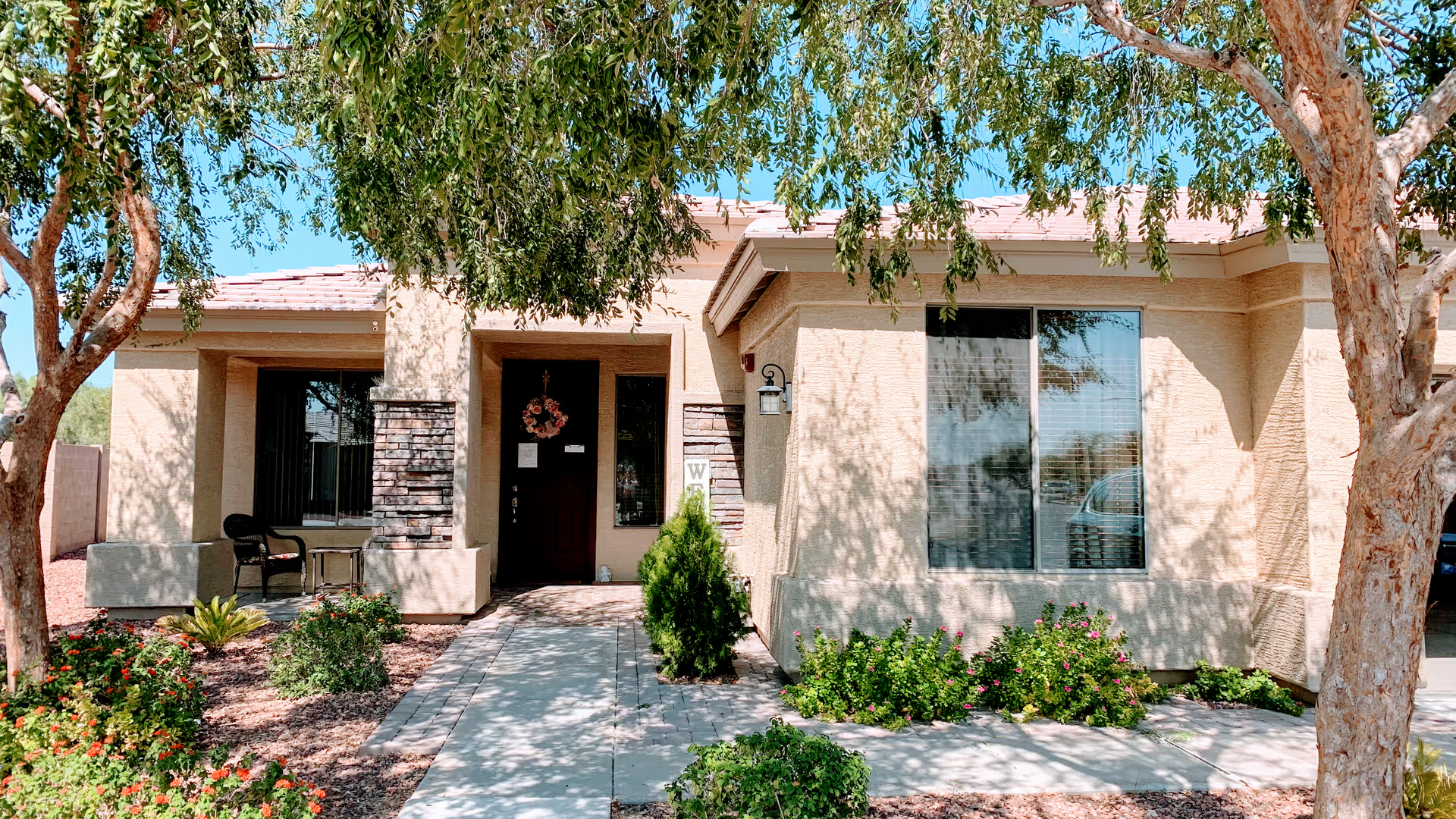
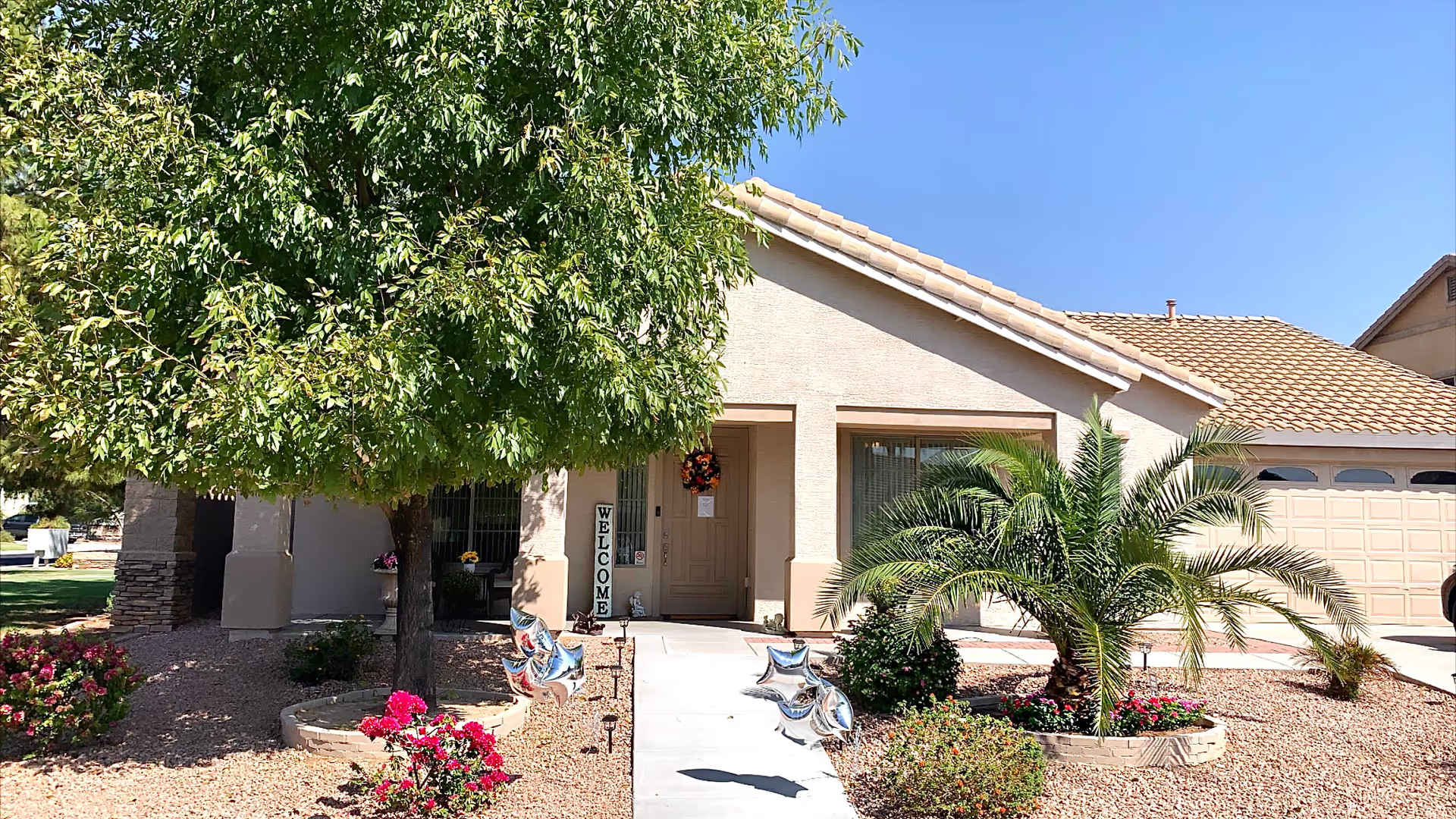
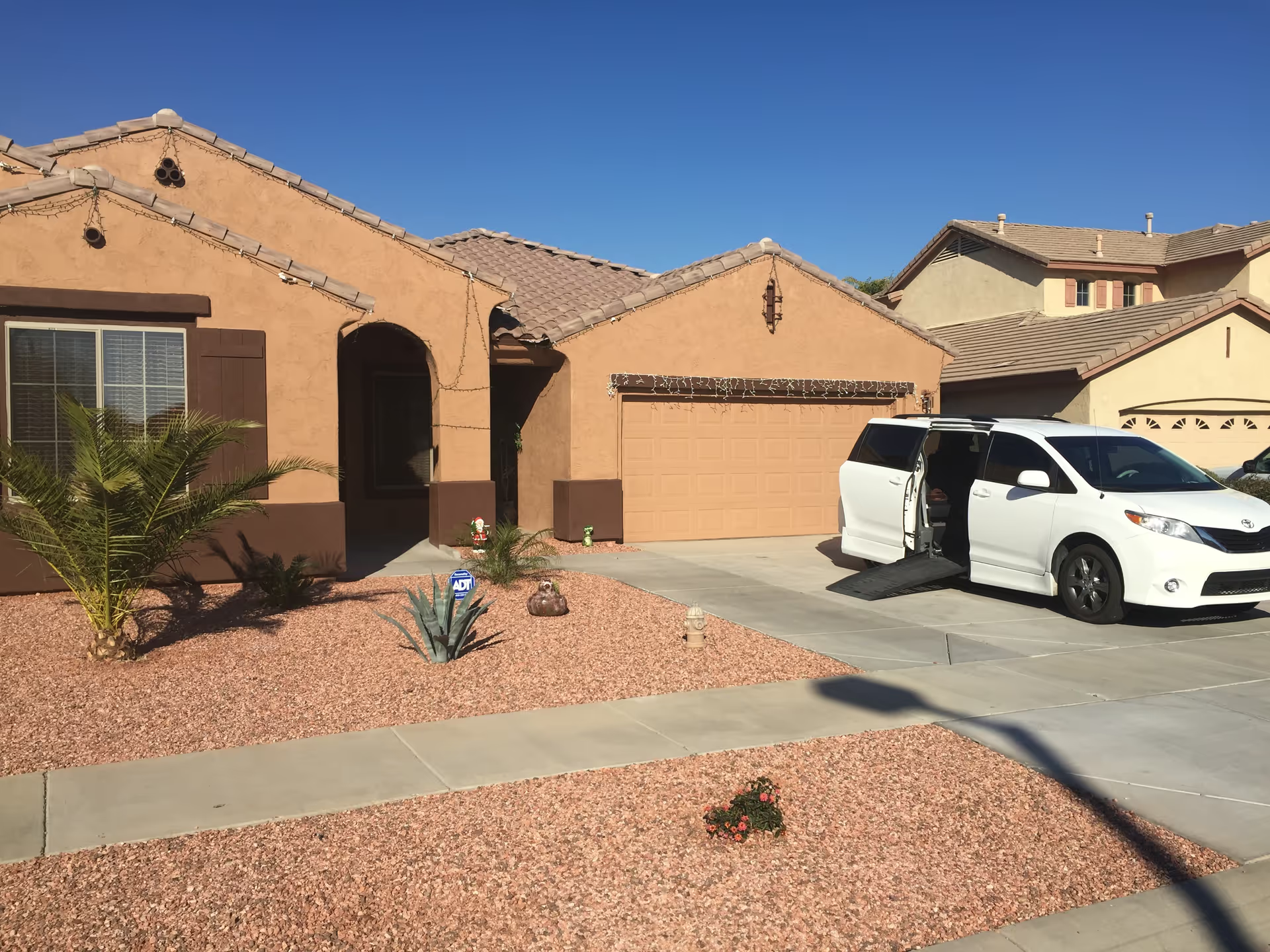
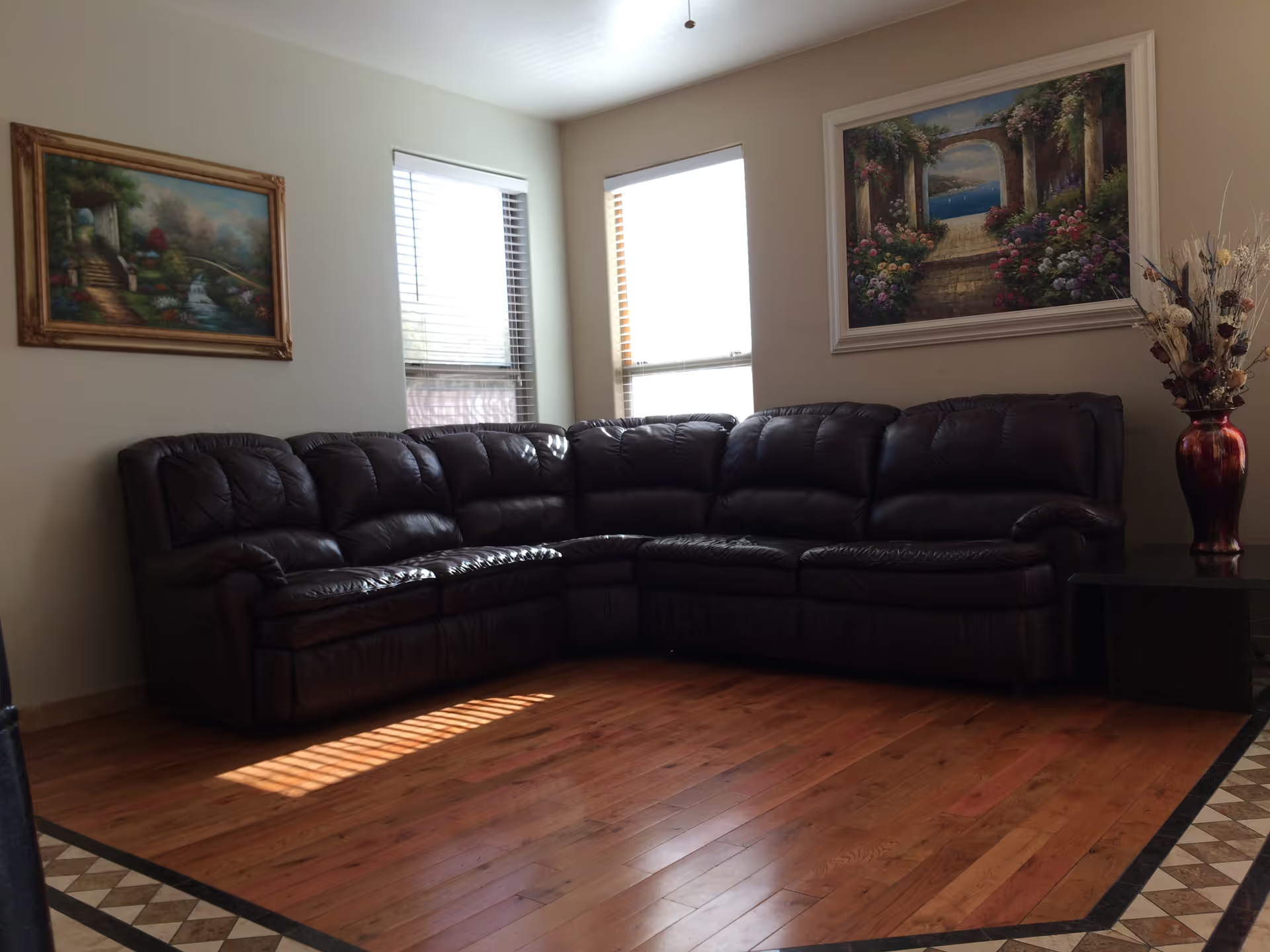
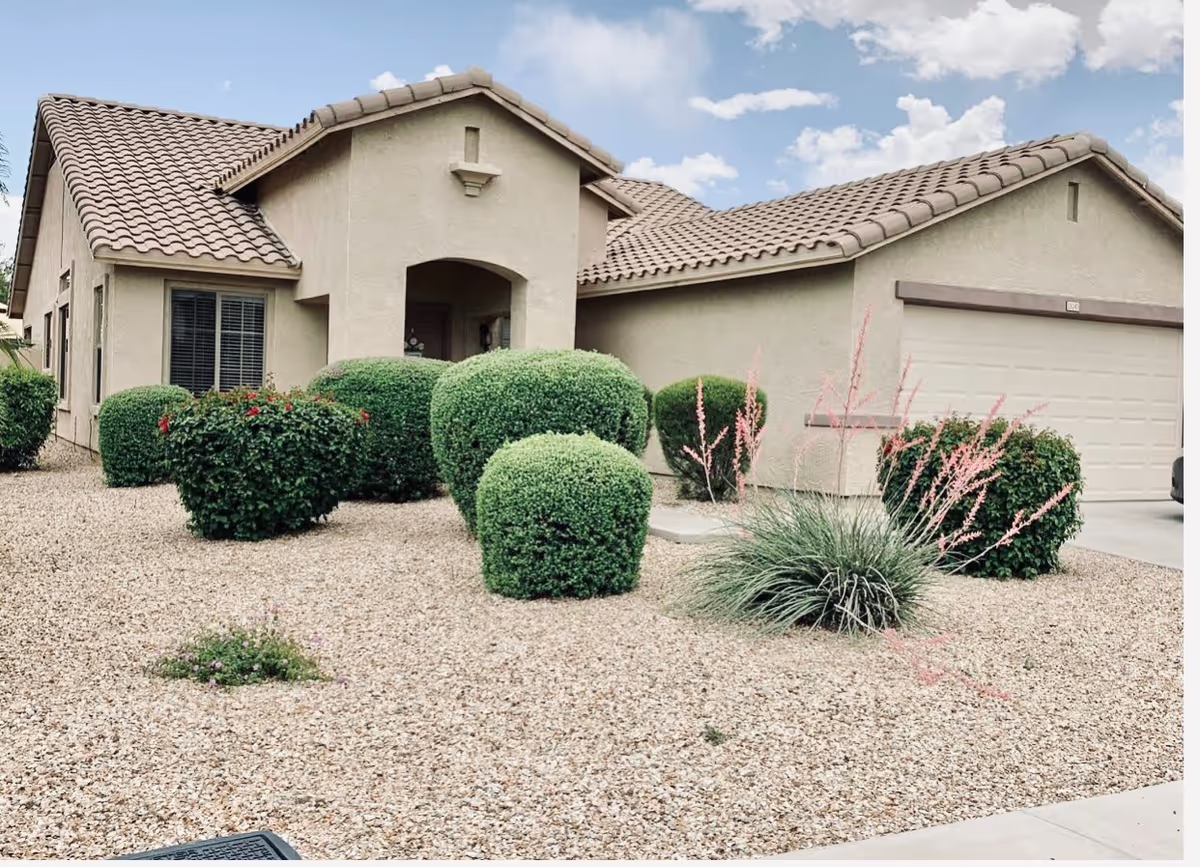
Overall impression: Reviews portray a small, home-like assisted living that many families find clean, welcoming, and well maintained. Multiple accounts praise friendly, attentive caregivers, a hands-on owner or administrator, effective medication management, and a safe environment for residents with mobility or fall risk. The facility’s size and personal atmosphere are repeatedly cited as contributors to individualized care and social opportunities.
Care and staff: Care quality is described positively in numerous reviews, with emphasis on compassionate, personalized attention and staff who build social connections. The owner/administrator presence is highlighted as a strength—families report accessible leadership and direct involvement in residents’ daily life. However, a notable pattern is frequent staff turnover; several reviews indicate variability in care consistency and responsiveness across shifts, which can affect continuity of care.
Dining: Dining impressions are mixed. Many families comment that meals are appealing and smell appetizing, and some residents report enjoying the food. At the same time, reviewers flagged inconsistency between menu expectations and service on occasion, and the absence of specific culturally appropriate options (for example, kosher meals) was noted. Those considering this facility should clarify dietary accommodations and meal-service practices with management.
Activities and social engagement: The facility’s small size and communal setting support socialization—reviews mention new friendships and activities such as bingo. Nonetheless, several families described limited structured programming or a modest activity focus, with some residents experiencing periods of low engagement during meals or the day. Activity offerings appear to vary and may be more limited compared with larger communities.
Facilities and management: The physical environment is consistently described as clean, well kept, and pleasant, with a homelike pace that fits many residents’ needs. Location and accessibility were cited as practical advantages. Management is often characterized as accessible and responsive, and that hands-on leadership contributes to individualized service. Still, a few reviews raised serious concerns about delays in clinical response and family notification during medical declines; while these appear to be isolated reports, they point to possible gaps in incident response protocols and family communication that prospective families should discuss directly with staff.
Notable patterns and practical takeaways: Strengths center on individualized, compassionate care in a clean, small-home setting with engaged ownership. Primary operational weaknesses include staff turnover, occasional variability in care and responsiveness, limited or inconsistent activity programming, and uneven dining accommodations for special diets. Prospective residents and families may benefit from asking about staff continuity, on-call/incident response procedures, specific dietary accommodations, and the weekly activity schedule during a tour or intake conversation.