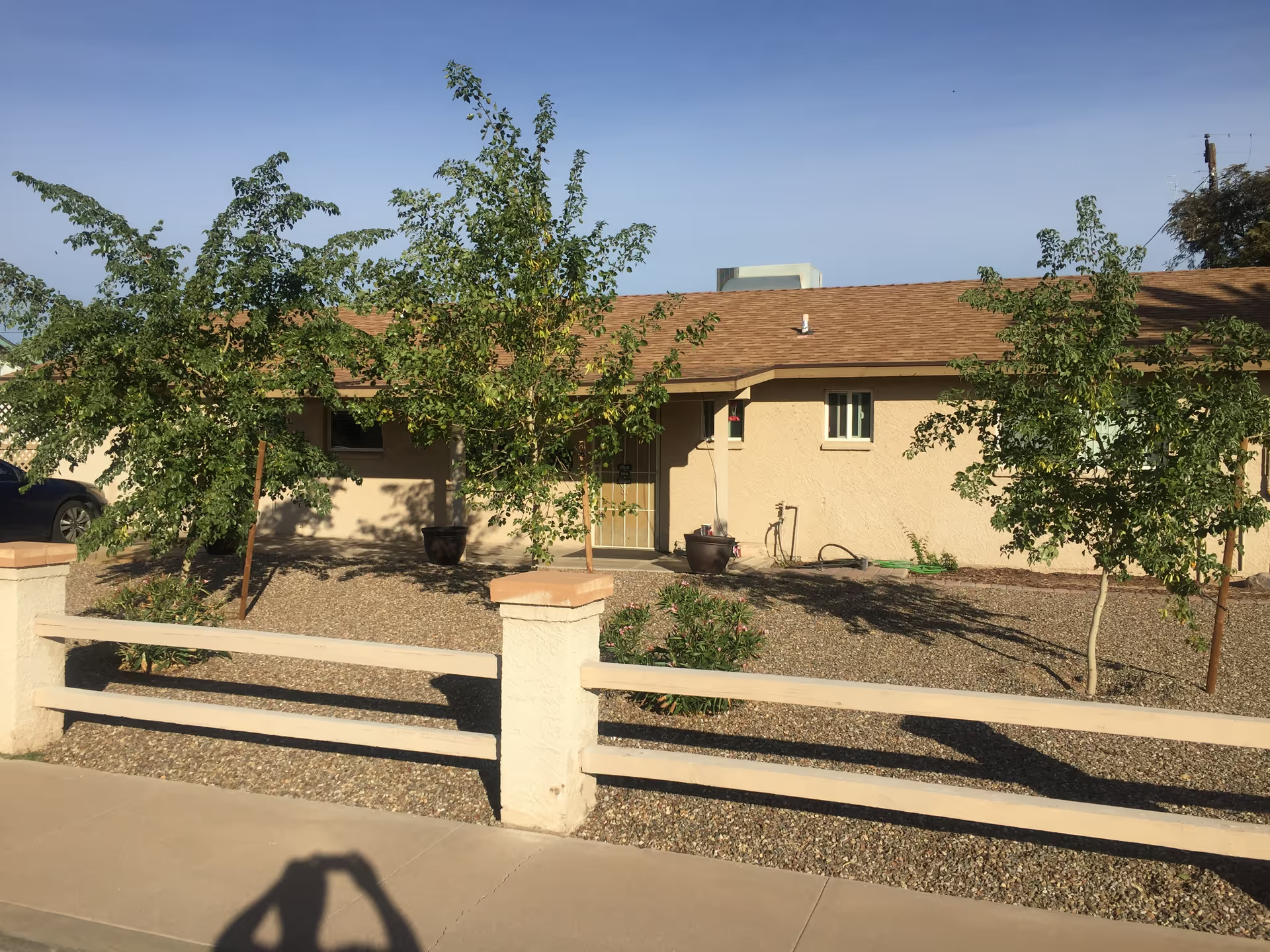
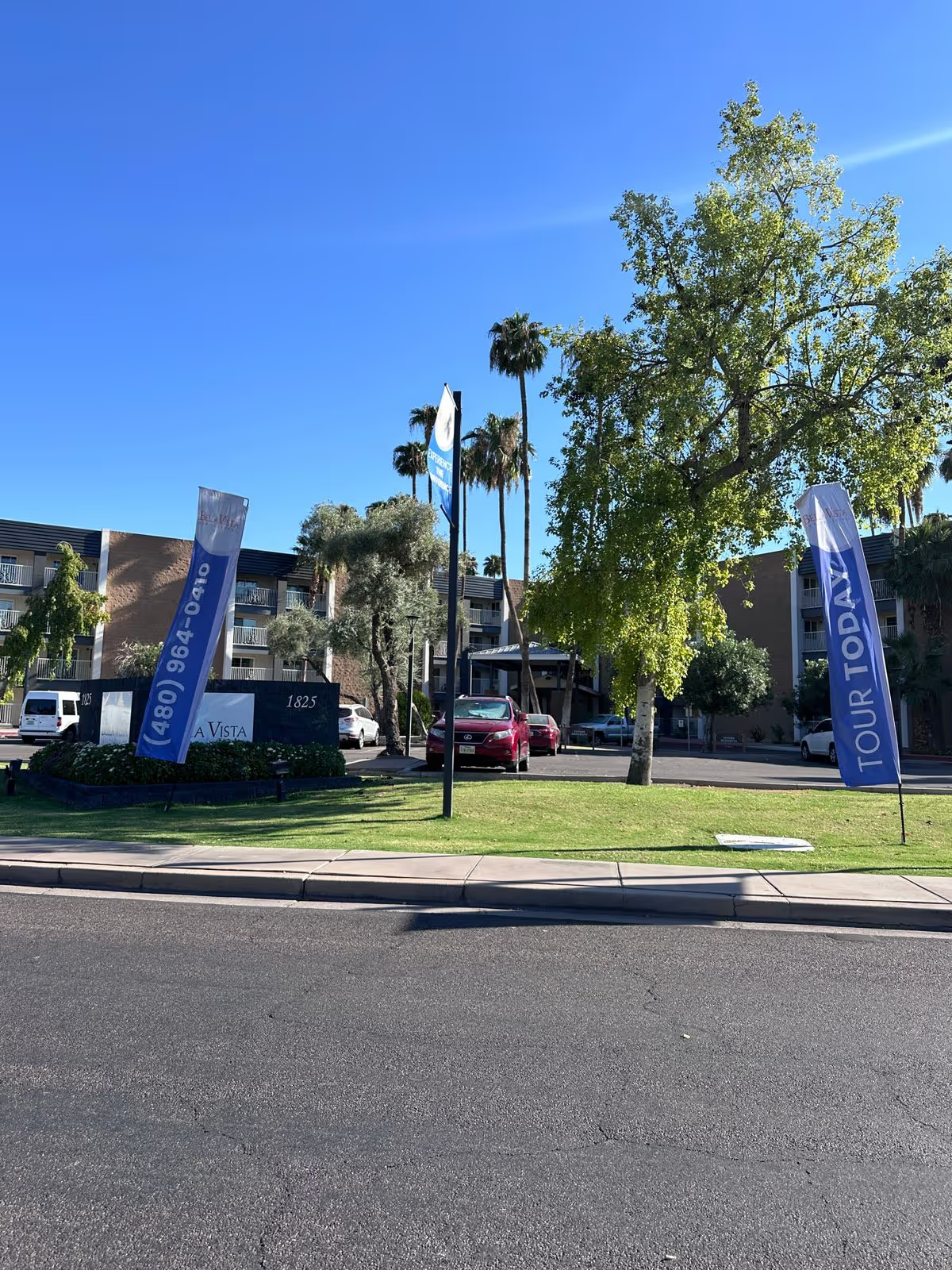
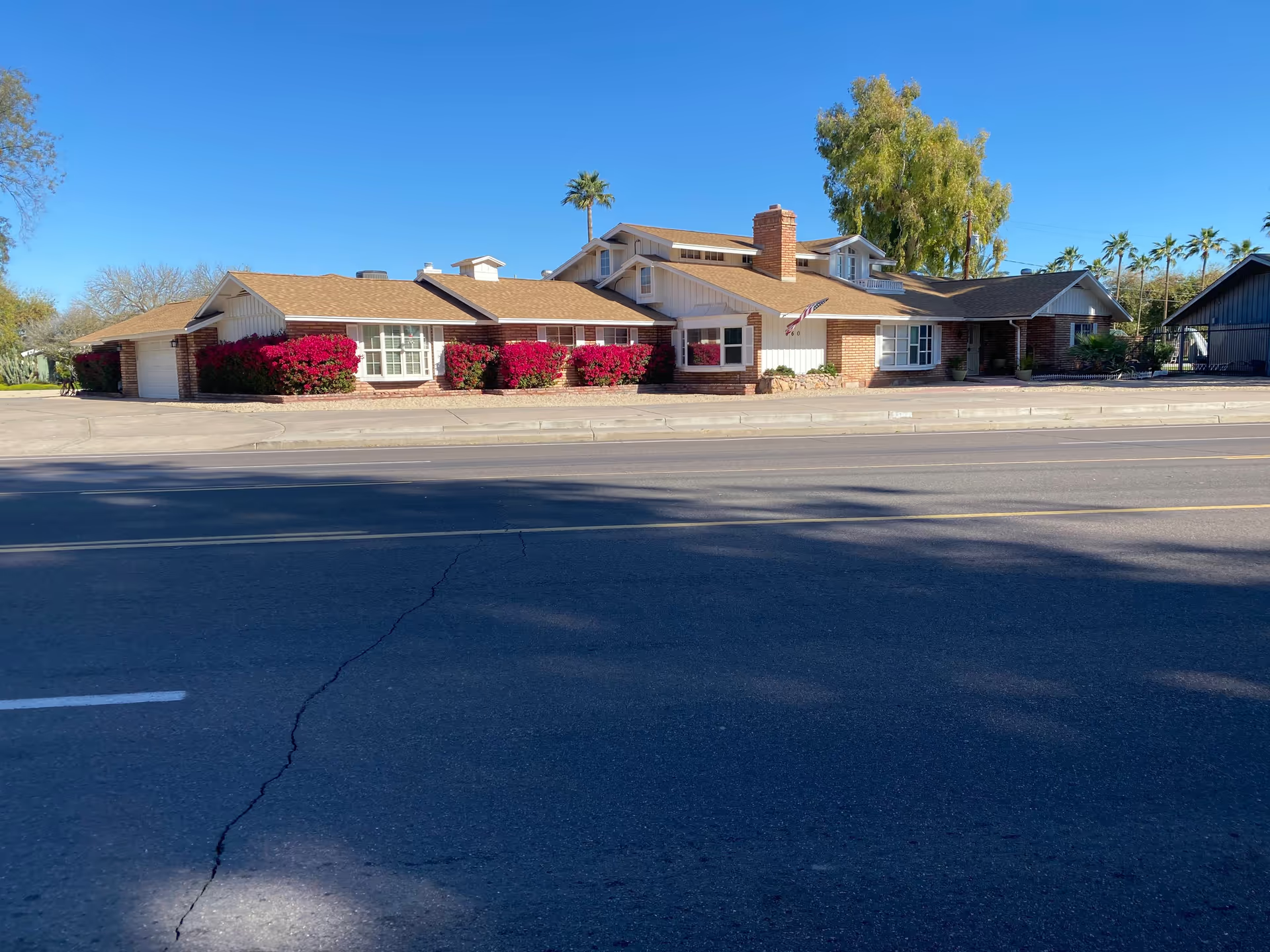
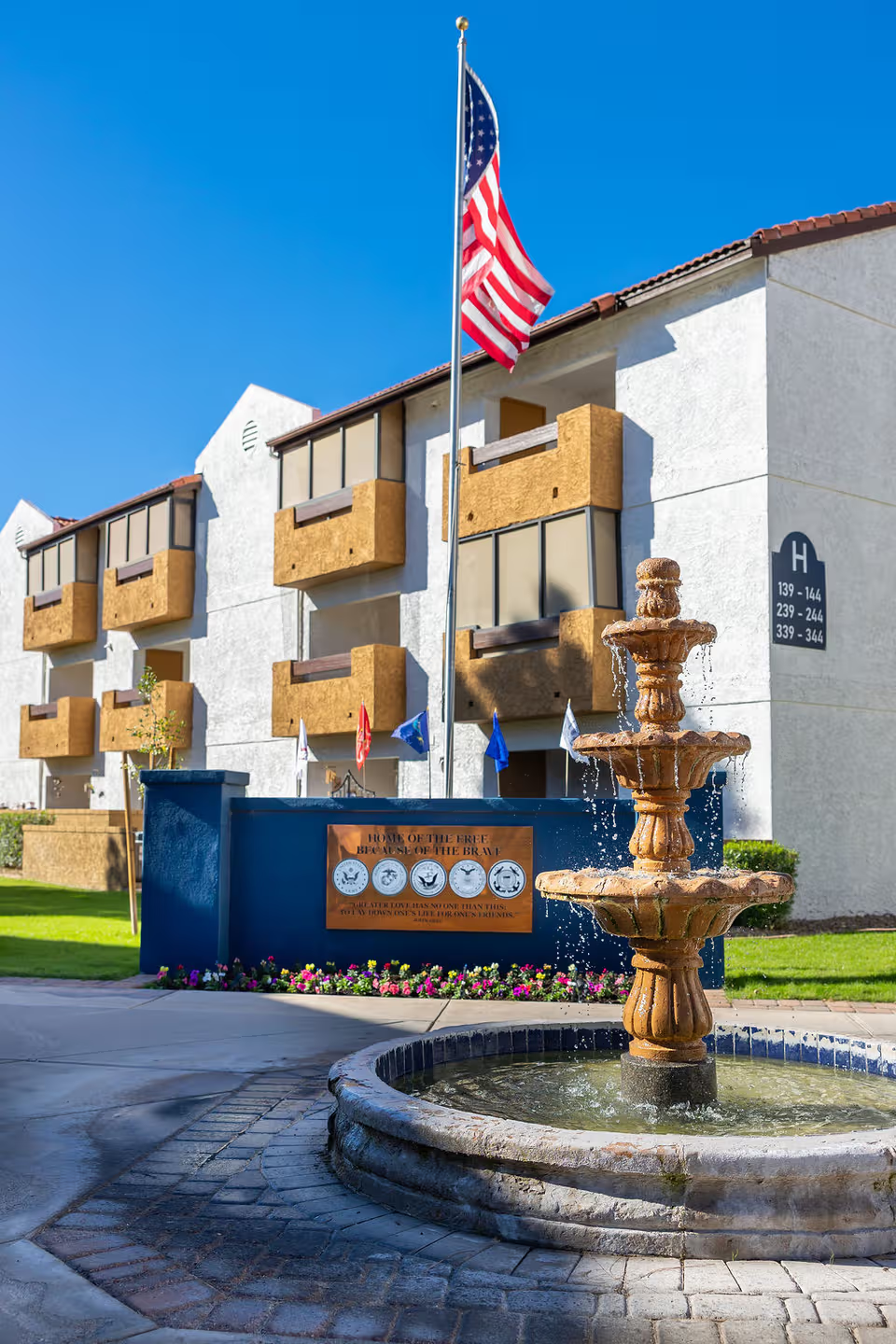
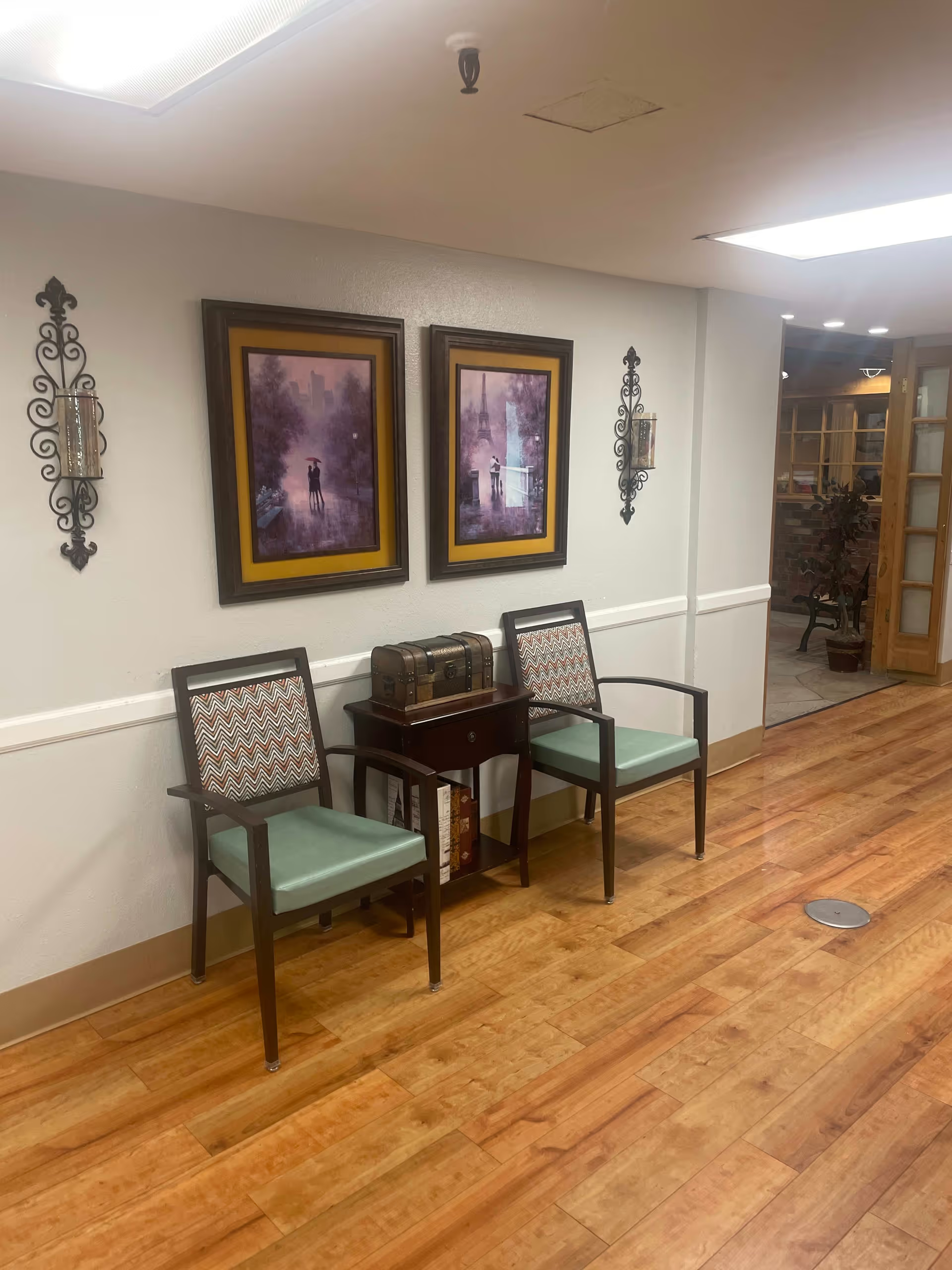
The available review material conveys an overall positive impression of Apache ASL Trails, with particular praise for the facility condition, apartment quality, and a sense of safety. The reviewer highlighted staff kindness and described the environment as excellent and well maintained. Activity offerings appear oriented toward resident hobbies and include spiritual programming such as Bible study, which may be attractive to residents seeking those opportunities.
Care and staffing impressions are generally favorable where mentioned: the reviewer singled out staff kindness. However, the review does not provide detailed information about clinical care, assistance levels, staffing ratios, or medication-management practices. Prospective residents and families should request specifics about levels of care, nurse availability, and how individualized care plans are implemented.
Dining and daily-living services were not described in the review. That absence creates uncertainty about meal quality, menu variety, special-diet accommodations, and the scheduling and continuity of meal service. Visitors should ask for sample menus, typical meal schedules, and policies for special-diet or therapeutic-meal needs.
Activities are characterized as hobby-focused and include organized spiritual gatherings, which suggests purposeful programming. At the same time, the reviewer expressed disappointment about the closure of an element identified as "Jo-Ann," indicating potential disruption when individual leaders or programs end. This points to a facility-level vulnerability around program continuity and a possible dependence on specific staff or volunteers to run activities.
Facilities and management impressions are positive with respect to physical upkeep and safety, but the noted program closure highlights the importance of asking management about continuity plans for activities and services. Practical follow-ups for families include touring multiple apartment types, observing an activity or Bible study, sampling a meal, reviewing staffing and on-call arrangements, and asking how the community handles transitions when an activity leader or program is discontinued.
Overall, the review offers a reassuring snapshot of a clean, safe, and activity-oriented community with courteous staff, while also indicating gaps in publicly available detail about clinical care and dining and a potential for program interruptions tied to individual leaders. These are reasonable topics to address directly with the community during a visit or in pre-move planning.