The reviews present a strongly polarized picture of Sandstone of Tucson. Many families and residents praise the facility for its rehabilitation services, attentive therapists, and a number of compassionate nurses and CNAs who provided meaningful hands-on care. Case managers and social-service staff receive repeated positive mentions for coordination and follow-up, and several reviewers highlighted helpful front‑desk staff, timely discharge planning, and engaging activities that supported resident reintegration and morale.
At the same time, a consistent set of operational concerns recurs across reviews. The most frequent themes are staffing instability and slow responses to call buttons, which reviewers linked to delays in basic care tasks such as bathing, repositioning, and assistance with meals. Reviewers also described variability in clinical oversight and documentation; specific areas of concern included wound-care follow-through, diabetic-meal coordination, and medication/assessment consistency. Night-shift supervision and consistency of professional conduct were described as weaker than daytime coverage in multiple accounts.
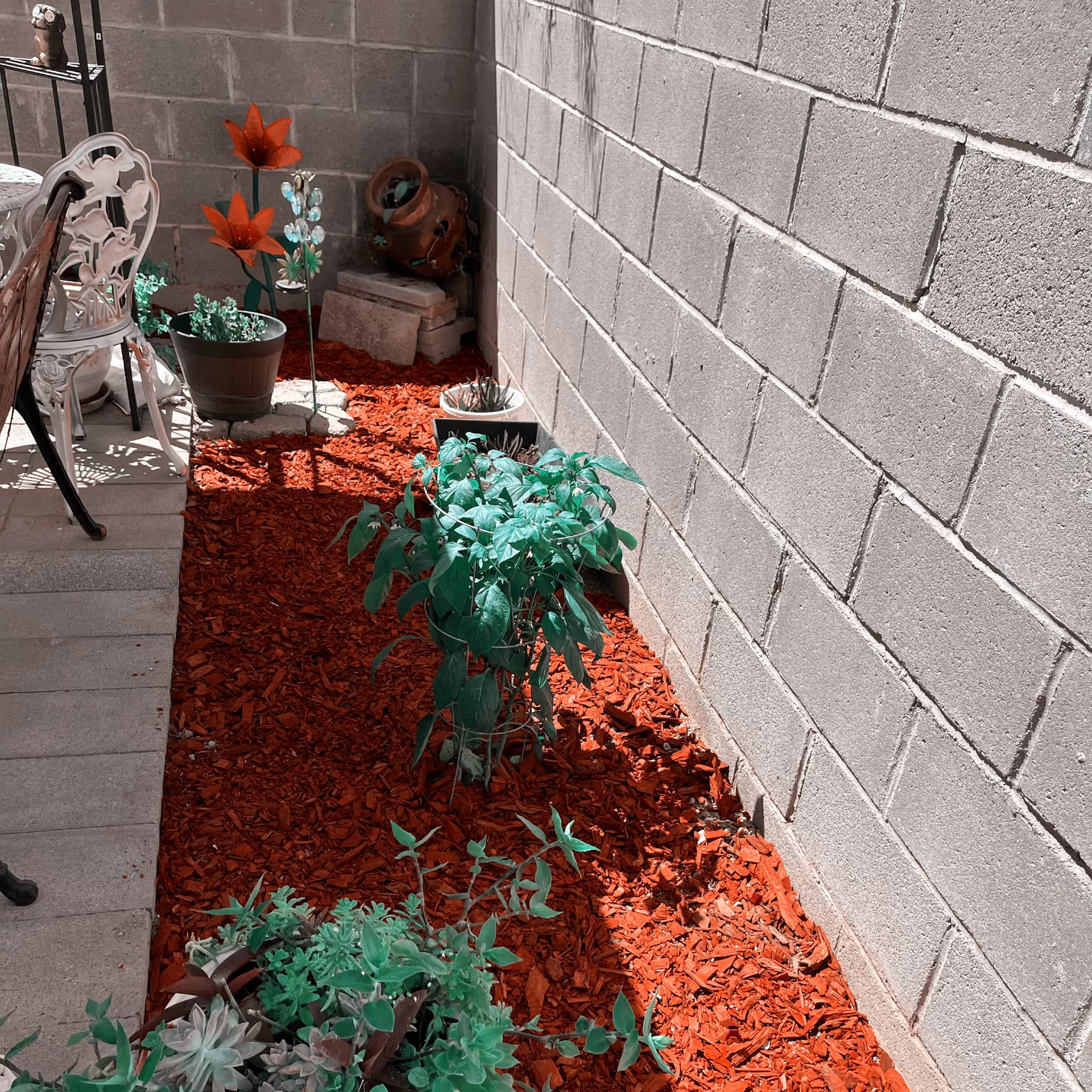
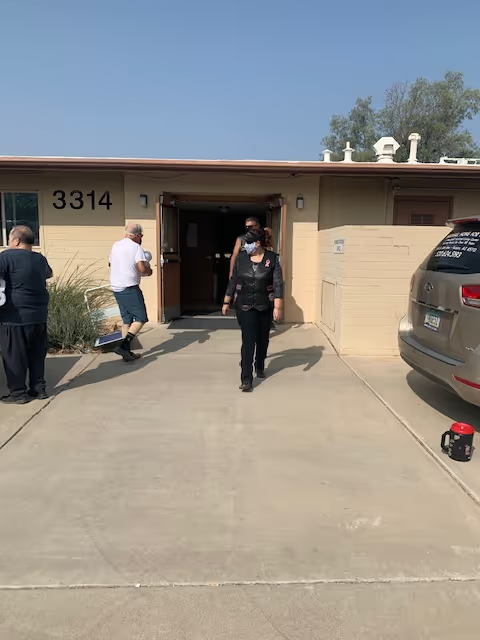
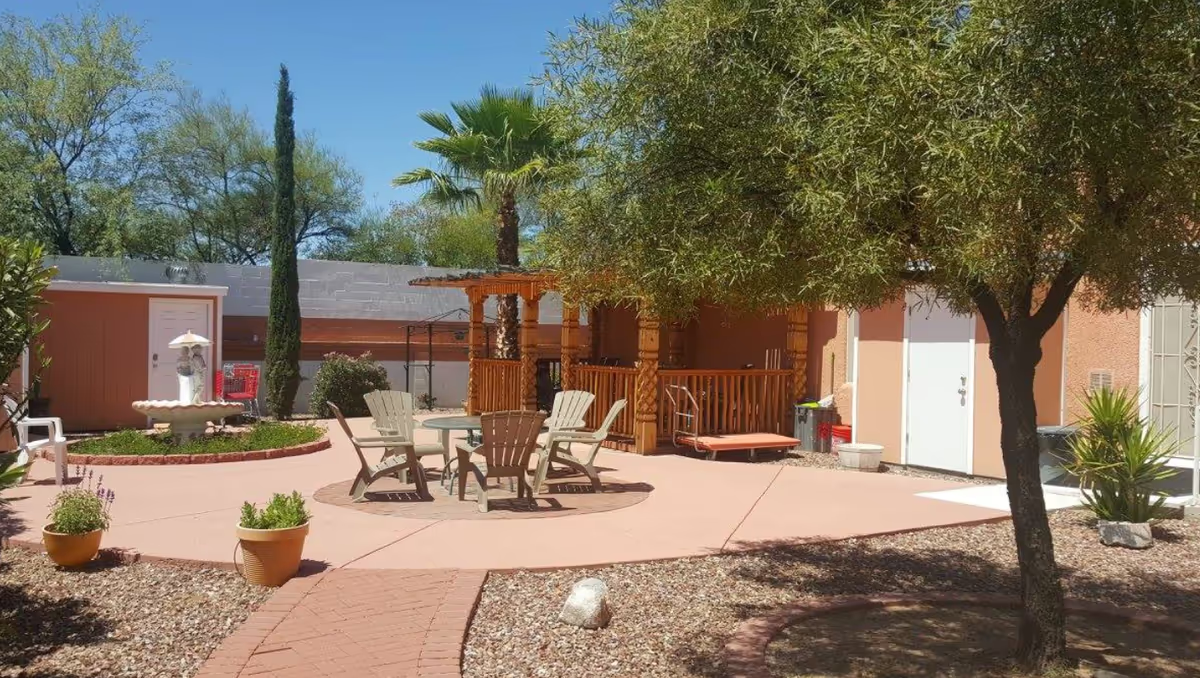
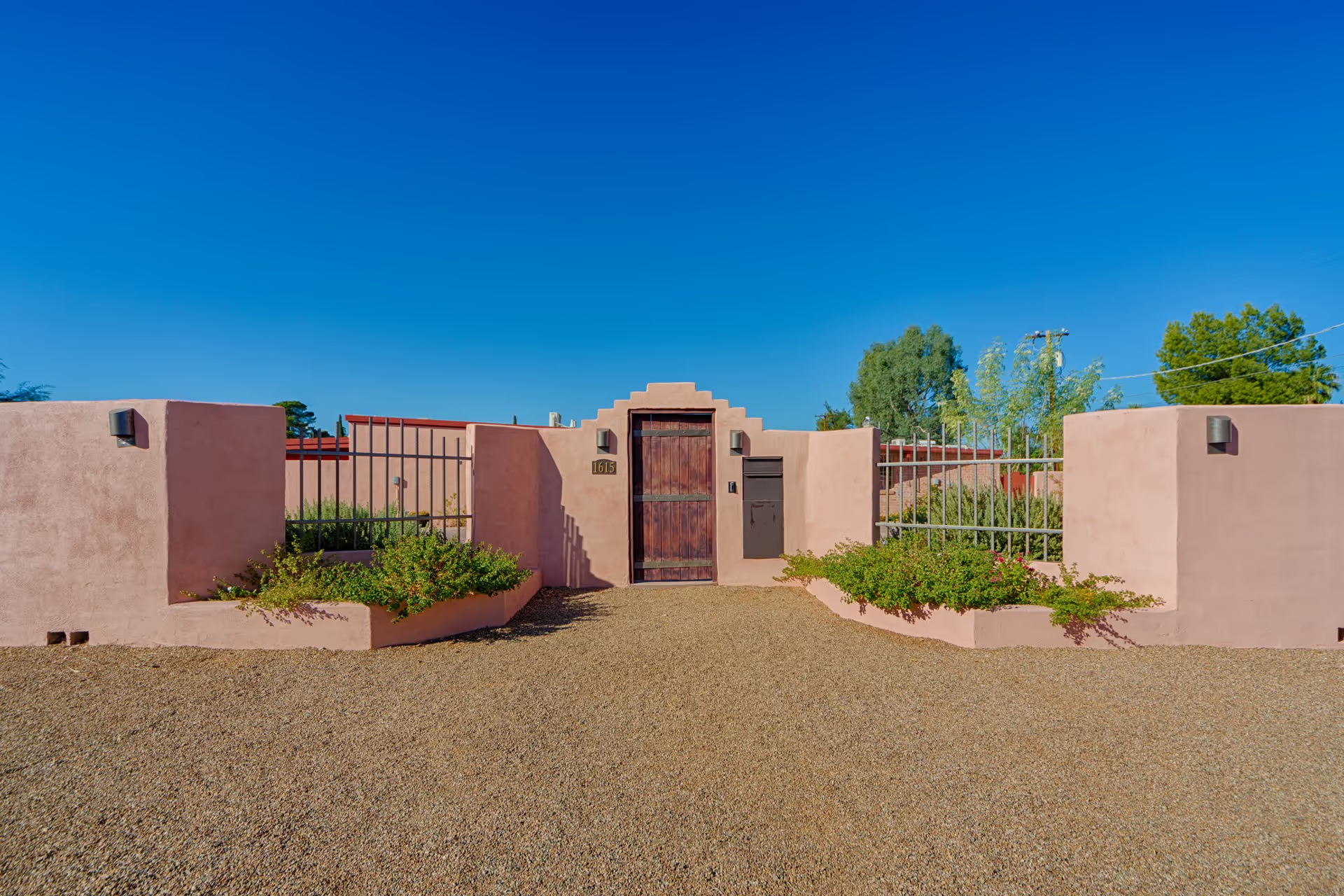
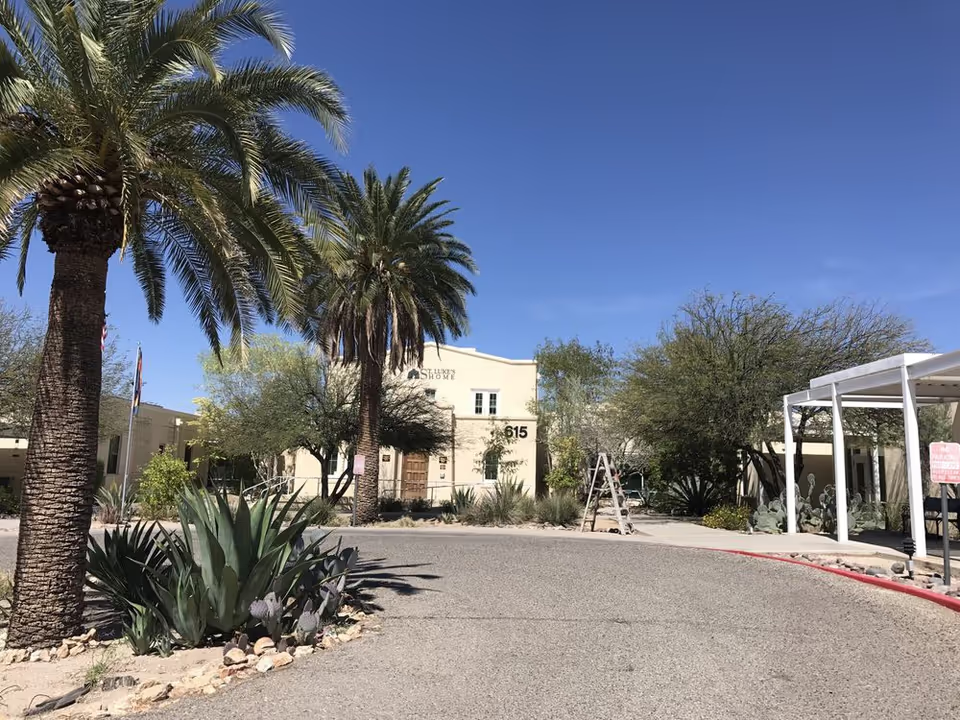
Dining and housekeeping emerged as mixed: some reviewers found meals and dining services adequate, while others described frequent cold or limited-food options, difficulty with dietary accommodations, and sanitation or odor concerns in parts of the building. Facility condition was characterized as uneven — the exterior and some common areas present well, but interior maintenance, delayed repairs, and cleanliness controls in select units were called out as areas needing improvement. A subset of reviews raised pest-control and housekeeping process issues that the facility should address systematically.
Management and communication are another notable pattern. Several reviewers praised individual managers and front-line leaders for organization and responsiveness, but an approximately equal number described inconsistent communication, unreturned calls, delayed family notification after critical incidents, and lapses in administrative follow-through. There are also serious individual allegations — including concerns about property handling and post-incident communication — that have heightened family distrust and in at least one case prompted mention of regulatory contact.
In summary, Sandstone of Tucson demonstrates clear strengths in rehabilitation programming and in many individual caregivers who deliver compassionate clinical service. However, the facility shows recurring operational weaknesses around staffing reliability, communication with families, consistency of clinical and wound care, dining accommodations, and maintenance/housekeeping oversight. Prospective residents and families would be advised to tour the building, ask specific questions about staffing ratios and night coverage, request details about wound- and diabetes-care protocols, review the facility’s incident-notification and property-handling policies, and confirm how dietary restrictions and behavioral needs are accommodated before making a placement decision.