The reviews for Woodland Palms Memory Care are strongly polarized, with a substantial number of families praising the staff, activities program, and outdoor environment while other families raise significant operational concerns. Positive accounts emphasize attentive, compassionate caregiving, a warm, family-like atmosphere, and a busy life-enrichment program that includes music, art, exercise, gardening and frequent themed events. Many visitors highlight the enclosed courtyard and gardens as a standout feature, and several reviews note the benefits of a smaller community that allows for more one-on-one attention and quick social integration for new residents.
Care and staff: A dominant strength in the favorable reviews is staff engagement — caregivers, nurses, and activity directors are frequently described as patient, kind, and resident-focused. Multiple reviewers singled out specific employees as exemplary and credited staff for proactive family communication and smooth transitions. Conversely, a recurring concern is inconsistency in staffing levels and staff turnover. Reviewers describe periods of reliable, attentive care alternating with times when coverage was thin; these staffing fluctuations are tied to worries about timely assistance, supervision, and the facility’s ability to maintain consistent care plans.
Dining: Dining impressions are mixed. Several families praised home-style and themed meals, social dining in a large communal space, and occasional high-quality special-event menus. At the same time, others described uneven day-to-day meal quality and portion sizes that did not meet expectations. Overall, food service appears to be adequate to good at best, with variability between routine service and special occasions.
Activities and quality of life: The activity program is a clear strength when it is well staffed — reviewers commonly reference a robust schedule of daily programs, cognitive stimulation, and family-inclusive events that contribute to resident engagement and mood. Strong life-enrichment leadership is highlighted as improving resident outcomes and social connections. When activity leadership changed or staffing declined, families reported a noticeable drop in program quality and resident engagement.
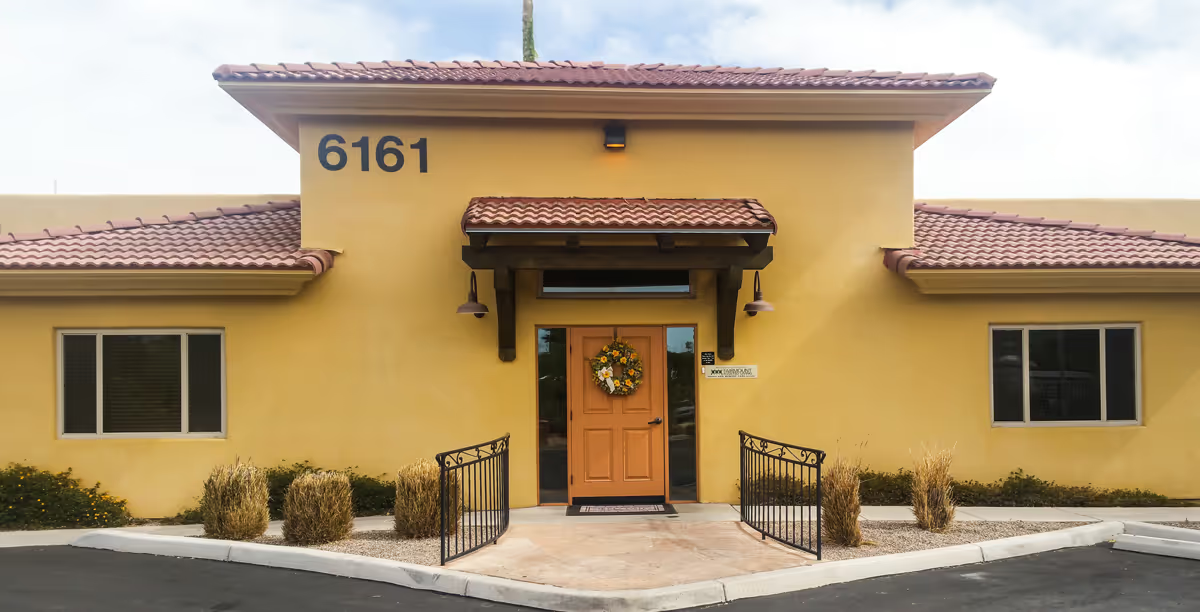
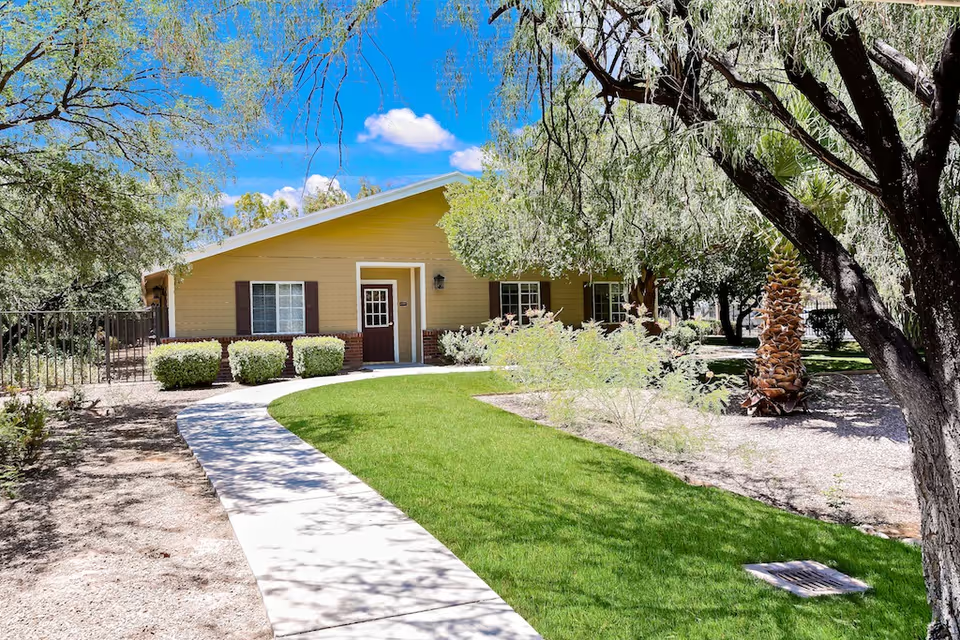
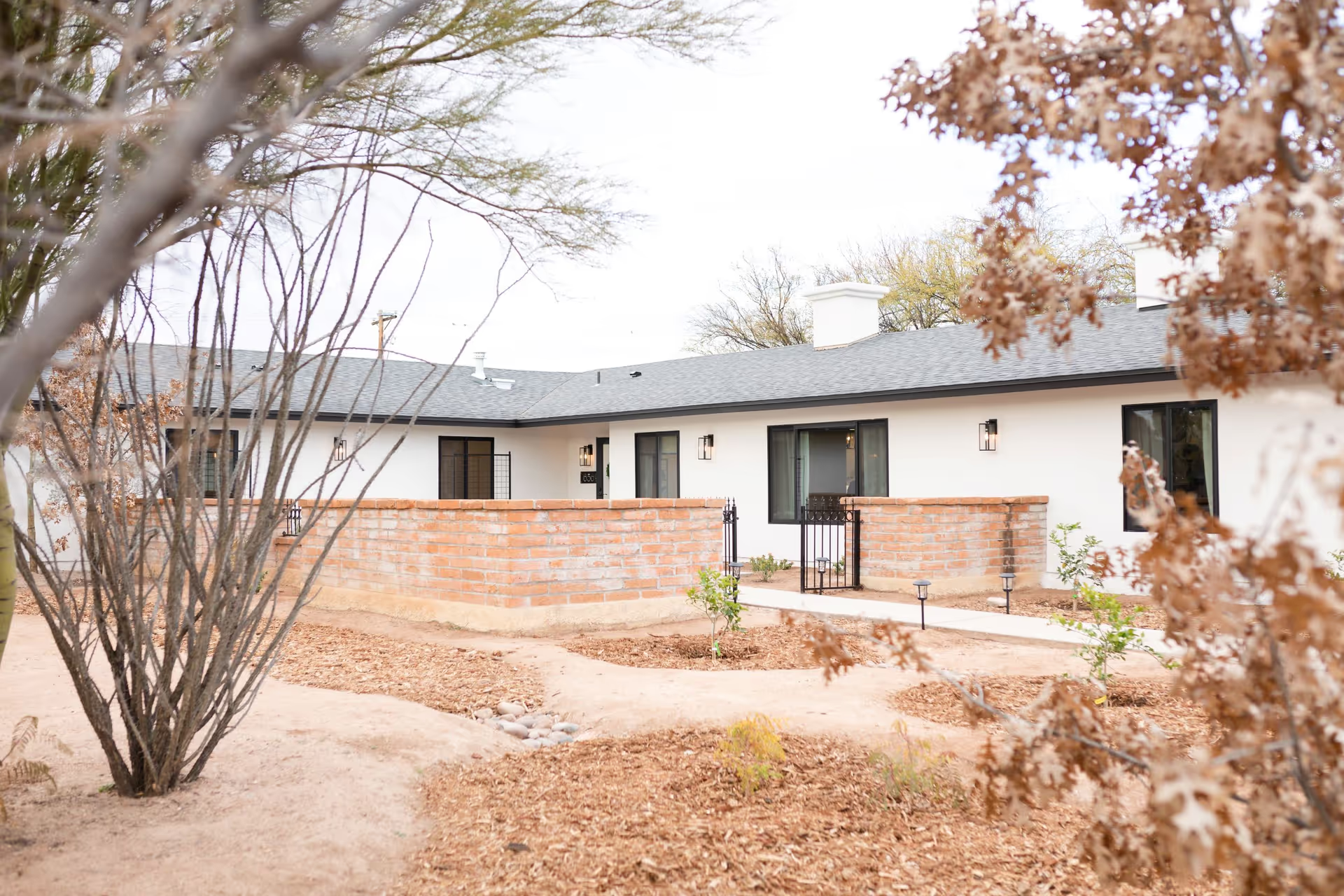
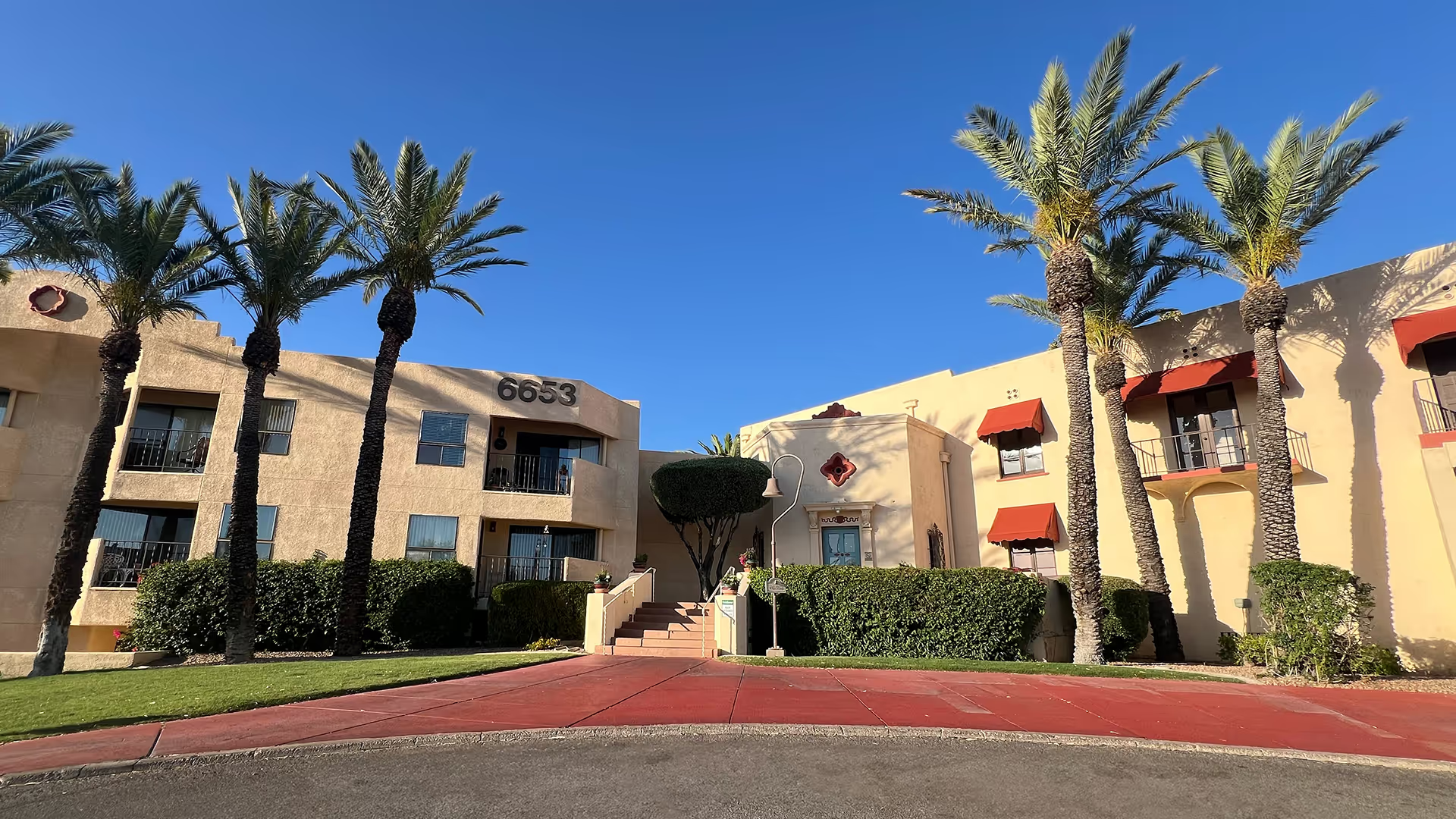
Facilities and maintenance: The property features an attractive, enclosed courtyard and accessible outdoor spaces that many reviewers consider excellent assets. At the same time, there are recurring sanitation and maintenance concerns in common areas and some interior spaces. Several reviewers described odor concerns, lapses in general cleanliness, and toileting-related maintenance issues; these comments indicate inconsistent environmental upkeep rather than uniform conditions across the site. The building is described as older in many accounts — some families appreciate the historic or nostalgic character, while others find the interior dated and in need of upgrades. Parking and the absence of some amenities (pool, salon, exercise room) were noted as practical limitations.
Management and oversight: Management perceptions are highly mixed. Positive reviews describe responsive leadership, helpful admissions staff, and improvements under a new management team. Negative reviews focus on inconsistent leadership, delayed responsiveness to family concerns, and gaps in clinical oversight — particularly around medication administration and supervision during high-risk periods. Serious individual allegations (including eviction actions and potential legal concerns) were raised by some families; these are serious claims but appear as isolated, high-severity items rather than facilitywide descriptions. Staffing patterns, communication lapses, and variability in supervisory practices are recurring themes tied to management performance.
Notable patterns and guidance: The overall pattern is one of contrast — when staffing levels, activity leadership, and management attention are strong, families report high satisfaction, strong social outcomes, and good day-to-day living. Where staffing is inconsistent or oversight is weakened, families report concerns about sanitation, medication handling, resident supervision, and communication. Prospective families should prioritize an in-person visit that includes: touring common areas at different times of day, speaking with current families if possible, observing mealtime and an activity, asking for current staffing ratios and medication administration procedures, and reviewing recent inspection or complaint history. These steps can help determine whether the positive operational practices described by many reviewers are consistently in place at the time of placement.