Tucson Gardens Memory Care receives frequent praise for its clinical nursing team and the hands-on caregiving staff. Many families describe nurses and caregivers as knowledgeable, compassionate, and skilled in dementia-specific care; several reviewers highlight 24/7 individualized attention, careful medication handling, and collaborative hospice/palliative relationships. The facility’s cottage-style model, small household sizes, and person-centered care planning with transparent updates are repeatedly cited as strengths that support familiar routines and easier transitions as care needs change.
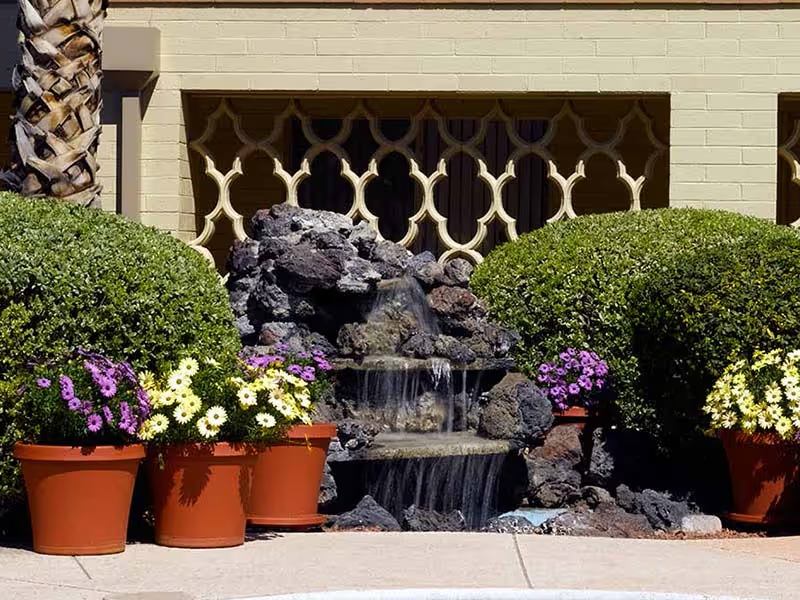
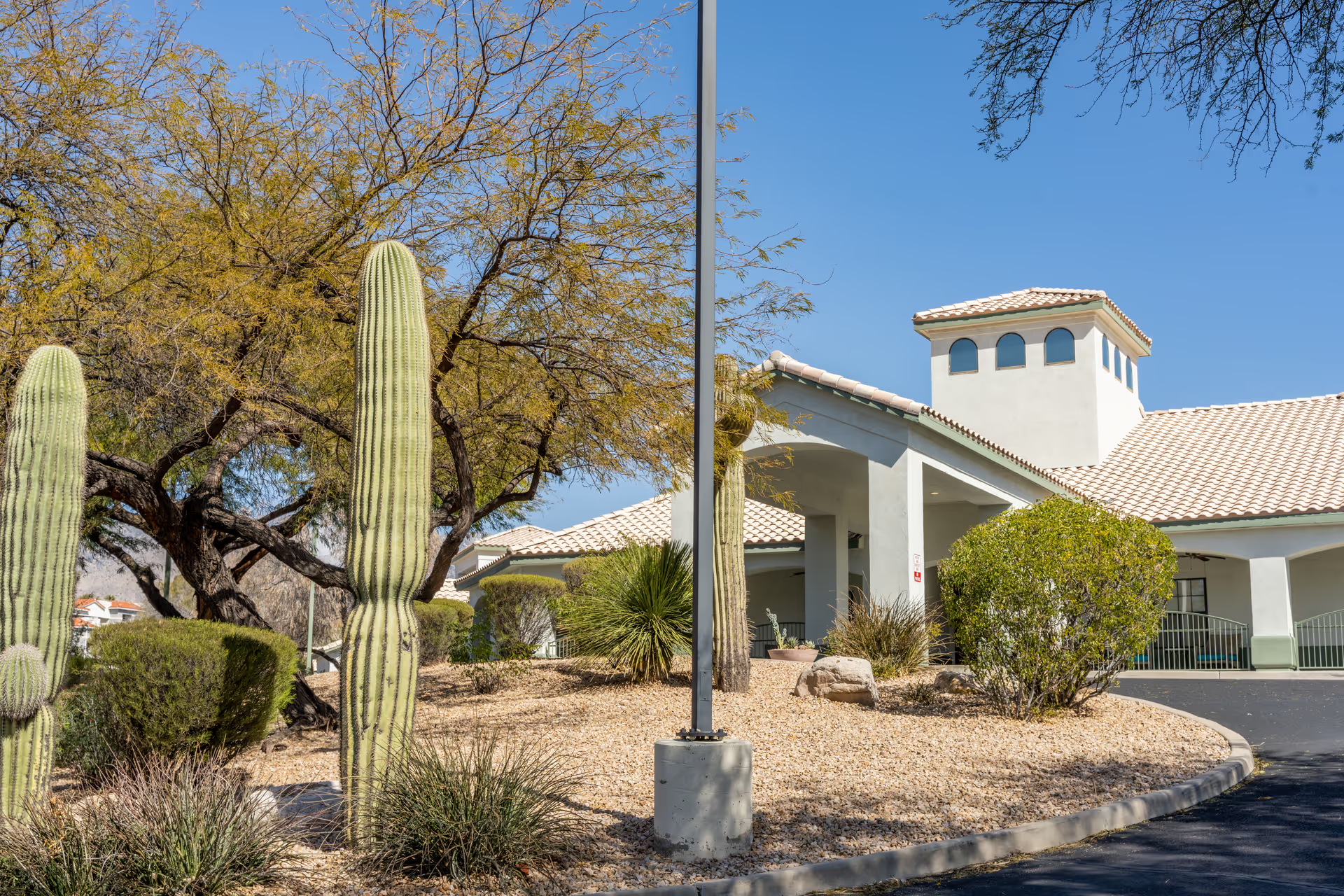
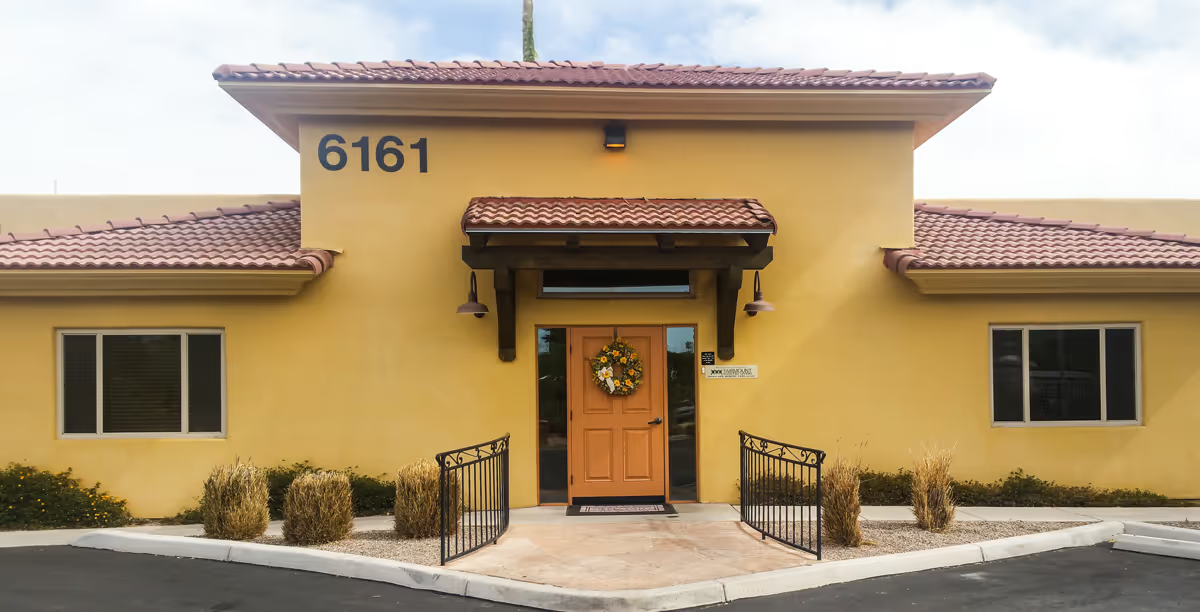
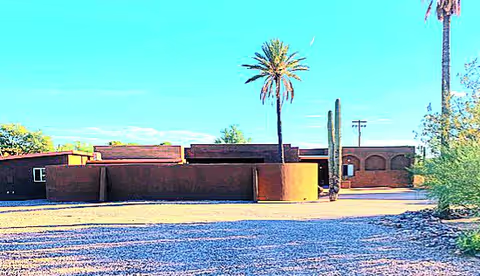
The campus and physical environment are another consistent positive. Reviewers commonly describe immaculate, single-story cottages with private rooms and bathrooms, well-kept grounds with walking paths, shaded outdoor areas and water stations, and secure indoor/outdoor spaces. Amenities such as an on-site salon, accessible common rooms, and small-group dining in each unit contribute to a home-like atmosphere. Dining is typically viewed favorably: reviewers note balanced, appealing meals with options for diabetics and attention to weight gain or nutrition when needed.
Activity and social programming is generally robust in many accounts — bingo, music, art, outings, seasonal celebrations, bird feeding, and movement classes are regularly mentioned. These offerings are credited with improving residents’ engagement and quality of life. At the same time, a pattern of variability emerges: some families praise a lively calendar and creative staff-led programs, while others describe limited stimulation or inconsistent activity frequency depending on the cottage or staffing levels.
A recurring operational concern is staffing stability. Multiple accounts point to periods of understaffing, especially at night, high turnover, and heavy workloads for remaining caregivers. Reviewers link these staffing pressures to care delays, variable follow-up after incidents, inconsistent shift handoffs, and reduced program consistency. Administrative responsiveness also shows variability: some families commend visible, engaged leadership and clear communication, whereas others describe difficulties with clerical follow-up, delayed callbacks, and admission/acceptance miscommunications.
Other practical issues raised include lapses in personal-belongings management (misplaced glasses or hearing aids), occasional professionalism or conduct concerns among individual staff members, and a perception that costs may be high relative to expected consistency of services. These items tend to be described as operational weaknesses rather than universal characteristics of care.
In summary, Tucson Gardens Memory Care is characterized by strong clinical nursing, a compassionate caregiving culture, an attractive cottage-style environment, and a generally well-regarded program of meals and activities. Prospective residents and family members should weigh those positives against documented operational patterns — particularly staffing stability, night coverage, and administrative consistency — when evaluating fit. For families prioritizing high-touch nursing care, secure small-household living, and active programming, the community often meets expectations; for those who place a premium on consistently large staffing margins and flawless administrative processes, further questions and an up-to-date review of staffing patterns and state inspection records are advisable before placement.