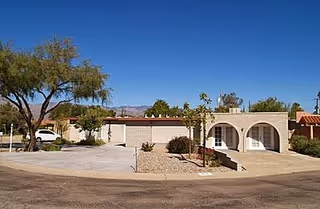
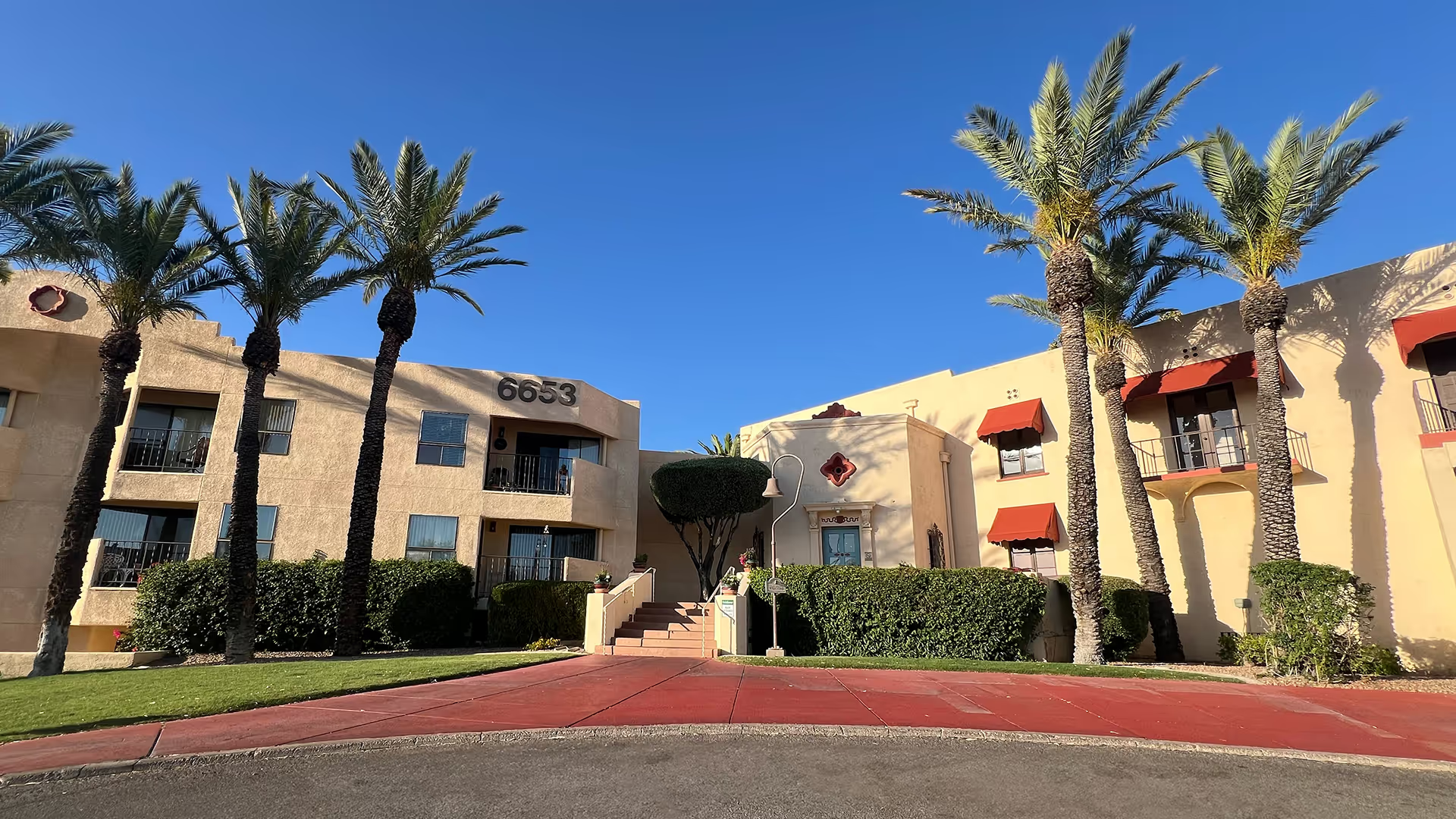
Fairmount Assisted Living and Memory Care is described in most accounts as a small, resident‑focused community with a strong emphasis on quality of life. Reviewers consistently highlight compassionate caregiving, close family communication, and the presence of clinical oversight such as a registered nurse and an engaged wellness director. Staff continuity and long tenures are noted as contributors to individualized care plans and frequent health updates; families report that caregivers often form warm, familiar relationships with residents and attend to personal comfort and belongings.
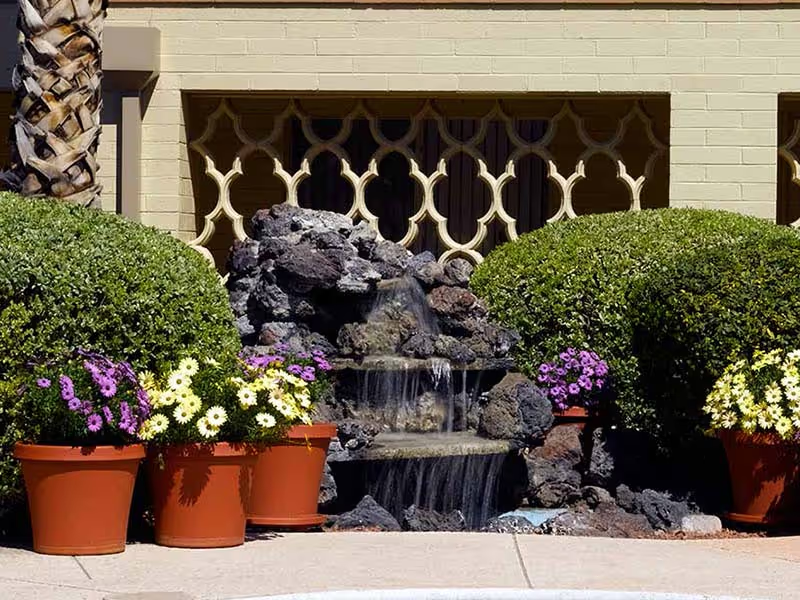
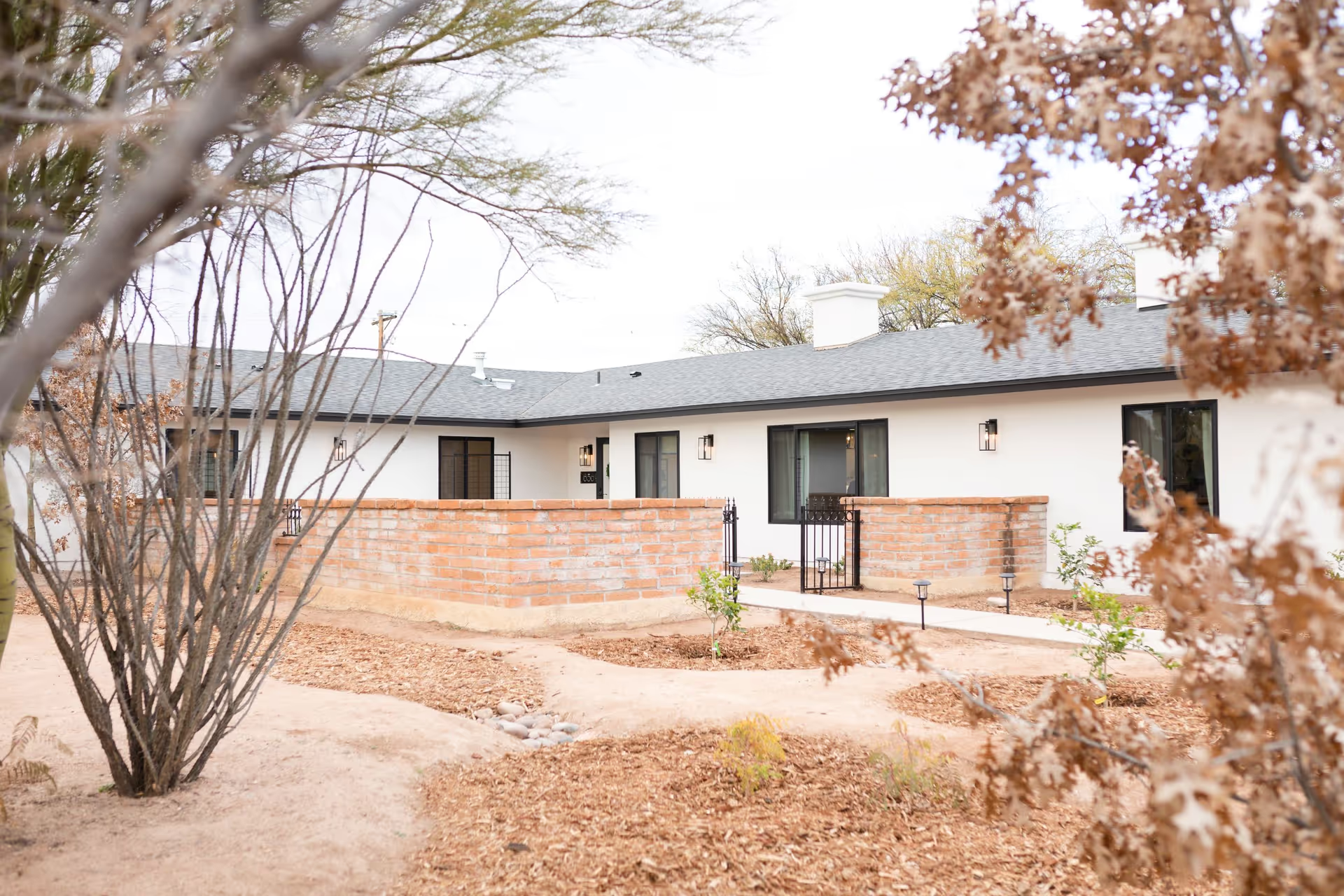
The facility’s programming and daily life are repeatedly praised. There is a broad, active calendar that includes live music, piano‑centred activities, exercise classes, seasonal and intergenerational events, and on‑site animal programs (chickens, rabbits, tortoise, visiting animals). These offerings, combined with bright common areas, multiple outdoor courtyards and walking paths, and intentional dining involvement by kitchen staff, create a social environment families describe as lively and homey. Meals and special‑diet accommodations receive positive comments, and the layout — single‑building, well‑lit spaces with comfortable seating — supports socialization and supervised mobility.
Clinical care is generally characterized as attentive and person‑centered, with reviewers noting effective coordination for appointments (including out‑of‑state cases), individualized care plans, and supportive end‑of‑life and spiritual services. The presence of a proactive wellness director and responsive med‑techs is cited as a strength when clinical issues arise. The admissions and move‑in processes are also described as thoughtful and supportive, with staff helping to set up rooms and provide photo updates during transitions.
However, the aggregated feedback identifies a set of operational concerns families should evaluate during a tour and intake conversation. There are recurring comments about gaps in dementia‑specific practices and training, and some accounts describe delays or inconsistencies in medication administration and timely clinical response during acute transitions (for example, post‑operative care). A subset of reviewers raised serious individual concerns about events that followed clinical changes; while these appear isolated relative to the overall positive commentary, they are weighty for affected families and warrant direct discussion with management and review of clinical protocols.
Administrative and management issues are another pattern to consider. Several comments point to inconsistency in billing transparency, late fees or unexpected charges, and perceptions of managerial favoritism or nepotism. There are also mentions of workforce pressures — staff described as dedicated but undercompensated — which can influence morale and potentially continuity. A few families perceived that operational priorities sometimes influenced placement or discharge decisions; prospective families should clarify the facility’s retention and discharge policies.
Recommendations for prospective residents and families: verify dementia‑care credentials and staff training protocols, ask for written medication‑administration procedures and examples of post‑acute transition plans, request a clear explanation of billing policies and fee schedules, and meet with the wellness director and nursing staff to review communication and escalation pathways. Overall, Fairmount presents as a warm, activity‑rich community with many strengths in daily living and social engagement; due diligence around clinical and administrative processes is advised to ensure alignment with individual care needs.