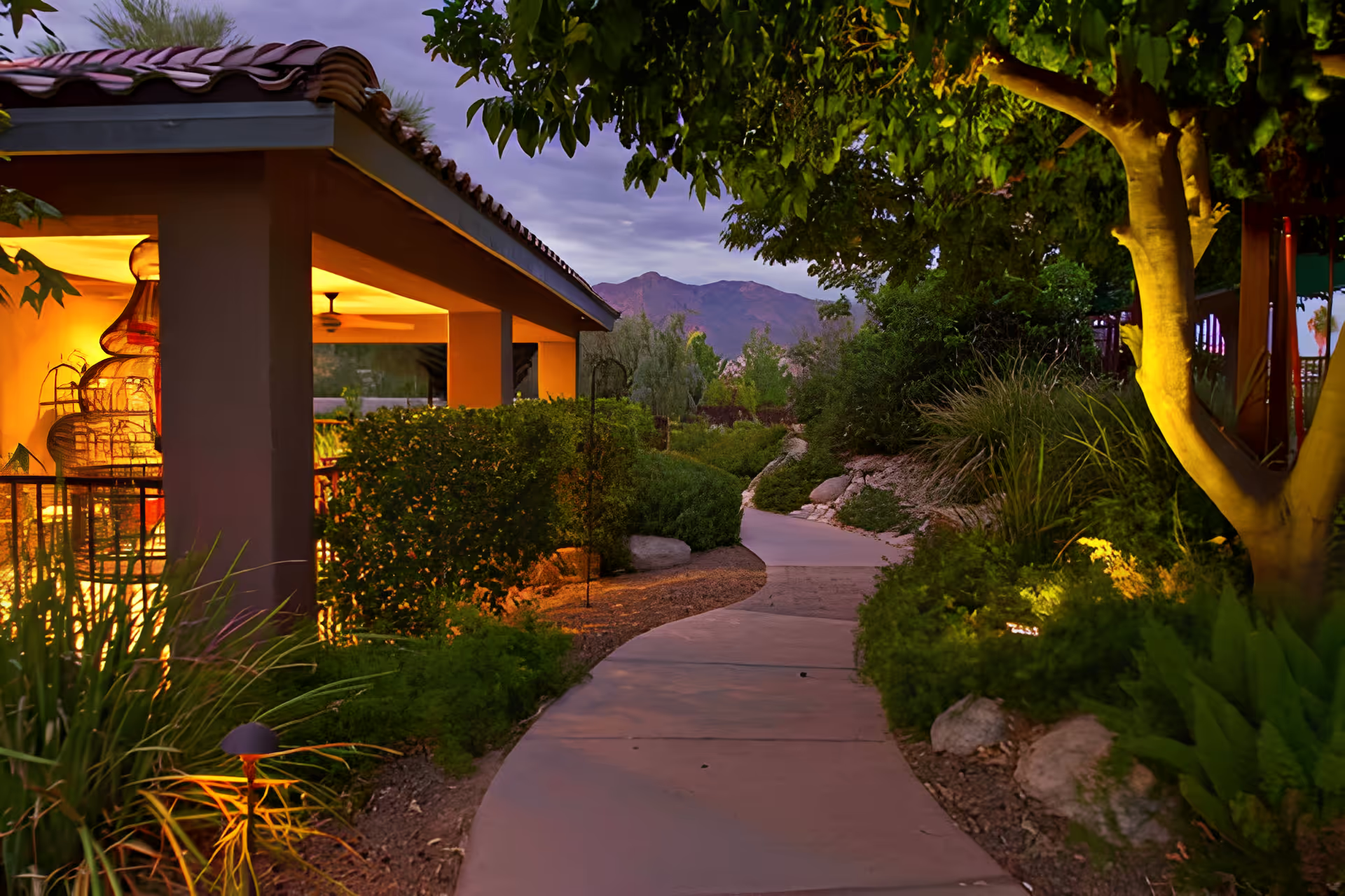
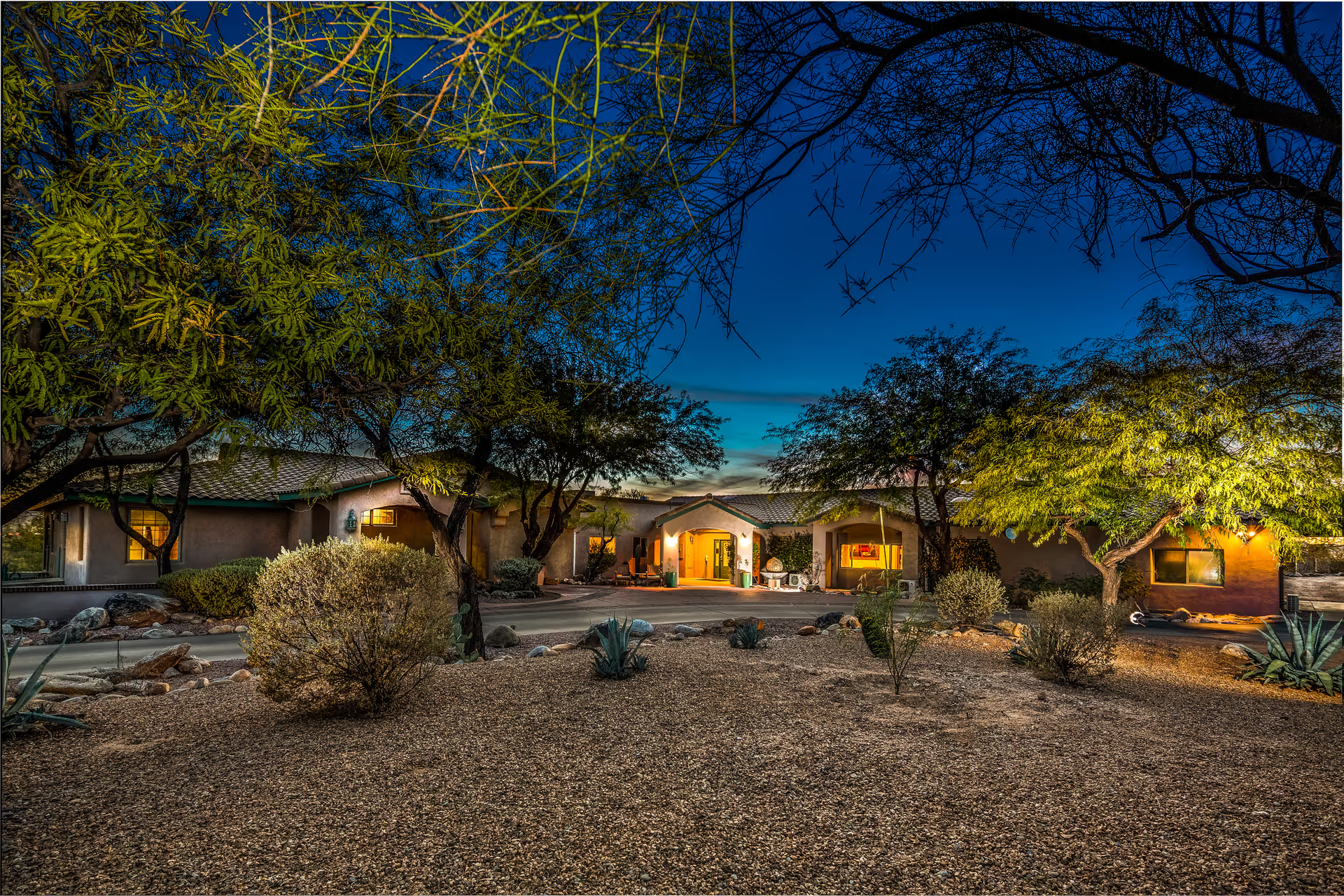
The Oasis Assisted Living Community elicits a mixed but specific pattern of strengths and weaknesses. Strengths most consistently described are the facility’s attractive, well-tended grounds and secure outdoor courtyard, private studio-style apartments, and a home-like environment that permits personal belongings. Many reviewers highlight a compassionate caregiving staff and an experienced on-site administrator who facilitate relatively smooth move-ins and transitions. The facility’s affordability and availability of on-site hospice or basic medical support are also viewed positively by families seeking lower-cost assisted living options.
Care quality and staffing receive divergent assessments. Several families praised attentive, kind caregivers and prompt responses when staff are available; however, the dominant operational concern is inconsistent staffing — including high turnover and thin coverage at night — which reviewers link to delays in assistance and safety worries. Medication administration and clinical controls were singled out as a recurring operational weakness; multiple narratives describe problems with timing, documentation, or procedure, indicating a need for stronger medication-administration protocols. The facility’s clinical oversight is limited by the absence of an on-site nurse and infrequent physician visits, which may constrain management of complex medical needs.
Dining and programming present a mixed picture. Meals are typically described as home-style and adequate, with three meals and snacks provided, but many reviewers noted variability in quality, limited variety, and an inability to accommodate complex therapeutic diets. Management has been described as responsive to food-quality concerns in some accounts, suggesting potential for improvement. Activity offerings are described as minimal or unstimulating in some comments, while others report crafts, socialization, and a family-like atmosphere; overall, programming appears uneven and may not meet higher-stimulation expectations for all residents.
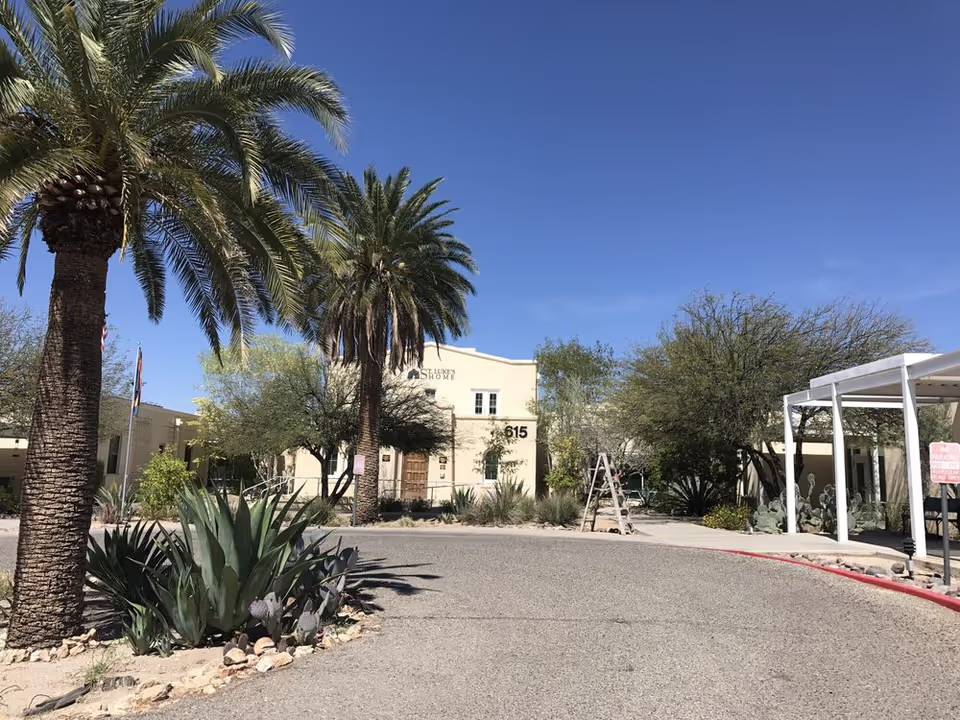
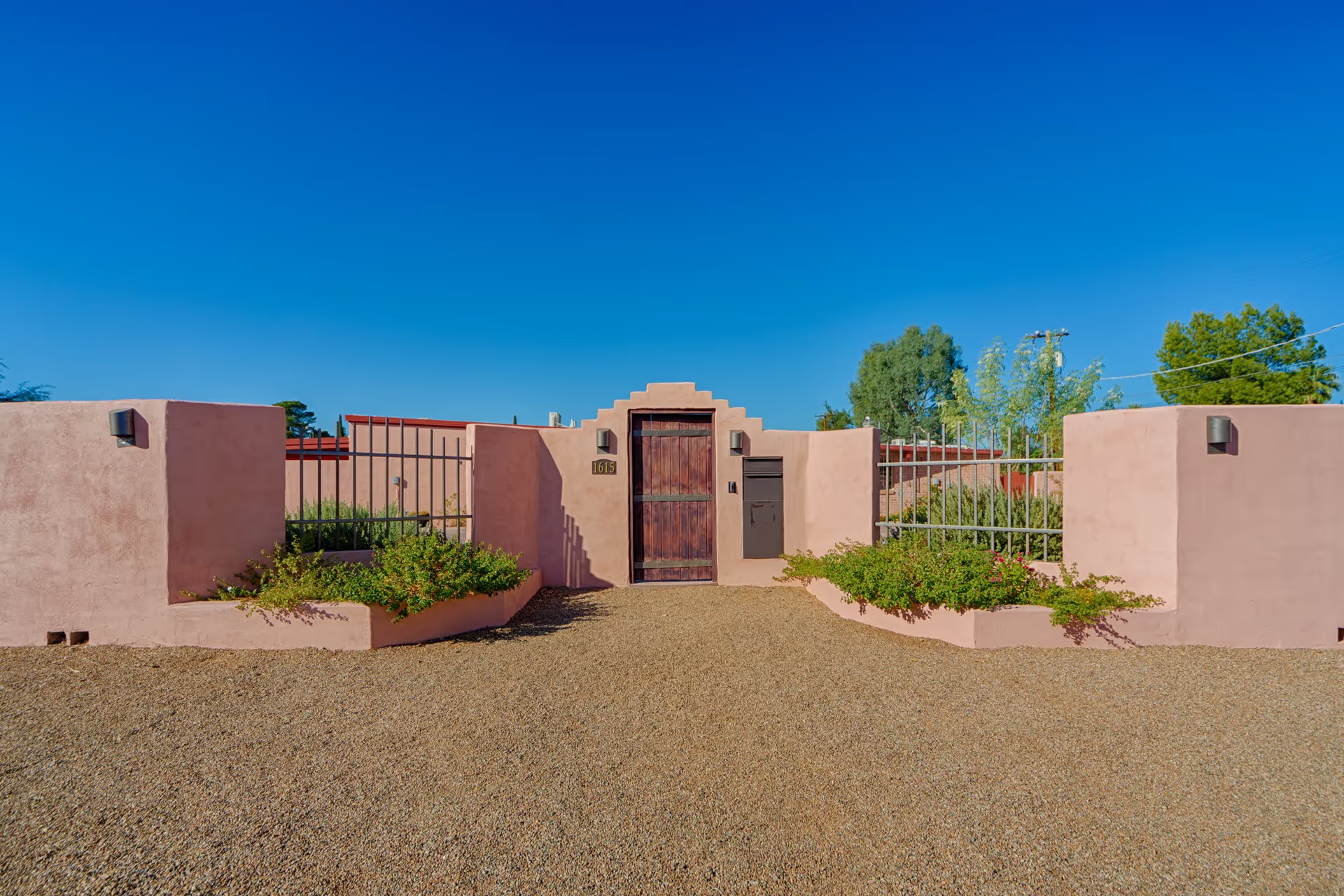
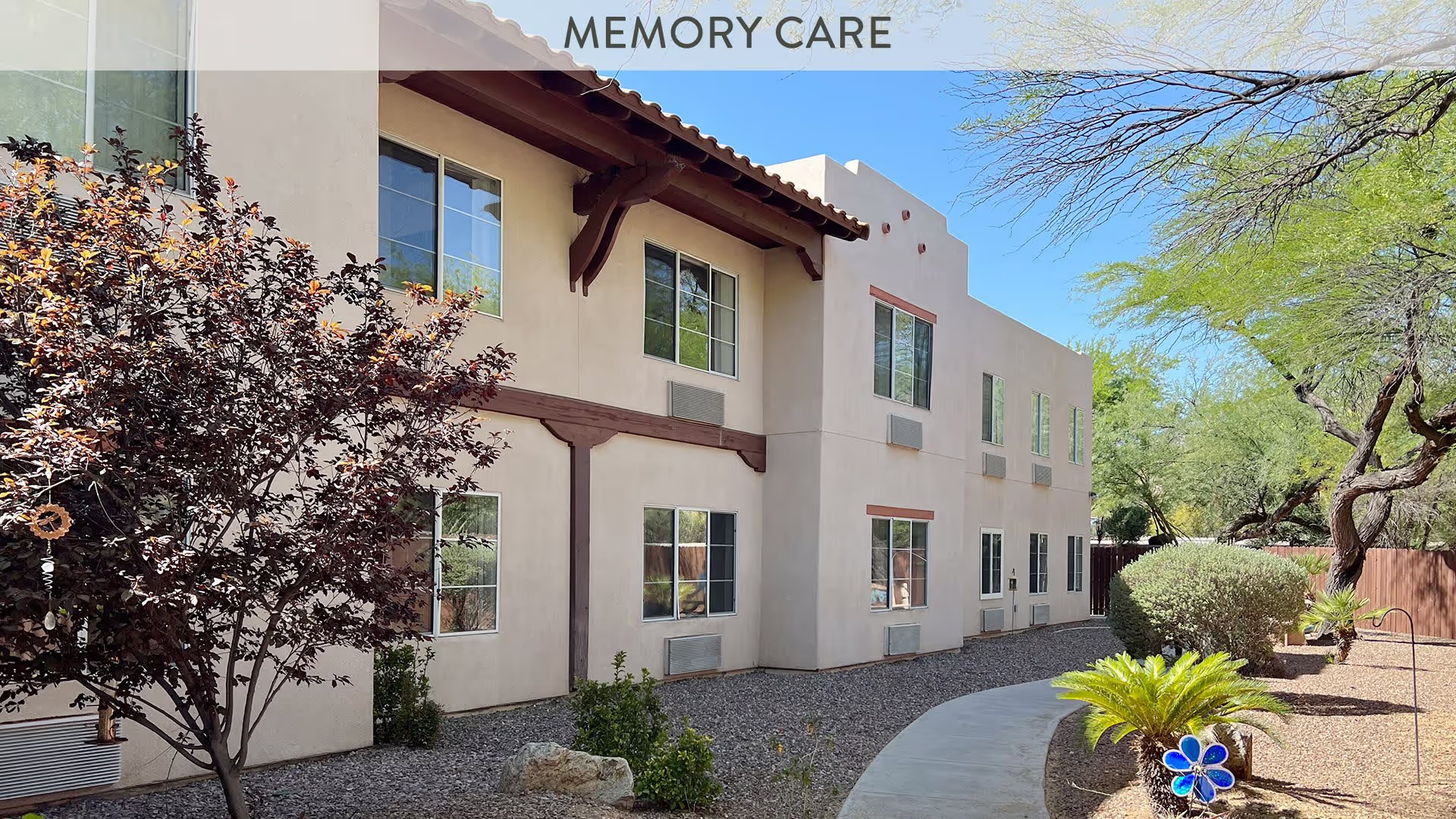
Facility features combine notable assets and limitations. The grounds, gardens, and seating areas are widely praised and contribute to a peaceful, memory-friendly environment. Physical plant concerns include an older, converted-motel structure with small units, limited natural light in some rooms, occasional odor issues in areas, and perimeter gaps in fencing that could pose safety or security problems. Accessibility features and handicapped-equipped rooms are present, but physical layout and older unit design may not suit every resident’s preferences.
Management and organizational patterns are polarized across accounts. Many families commend an experienced, advocate-style administrator and staff who address issues quickly and provide dignified care. Conversely, other accounts describe inconsistent leadership behavior, communication breakdowns, contract or fee-clarity problems, and conduct concerns that have affected staff morale. There are also serious, individual allegations (including concerns following a resident’s death and claims of financial misrepresentation) that prospective families should investigate further during a tour and intake discussion.
Given these patterns, prospective residents and families should visit in person, observe staffing levels during evenings and weekends, review medication and clinical oversight policies, ask for written clarification of fees and deposit requirements, and assess whether the building layout and dining capabilities meet the resident’s clinical and social needs. The facility’s strong grounds, private apartments, and lower cost are meaningful advantages, but they coexist with operational weaknesses that merit careful attention when evaluating fit and risk tolerance.