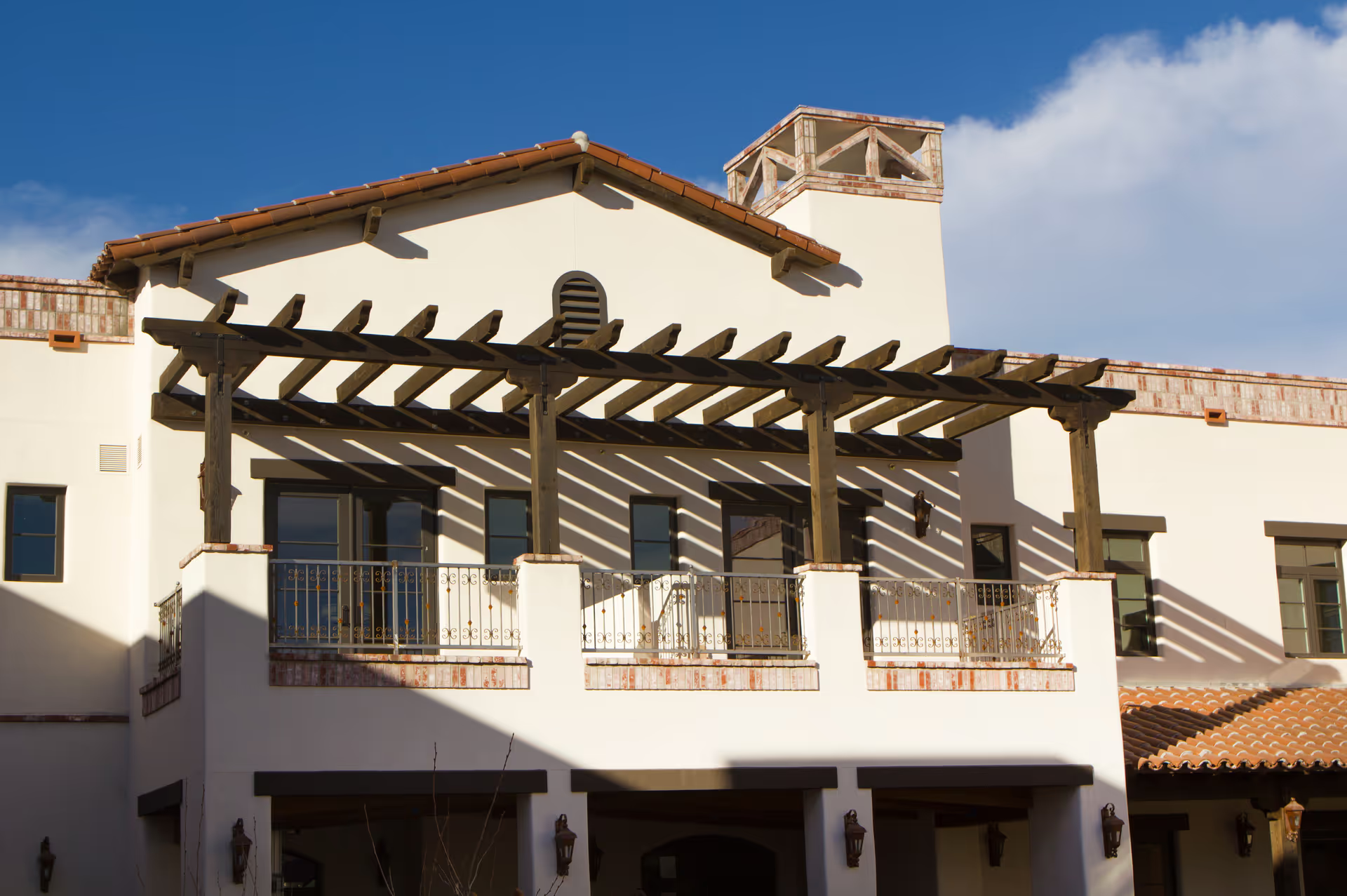
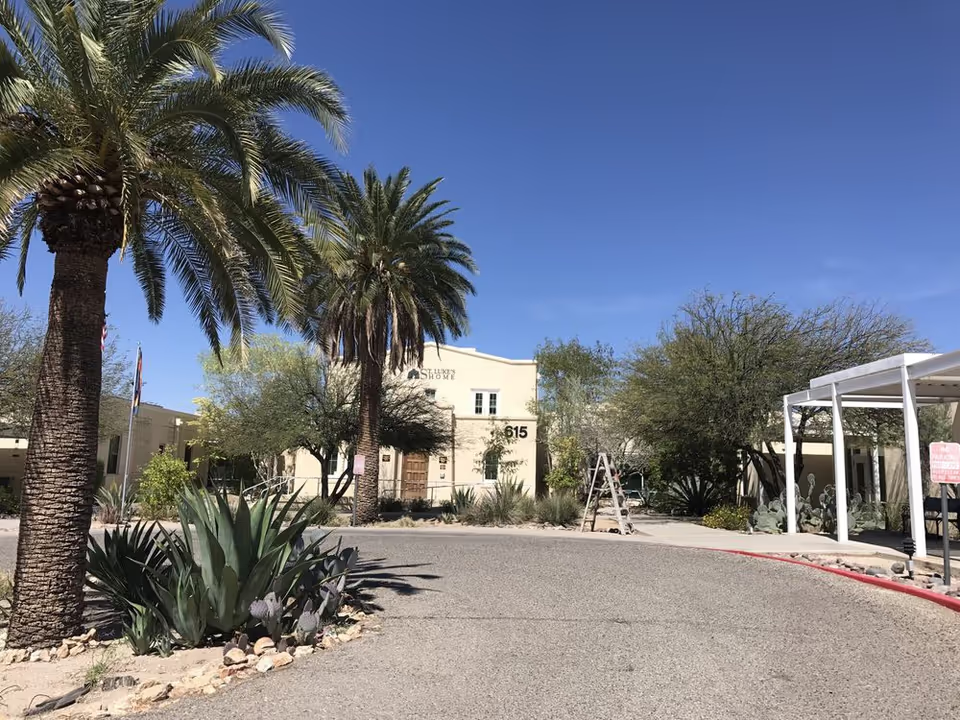
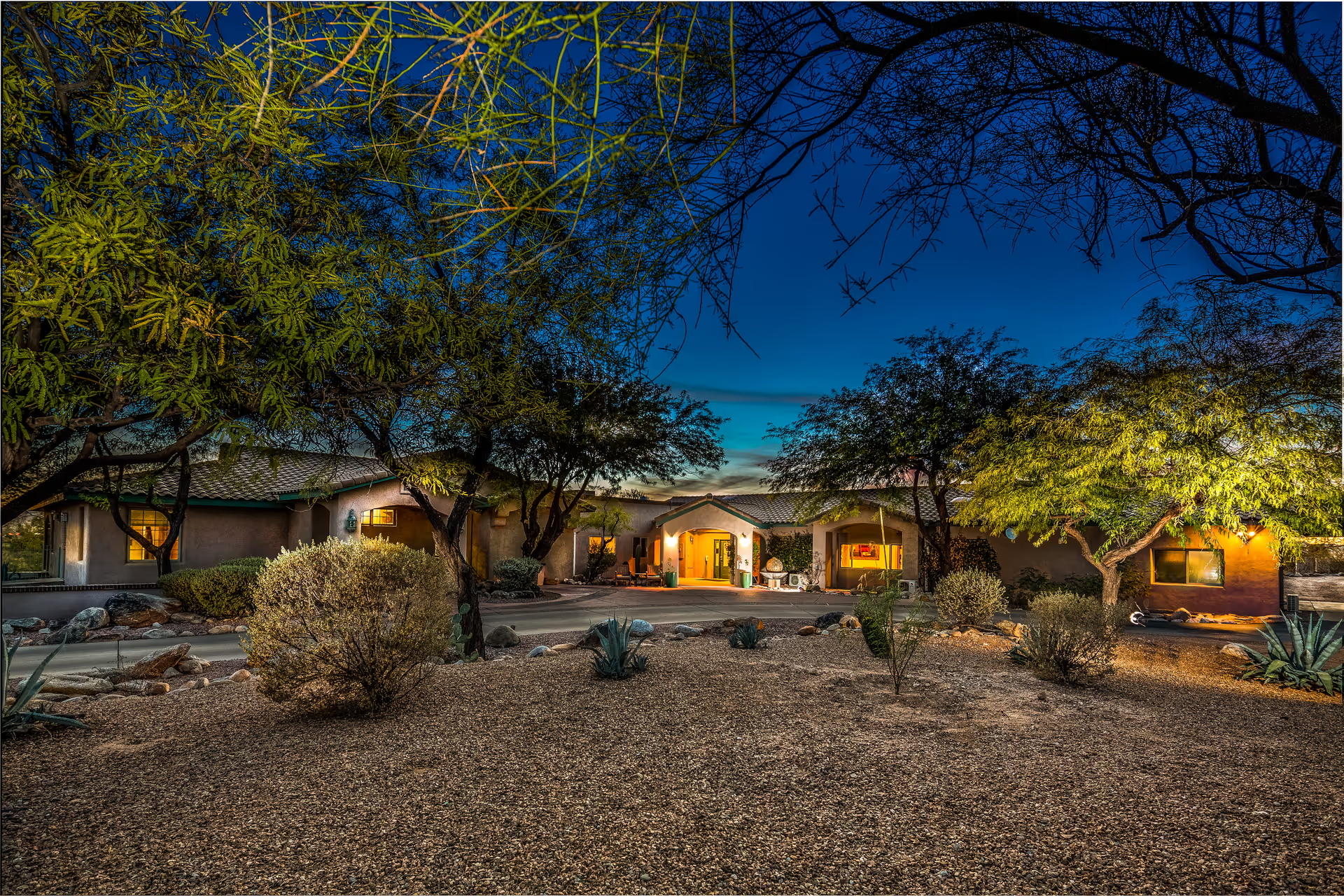
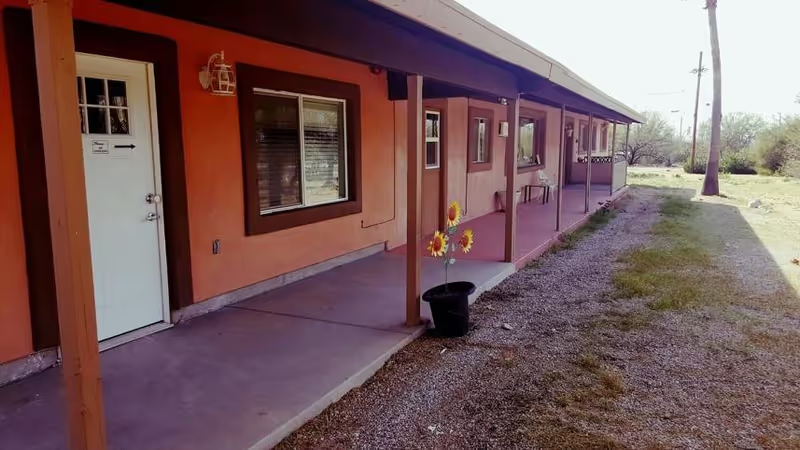
Atria Campana del Rio presents a mixed but largely positive operational profile centered on strong hospitality, social programming, and an active campus lifestyle. Strengths repeatedly cited include a compassionate and personable staff, a broad activities calendar (exercise, arts, outings, field trips, and memory-enhancement programs), and multiple on-site amenities such as a pool, salon, theater, and fitness areas. The community supports several levels of care—independent living, assisted living, and memory care—which families appreciate for continuity of residence and fewer relocations. Many reviewers highlighted a robust social environment, effective activity leadership, regular transportation services, and helpful move-in support that aid residents’ transitions.
Dining is often described as a highlight: chef-prepared meals, diverse menus, and accommodation of dietary needs earned praise in numerous accounts. Housekeeping and laundry services, attractive grounds, and well-appointed common areas also contribute to an overall hospitality-oriented experience. The community’s event programming and opportunities for social engagement are a clear asset for residents seeking an active, social atmosphere.
There are noticeable operational weaknesses families should weigh. Reviewers describe inconsistent maintenance and slow completion of repairs following incidents such as electrical/floor fires; this has affected some building areas and resident access to amenities. Cleanliness and sanitation appear variable at the unit level, with specific concerns about pest control and pre-move-in cleaning raised in some reports. Dining quality and meal-service continuity have been inconsistent over time—some guests praise the food while others describe repetitiveness or declines tied to staffing or chef changes.
Clinical and care-related patterns warrant careful evaluation. Several accounts indicate limited on-site nursing coverage in portions of the campus and variability in staffing levels that can affect hands-on care, transfers, and response time. There are also references to medication-administration and documentation gaps, along with high additional costs for hands-on assistance (fee structures such as per-shower or per-shift charges). For families considering memory care, note operational limits around wander management and hospice coordination; reviewers describe delays and unclear end-of-life service processes in certain cases.
Communication and management show both strengths and weaknesses. Many reviewers praise clear, informative tours and staff who are responsive and courteous; others report lapses in family notification, billing transparency, and accountability when clinical concerns arise. Post-incident operational disruptions (for example after fires) and occasional security or asset-management concerns were mentioned, although some accounts state that new management efforts improved safety and trust.
Recommendation for prospective residents and families: Atria Campana del Rio is well suited for those prioritizing social engagement, chef-driven dining, and a wide activity roster within an attractive campus setting. Prospective residents with higher or complex medical needs, mobility requiring two-person transfers, or strict accessibility requirements should verify clinical staffing levels, transfer protocols, and ADA accommodations. Families should review the fee schedule closely, ask about contingency plans and timelines for repairs after incidents, and request specific examples of medication-administration oversight and hospice coordination to ensure the community’s operational practices align with their expectations.