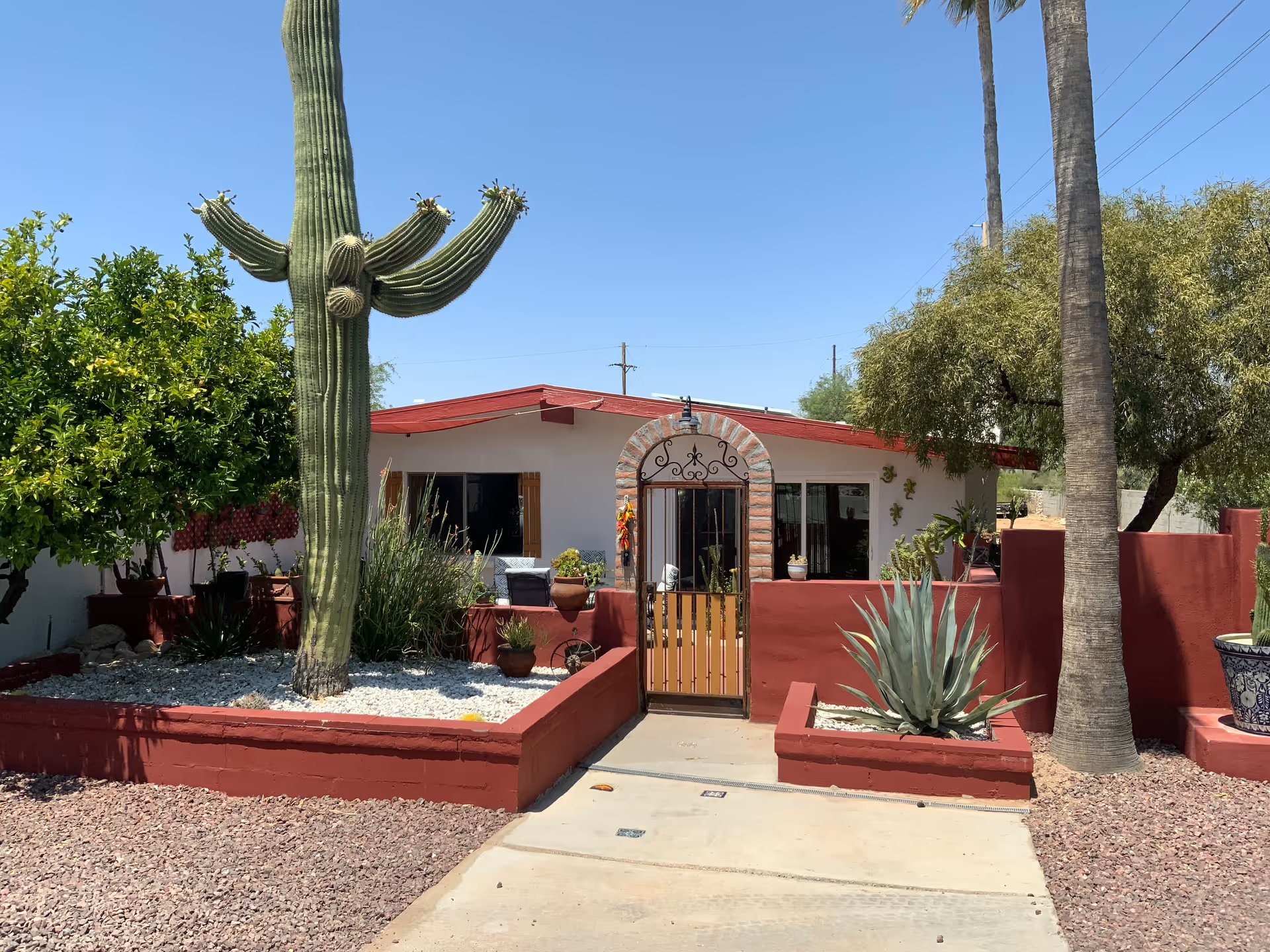
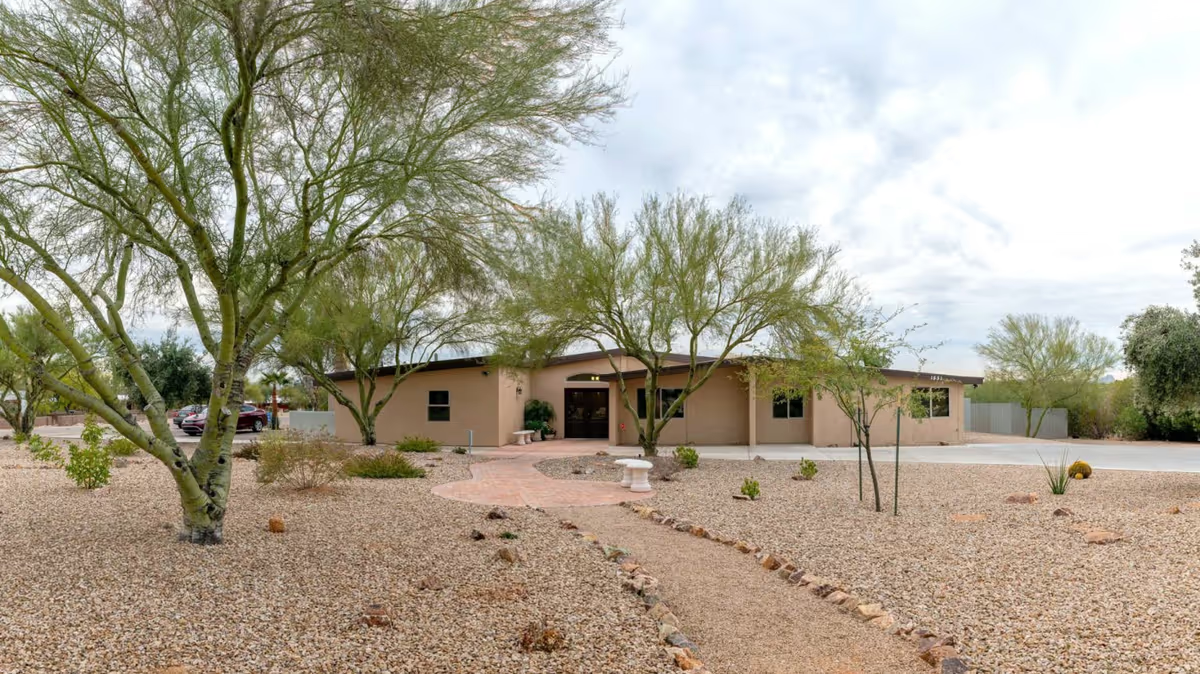
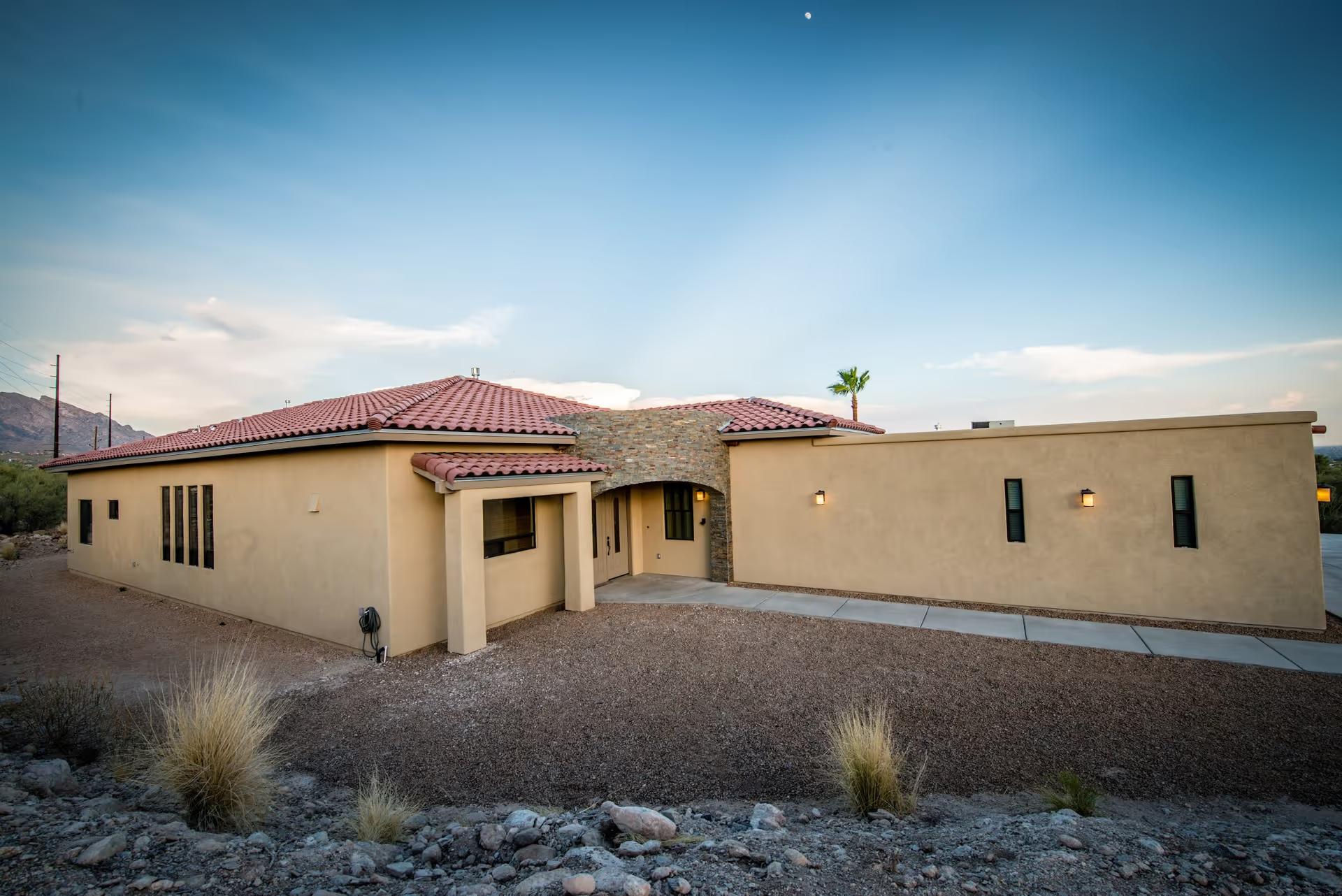
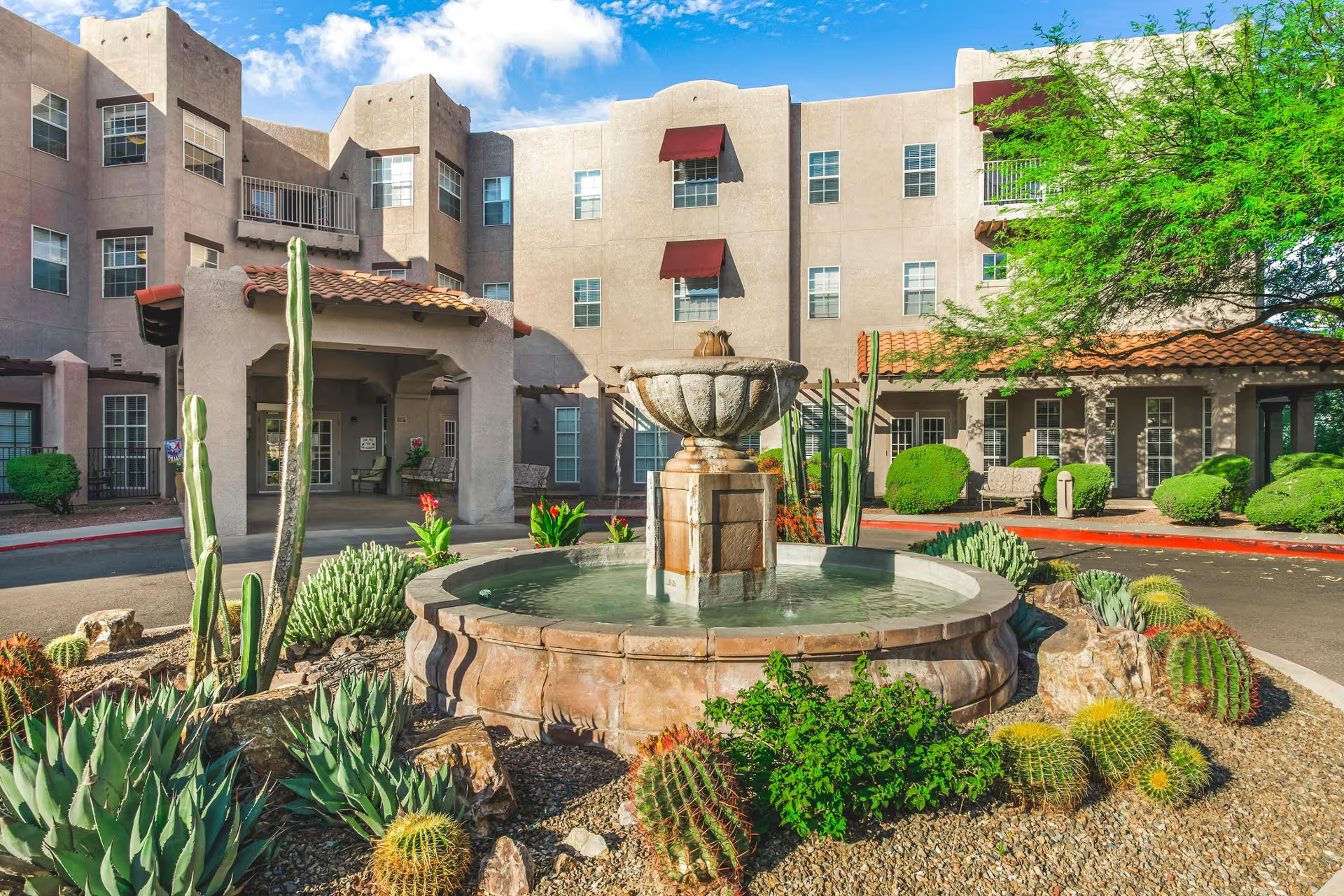
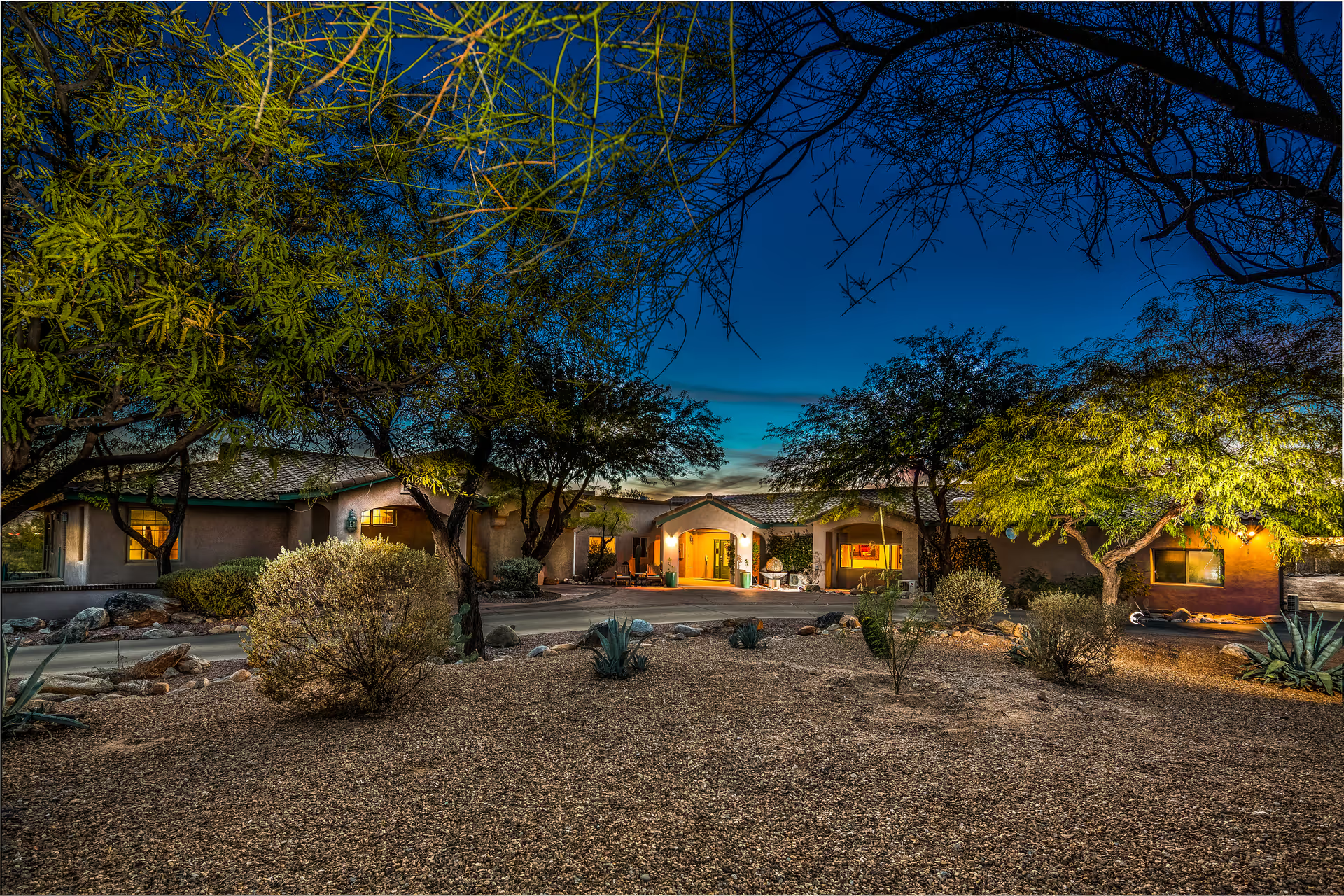
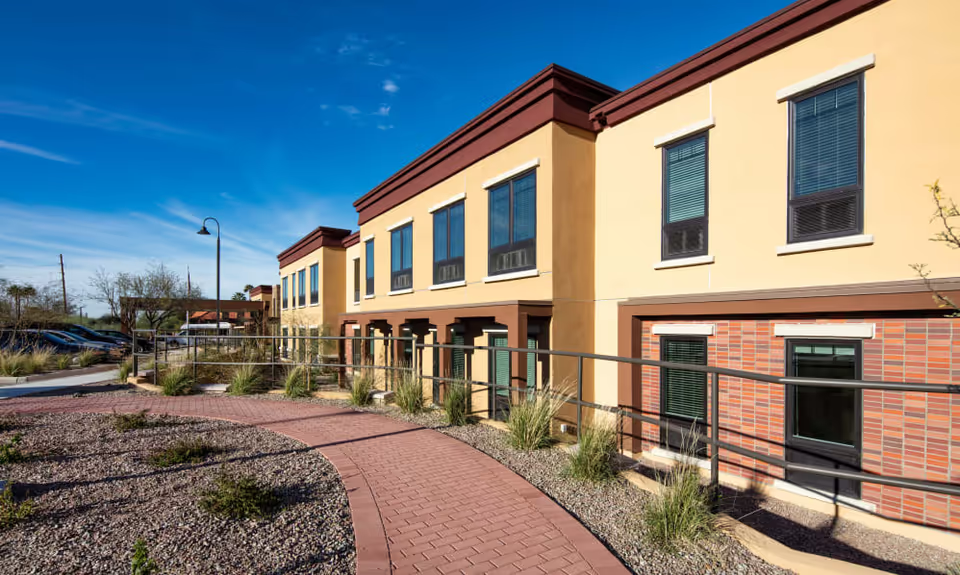
Venezia Place presents as a small, neighborhood assisted living community with a calm, home-like atmosphere. Reviewers consistently describe clean rooms, comfortable furnishings, and a generally safe environment. The facility is positioned as affordable and intimate, which some families find beneficial for companionship and closer day-to-day attention.
Care and staff: Caregivers are described as kind, friendly, and attentive. Multiple accounts highlight a capable house manager and named management presence, which appears to contribute to perceived responsiveness and a stable daily routine. Families noted that residents who require prompting and supervision receive increased attention compared with prior settings, suggesting the staff can support mild-to-moderate assistance needs. At the same time, the collective comments suggest potential limitations for residents requiring more advanced dementia-specific programming or complex mobility support.
Dining: Dining is cited as a strength. Meals are characterized as fresh and home-cooked daily, with generally positive impressions of food quality and presentation. This contributes to the facility’s sense of homeliness and daily routine.
Activities: Activity offerings appear limited; reviewers referenced minimal programming beyond television. Prospective residents seeking structured social or therapeutic activities may find the calendar sparse and should inquire directly about scheduled engagement opportunities or offsite arrangements.
Facilities and accessibility: The building is described as older but maintained and clean. Rooms include practical furnishings such as recliners, and bathrooms have accessible features like grab bars. However, there are indications of inconsistent accommodation of mobility equipment and limited availability of private rooms. These operational constraints may affect residents who rely on wheelchairs or who require private-room placement.
Management, cost, and notable patterns: Management presence and personal attention are recurring positives, and the facility’s pricing is perceived as reasonable. The small scale of the home supports individualized interaction and roommate companionship for some residents. Patterns to watch for include the facility’s aging infrastructure, constrained activity programming, and potential limits in equipment accommodation and specialized dementia services. Families should confirm current policies on mobility-device acceptance, private-room availability, and the extent of dementia-specific programming during a visit to determine fit for higher-acuity needs.