Overall impression: Reviews portray Casas Adobes Assisted Living as a small, well-kept, homelike care home with consistently positive family feedback about staffing and day-to-day care. Care quality is described as compassionate and individualized; reviewers emphasized patient, attentive caregivers who prioritize resident comfort and dignity. Several families highlighted effective coordination with hospice and physicians, including medication management and end-of-life arrangements.
Staff and communication: Staff are repeatedly identified as the facility's principal strength. Reviewers described staff as kind, well trained, and responsive; one staff member (Erin) was singled out for exemplary communication and coordination. Families appreciated proactive outreach — text and video updates — and said staff provided support to relatives as well as to residents. The management style is described as hands-on, with owners involved in operations and organization, which appears to contribute to consistent routines and a welcoming atmosphere.
Dining, activities, and social life: Dining is characterized by home-cooked, fresh meals and positive dinner service. The small size of the home supports close social connections; reviewers noted that residents made friendships and that activities were engaging and appropriate for the setting. The small-house model and communal common areas (large great room, kitchen) were reported to foster interaction and a sense of being at home rather than in an institutional setting.
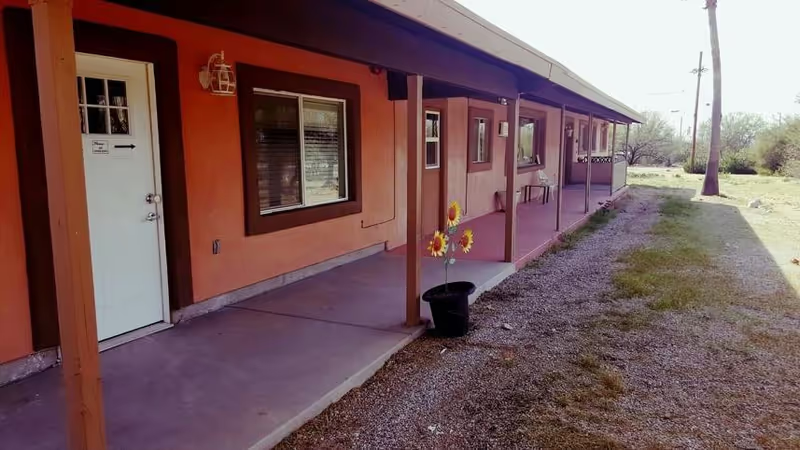
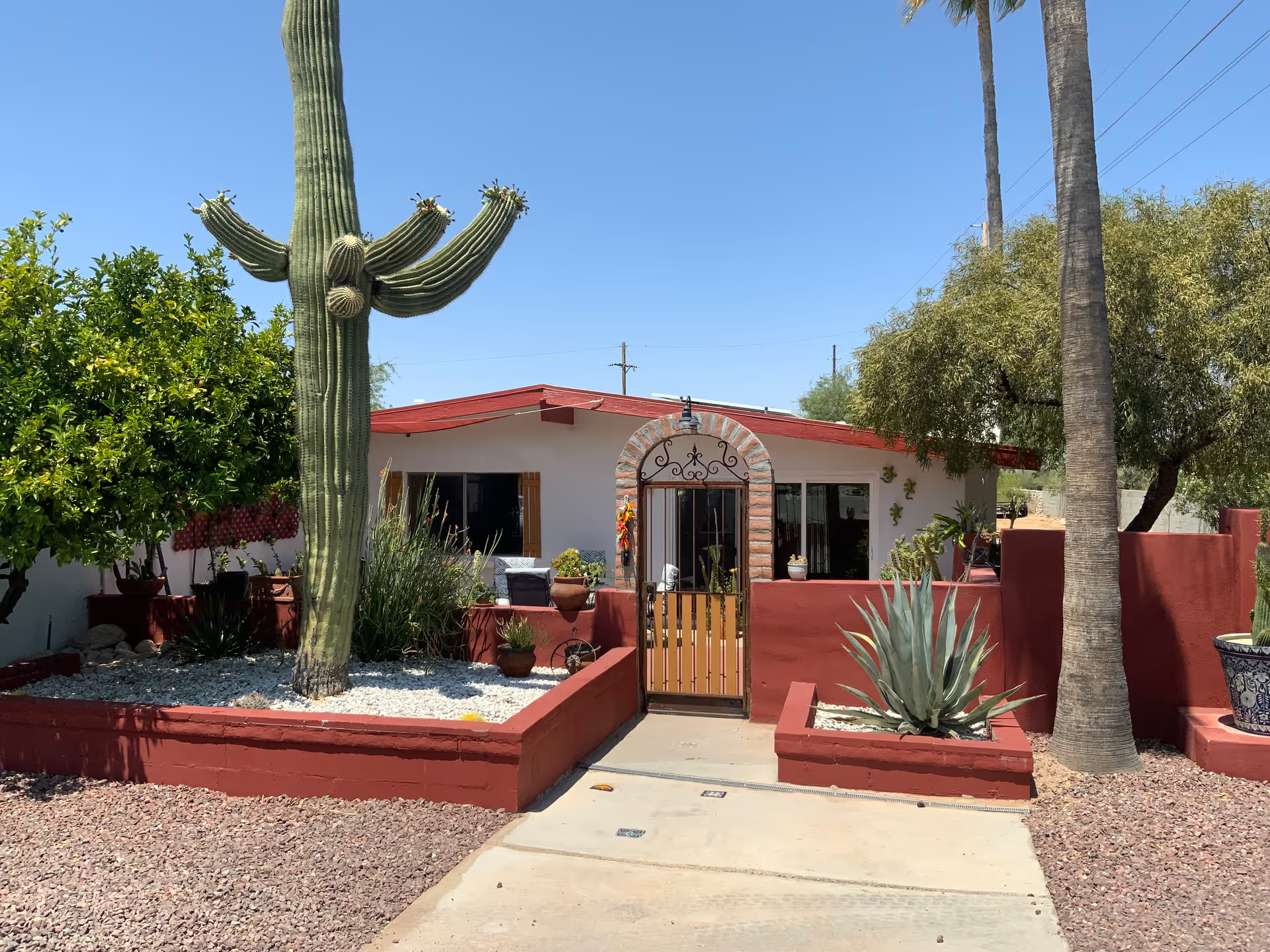
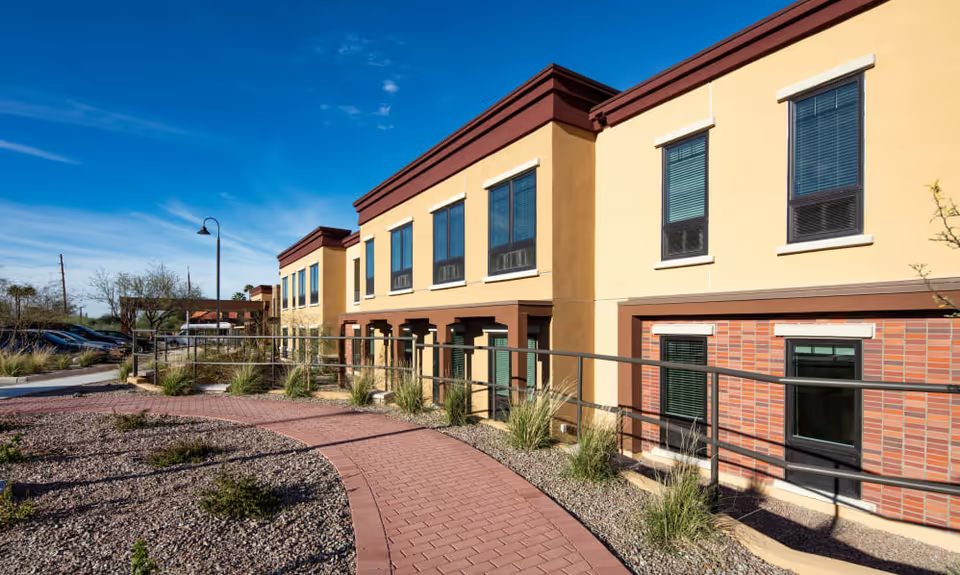
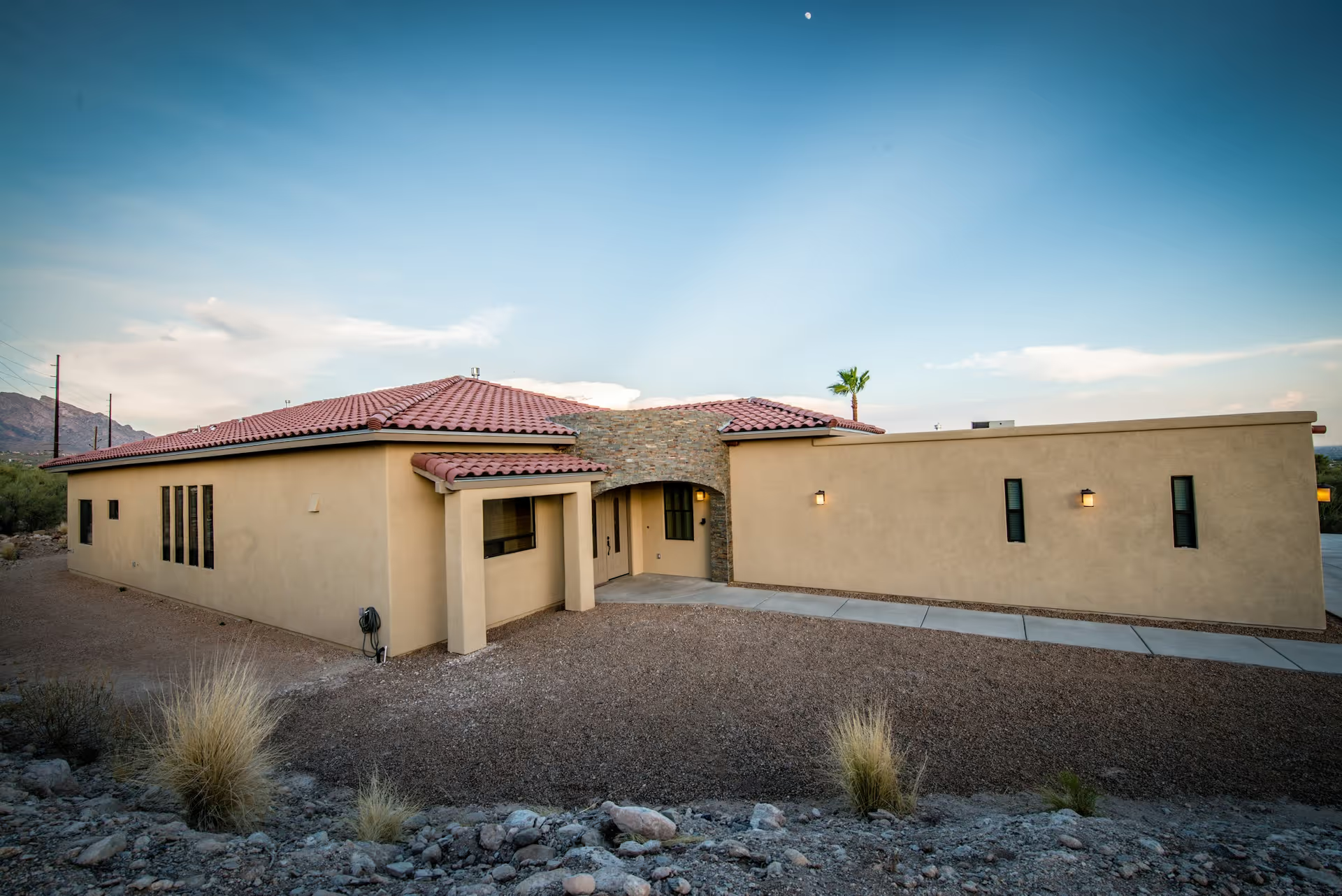
Facilities and environment: The physical environment is frequently praised: remodeled, attractive interiors, private rooms with bathrooms, clean common areas, and outdoor front and back yards in a quiet neighborhood. Reviewers used descriptors indicating a peaceful setting and well-kept grounds, which families found reassuring.
Notable patterns and considerations: The overwhelmingly positive comments center on personalized care, strong family communication, and a small, homelike setting. Those factors are also the basis for the main operational trade-offs prospective families should evaluate. Because the home serves about ten residents, bed availability can be limited and the setting may not be suited to residents requiring high-acuity medical care or frequent specialist interventions. Reviewers’ emphasis on particular staff members and hands-on owners suggests a reliance on specific personnel for continuity; families should ask about staffing contingencies, turnover, and after-hours clinical coverage. Prospective residents and their families would be well advised to verify licensing, staffing ratios, medication-administration protocols, and the facility's capacity to meet changing clinical needs during a visit.