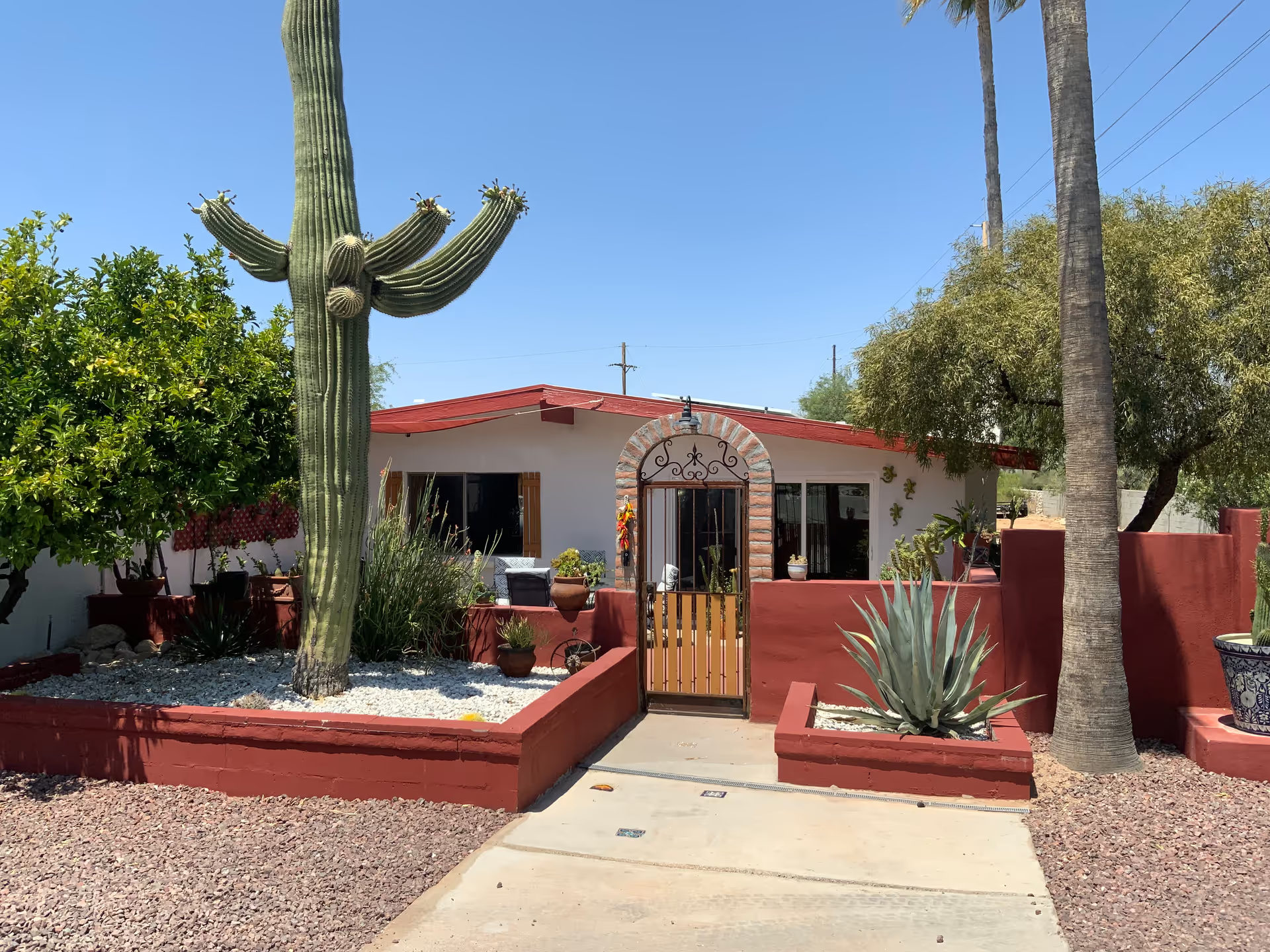
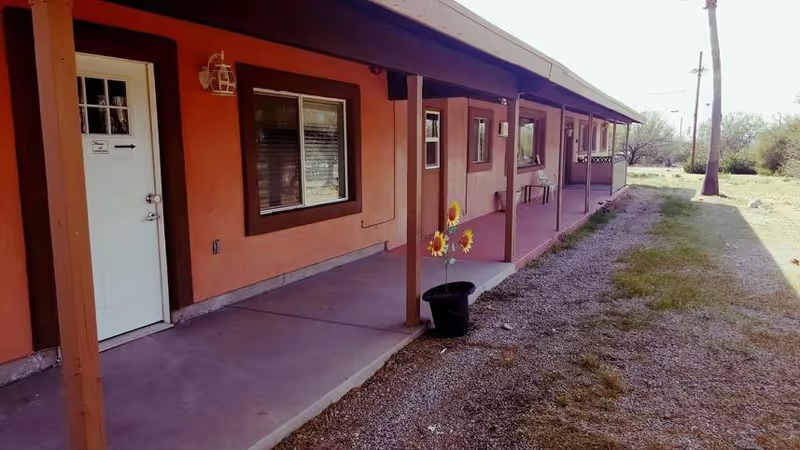
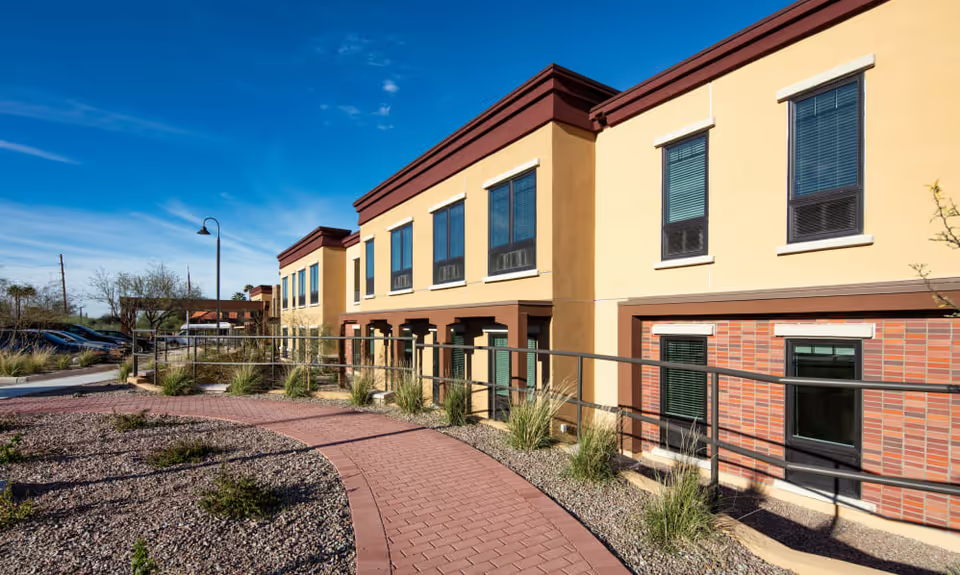
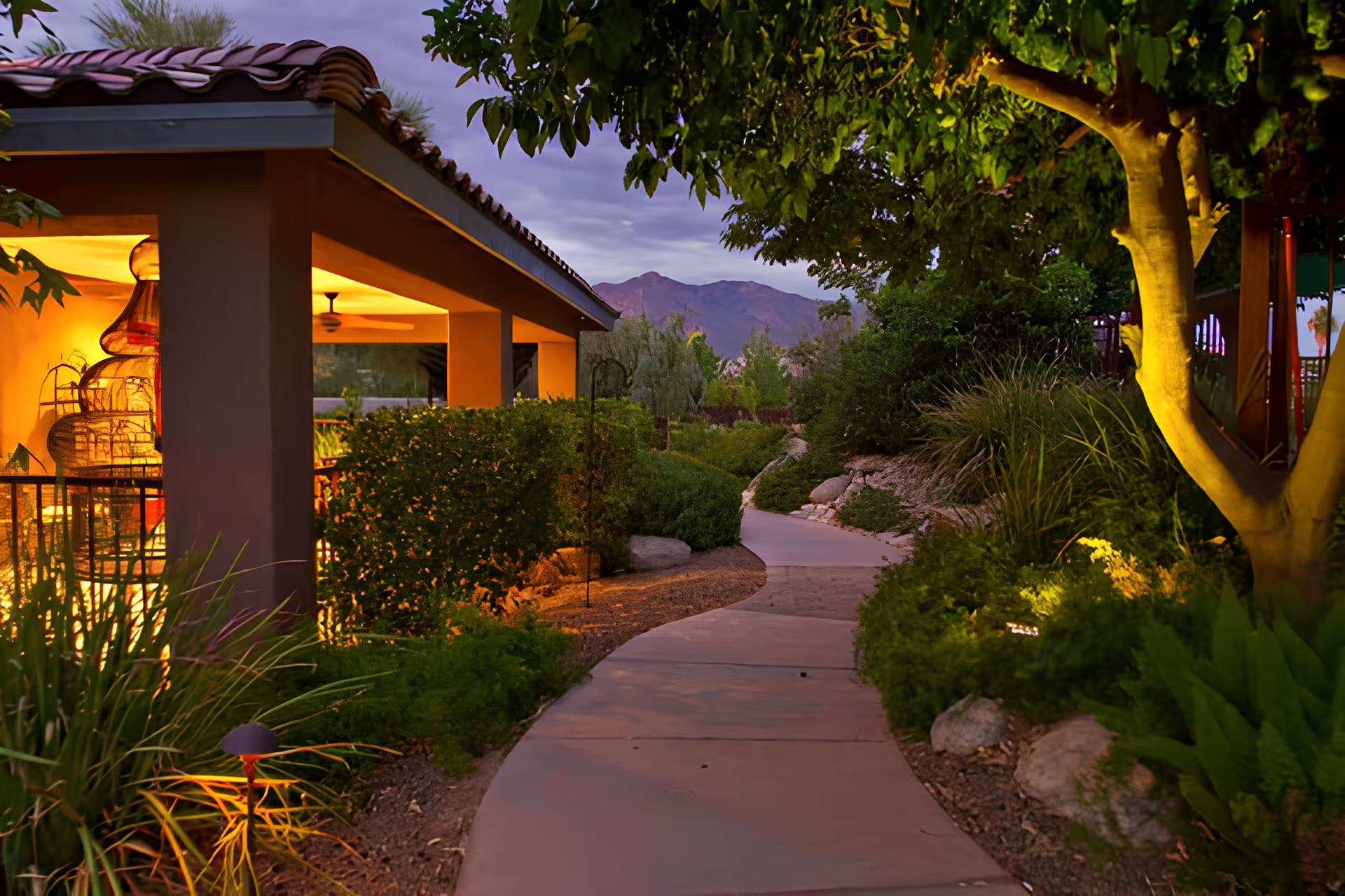
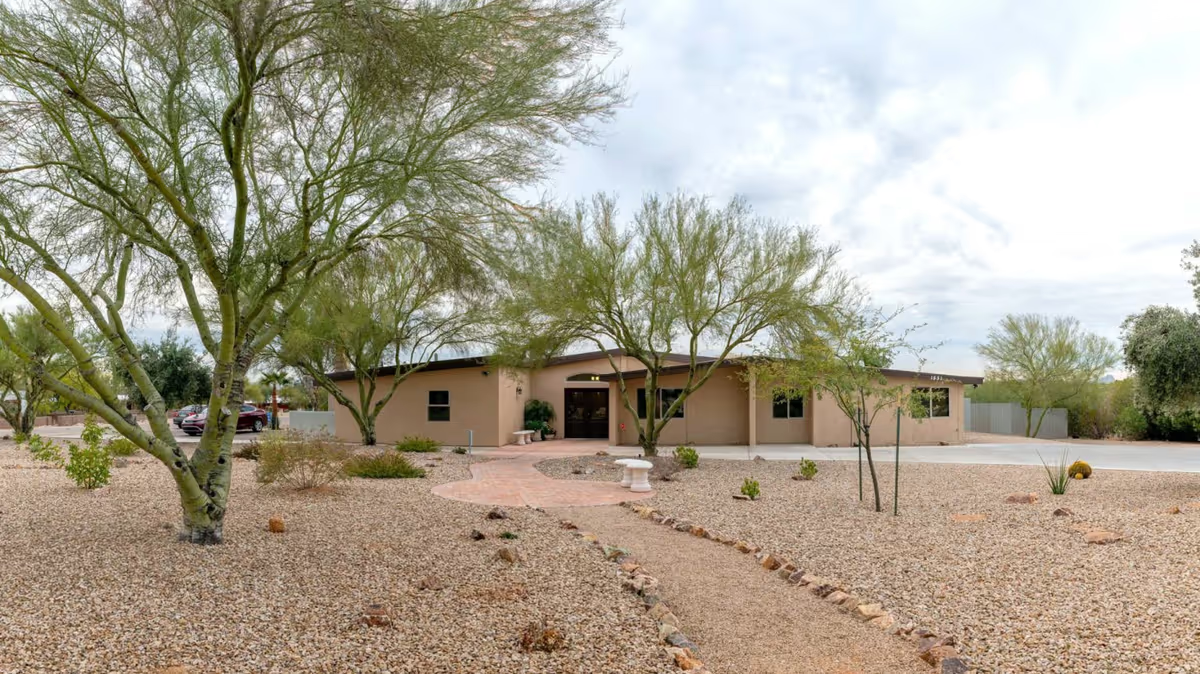
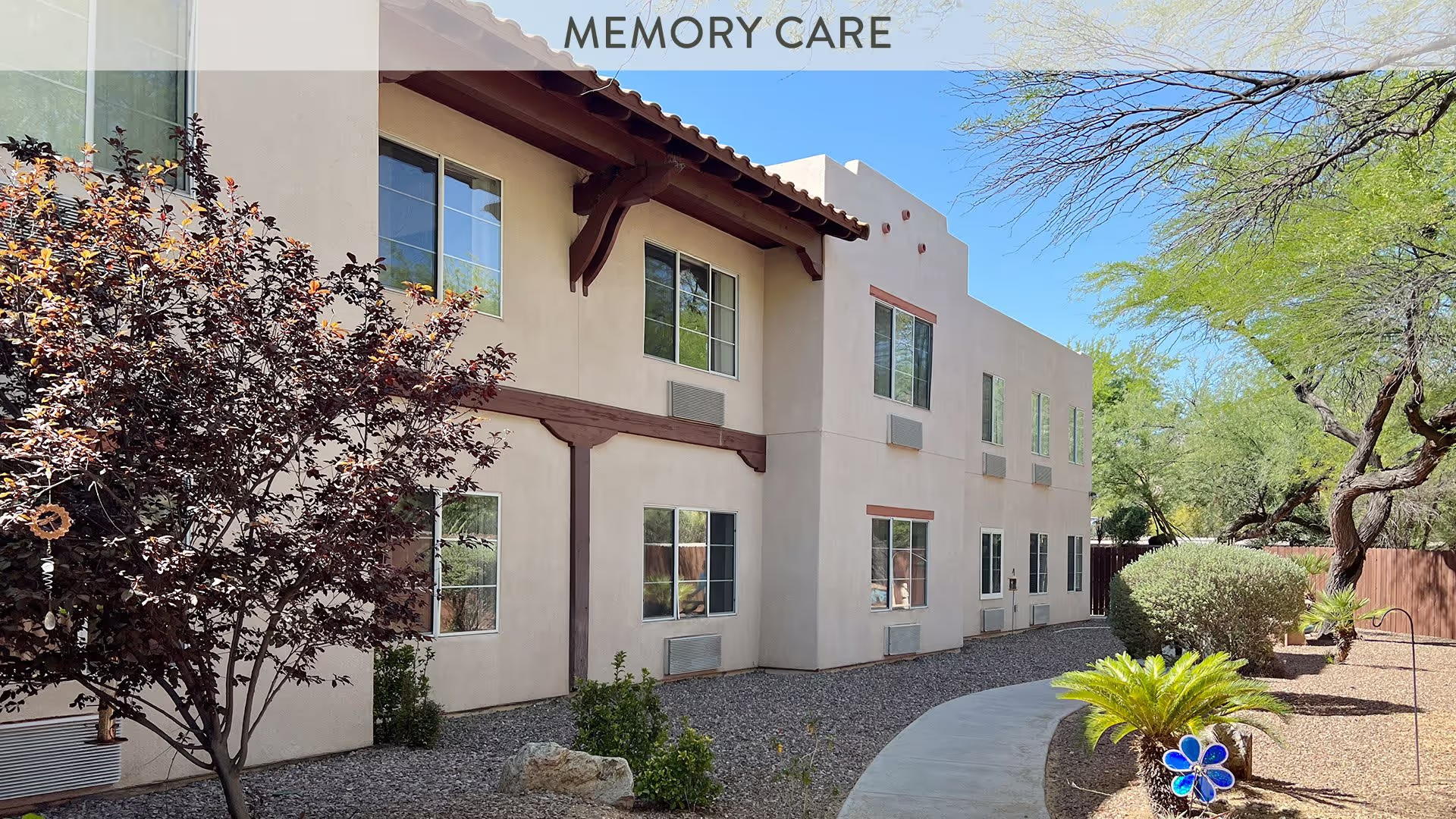
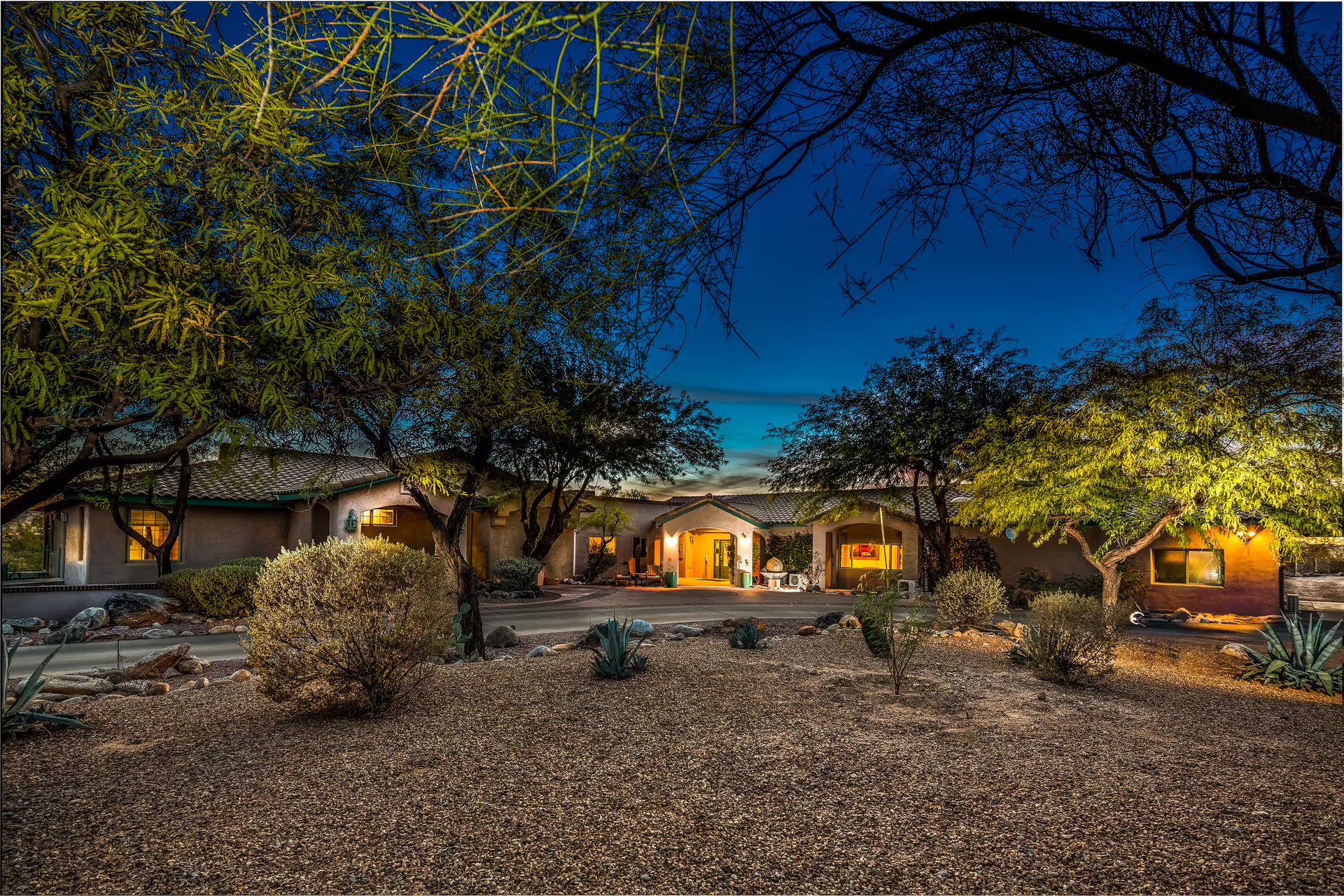
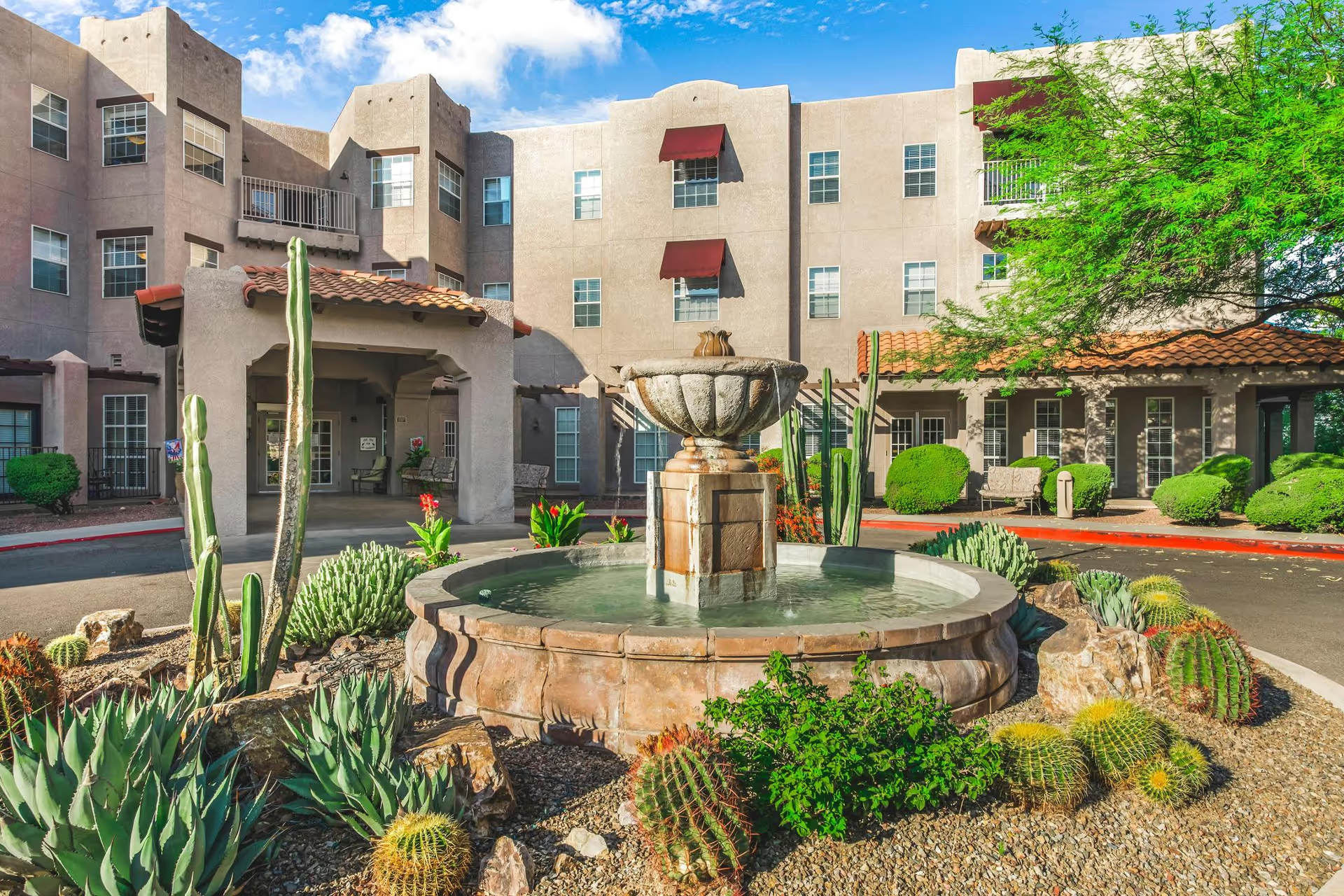
Hacienda de Luna presents as a small, family-style assisted living community that attracts consistently positive feedback for its caregiving team, cleanliness, and home-like environment. Reviewers emphasize compassionate, patient staff and an experienced management team; the presence of in-house nurse practitioners and physicians is repeatedly cited as an important clinical strength. Rooms and homes are described as spacious and well maintained, and the property’s outdoor areas and views contribute to a calm, restorative setting.
Care and staffing are central strengths in the feedback. Families describe staff as knowledgeable, respectful, and dignity-preserving; management communication is characterized as proactive and clear. Several comments highlight individualized attention, emotional support, and competent end-of-life care. The facility’s smaller scale appears to foster close staff–resident relationships and a family-like culture, which reviewers link to improved resident comfort and peace of mind.
Dining and activities reflect the community’s home-style focus. The dining program emphasizes home-cooked, organic non-GMO offerings and accommodates special dietary needs. Outdoor and low-intensity activities — such as art classes, porch reading, walking areas, and garden seating where residents can observe birds and other wildlife — are featured prominently. These amenities support a relaxed, domestic atmosphere rather than an institutional activity schedule.
Facility operations and management receive positive remarks for cleanliness, safety-focused design, and overall value. The homes are described as spotless and well cared for; staff tenure is noted as contributing to consistency in day-to-day care. The community’s scale and staffing model are part of its appeal, but they also shape operational limits: a smaller facility size supports individualized attention but can constrain bed availability and the breadth of on-site clinical, therapeutic, or recreational programming when compared with larger campuses.
Notable patterns: reviews are heavily weighted toward strong recommendations and praise for staff, management, and the home-like environment. Prospective families should weigh the trade-offs implicit in a small, residential-style community: excellent personalized care and a peaceful setting versus more limited capacity and narrower on-site specialty services. A tour and direct conversations about current bed availability, staffing coverage during peak periods, and the extent of therapeutic or specialized services will help clarify fit for residents with higher or more complex care needs.