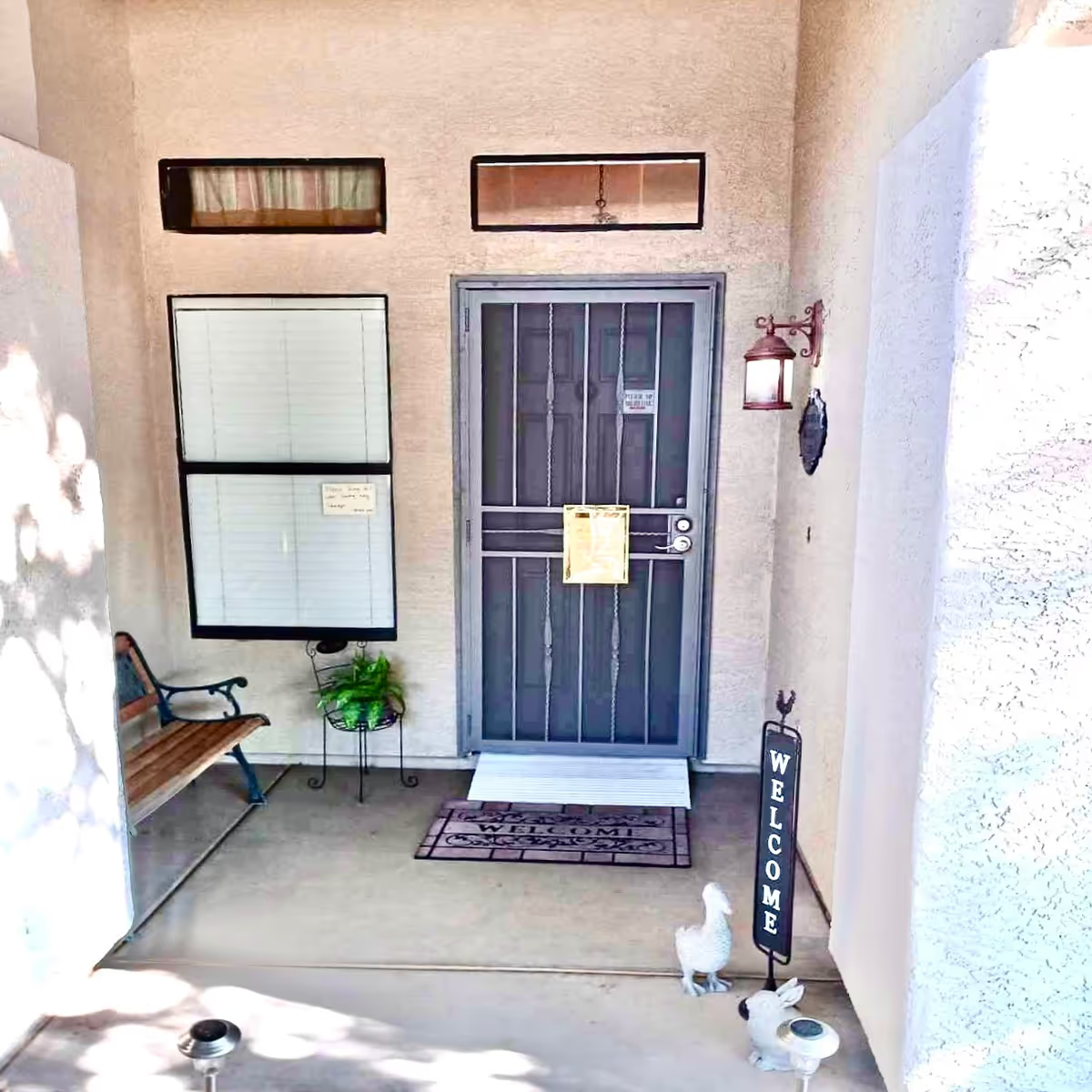
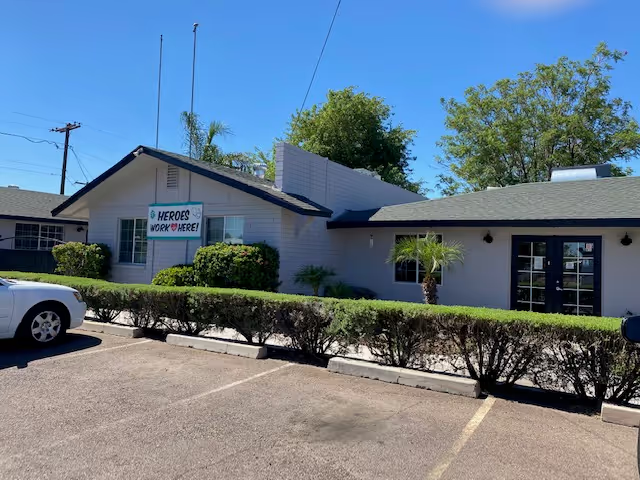
Ridgecrest Post Acute presents a mixed profile in these reviews. Many families and former residents praise the clinical rehabilitation teams (PT/OT/SLP), several named nurses and CNAs, and an engaged social services group that assists with discharge planning and family communication. The facility's physical environment is frequently described as clean, modern, and well-equipped for therapy, with private, comfortable rooms, outdoor patios (including a secure memory-care patio), communal recreation spaces, and onsite spiritual services. Activity programming, when staffed, is described as robust and meaningful, with an active activities director and regular events that support social engagement.
At the same time, a recurring pattern centers on inconsistent frontline delivery. Multiple accounts describe slow responses to call lights, delayed assistance for clinical needs, and variability in staff conduct and communication. Several reviews indicate understaffing and high turnover as contributors to these delays; families reported long wait times for assistance and uneven follow-through on care tasks. There are also recurring concerns about medication timing and clinical oversight, including missed or delayed medication administration and uneven pain management practices.
Dining and daily living received mixed feedback. Food quality is sometimes described as appetizing, but reviewers commonly note issues with meal temperature, irregular meal timing, and limited diabetic-specific options. Housekeeping and laundry services receive positive comments overall, yet some reviews raise sanitation and odor concerns in particular areas and describe inconsistencies in incontinence-care follow-through and room maintenance. Property-management weaknesses — missing or swapped belongings and issues with inventory control — appear across multiple accounts and have been raised alongside one-off serious claims.
A small number of reviews allege theft and documentation falsification; these are serious individual-level claims that families should address directly with facility leadership and regulators as needed. There are also reports of inconsistent dementia-specific supervision and gaps in fall-prevention processes, which together indicate variable readiness to manage higher-acuity cognitive or mobility needs.
Management and leadership impressions are polarized. Many reviewers single out social workers and specific staff members as highly supportive and communicative; other reviewers describe poor communication from administration, unanswered calls, and difficulties with billing clarity. Construction and renovation activity was noted to cause intermittent disruption but also to reflect investment in facility improvements.
Overall, Ridgecrest appears to offer strong rehabilitation services and several highly regarded staff members and support programs, alongside operational weaknesses that appear related to staffing levels, clinical oversight, and property/process controls. Prospective residents and families should confirm current staffing ratios, medication-administration protocols, fall-prevention measures, dementia-care training, infection-control practices, and property-belonging safeguards during tour and intake conversations, and request clear escalation pathways and written care plans to address the variability documented in these reviews.