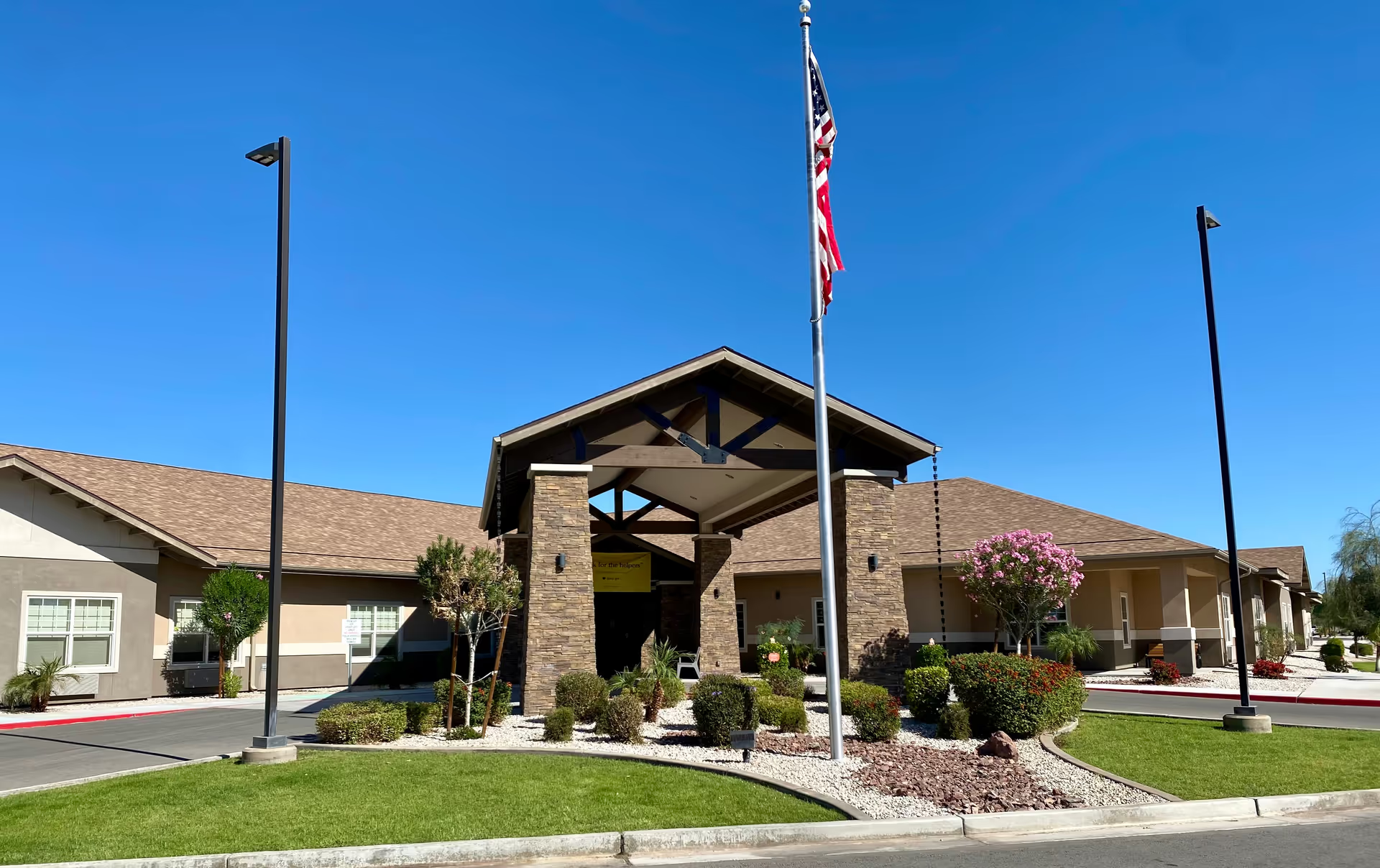
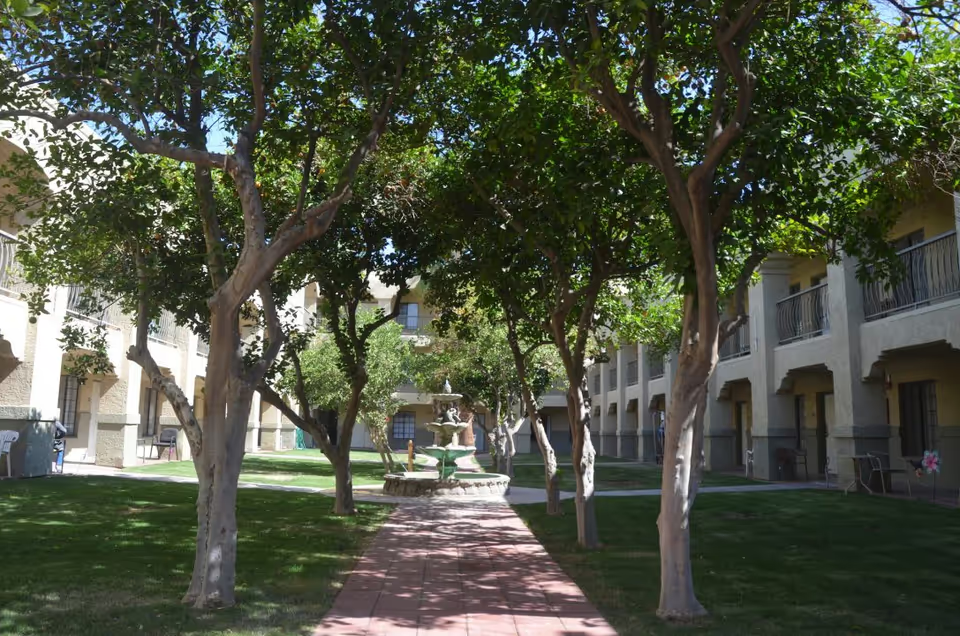
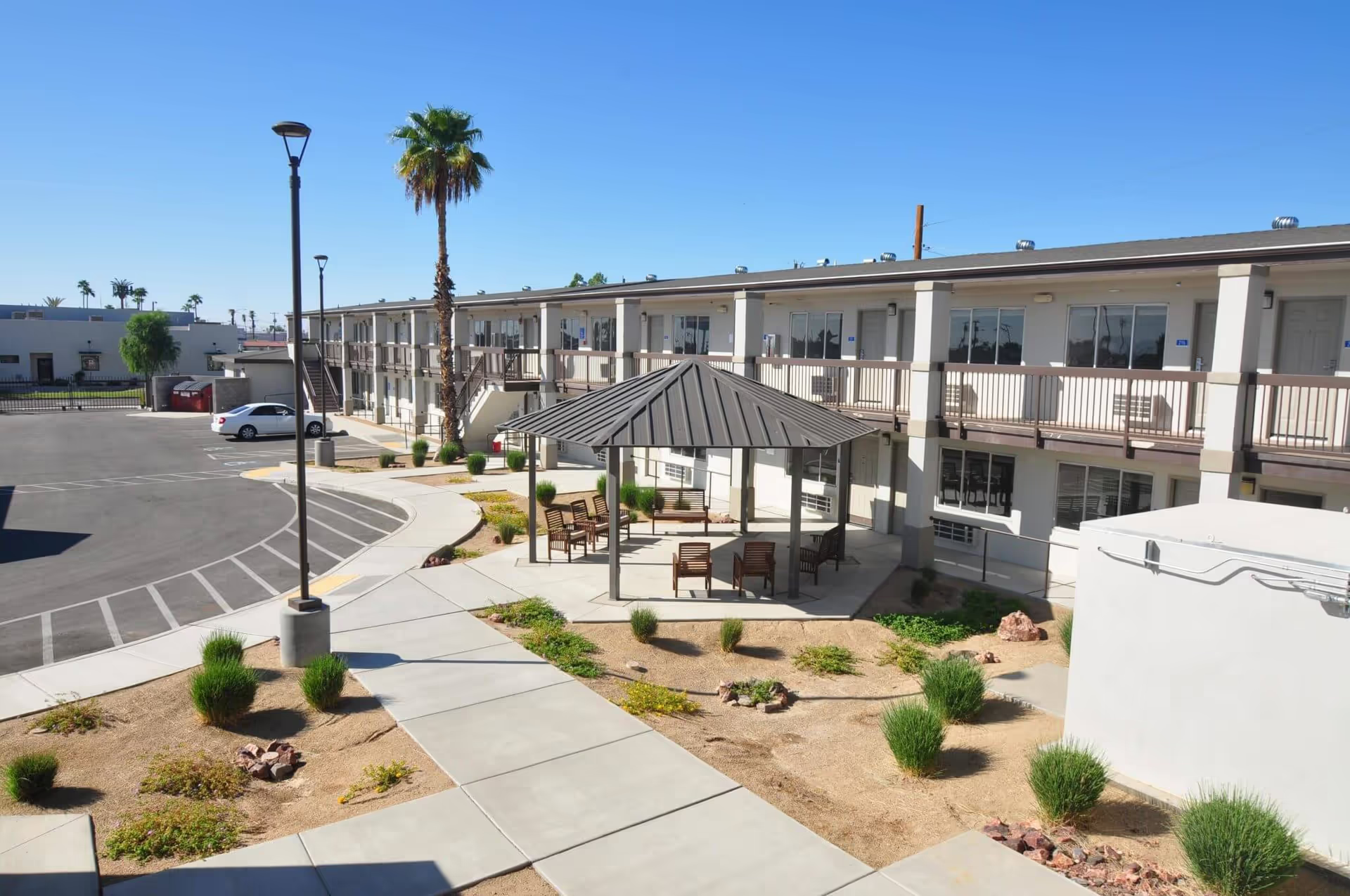
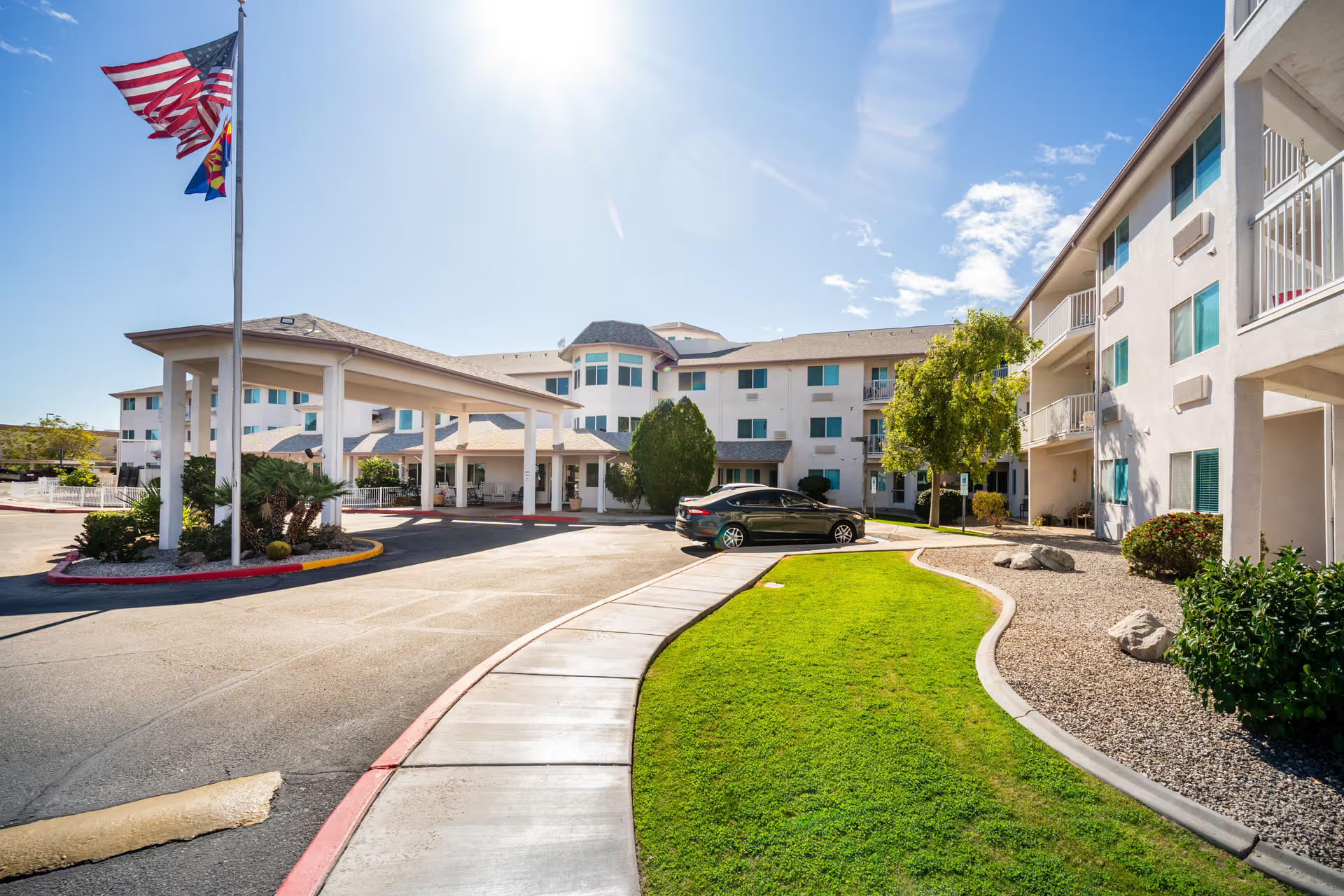
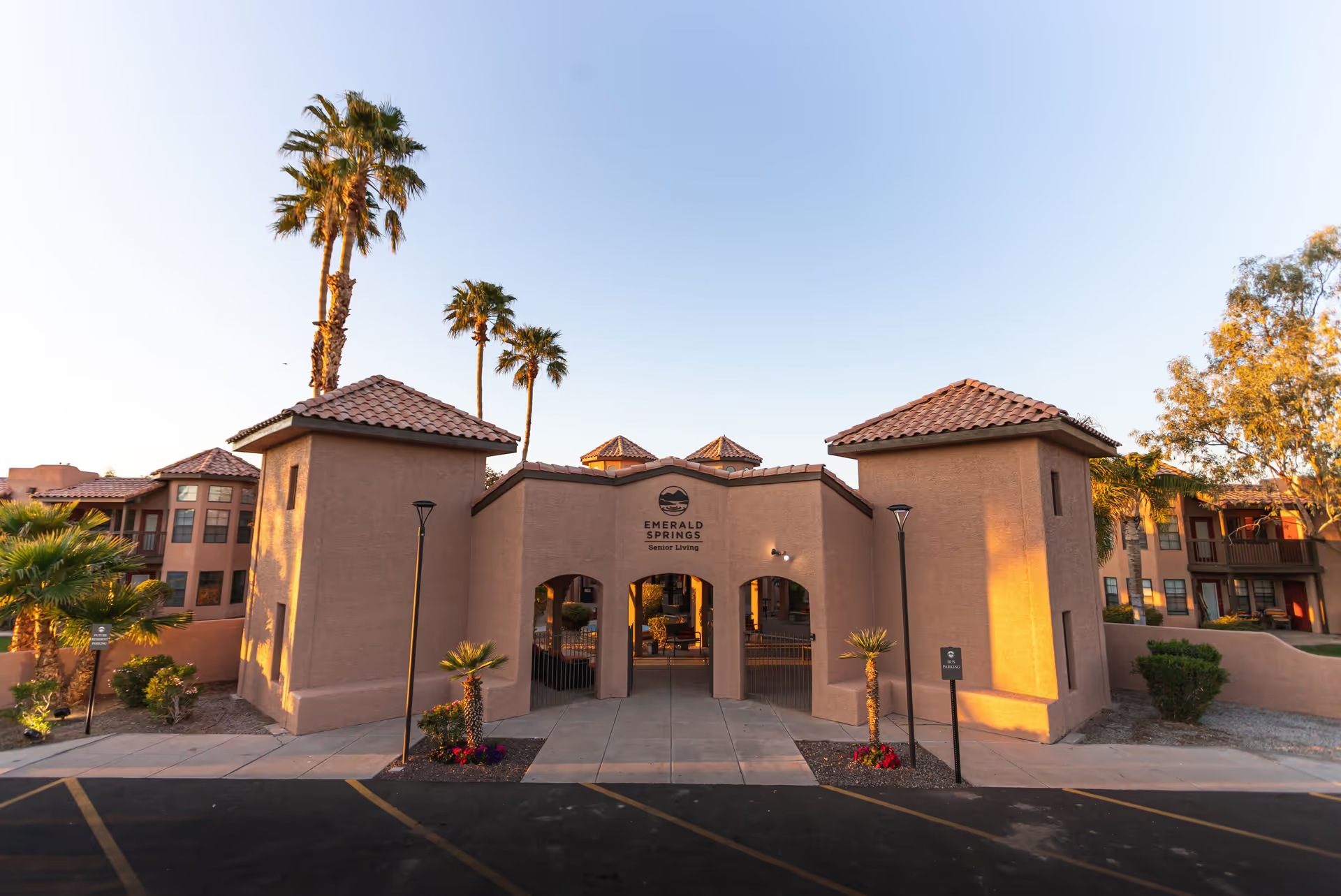
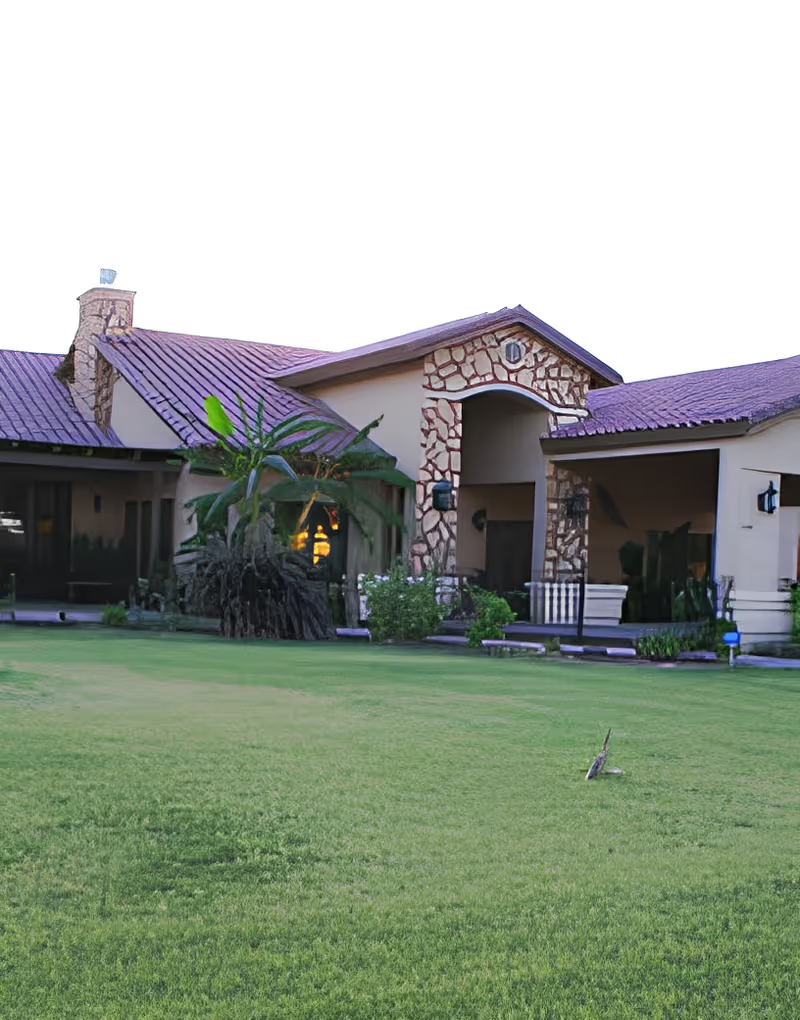
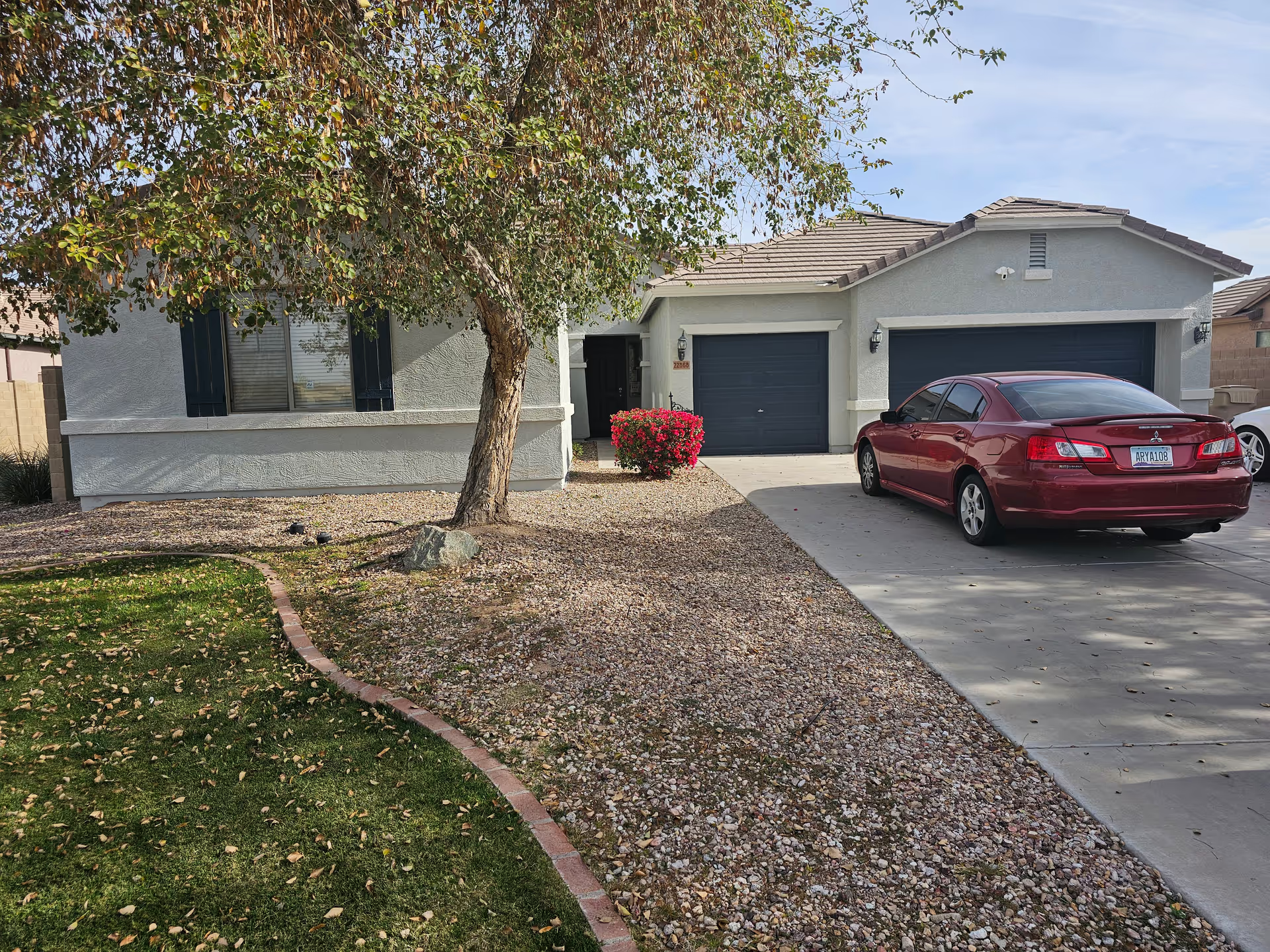
Avista Senior Living Yuma presents as a clean, well-kept community with a bright, home-like interior and a range of small apartment options (studios and one- or two-bedroom units often featuring kitchenettes). Public spaces are described as pleasant and well-lit, and recent renovations and modern finishes are commonly noted. Safety features such as bathroom grab bars and wide hallways support mobility and accessibility. The campus supports pets and offers links to hospice and spiritual services, which contributes to a family-oriented atmosphere.
Care quality is generally characterized by attentive, compassionate staff and an engaged activities/team structure; many families praised specific caregivers and the availability of nursing oversight including an RN on staff. Residents appear to benefit from daily socialization and supportive end-of-life contacts. That said, reviewers indicate operational tensions: staffing levels fluctuate and at times limit the hands-on care available, and there are concerns about medication-management practices and secure medication storage. For individuals with higher medical needs or advanced dementia, the facility may lack the clinical capacity and environmental configuration required for safe, sustained care.
Dining and activities are strengths in day-to-day life for many residents. The community offers on-site meals with menu choices, a full activities board (exercise, games, movies, church services, and special events), and communal dining that supports engagement. However, families should note occasional inconsistencies in meal-service timing and reports of periods when dining services were limited or access to meals was interrupted.
The physical campus receives mixed commentary: interiors and unit finishes are viewed positively, though the exterior and landscaping are less appealing to some. The location is relatively remote, which constrains access to nearby stores and public transportation and may require family planning for shopping and errands. There are also operational concerns around building access and security processes; one serious allegation described unsecured keys and medication access, which underscores a need to review the community’s access-control and medication policies during tours.
Management and communication show both strengths and variability. Admissions staff and directors are often described as informative and helpful, and families noted proactive guidance around options and costs. At the same time, occasional gaps in administrative presence and communication have been reported, and pricing perceptions vary—some find the community competitively priced while others consider it higher than comparable options. Caregiver training and the clinical skill mix were also described as inconsistent in some cases, suggesting variability in the level of clinical competence available for more complex needs.
Recommendation: The community appears well suited for residents seeking a clean, social, and moderately supportive assisted-living environment with active programming and family engagement. Prospective residents and families should verify specific operational elements that matter for safety and care continuity: medication-administration and storage protocols, staffing ratios and on-site clinical coverage, the facility’s capability for dementia or higher-acuity needs, meal-service schedules, access-control procedures, and exact pricing and included services. An in-person tour during meal or activity times and a direct review of clinical policies will help determine fit for higher-dependency needs.