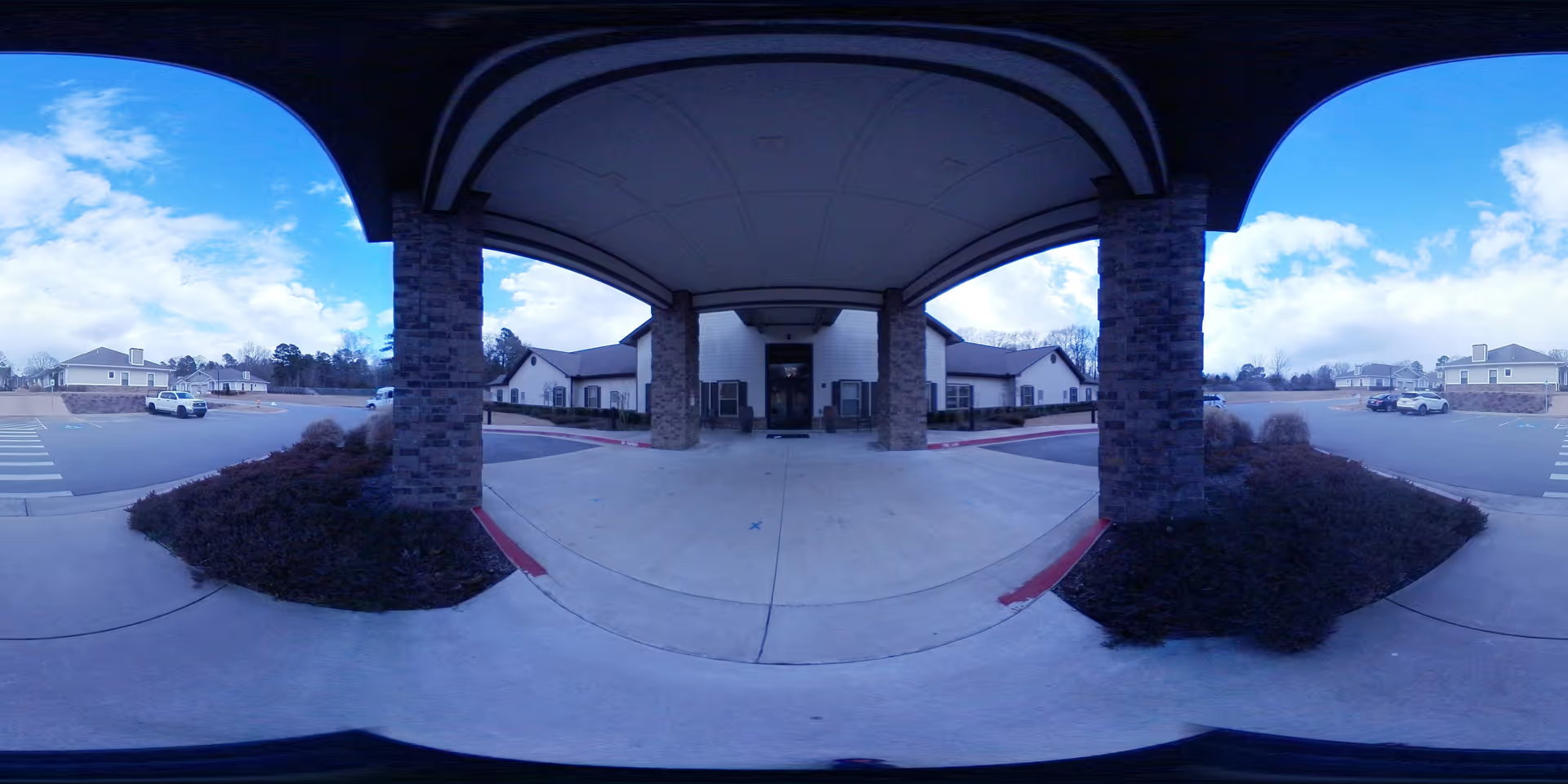
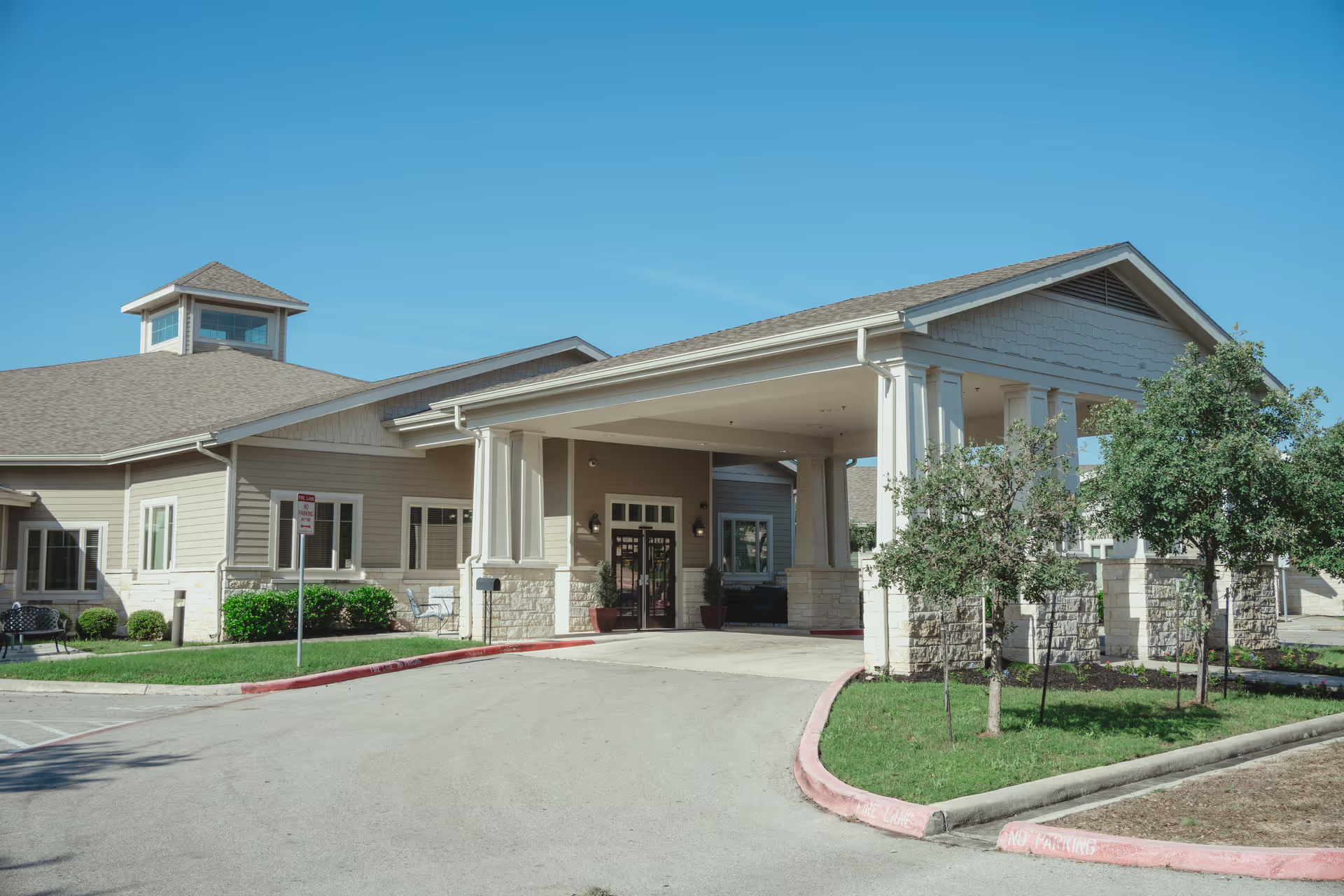
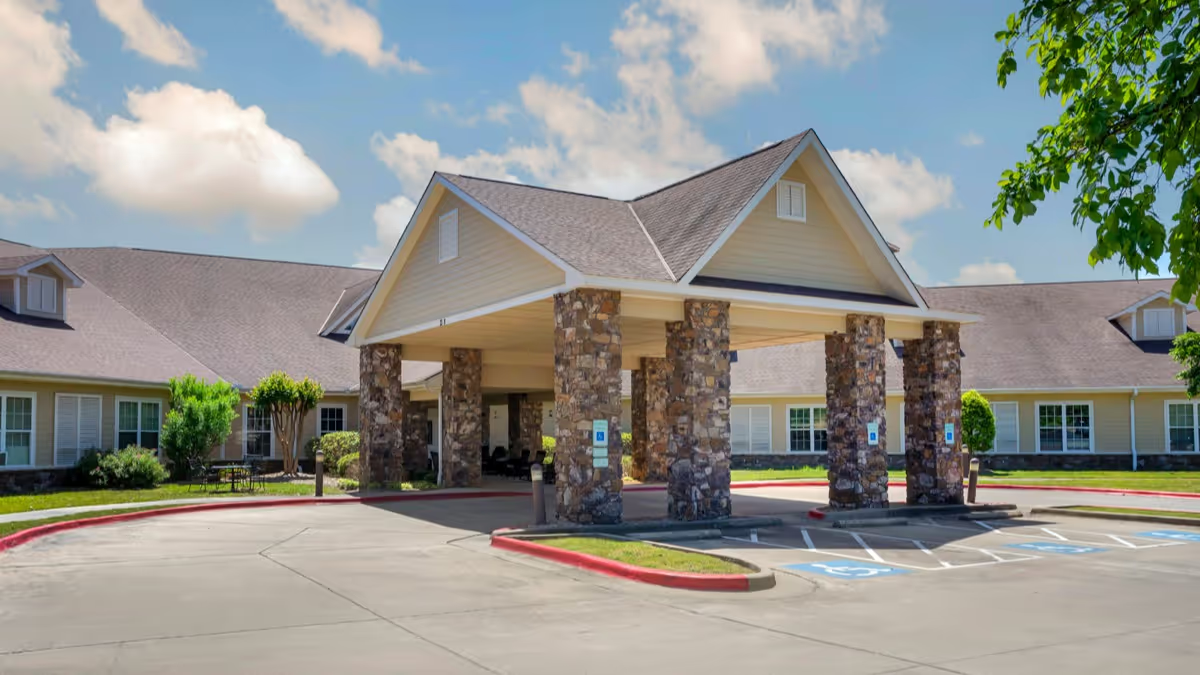
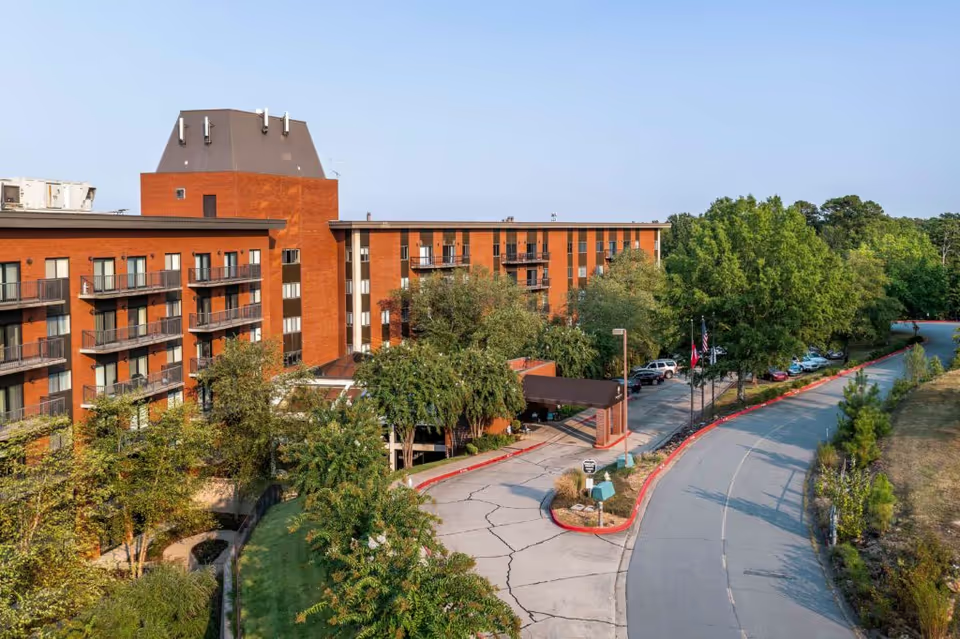
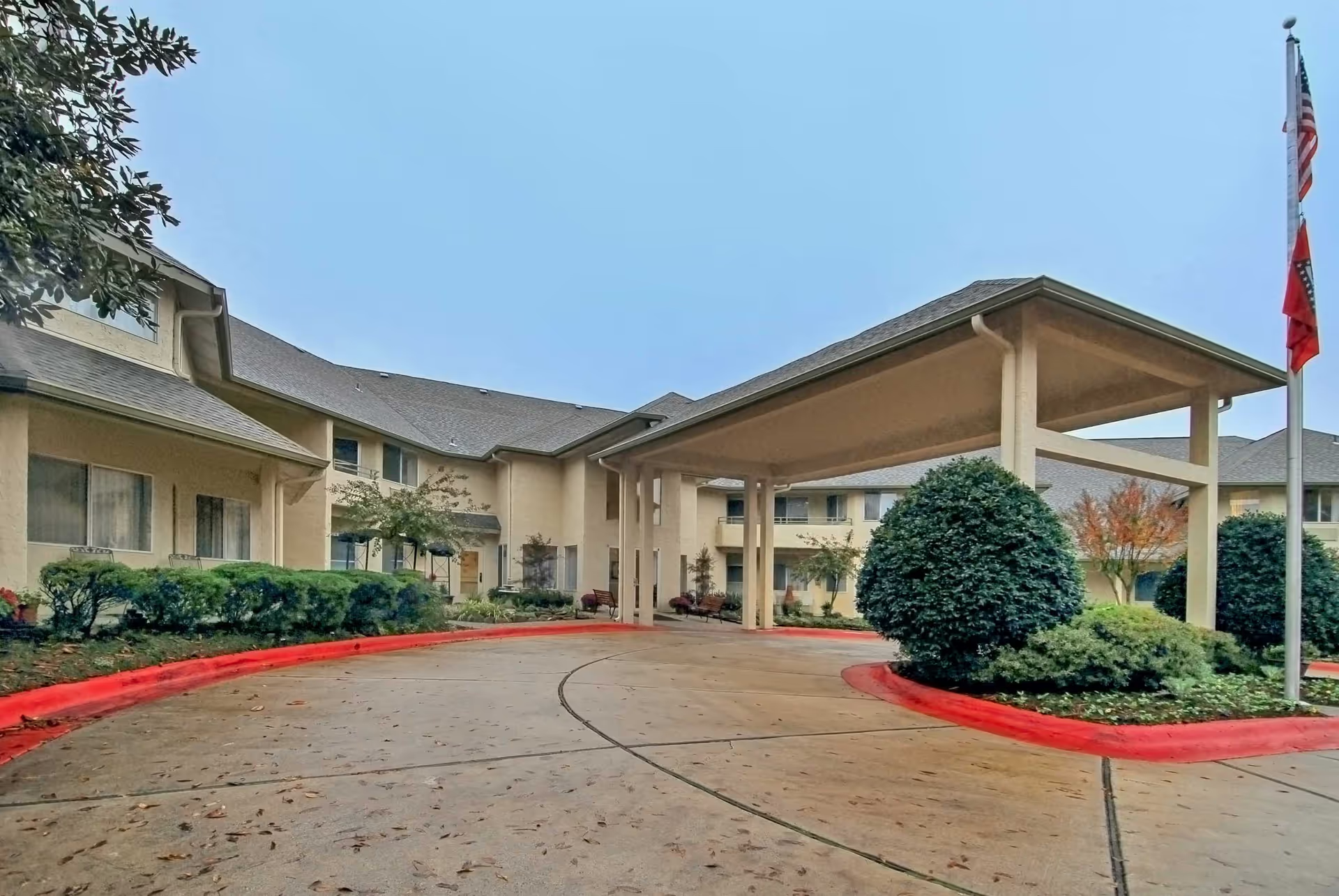
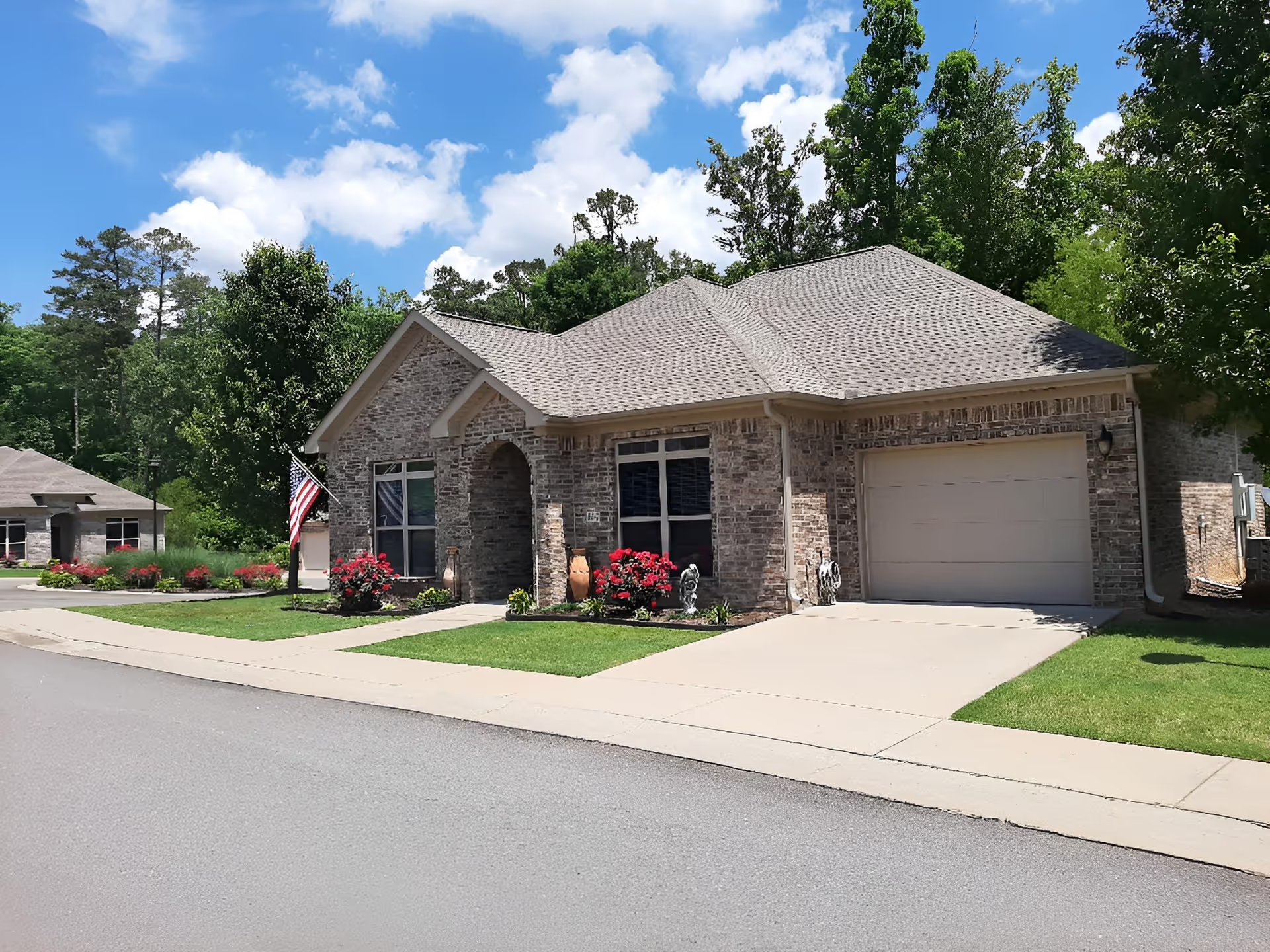
Heartland Rehabilitation & Care Center elicits strongly mixed impressions. Many families and residents describe a caring, team-oriented staff—including long-tenured employees and named caregivers—who create a welcoming atmosphere, provide meaningful social activities, and deliver effective therapy services. The facility offers a range of room sizes including private options, outdoor patios and pleasant grounds, multiple dining spaces, and evidence of ongoing remodeling. Several reviewers praised timely family communication, a lively activity schedule, occasional community outings, and positive short-term respite stays.
At the same time, a substantial set of operational concerns recurs across reviews. Staffing levels appear inconsistent, with particular strain reported on weekend shifts and during infection-control periods; this corresponds with longer response times to call lights and requests and with reports of insufficient assistance during meals. There are repeated accounts that point to gaps in medication-administration controls and clinical monitoring (including infrequent vital-sign checks), which families identified as contributing to lapses in care continuity. Bed-safety and alarm maintenance issues and other equipment problems were also described.
Facility-operation and administrative weaknesses are another recurring theme. Several reviewers noted billing and records-management inconsistencies and questioned transparency around admissions decisions. Communication from administration was characterized as uneven: some families received regular updates and attentive casework, while others found administrators unresponsive. Privacy and information-handling concerns were raised in relation to HIPAA safeguards and room-privacy practices. Security of personal items and inventory-control processes were also cited as needing improvement.
Dining and environmental observations are similarly mixed. Many reviewers found the meals varied and better than institutional food, with available snacks and pleasant dining areas, while others cited inconsistent portioning, repetitive menus, and occasional shortages of basic supplies. Cleanliness and sanitation impressions vary by unit and shift; while some areas and rooms were described as clean and well-maintained, other comments indicated sanitation inconsistencies and maintenance issues (broken televisions, lack of ice, etc.).
Overall pattern: the facility demonstrates clear strengths in staff dedication, social programming, and rehabilitation services, but those strengths coexist with operational vulnerabilities—particularly around staffing consistency, clinical monitoring, medication controls, privacy safeguards, and administrative communication. Prospective residents and families should weigh the positive community and therapy aspects against the documented operational risks. When evaluating Heartland, consider asking specific questions about weekend staffing levels, medication-administration protocols, fall- and bed-safety practices, privacy/HIPAA procedures, billing reconciliation processes, and recent inspection or remediation records; in-person visits during different shifts may illuminate how consistently positive practices are applied.