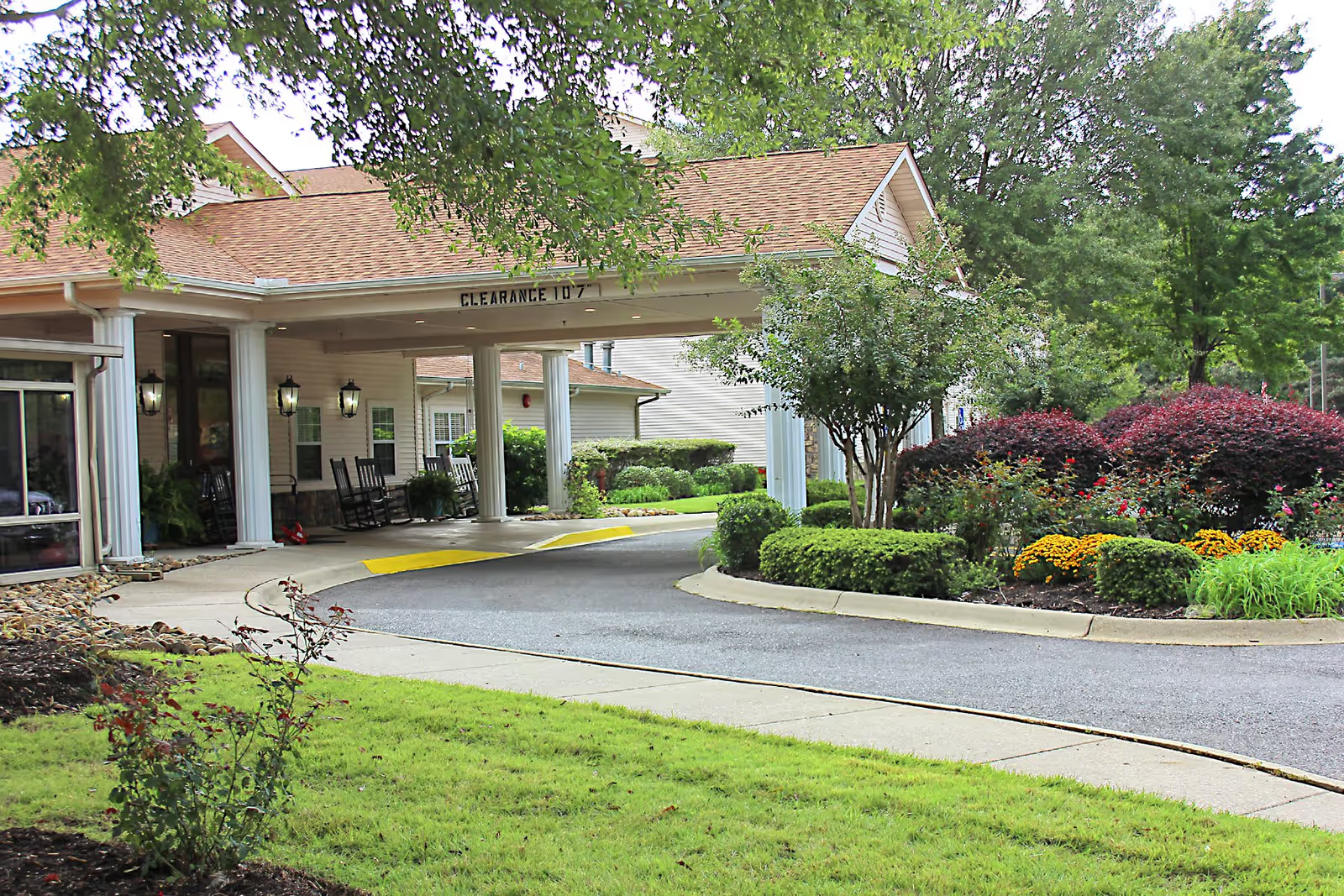
Experiences at Ouachita Nursing and Rehab are polarized: many families and residents praise the staff and the atmosphere, while others describe significant operational shortcomings. Positive accounts consistently highlight compassionate, patient-focused caregiving, strong hospice support, and a community-oriented environment. Numerous reviewers describe the facility as home-like with abundant activities, clean dining and common areas, and friendly CNAs, nurses, and support personnel. Rehabilitation services and the willingness of staff to assist with a pleasant demeanor are cited as strengths by multiple families.
Care quality and safety show a mixed picture. Several families praise attentive clinical care and compassionate end-of-life support, but there are also descriptions that point to delayed responses to call lights, incident-related care gaps, and declines in mobility following stays. Those descriptions suggest gaps in fall-prevention protocols and in post-incident clinical management that prospective families should review with the facility. Communication tone and dignity in staff–resident interactions are an identified concern for some families, indicating variability in how respect and resident preferences are upheld.
Staffing and management present another area of divergence. Many reviewers compliment administrators and front-line staff for professionalism and responsiveness, yet others perceive inconsistent staffing levels and decisions that appear driven by administrative priorities. Some accounts describe abrupt or adversarial discharge or placement practices; these characterizations suggest the need to clarify admission, discharge, and grievance processes before placement. Operational items such as laundry and personal property handling have been mentioned as inconsistent, indicating potential gaps in non-clinical service reliability.
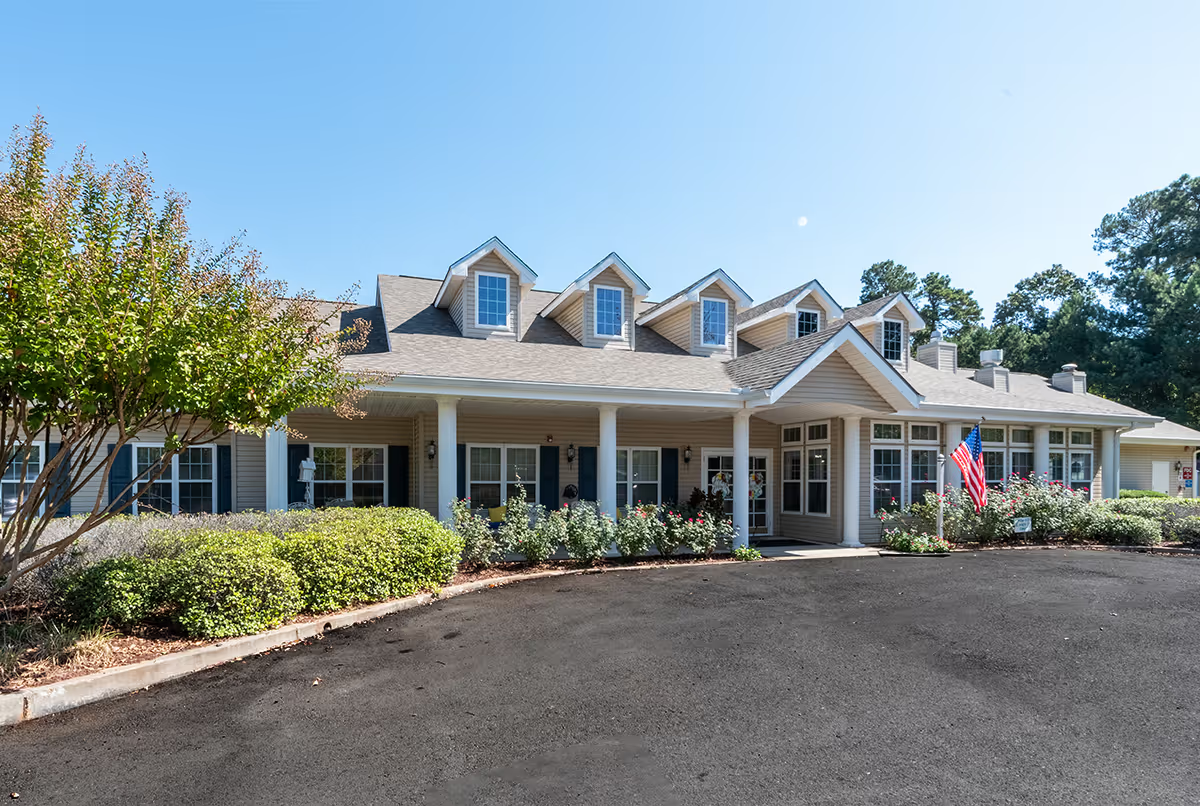
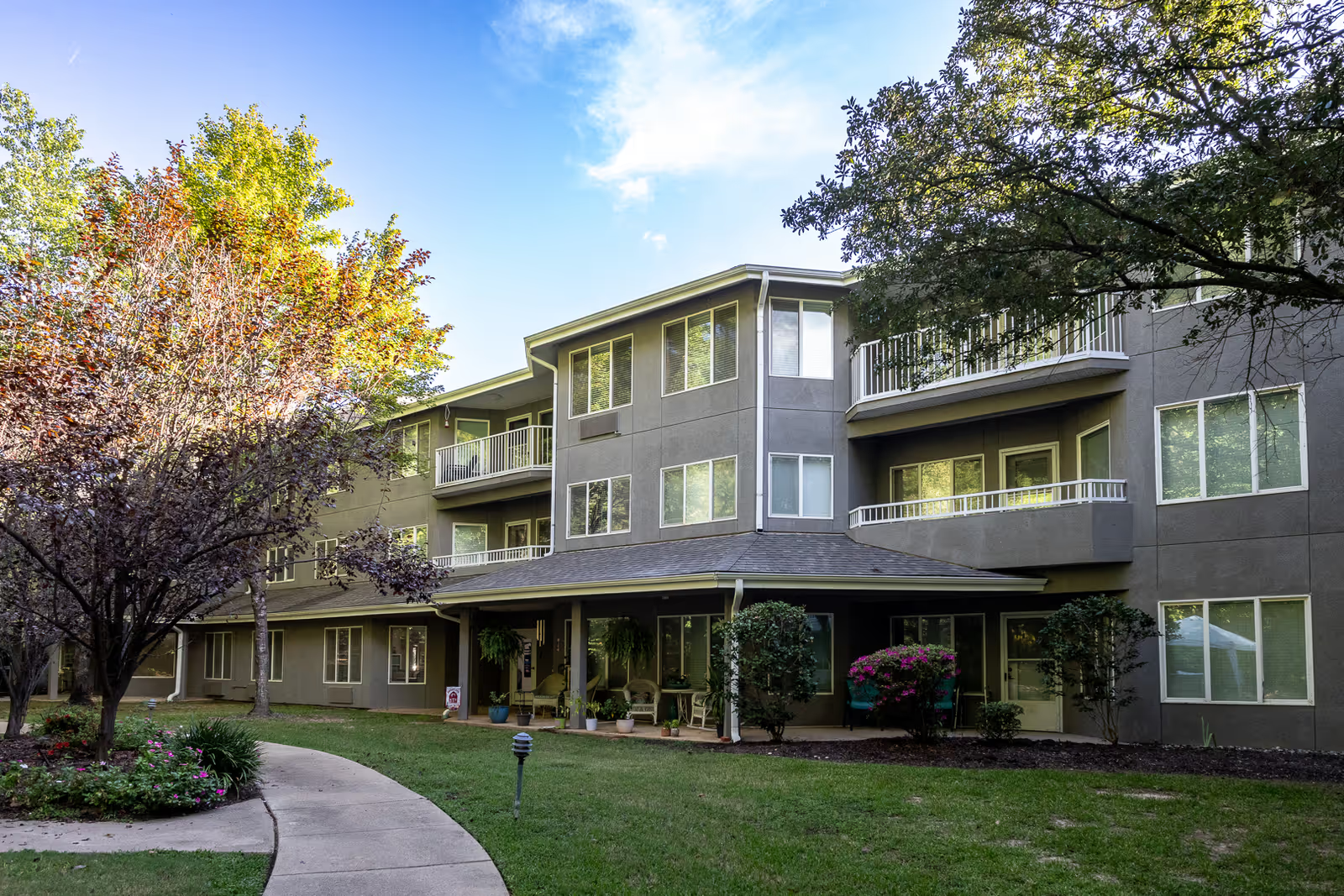
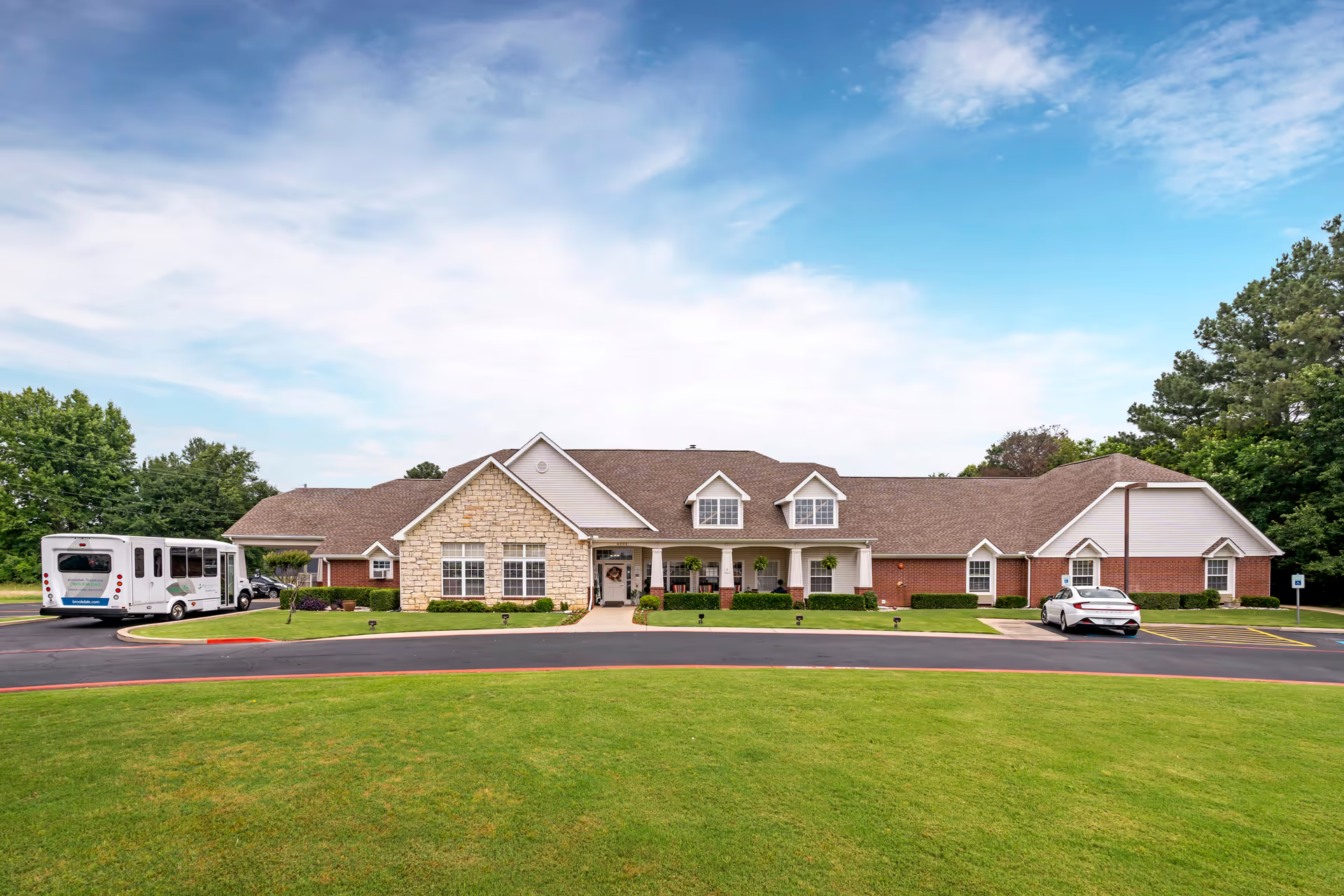
Dining, activities, and facilities receive generally favorable remarks alongside specific criticisms. Meals are described as well-prepared and enjoyable by many residents, and the activities program is frequently noted as robust. At the same time, a subset of families expressed variable dining satisfaction and noted that some resident rooms or building elements felt dated. Cleanliness of common areas and the dining room is often praised, but room-level maintenance may vary.
What stands out across the feedback is a pattern of strong interpersonal care from many staff members combined with operational inconsistencies that affect safety, dignity, and continuity of nonclinical services. Prospective residents and families would benefit from an in-person assessment focused on staffing ratios for the unit of interest, fall-prevention and incident-response protocols, discharge and grievance policies, laundry/property procedures, and a meal tasting or observation of activities. Asking for recent inspection results and specific examples of how the facility addresses staffing variability may help clarify whether the facility’s strengths align with an individual resident’s needs.