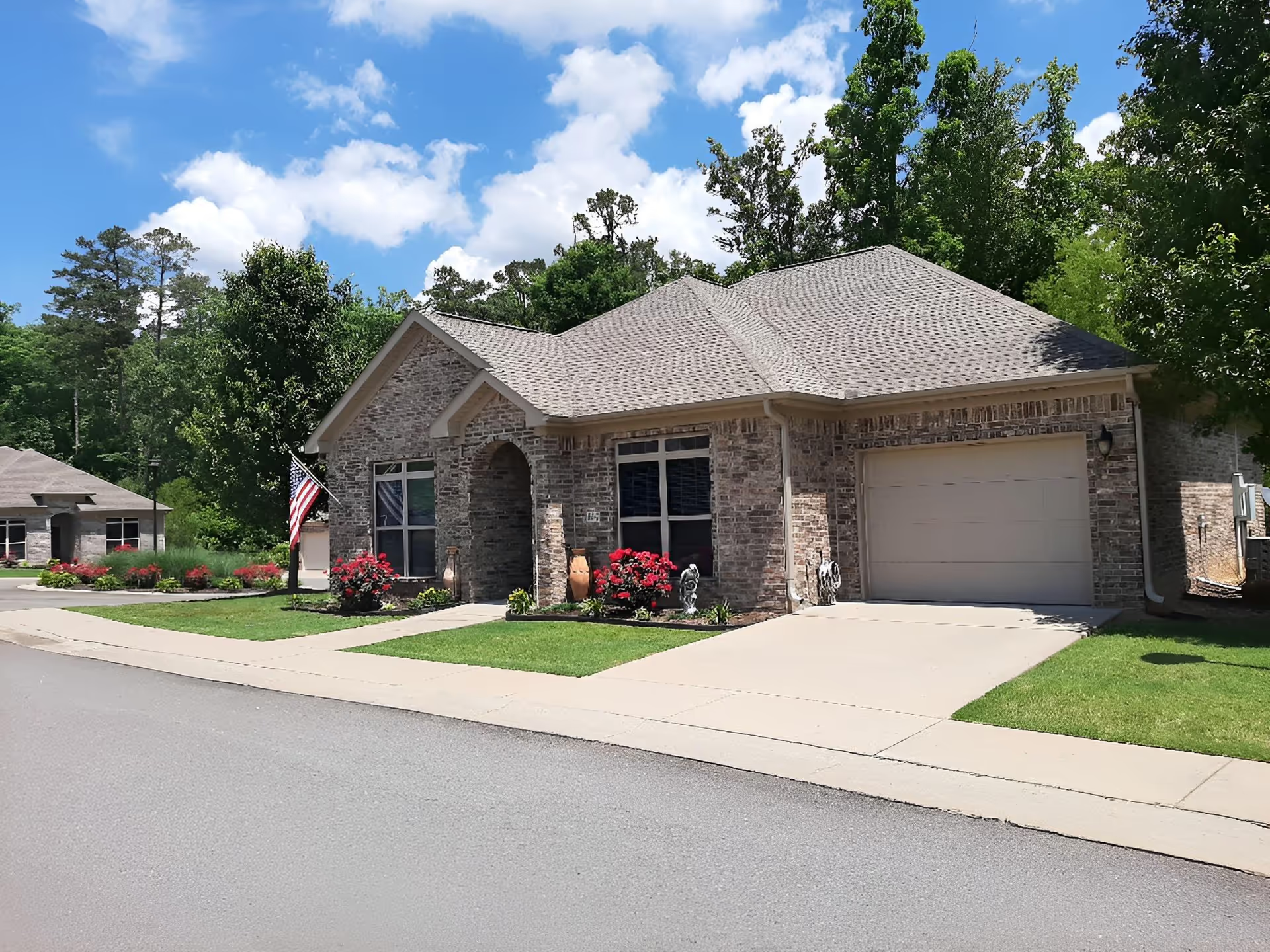
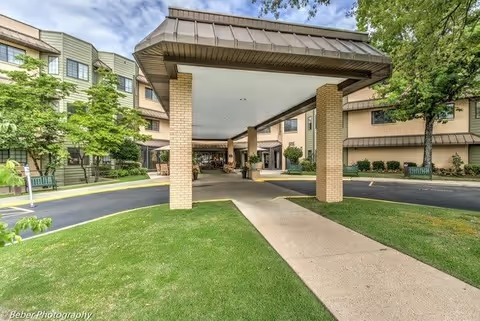
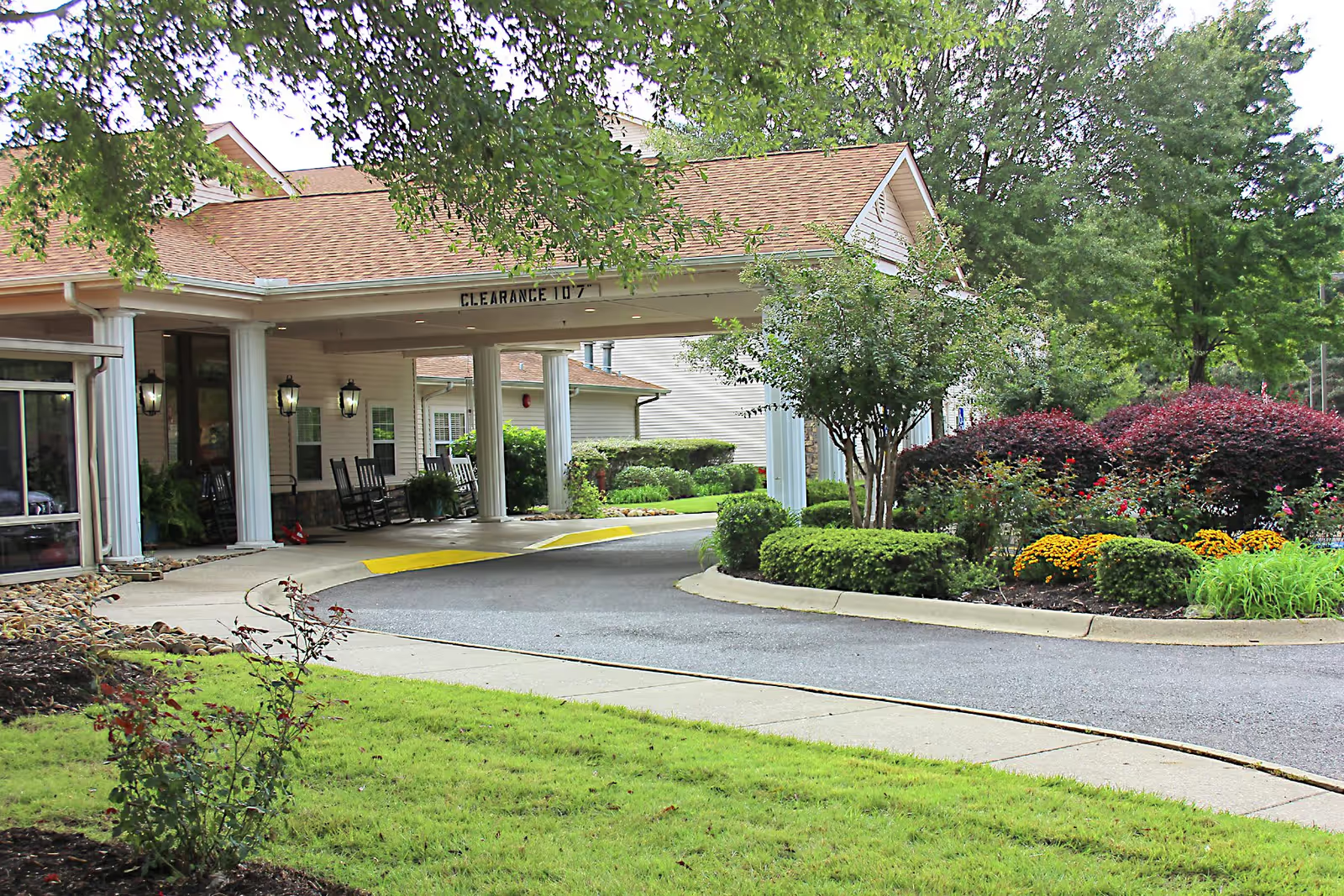
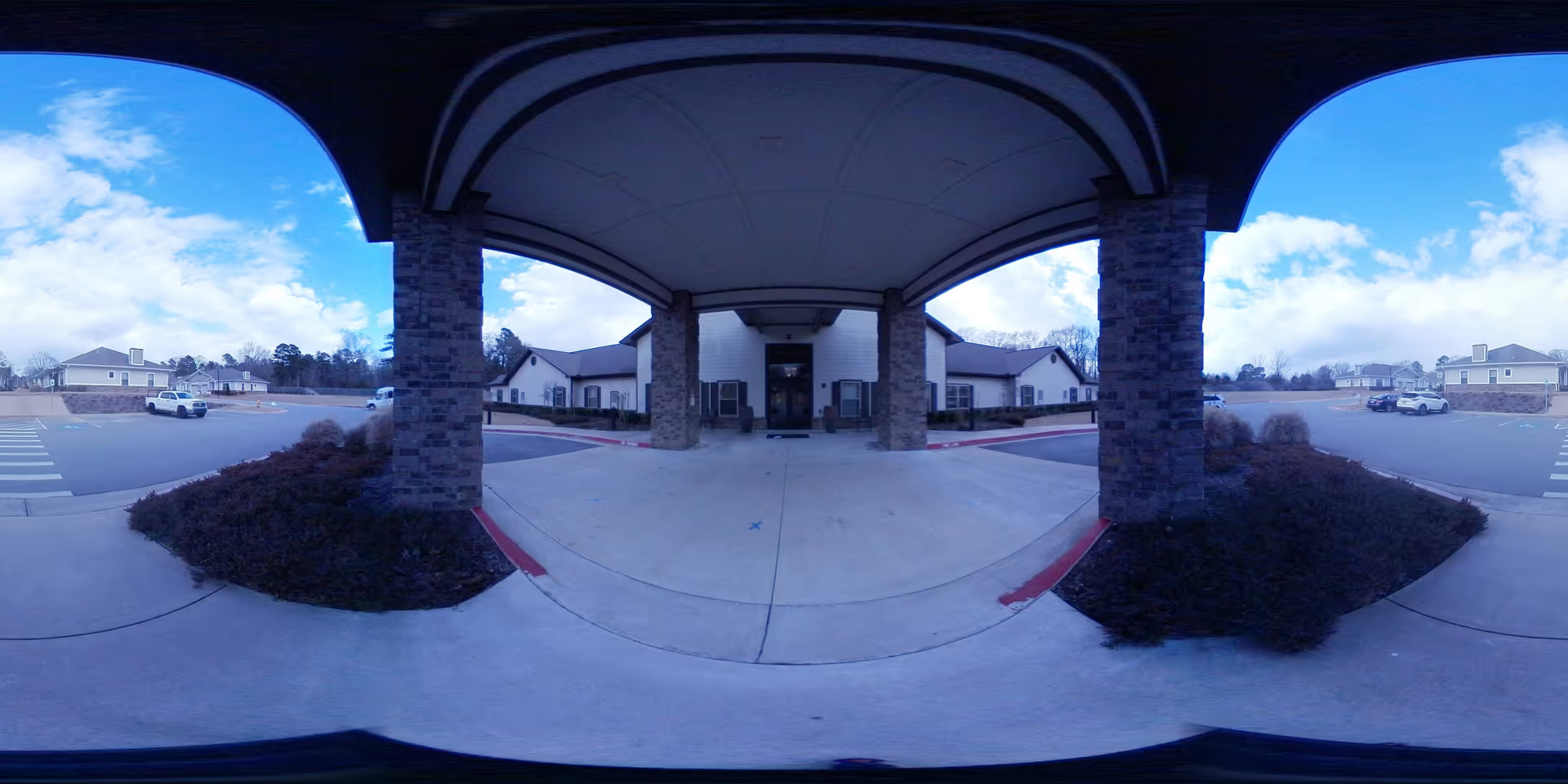
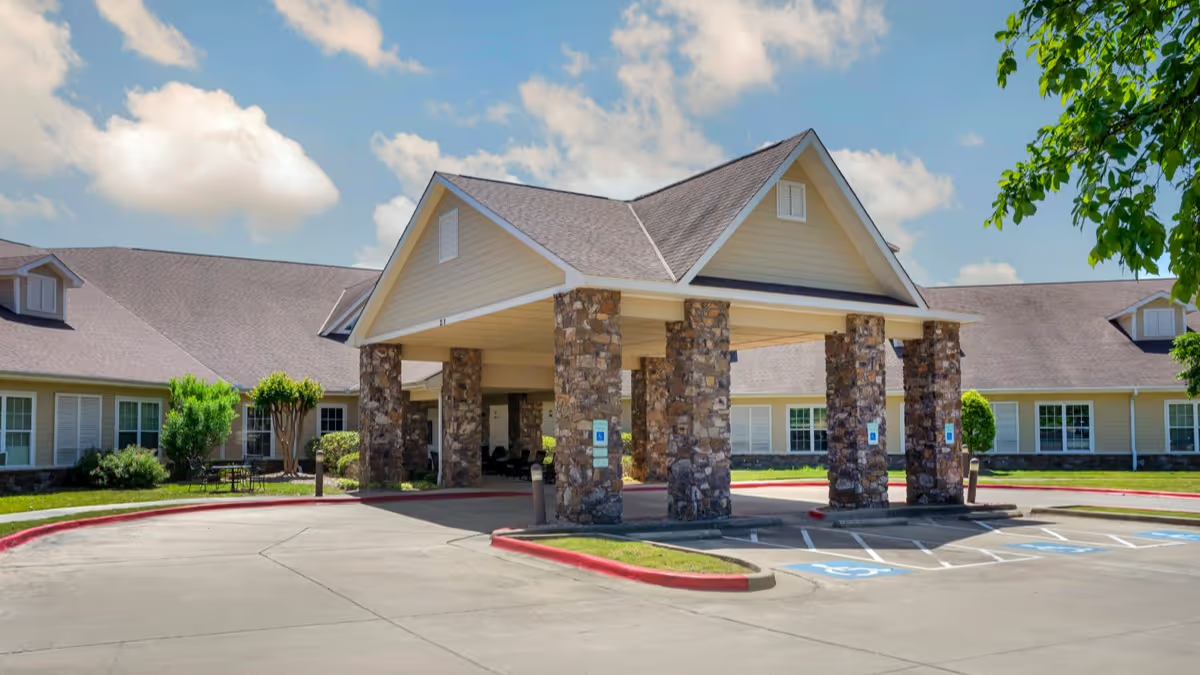
Belvedere Nursing and Rehab elicits polarized impressions: many families and residents praise the physical plant, clinical resources, and day-to-day care, while others describe operational inconsistencies that affect the resident experience. The facility is frequently described as modern, attractive, and nearly new, with resort-like common areas and comfortable rooms. Reviewers consistently identify nursing staff, certain administrators and named clinicians as strengths — citing compassionate bedside care, strong memory-care engagement, proactive family communication, and a knowledgeable rehabilitation team. The memory-care program and daily activities are noted for individualized engagement (e.g., grooming and social activities) and 24-hour skilled nursing availability is a recognized asset.
Despite the positives, recurring operational concerns emerge across reviews. Families describe inconsistent responsiveness from direct-care staff (delays in attending to clinical needs and long waits on weekends), variable communication tone from several staff members, and uneven transparency about medications and resident status. There are multiple indications that rehabilitation delivery can be inconsistent in duration and intensity, which some families felt limited clinical progress. Reviewers also describe gaps in dementia behavior management and information-sharing from the memory unit that disrupted family reassurance and care planning.
Dining and activities show mixed feedback. Some reviewers praise the food quality and activity programming; others report limited menu variety and repetitive meal choices on occasion. The facility’s recreational programming and engagement efforts attract positive remarks for treating residents as individuals, but dining continuity and menu rotation appear to be areas for improvement.
Facility operations present another area of divergence. While many reviewers emphasize cleanliness, an attractive environment, and responsive housekeeping, others raise sanitation and maintenance concerns including pest-control issues and broken equipment that require attention. Administrative practices draw both praise and criticism: some families commend individual leaders and administrative responsiveness, while others perceive inconsistent leadership decisions, abrupt staff changes, or an unfriendly administrative tone. These mixed impressions suggest variable management execution across shifts and departments.
Overall, Belvedere appears to offer substantial strengths in infrastructure, clinical capability, and individualized memory-care engagement. Prospective residents and families should weigh those strengths against patterns of inconsistent responsiveness, variable therapy delivery, occasional dining and maintenance problems, and fluctuating administration and communication. When evaluating placement, ask specific questions about weekend staffing, therapy frequency and duration, documented communication protocols for medications and location updates, pest-control and maintenance routines, and the facility’s approach to dementia-behavior management to determine whether operational practices align with your expectations.