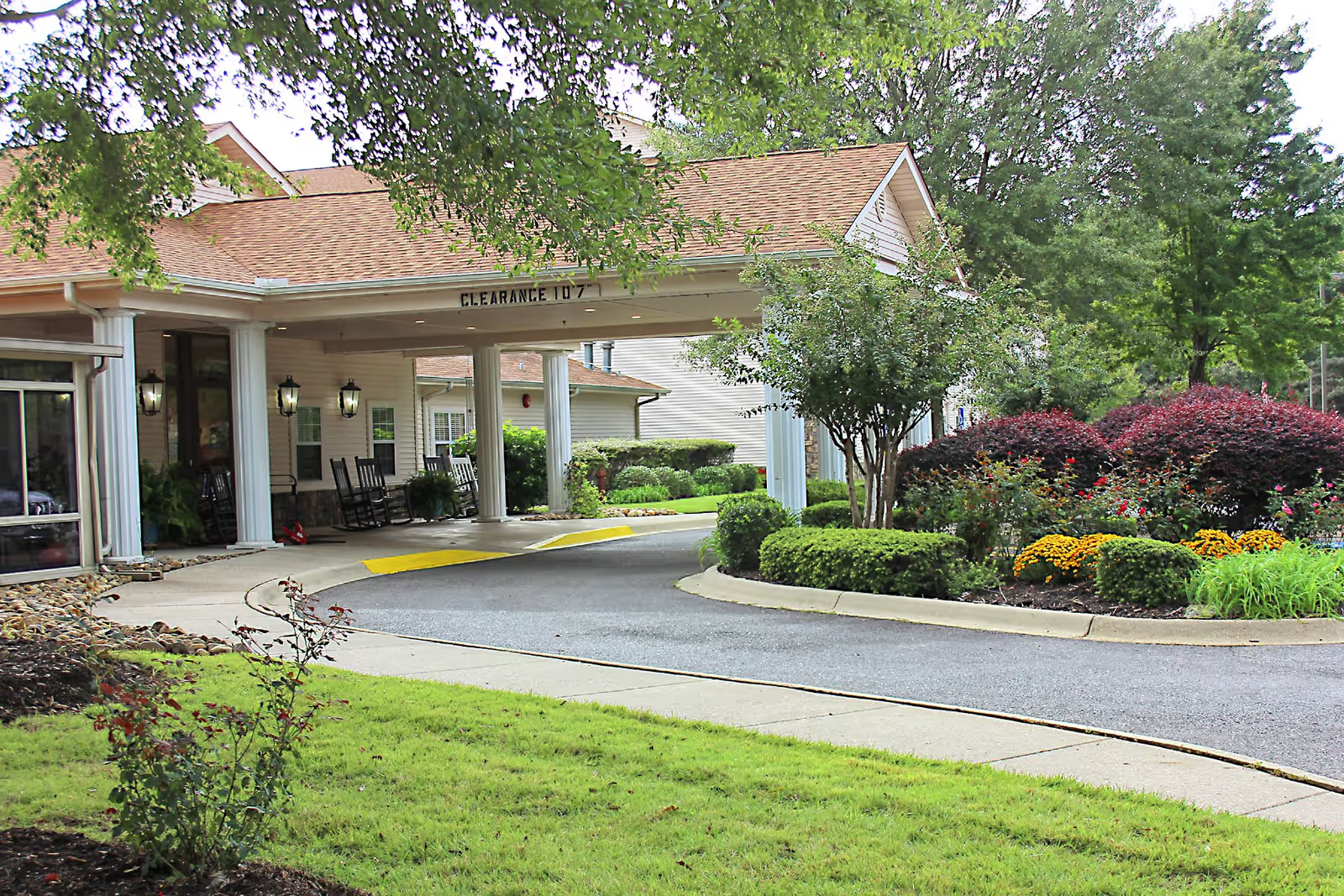
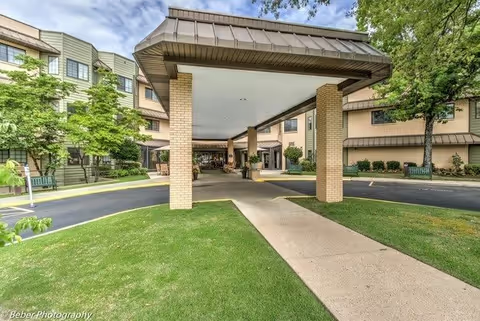
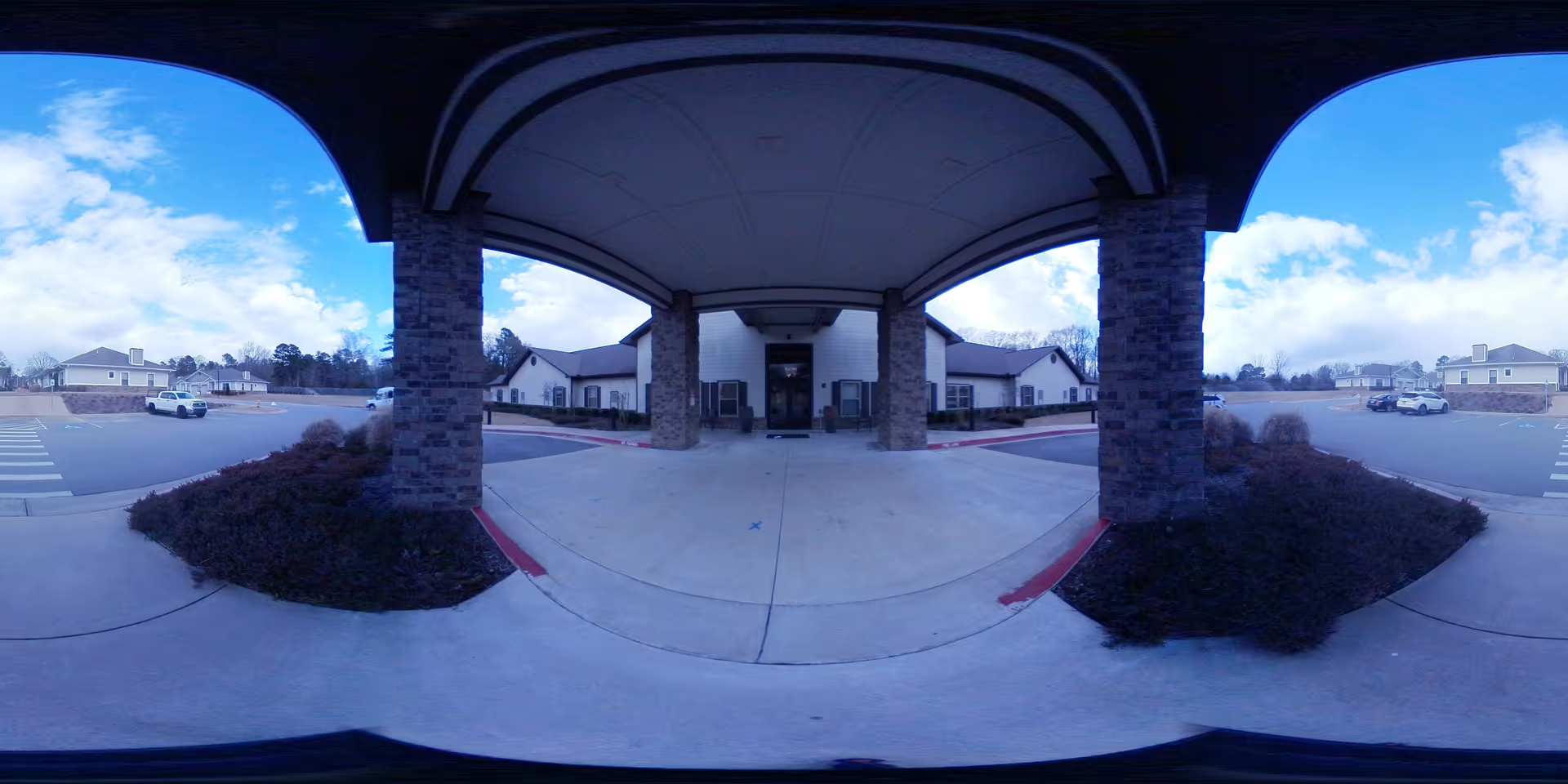
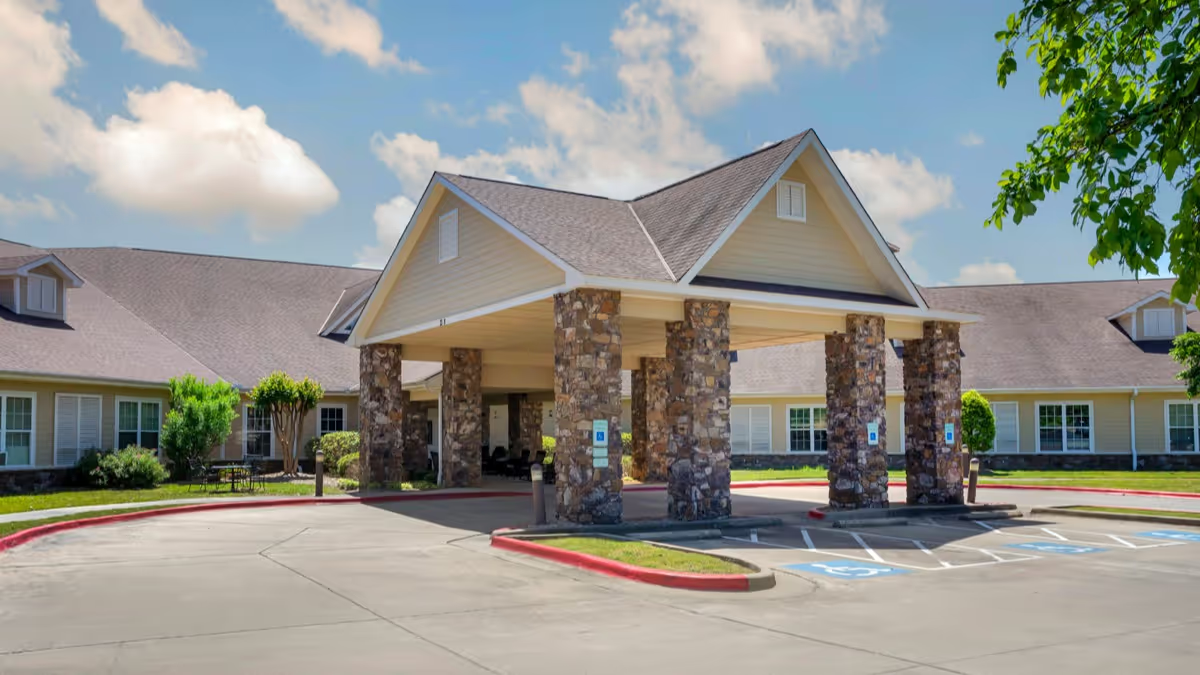
Brookfield Assisted Living and Memory Care presents as a well‑appointed, community‑oriented facility with clear strengths in environment, social programming and staff–resident rapport. The campus design — separate assisted‑living and memory‑care buildings surrounding enclosed courtyards and garden views — supports a safe, navigable layout for residents. Many reviewers highlight bright, spacious apartments with walk‑in showers, neat landscaping, and dedicated activity rooms that encourage participation in arts, games, movie days, music, and church services. The dining program and kitchen staff receive repeated positive mention for breakfasts and generally satisfying meals, and the facility offers practical conveniences such as transportation to appointments and proximity to local medical resources.
Care quality and day‑to‑day staff interactions are described with mixed but often positive language. A substantial number of reviews emphasize compassionate, respectful caregiving, attentive CNAs and visible leadership engagement that families find reassuring. Teamwork among staff and personalized attention to resident preferences are noted as strengths, and many residents appear socially engaged and well cared for. At the same time, there is a consistent pattern of unevenness: staffing levels fluctuate, turnover is high, and clinical coverage relies heavily on aides rather than on a robust RN presence. This contributes to variability in care tasks such as assistance with bathing, dressing, oral care, and timely medication administration.
Operational and management themes emerge across feedback. Positive experiences include helpful admissions support, accommodating administration during tours and move‑ins, and transparent pricing models. However, other accounts cite inconsistencies between advertised services and day‑to‑day practice — examples include missed or delayed medication timing, incomplete apartment cleaning or laundry handling, and delayed repair or maintenance (damaged flooring, intermittent call‑button functionality). These patterns point to gaps in supervision, training, and routine maintenance workflows that affect resident experience.
Activities and social life are strengths for many residents, with varied programming and strong peer interaction. That said, some families noted limited variety at certain times or fewer daytime options for residents who require more encouragement to join. For memory‑care residents with advanced or complex medical needs, reviewers indicate the facility may have capacity limits; training for specialized interventions (for example, complex oxygen management) and up‑to‑date clinical care plans appear uneven in some cases. Prospective families should assess the facility’s clinical staffing model and confirm current care‑plan review practices if a resident has high medical needs.
In summary, Brookfield offers a warm, activity‑rich setting with many examples of caring staff and attractive facilities. The primary considerations for prospective residents and families are operational consistency: confirm staffing ratios and clinical coverage for the level of care required, verify specific promises about medication management and apartment services, and discuss expected activity schedules. For residents needing routine social engagement and moderate assistance, the community is often a strong fit; for those requiring reliable advanced clinical care, families should evaluate whether Brookfield’s current clinical resources meet those needs.