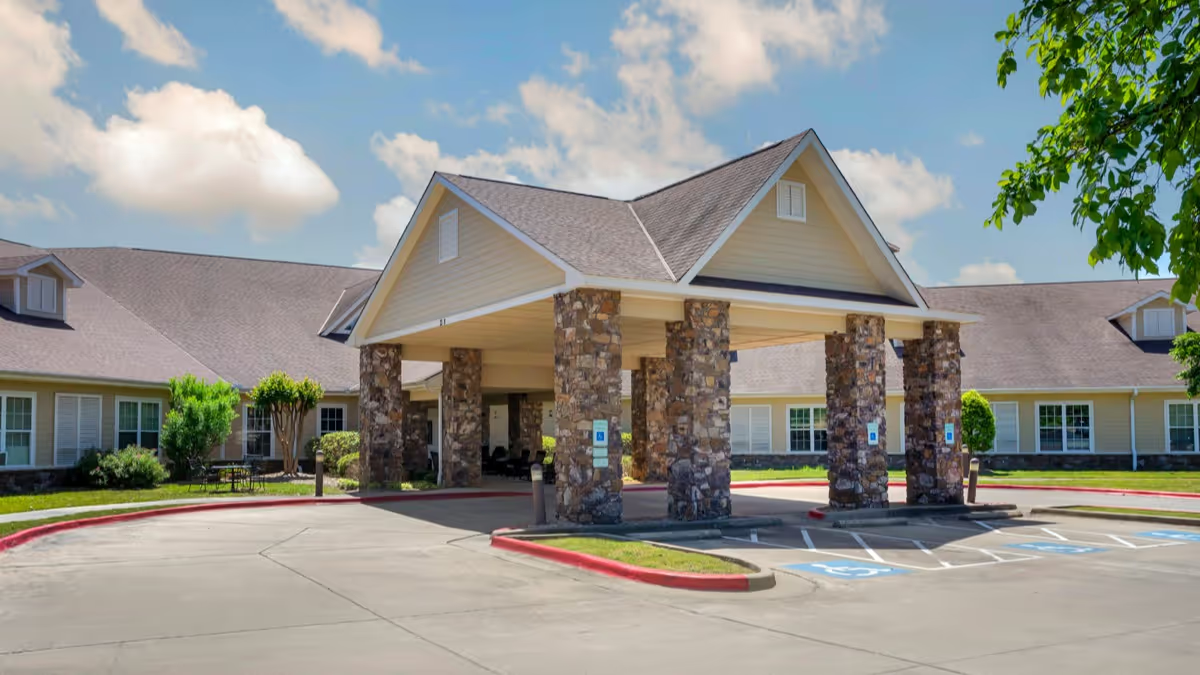
Experiences at Pines Nursing & Rehab Center vary considerably. Many family members describe staff as kind, compassionate, and helpful, and some residents and families say they felt safe, informed, and well supported. Positive accounts also highlight knowledgeable nurses, therapy tailored to a resident’s pace, wound-care support, and assistance navigating Medicaid and other care arrangements. Other accounts raise concerns about the consistency and safety of clinical care. One detailed family account described delayed pain relief, a mismatch between therapy and physician restrictions, concerns about wound-care instructions, and prescribed respiratory equipment not being available, followed by acute respiratory distress and hospital readmission. Other feedback cites inconsistent care procedures and infection-prevention practices. These concerns warrant direct questions about how care plans are communicated, followed, and monitored.
Staffing and responsiveness are recurring points of concern. Some families describe nursing and aide teams as stretched, with delayed responses to requests and limited capacity to provide individualized assistance. One family questioned whether staffing at meals was sufficient for residents who need help eating. By contrast, other reviewers praise staff attentiveness, timely answers to questions, and compassionate support. The difference in experiences suggests families may wish to ask about staffing levels by shift, call-light response practices, and how feeding and personal-care needs are covered.
Dining feedback is mixed. One reviewer noted improvement in meals, while other accounts raised concerns about limited alternatives and the adequacy of assistance during meals. Activities mentioned include bingo, picnics, and other opportunities to keep residents engaged; families also describe the facility as smaller and more home-like than larger settings. Facility concerns include shared bathrooms, limited call-light alerting that relies on a hallway light, and restrictions on outdoor access for nonsmoking residents. Cleanliness and infection-control practices also drew criticism, including concerns about routine sanitation and staff familiarity with procedures.
Management-related feedback includes praise for a new administrator and director of nursing, building consolidation intended to improve staffing ratios, daily APRN rounds, and weekly medical-director availability. Families also value social-work assistance and communication about treatment. However, some accounts raise serious concerns about responsiveness, clinical coordination, and end-of-life care. Overall, the reviews portray a facility with notable strengths in staff warmth, therapy, family support, and activities, alongside meaningful concerns about consistency in clinical practice, staffing capacity, infection prevention, dining support, and resident access to assistance.