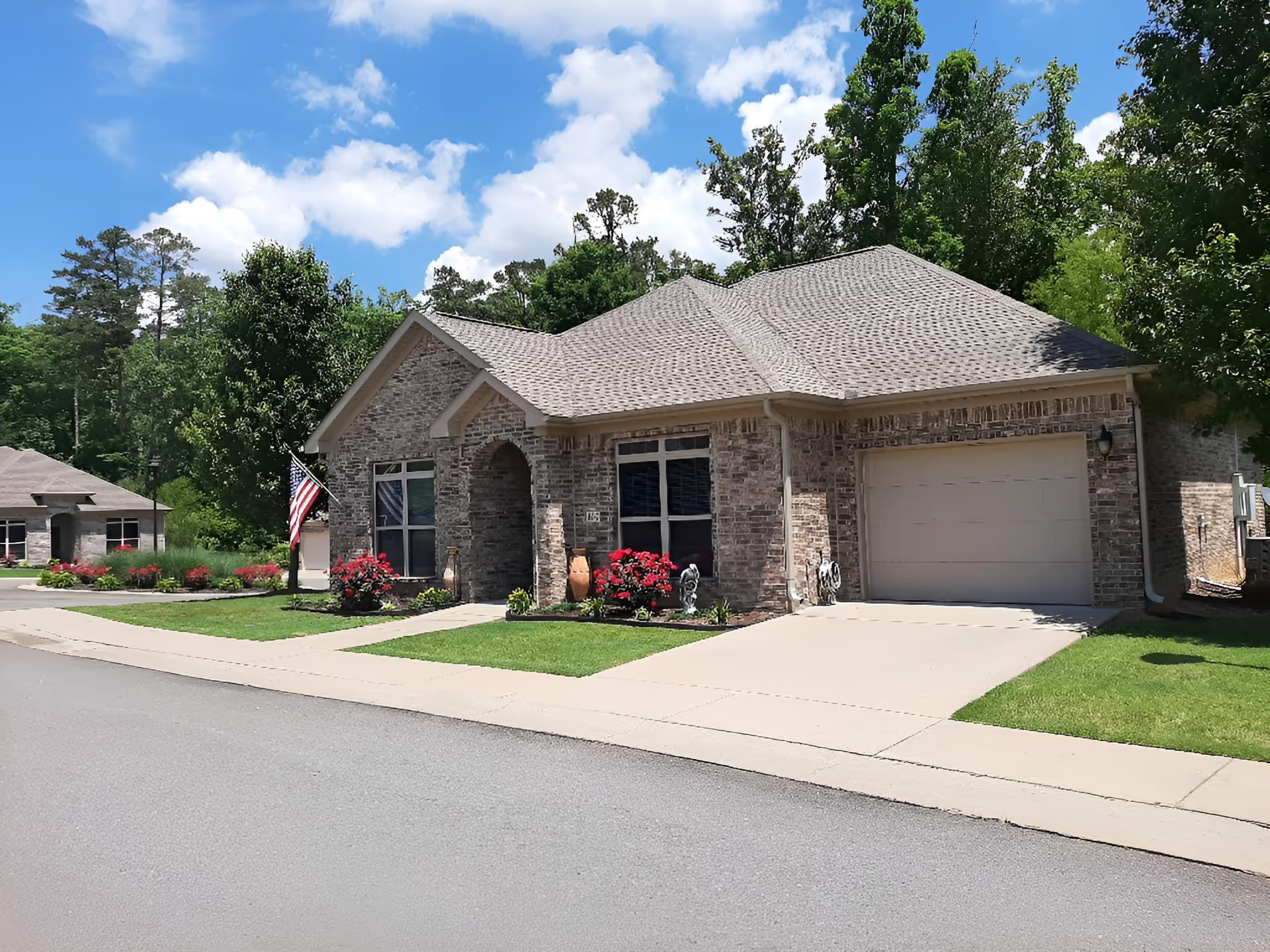
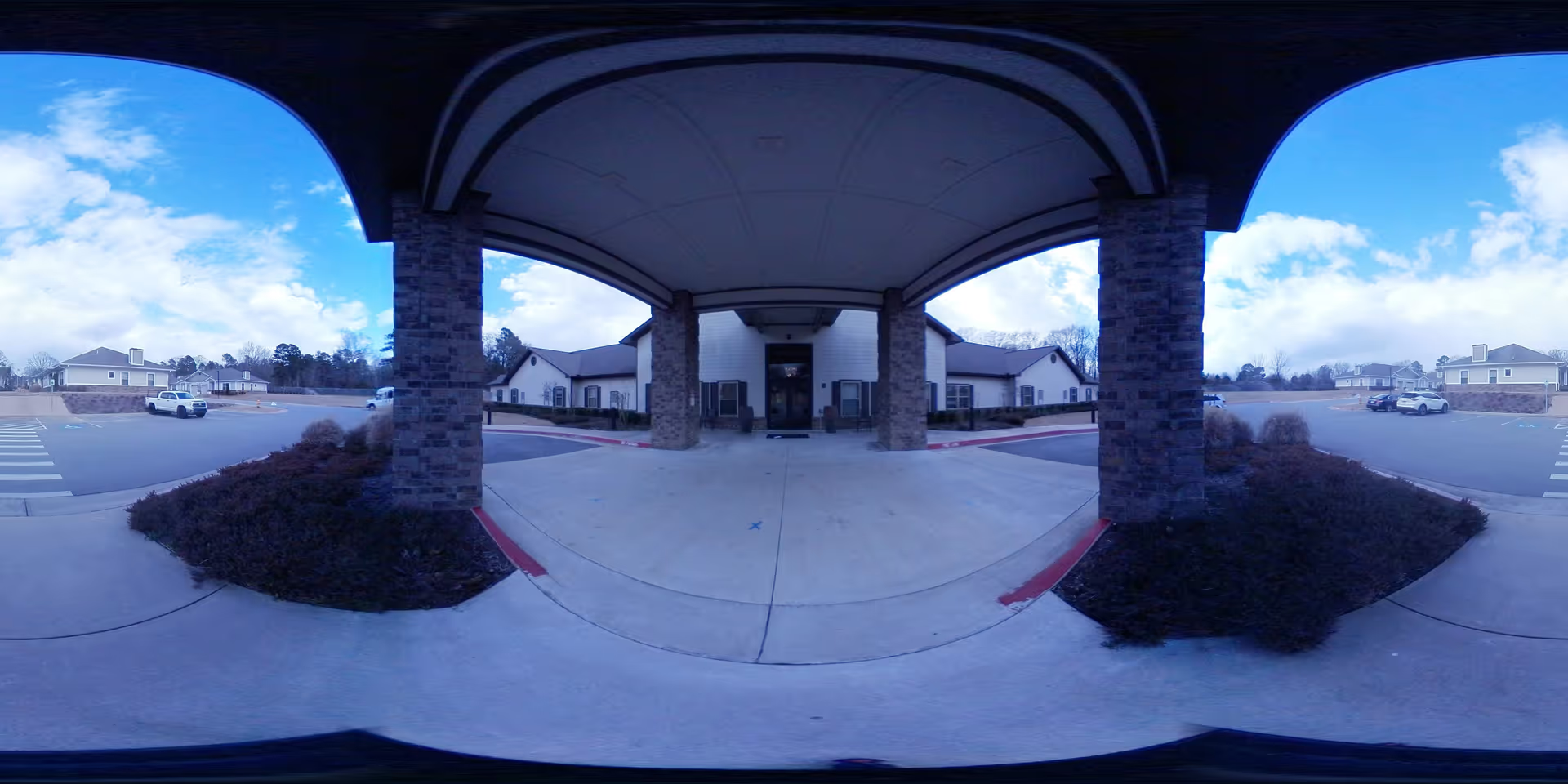
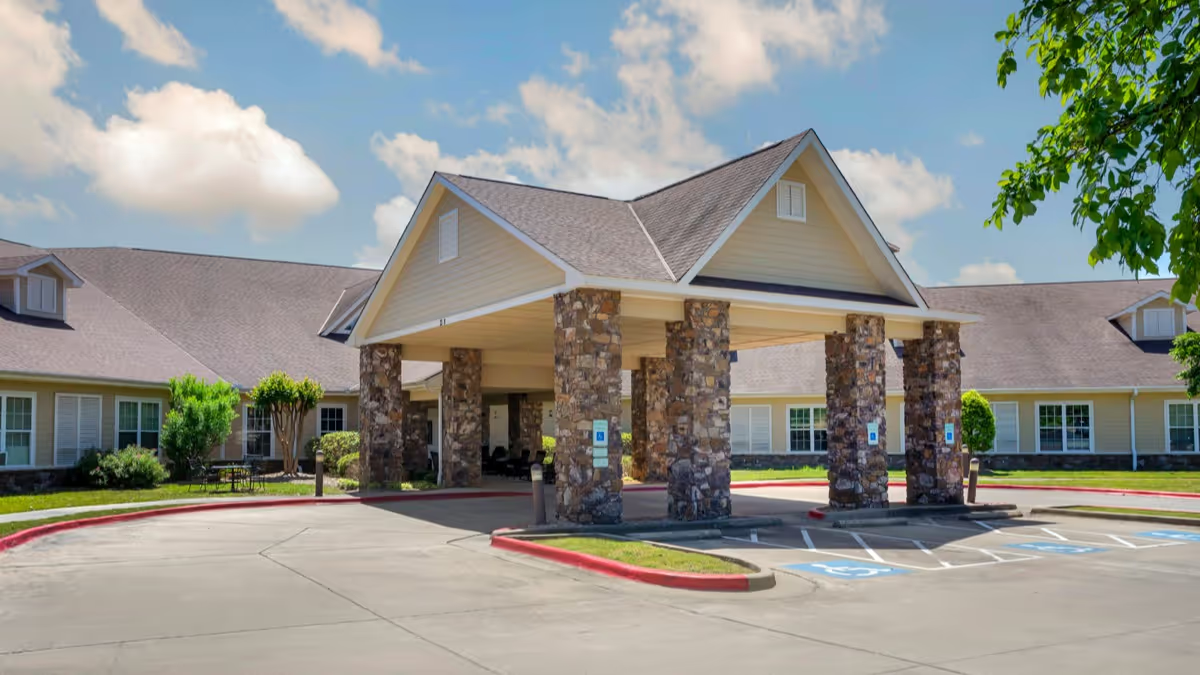
Seniors Comfort Assisted Living presents as a small, home-style assisted-living home with a marked focus on dementia care and end-of-life continuity. Families consistently highlight a non-institutional atmosphere — private bedrooms, a living room and kitchen common area, and a four-bedroom house layout — that supports freedom of movement and a residential feel. The facility is repeatedly described as clean and well maintained, and reviewers credit that small scale with predictable staffing and familiar faces from hospice and caregiving teams.
Care quality and staff performance are core strengths in the reviews. Caregivers are characterized as responsive, compassionate, and available around the clock; reviewers emphasize individualized, one-on-one attention, continuity of primary caregivers, and active family communication (FaceTime calls, regular updates, handwritten notes). Several families noted measurable clinical benefits such as fewer hospital readmissions and prevention of pressure injuries, and hospice clinicians reportedly collaborated comfortably with staff. Owner involvement and accessible management are repeatedly mentioned, which contributes to a high level of family trust and an impression of reliably managed care.
Dining and daily living emphasize a homestyle approach: home-cooked meals, snacks, and comfortable private-room amenities (bed, recliner, TV) are typical. Medication administration and transportation to appointments are part of the service mix. Social programming includes memory-care activities, cards, games, movies, and organized outings a few times per week; these are presented as meaningful for residents whose needs align with the facility’s dementia focus.
Areas to consider for prospective residents and families: the facility’s programming and staffing appear optimized for residents with moderate-to-late-stage cognitive impairment. That orientation can translate into fewer structured group activities or lower-intensity social programming for more independent, highly mobile residents. The small-house model also implies limited on-site clinical resources compared with larger skilled-nursing centers; while families describe good hospice integration and individualized clinical attention, families seeking broader medical services or extensive recreational amenities may find the scale restrictive. Activity scheduling and social interaction levels were noted as inconsistent by some families, which suggests variability depending on resident mix and daily staffing.
In sum, Seniors Comfort Assisted Living is frequently recommended by families seeking a compassionate, residential dementia-care setting with close staff continuity, strong family communication, and home-style meals. It is best suited to residents who benefit from individualized attention and a quiet, small-community environment. Prospective families should evaluate whether the facility’s dementia-focused programming and smaller scale match the prospective resident’s clinical and social needs, particularly if greater on-site clinical services or more diverse recreational programming are priorities.