Lawrence Hall Nursing Center elicits strongly mixed impressions. Many reviews emphasize a professional, compassionate workforce and good clinical services, while a subset describe significant shortcomings in coordination and care consistency. Prospective residents and families will encounter both clear strengths — particularly in rehabilitation, resident engagement, and a hospital-linked campus — and persistent operational concerns that warrant direct inquiry during a tour.
Care and staff: Numerous reviewers praised the caregiving team as compassionate, hardworking, and resident-centered. Physical therapy and rehabilitation staff received repeated commendation for effectiveness and engagement, and several mentions of long-tenured employees suggest institutional continuity. Nurses and direct-care staff are frequently described as friendly and caring, and the facility is characterized by a family-like atmosphere. Conversely, other accounts describe inconsistent clinical experiences and strong negative perceptions of care quality; this divergence points to variability in day-to-day clinical practice and in how individual families experienced outcomes.
Clinical management and communication: A consistent theme among critical reviews is weak communication and organizational strain. Families report difficulties obtaining timely follow-up, unclear internal communication between departments, and uneven responsiveness to concerns. There are also references to perceived declines in standards over time and gaps in clinical oversight. These issues manifest as process-level shortcomings — for example, inconsistent follow-up and unclear escalation pathways — rather than solely isolated incidents, indicating an area for administrative attention.
Activities, dining, and daily life: The center is noted for its active programming. Reviewers cite entertaining activities, visiting entertainment groups, and an engaged resident community; worship services are supported on-site. Specific comments on dining are limited in the available summaries, so it is difficult to characterize meal quality or menu variety from these reviews alone. Time-efficient routine care and check-ups were mentioned positively, suggesting that some operational processes function smoothly.
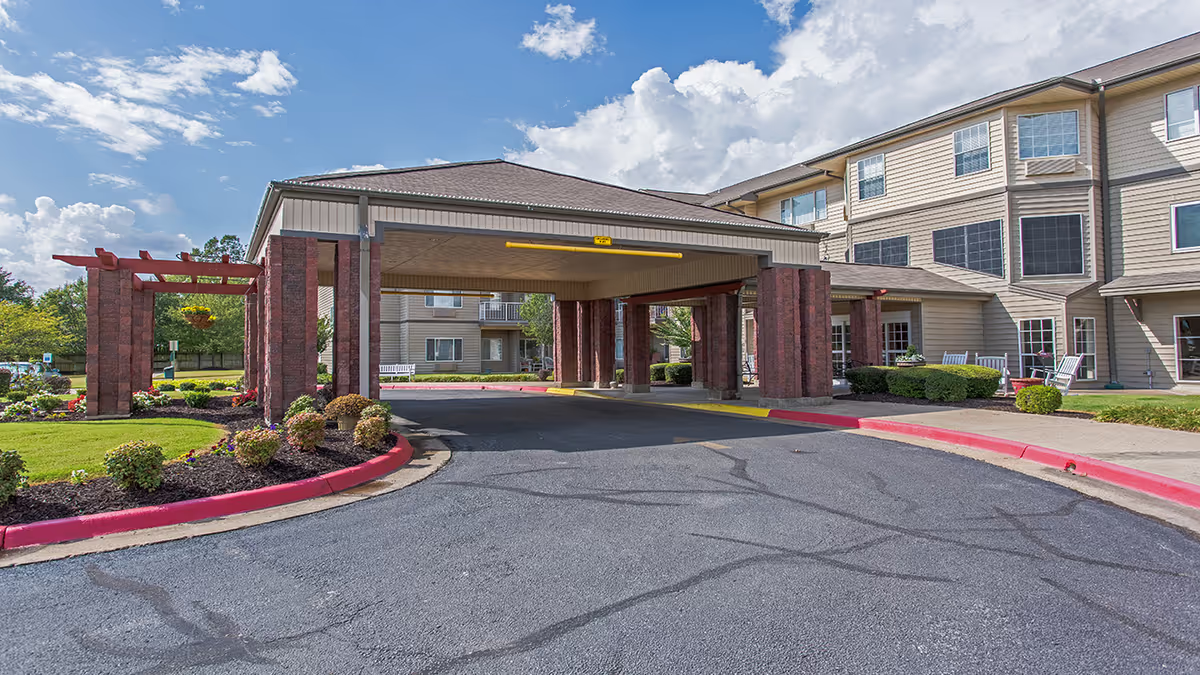
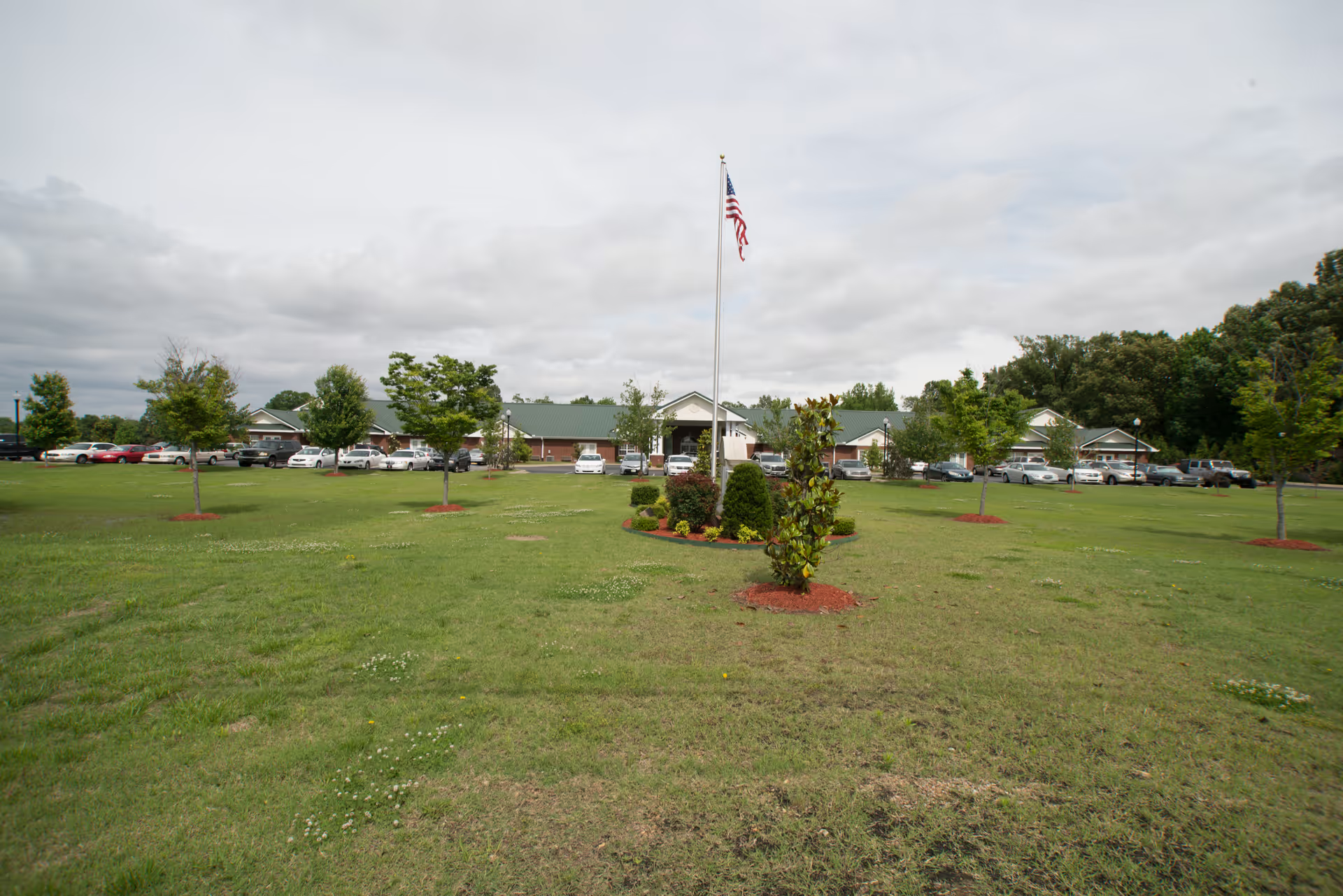
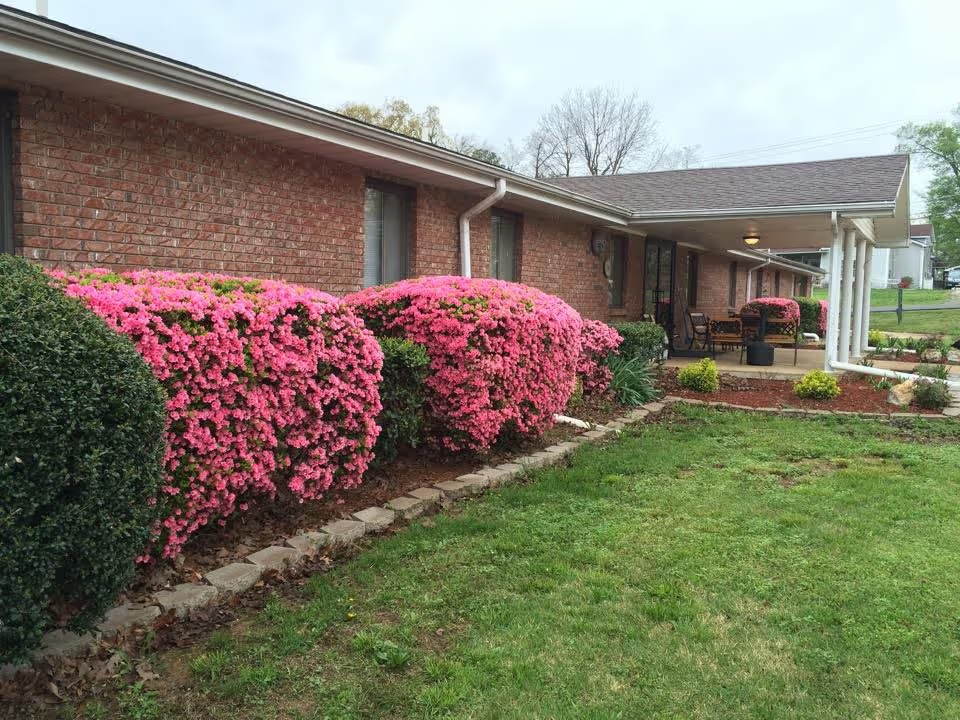
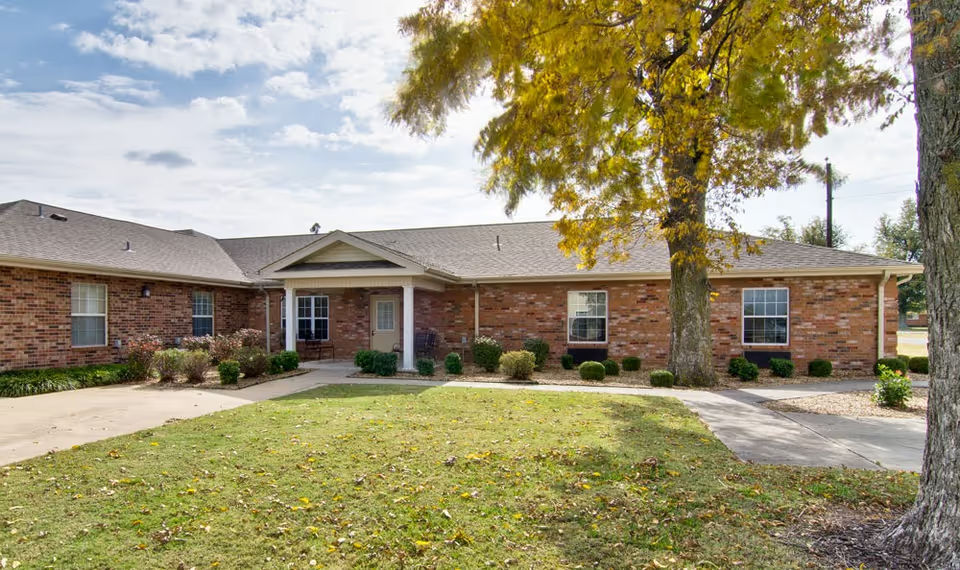
Facilities and specialty services: The building benefits from being part of a hospital complex, which can facilitate access to broader medical resources. The facility is also described as clean and well-maintained. However, there is a clear operational gap for residents with cognitive impairment: reviews indicate the absence of a secure dementia unit and concerns about staff training for dementia care. For families seeking memory-care services, this is an important limitation to verify in person.
Notable patterns and recommendations: The overall picture is polarized. Strengths cluster around rehabilitation, compassionate staff, resident engagement, and cleanliness. Weaknesses cluster around inconsistent care quality, communication failures, and limited dementia-specific infrastructure. For prospective residents and families I recommend (1) touring the campus and observing therapy and activity programming, (2) asking specifically about dementia care options, secure units, and staff training, (3) requesting examples of communication protocols and escalation pathways for clinical concerns, and (4) speaking with current families if possible to understand day-to-day consistency. These steps will help determine whether Lawrence Hall’s strong elements align with an individual resident’s clinical and social needs.