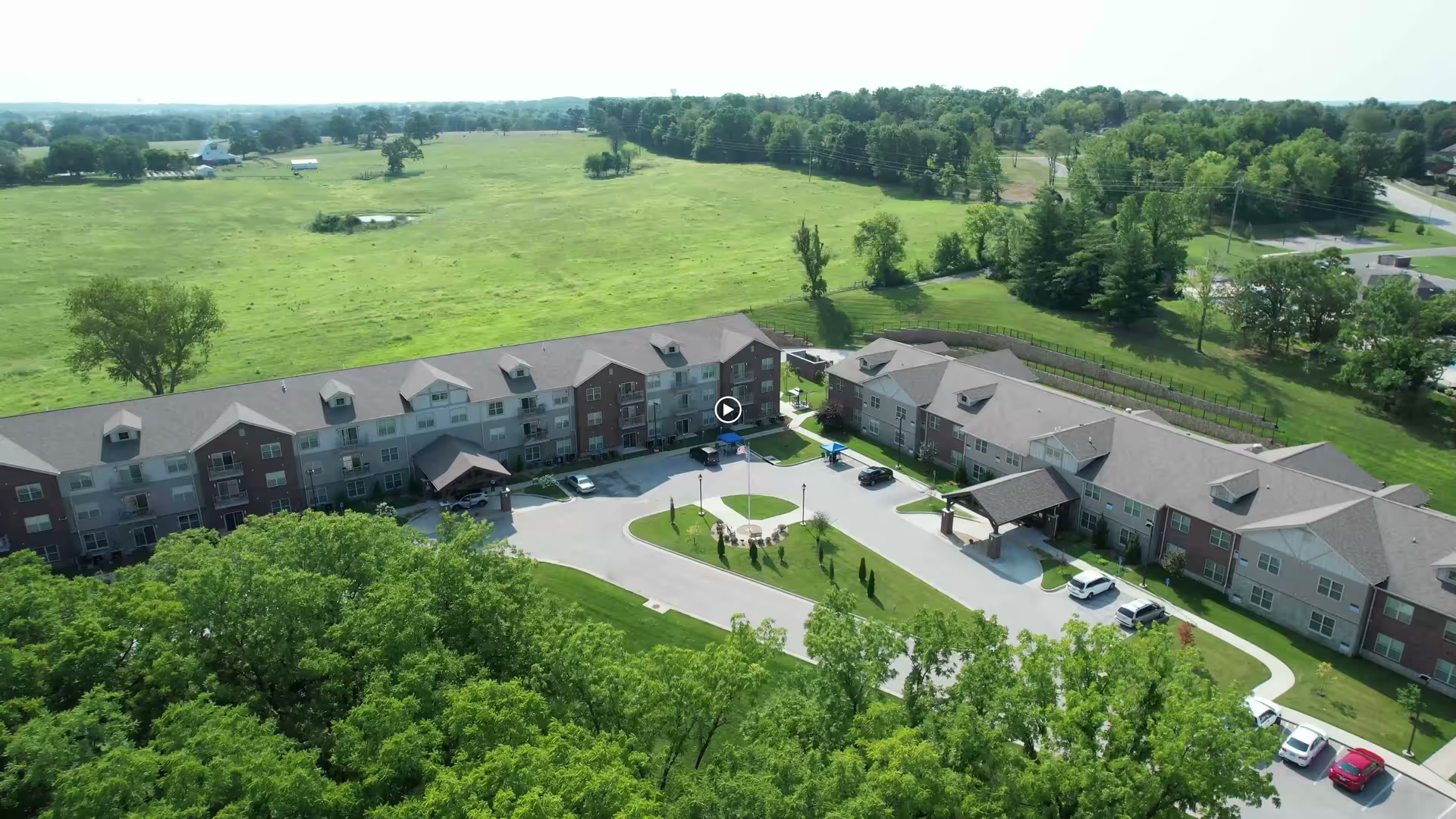
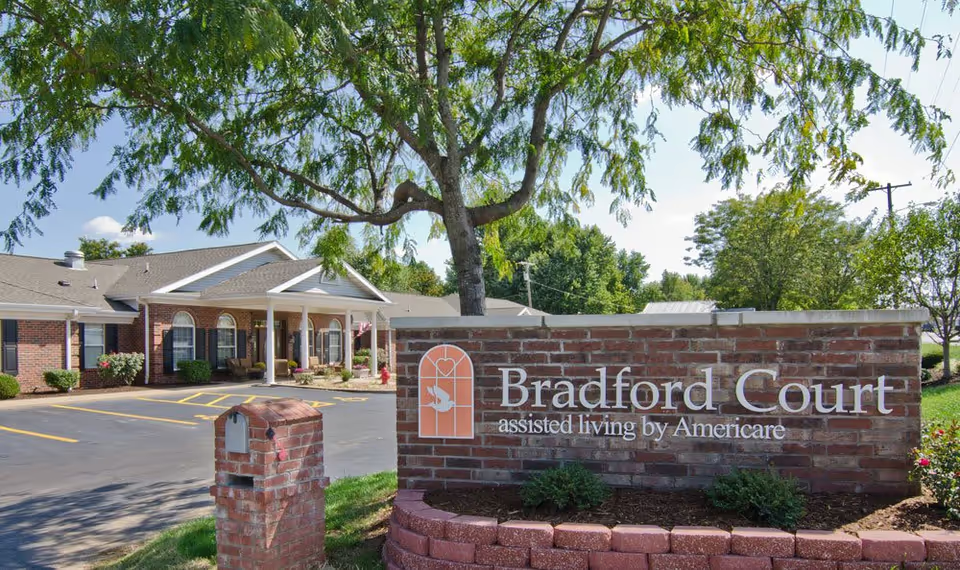
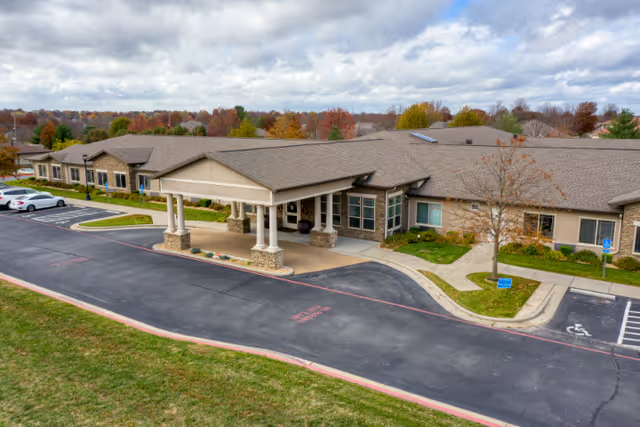
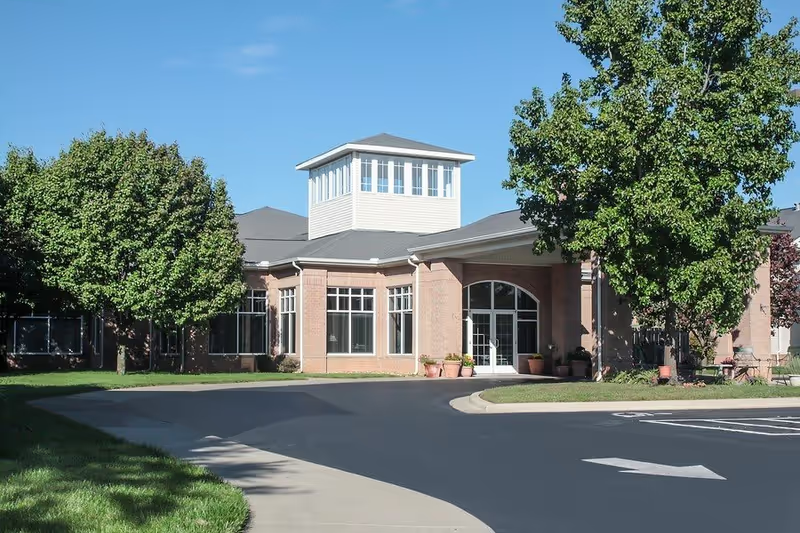
Southern Meadows is repeatedly described as a caring, home-like assisted living community with strengths in direct caregiving, hospitality, and amenities. Many families and residents praise staff who treat residents like family, know them by name, and provide hands-on assistance; admissions and leadership are frequently characterized as accessible and supportive during move-in. Clinical staff and therapy teams are credited with structured care planning and successful short-term rehabilitation outcomes in some cases. The property itself is consistently noted as clean, attractively maintained, and well-appointed, with enclosed gardens, courtyards, salon/barber services, and a restaurant-style dining room.
Dining and activities are central positives. The kitchen is described as chef-led with multiple entree choices and alternate options, and the dining environment is often highlighted as pleasant. The activity program offers a wide range of options — exercise, crafts, games, religious services, outings, and social events — and the activities director is frequently singled out for engagement and creativity. On-site therapy, transportation for medical appointments, and 24/7 caregiver availability add to the facility’s service profile.
Notable operational patterns temper the overall positive impressions. Several families reported inconsistent communication from staff during clinical events such as hospital transfers, and reviewers described variability in responsiveness to resident calls, particularly during evenings and overnight. Staffing shortages overnight and at peak times are cited as an underlying issue that can affect timeliness of care and activity engagement. Housekeeping is generally praised, but a subset of comments point to cleaning inconsistencies and occasional odor concerns in common or bathroom areas. Food quality is often praised but also described as uneven at times, with requests for more fresh-fruit options and broader menu variety.
Additional administrative and policy concerns appear in the feedback. Some reviewers experienced difficulties with billing coordination and insurance denials, and there are mentions of gaps in documentation or consent practices related to therapy services. Staff turnover is reported to have coincided with perceived declines in service consistency in some instances. A few serious individual claims — including allegations of financial misconduct and one-off conduct concerns — were raised and suggest the need for careful due diligence. Families also noted occasional surprise rent increases and logistical limits such as not enough drivers for transportation and activity programming that may not engage male residents as effectively.
In summary, Southern Meadows presents as a well-maintained, activity-rich community with strong, compassionate caregiving and hospitality-style dining. Prospective residents and families should weigh those strengths against operational considerations: confirm current staffing levels (especially nights), clarify communication protocols for clinical incidents, review therapy-consent and billing procedures, and discuss menu offerings and transportation availability during touring and contracting. The community’s leadership responsiveness and many positive caregiving interactions are encouraging, but the patterns above are worth addressing or clarifying before placement.