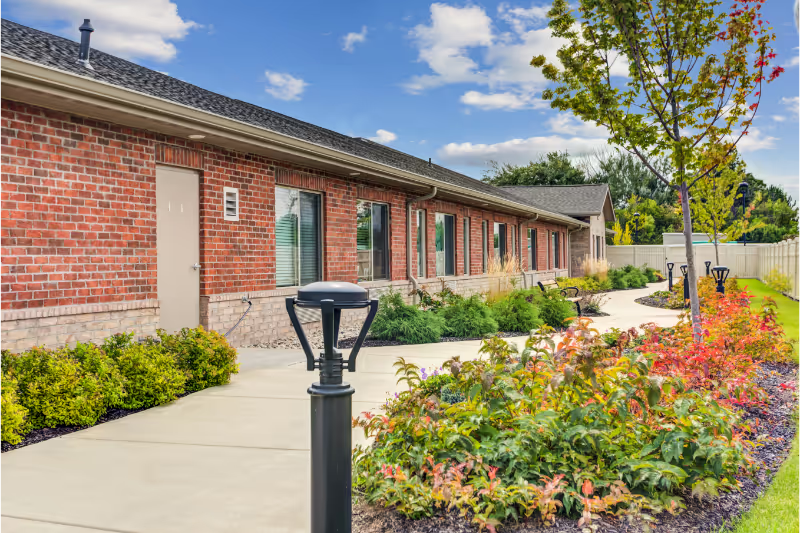
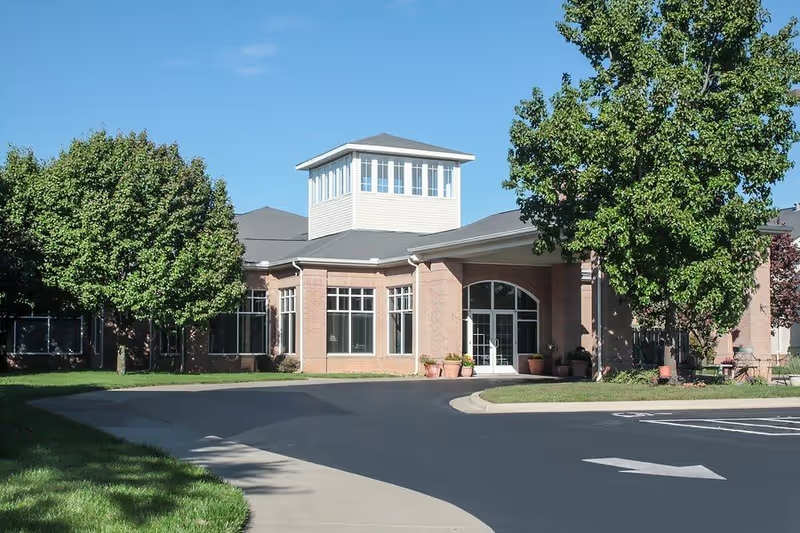
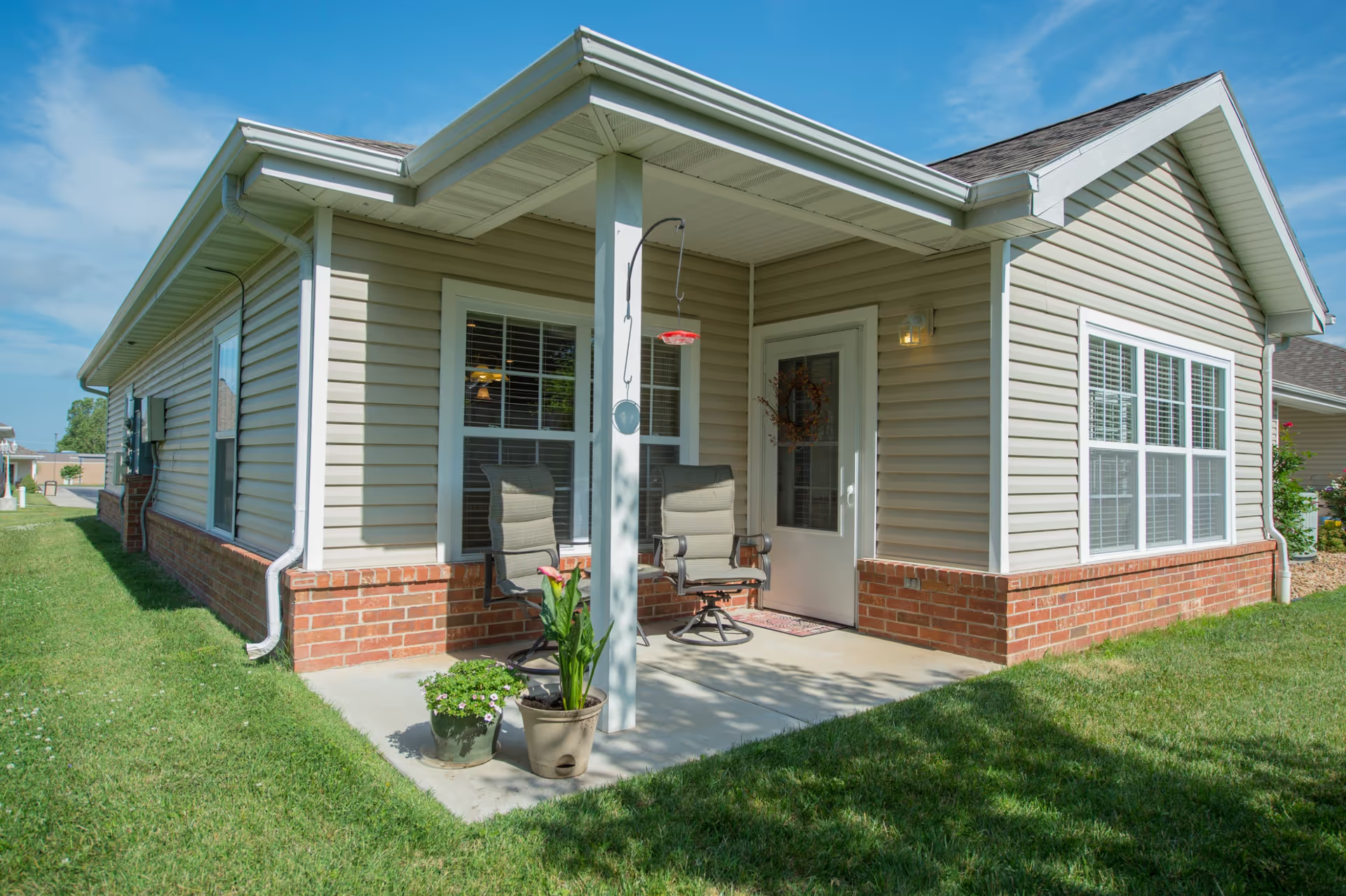
Overall impression: Reviews portray Bradford Court as a small, clean, recently remodeled assisted-living community with a pronounced family-style culture. Families and residents consistently highlight the facility’s homey atmosphere, strong sanitation and maintenance practices, and a close-knit staff dynamic that emphasizes individualized attention. The facility’s scale appears to support one-on-one interaction and continuity of care, which many reviewers framed as a primary strength.
Care and staff: Care quality is described as attentive and respectful, with staff characterized as compassionate, professional, and drawn to elder care. Several mentions of long-tenured team members and positive staff camaraderie suggest low turnover and institutional knowledge. Reviewers noted confidence in clinical responsiveness and in-house medical access (physician, nurse, podiatrist), and some families praised hospice and end-of-life support. At the same time, a few comments imply that occasional workload variability can produce uneven staff-day experiences; this appears to be an operational trade-off tied to the facility’s small size and staffing model rather than a pattern of conduct concerns.
Dining: Dining is frequently cited as a strength: reviewers complimented an excellent chef, appetizing and well-balanced meals served three times daily, snack availability between meals, and the facility’s ability to accommodate allergies. There is, however, a recurring note that menu selection and flexibility can be inconsistent — some families experienced highly personalized meals while others felt the food-selection options were less accommodating. Prospective residents with strict menu preferences should ask to review sample menus and accommodation processes.
Activities and social life: Bradford Court offers a robust activity calendar for its size, including on-site programs (bingo, flower arranging, exercise classes), outings (noted trips to local shows), entertainment, and an on-site beauty shop. The activity director receives positive mention, and the programming appears designed to foster engagement and social connection among residents. The community’s small footprint seems to enable frequent, personalized activity participation.
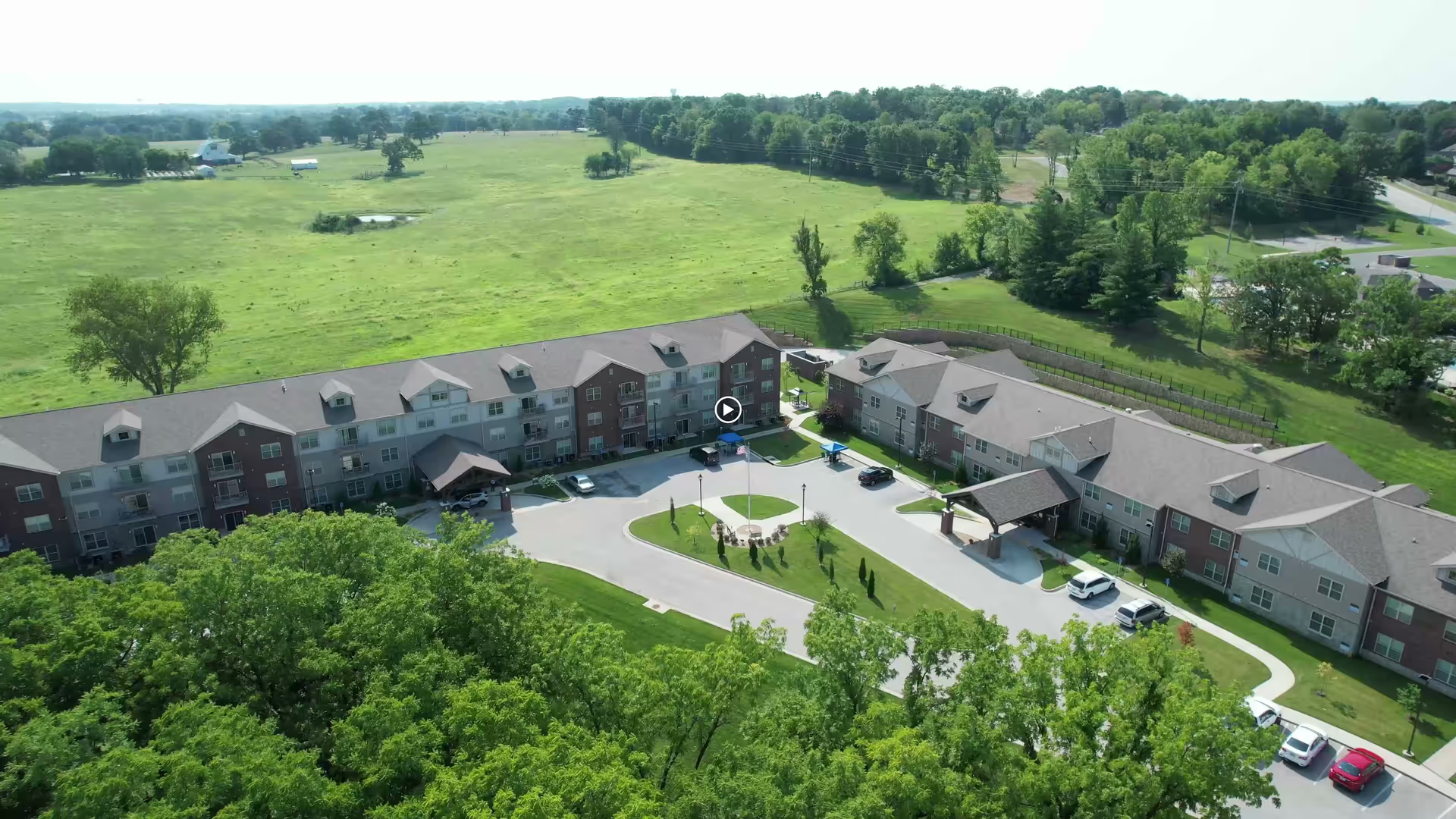
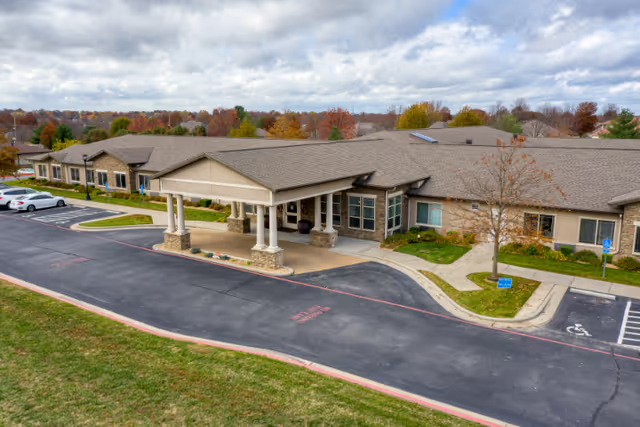
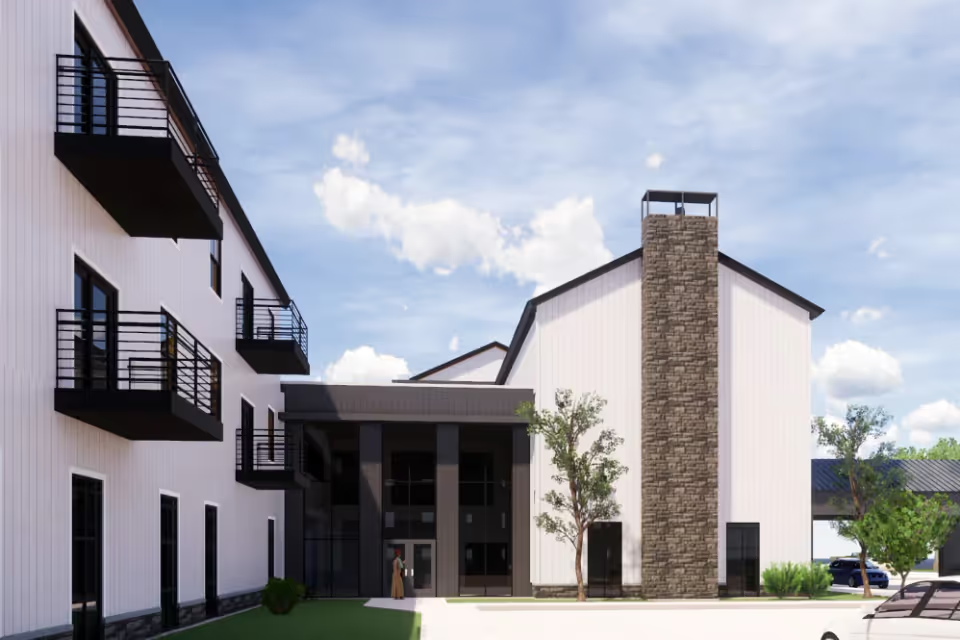
Facilities and accommodations: The building is described as clean, attractively decorated, and recently updated. Accessible features such as handicap-accessible walk-in showers and kitchenette suites were specifically noted. However, the facility’s small scale corresponds with limited room-type variety: some residents are in private suites while others are in shared/double rooms; available private-unit inventory may be constrained. Families who prioritize larger apartments or multiple floorplan options should verify current availability.
Management and communication: Management and administration are generally portrayed as responsive and communicative, with administrators introducing themselves and keeping families informed. Positive comments emphasize respectful interactions and an organizational emphasis on dignity and individualized care.
Notable patterns and trade-offs: The dominant pattern in the reviews is strong staff engagement and a family-like environment that supports individualized care and social connection. Trade-offs associated with that model include limited scale — which can mean fewer housing options and potential constraints on amenities — and periodic staff workload variability that may affect day-to-day atmosphere. Cost is raised by some reviewers as higher than alternatives, so prospective residents should evaluate pricing against the level of personalized care and included services.
Bottom line: Bradford Court appears well suited to people and families seeking a small, clean, and relationship-focused assisted-living environment with solid clinical access, varied activities, and attentive dining service. Those prioritizing wider apartment choices, maximal menu flexibility, or the lowest possible cost should confirm availability, menu options, and pricing before deciding.