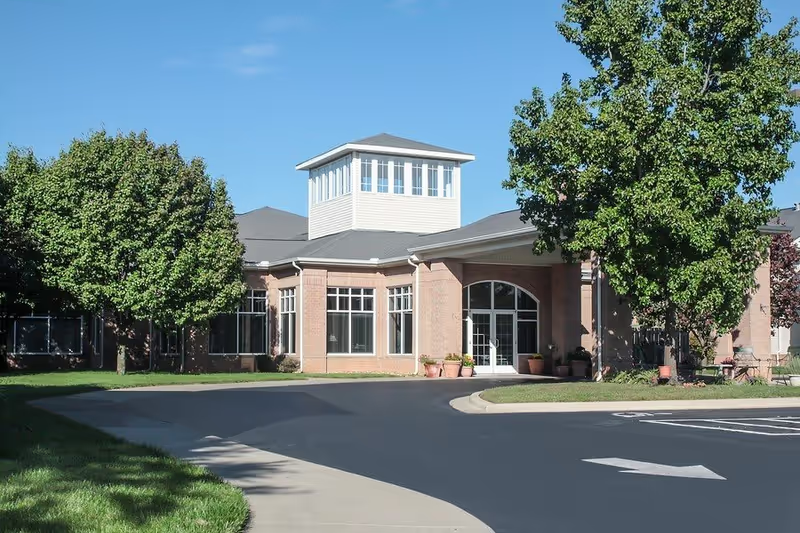
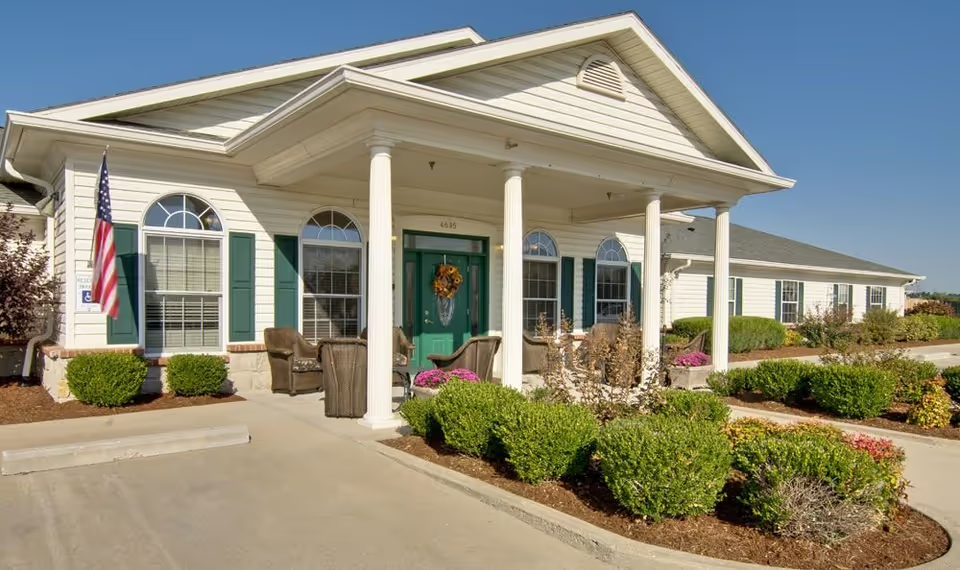
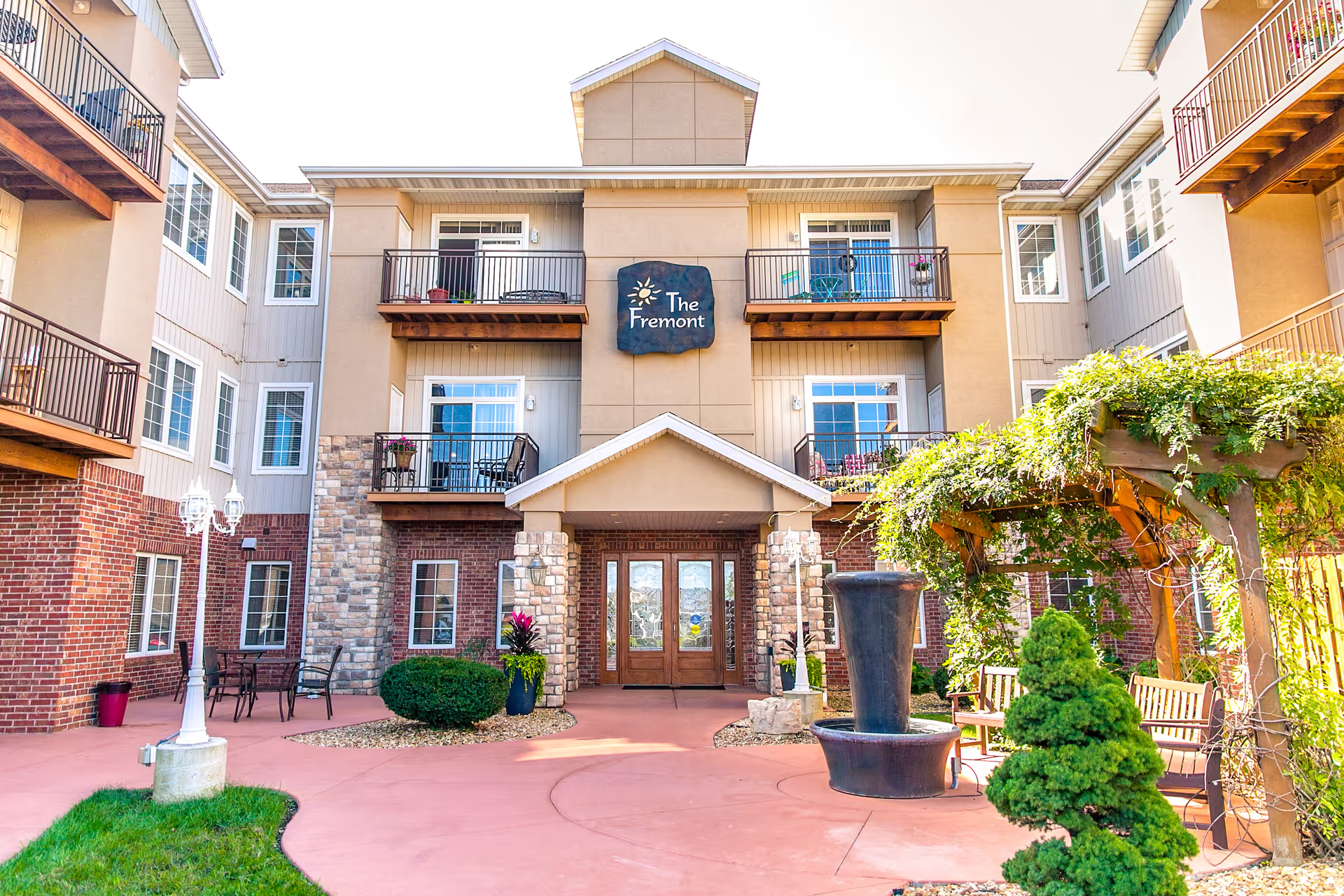
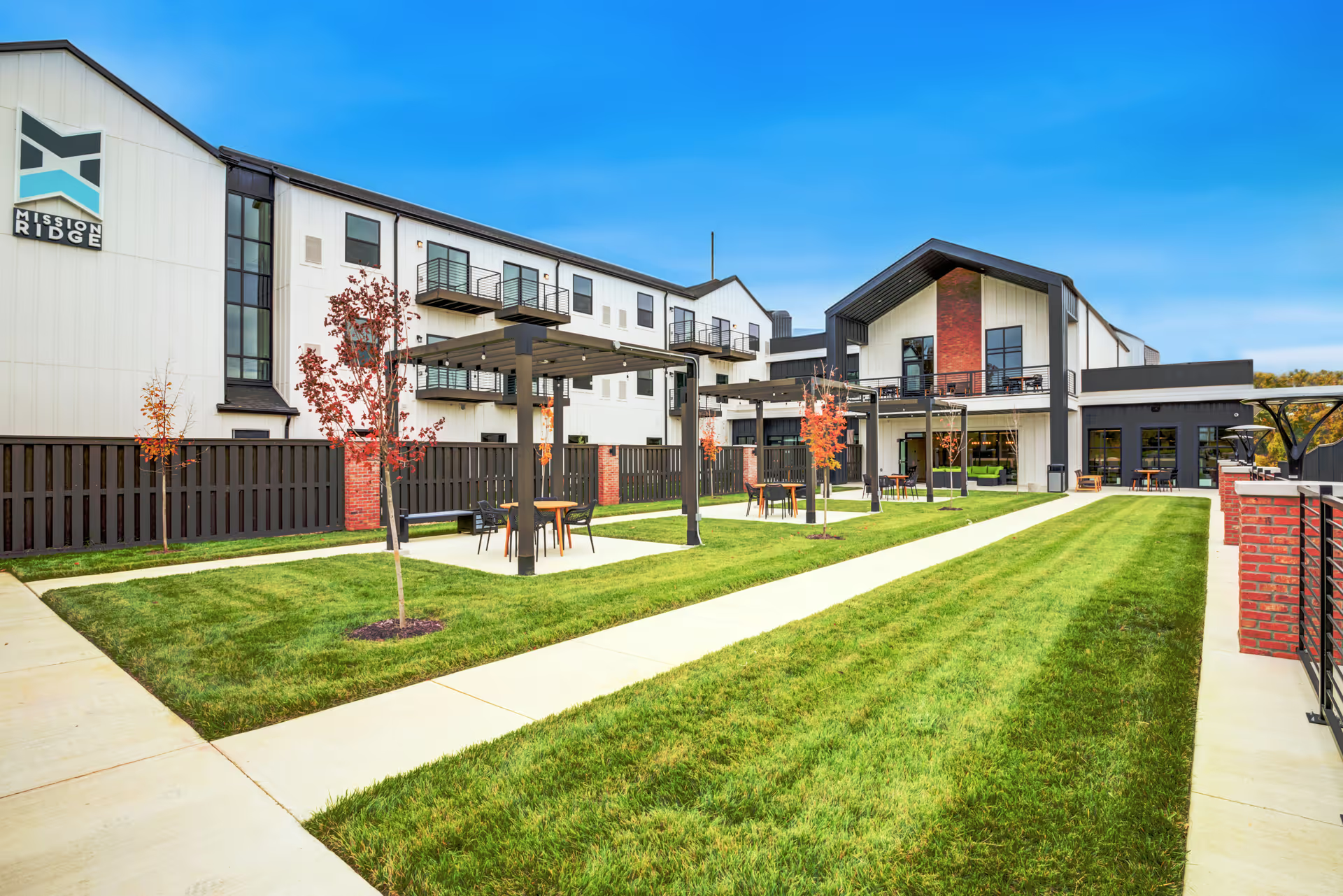
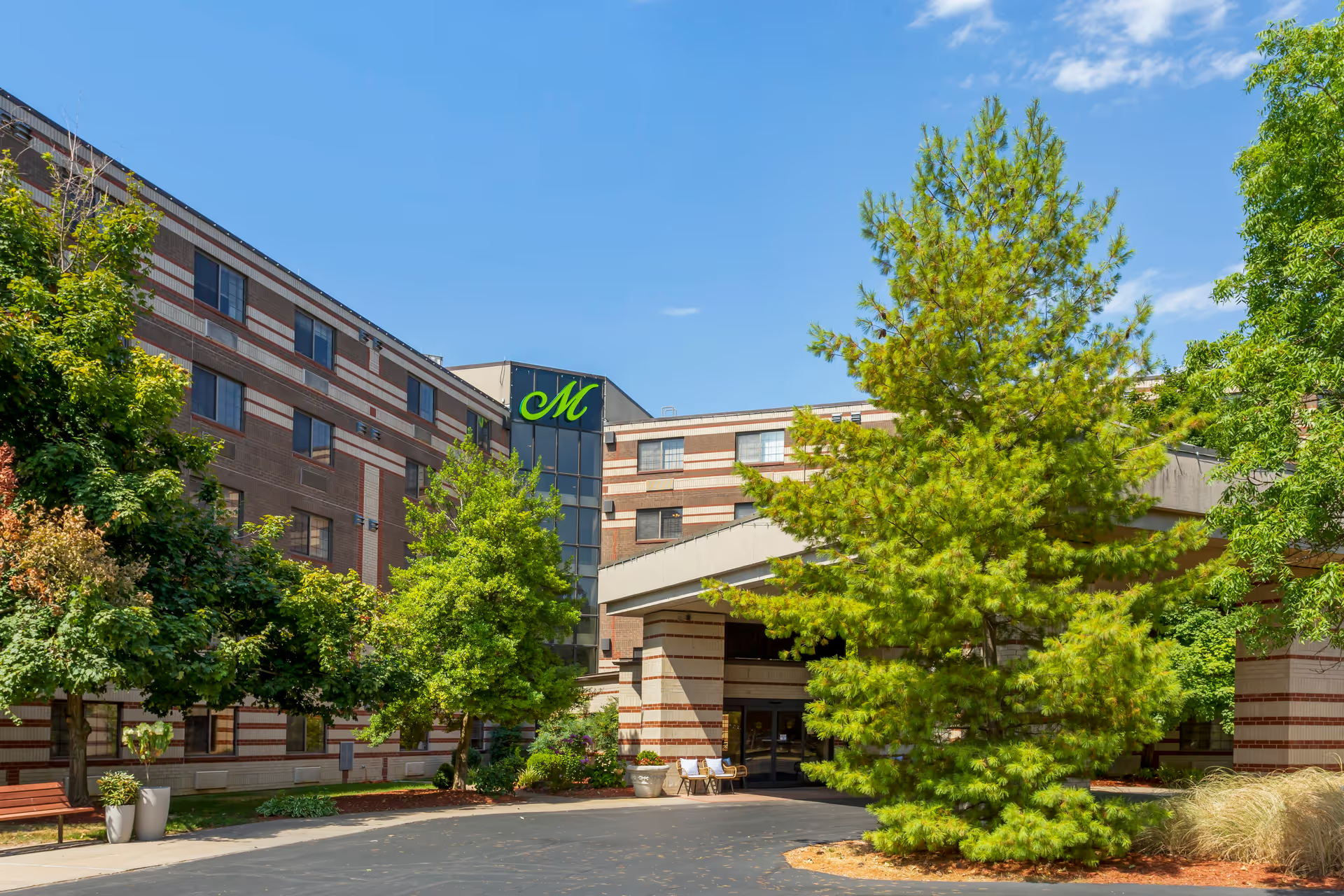
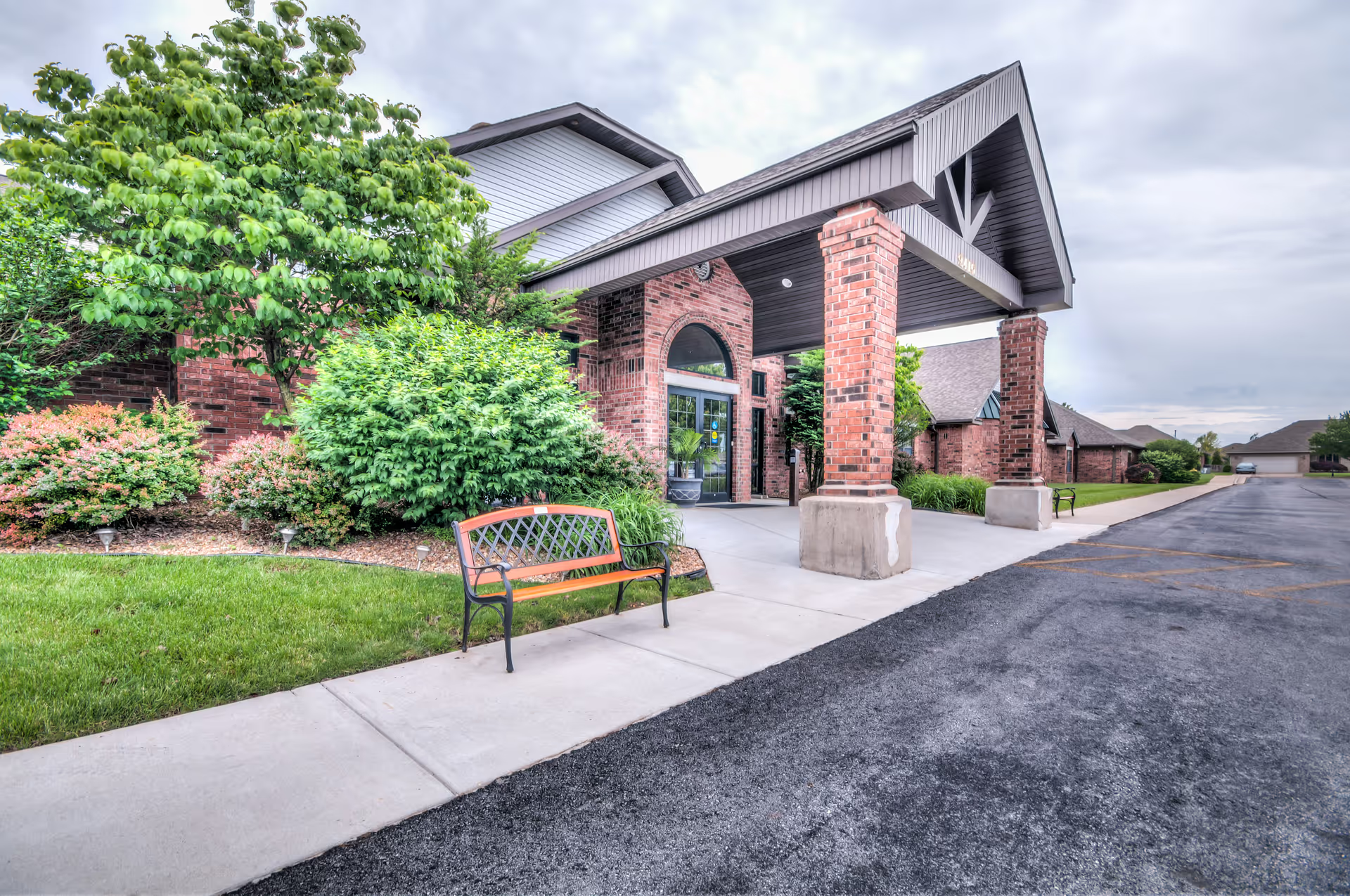
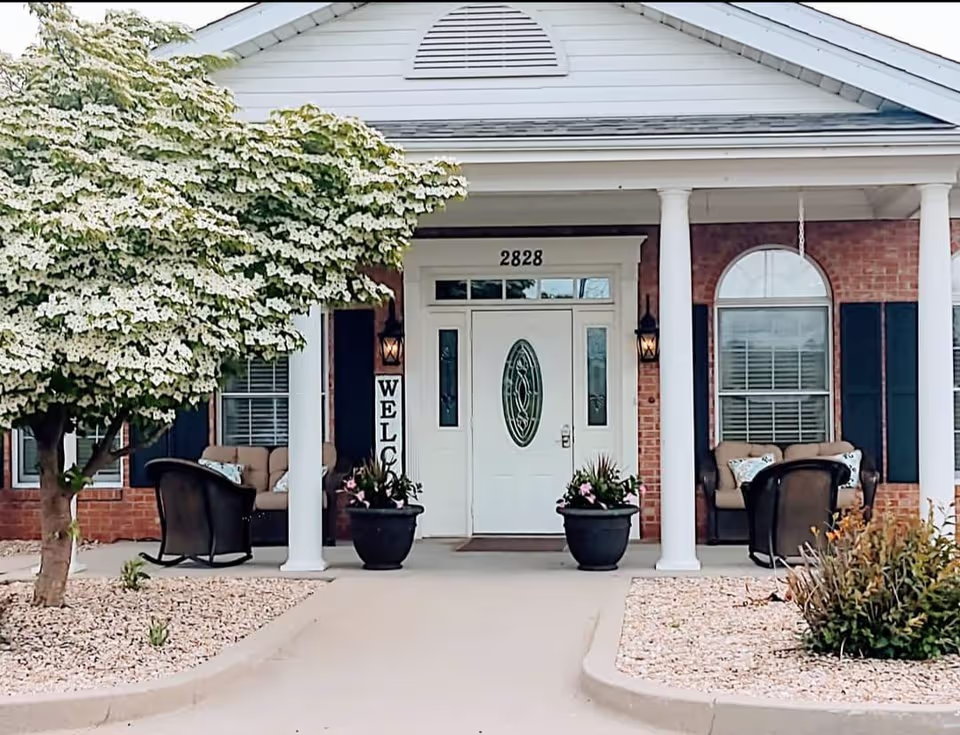
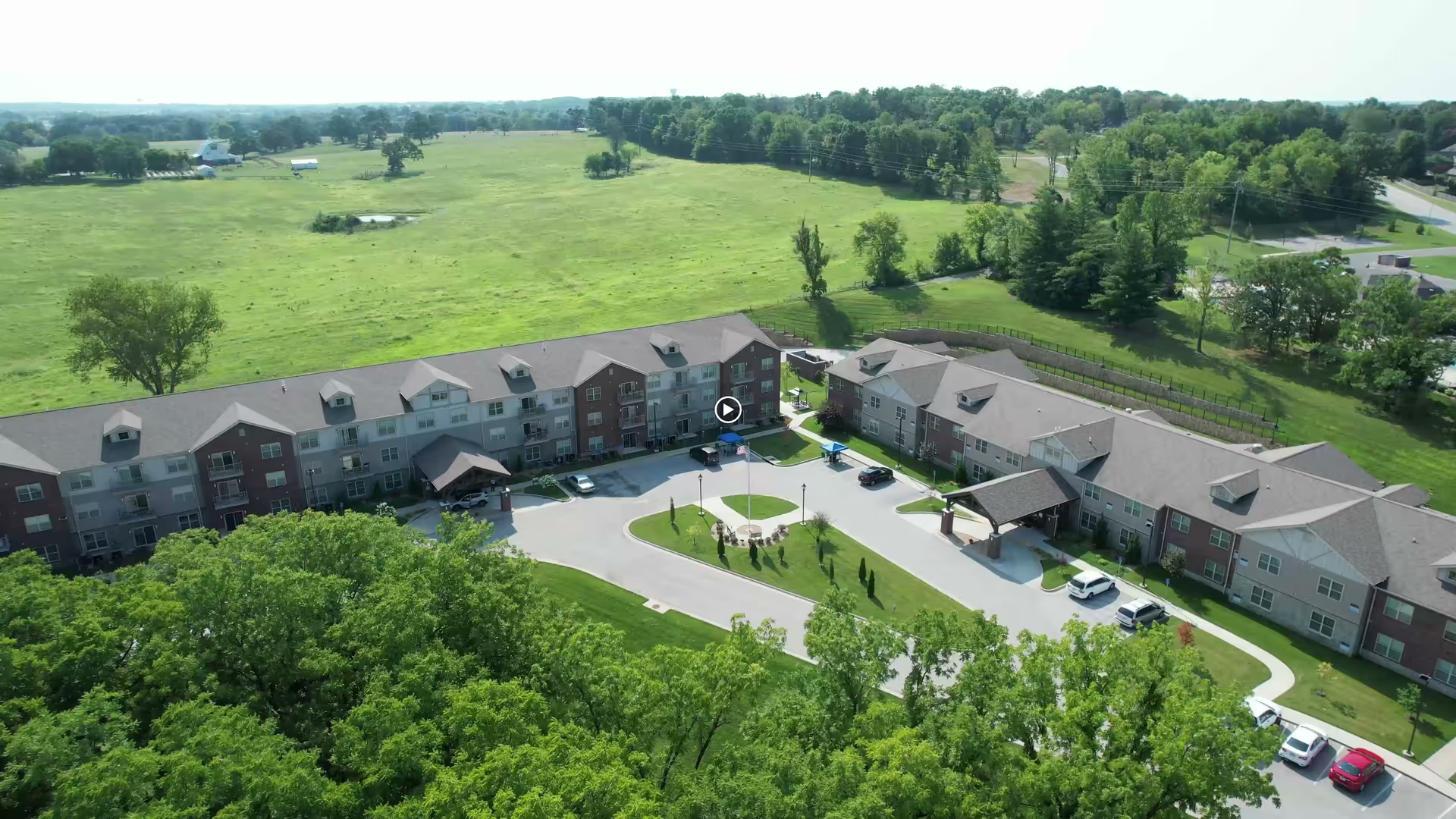
Overall assessment Cedarhurst Senior Living of Springfield elicits strongly mixed but mostly positive impressions. A substantial body of comments emphasizes warm, compassionate caregiving, personalized attention, and a family-like culture. The community offers memory-care programming, 24-hour nursing coverage, routine physician/wellness checks, on-site therapy services, and coordinated hospice support — services that many families found reassuring. Physical plant features receive frequent praise: attractive, well-maintained common areas, private and apartment-style rooms, and a focus on social dining and outings.
Care and staff Many families describe staff as attentive, respectful, and skilled at building rapport with residents; long-tenured employees and hands-on department directors are highlighted in multiple accounts. There is consistent praise for individualized approaches to dementia care and for staff who facilitate dignity and social connection. At the same time, there are recurring operational concerns about staffing consistency and check-in frequency. Several accounts describe periods of short staffing or delayed response to resident needs, and others describe variability in staff training and professionalism. These patterns suggest the quality of day-to-day caregiving can be strong but may depend on specific shifts or teams.
Dining, activities, and therapies Dining and social programming are clear strengths for many families. The community provides restaurant-style dining with assisted-meal options and separate seating for residents who require support; some families report measurable weight gain and improved appetite after admission. A broad activity calendar (music, sing-alongs, exercise classes, arts & crafts, book readings, puzzles, and biweekly outings on an 18-seat bus) and an activity-tracking app support engagement and family visibility. On-site therapy (including an in-house EmpowerMe program) and effective PT follow-up are noted as valuable clinical supports.
Facilities, housekeeping, and logistics The facility is frequently described as clean, bright, and well-furnished, with responsive maintenance. However, there are also specific sanitation and odor concerns reported in parts of the community, as well as pest-control issues cited in some accounts. Laundry processes are another recurring operational pain point: families describe lost, mixed-up, or damaged clothing. Prospective residents should confirm laundry protocols and labeling practices during tours.
Clinical safety, management, and notable risks While many families praise clinical oversight (24-hour nursing, physician visits, hospice coordination), there are serious allegations in a subset of reports that warrant careful inquiry. These include concerns about medication management (including allegations of narcotics diversion and impaired-on-duty staff), pressure-injury management, wound or infection follow-up, and inconsistent incident documentation and family communication. Such claims are not uniform across accounts but are sufficiently serious that prospective families should request the provider’s incident-reporting practices, medication-control policies, staffing ratios, and recent inspection or survey history.
Value and administration Families are divided on cost and administrative responsiveness. Numerous accounts appreciate proactive communication, helpful admissions support, and attentive management; others perceive a strong financial emphasis, describe inflexible move-out/refund policies, or express dissatisfaction with billing and contract terms. The community’s size and pricing are identified as trade-offs: many families accept higher fees for the scope of services and amenities, while others feel the cost should more consistently guarantee staffing and operational reliability.
Recommendations for prospective families Cedarhurst offers many of the services families look for in a memory-care community: compassionate staff, active programming, clinical supports, and an attractive environment. To reconcile mixed reports, visitors should (1) observe staffing levels during different shifts, (2) ask about dementia-specific training and staff turnover, (3) review medication-control and incident-reporting procedures, (4) inspect housekeeping and pest-control records, (5) clarify laundry and personal-belonging protocols, and (6) obtain copies of contracts and refund/move-out policies. Checking recent state inspection reports and requesting references from current families can help validate the strengths and identify any operational risks before placement.