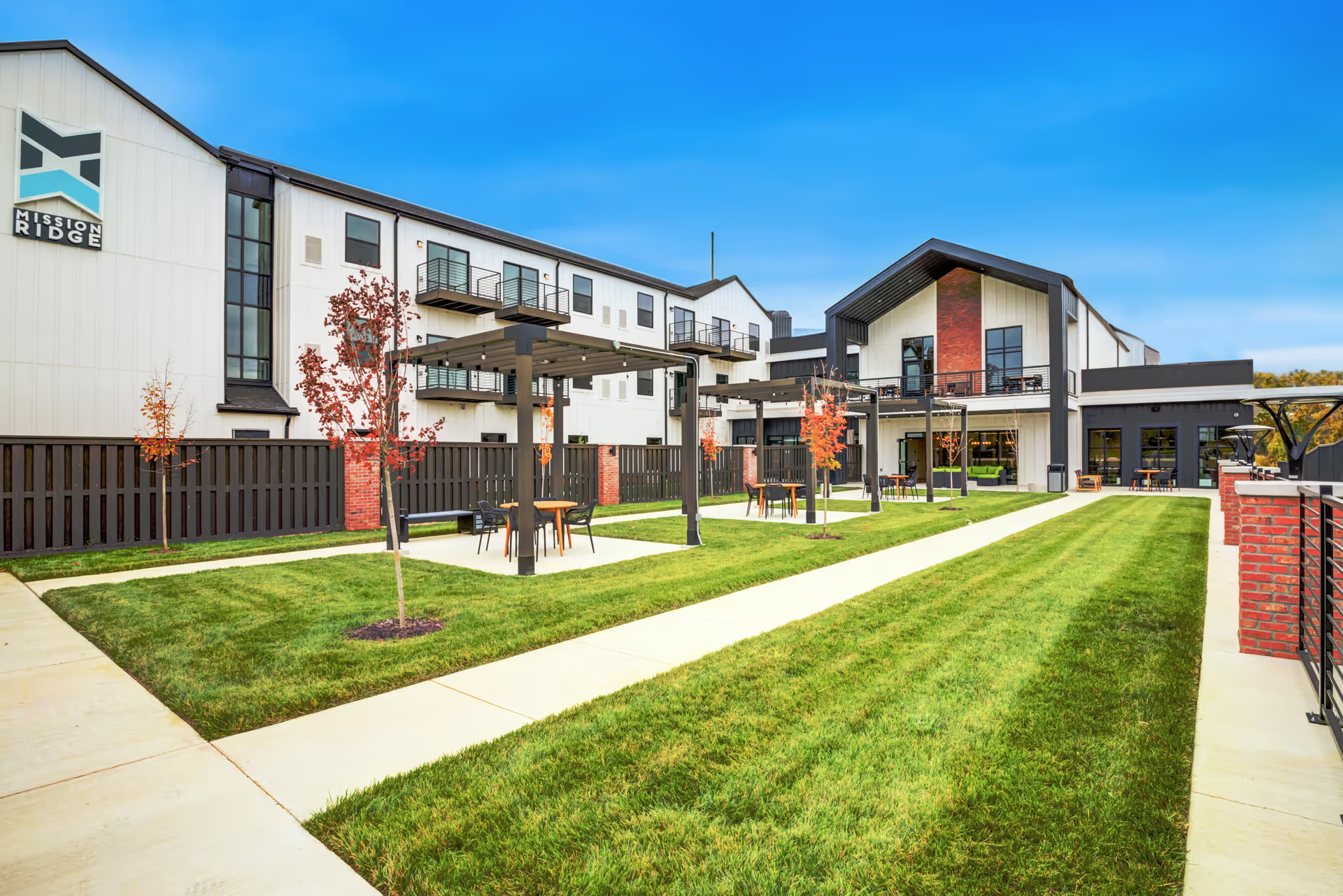
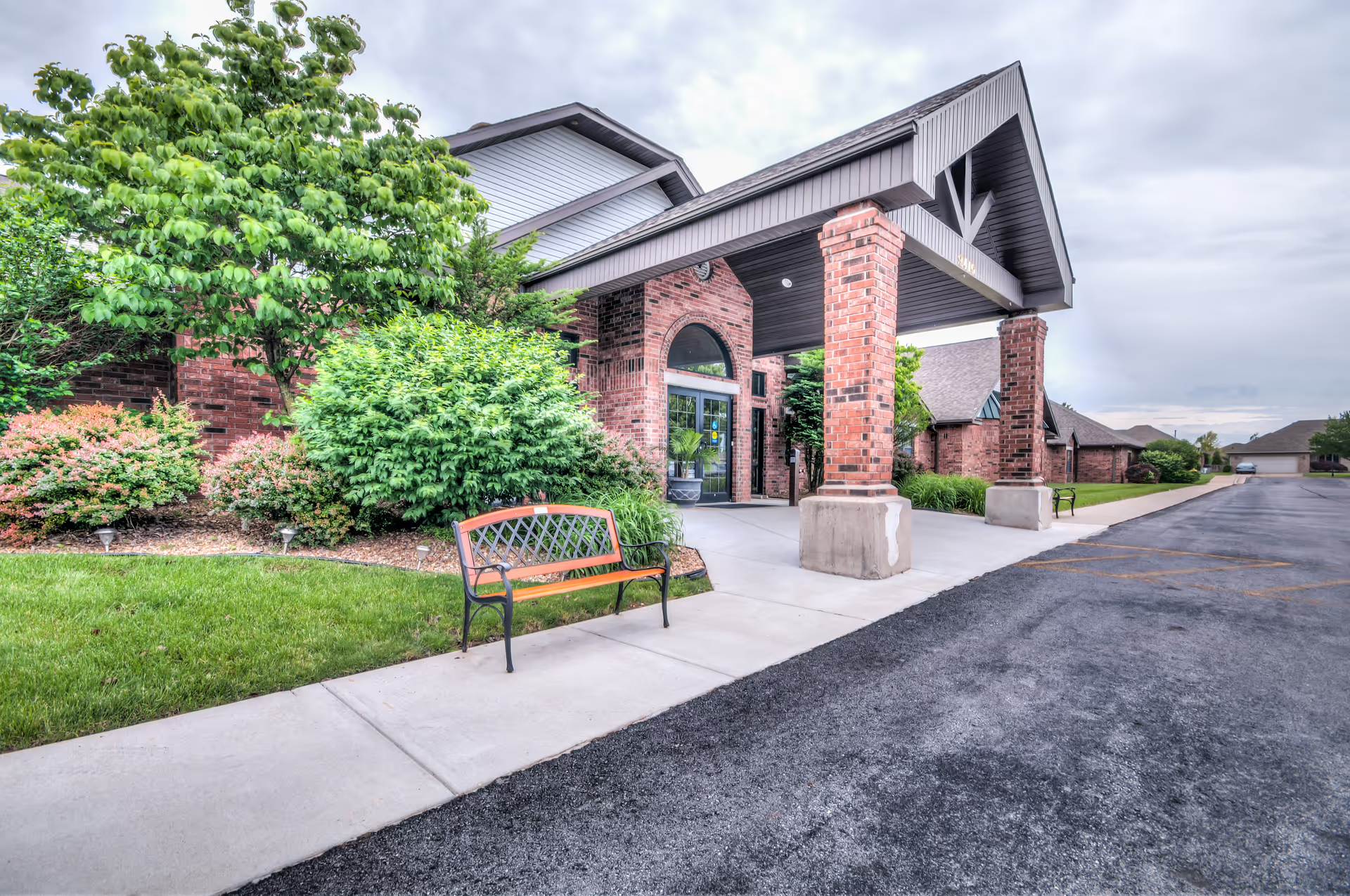
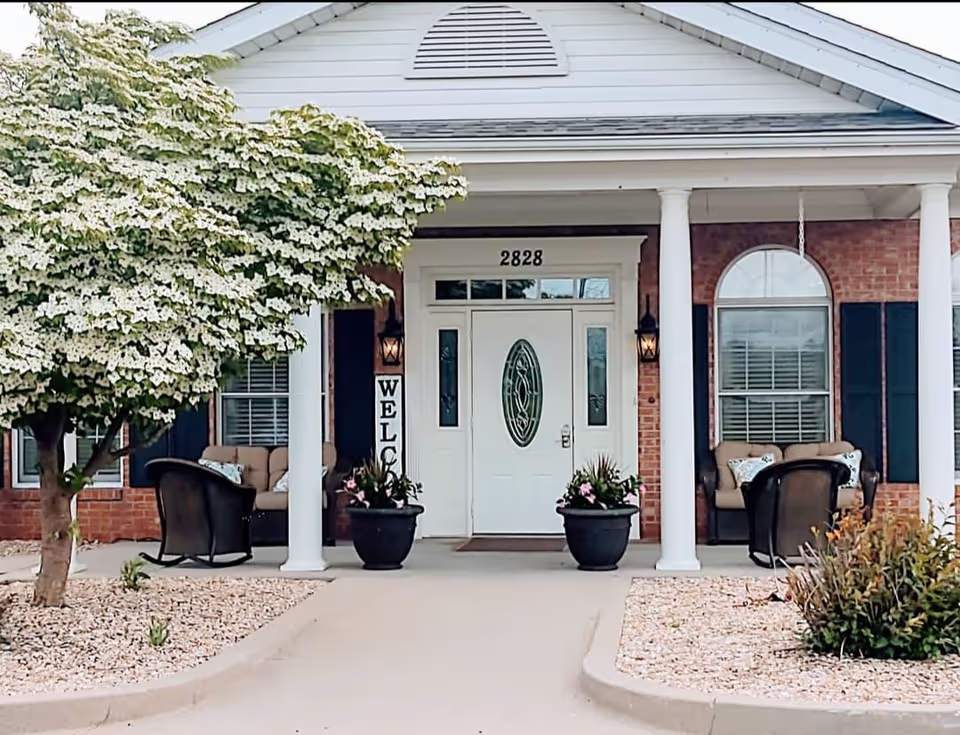
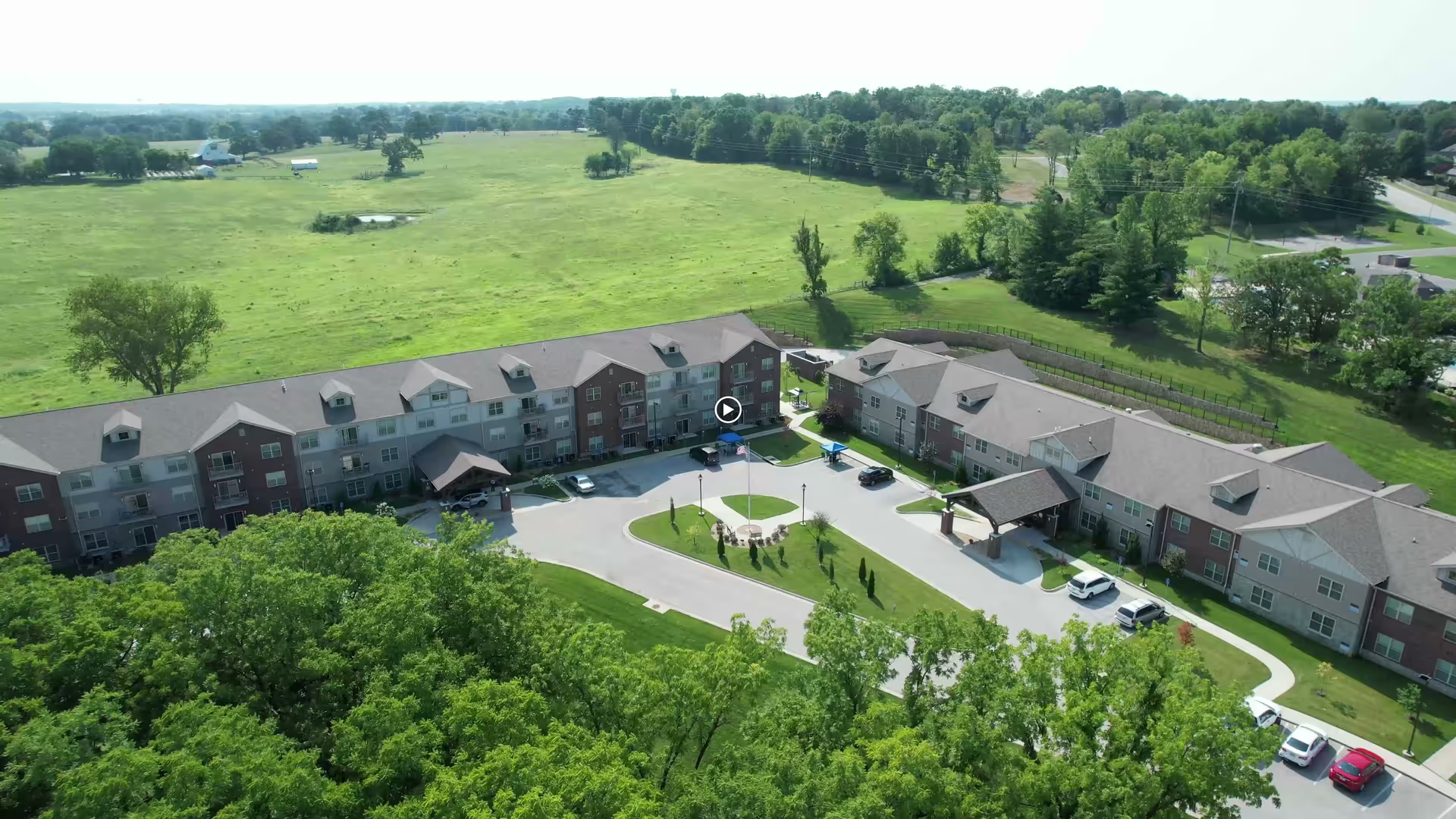
Overview The Waterford at Ironbridge is consistently described as a bright, well-maintained independent living community with a strong emphasis on social engagement and hospitality. Reviewers repeatedly highlight welcoming common areas, renovated interiors, attractive landscaping, and an active calendar of programs. Housekeeping, grounds maintenance, and general cleanliness are frequently praised, creating a resort-like environment that many families and residents find comforting.
Care and staff Staff performance is the community’s primary strength. Many reviewers describe compassionate, attentive employees across dining, housekeeping, transportation, maintenance, and front-desk roles. Staff are noted for learning residents’ names and preferences, proactive family communication, and a team-driven culture. Management is often credited with clear COVID-19 protocols and responsive problem follow-up. However, there are recurring service-related concerns: a number of families flagged administrative conduct issues, occasional delays in completing requests, and isolated complaints about the tone of management interactions. Operationally, the facility functions as independent living; reviewers repeatedly note limited on-site nursing or assisted-care capacity, requiring external home-health services when residents’ care needs increase.
Dining Dining is a focal point for the community and is generally well-regarded. Multiple mentions of a strong chef-led program, restaurant-style presentation, flexible dining hours, and menu variety support a positive dining reputation. At the same time, reviewers reported occasional inconsistency in meal quality, specific less-desirable entrées, and a desire for more non-fried options. Families who prioritize daily chef-prepared meals and flexible dining find the offering a significant plus, but those seeking consistently high culinary standards across every meal should be aware of occasional variability.
Activities and social life The activities program is a standout feature. The schedule is described as robust and varied—exercise, Wii bowling, games, outings, music and entertainment, clubs, and frequent day trips are common. Activities staff and directors receive particular praise for enthusiasm, creativity, and individualized engagement. A few reviews mention turnover in activity staff or uneven quality on certain days, indicating that program consistency can vary depending on staffing.
Facilities and apartment accommodations Facility-level amenities are frequently praised: bright dining rooms, private dining/event space, salon, library, exercise room, and accessible outdoor seating. Renovations and fresh interiors contribute to a welcoming atmosphere. The most consistent facility-level limitation is apartment size and configuration: many residents and families characterize units as small, with limited in-suite storage and no in-unit laundry in most options. Prospective residents who require larger living space or in-apartment laundry should plan accordingly. Some layout variants also present mobility-access limitations for certain walkers or wheelchairs.
Management, policies, and safety Management receives mixed but generally positive feedback for communication, COVID-19 responsiveness, and flexibility on transportation and move-in logistics. Nevertheless, reviewers raised operational concerns that prospective families should evaluate carefully: billing and post-death rent/refund policies have been disputed by some families; there are a limited number of reports describing gaps in emergency-response or clinical-incident handling; and a few accounts describe administrative demeanor issues. Additionally, because the community is primarily independent living, its policies and staffing model mean it may not be equipped for escalating clinical needs—residents who require frequent clinical intervention typically rely on outside home-health services.
Notable patterns and decision points Overall sentiment skews positive around staff warmth, social opportunities, and the physical environment. Recurrent decision factors for prospective residents include apartment size and layout, the independent-living care model (and the resulting need for external nursing if needs progress), meal preferences and consistency, and affordability given periodic price increases. A small number of serious individual complaints (including an allegation involving a missing personal item and disputes over billing practices) suggest that families should review contract terms, billing/refund policies, and emergency-response protocols during a tour.
Recommendation For seniors seeking an active, socially rich independent-living environment with attentive, personable staff and strong amenities, The Waterford at Ironbridge presents many strengths. Prospective residents and their families should confirm whether unit size and accessibility meet long-term needs, review clinical supports and escalation pathways, and clarify billing and refund policies before committing. A focused tour that inspects apartment layouts, dining options, activity staffing, and administrative contracts will help align expectations with the community’s independent-living model.