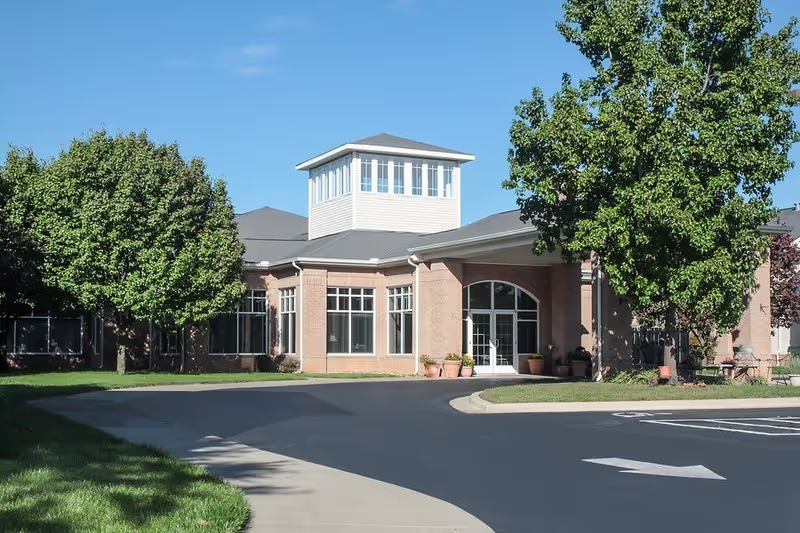
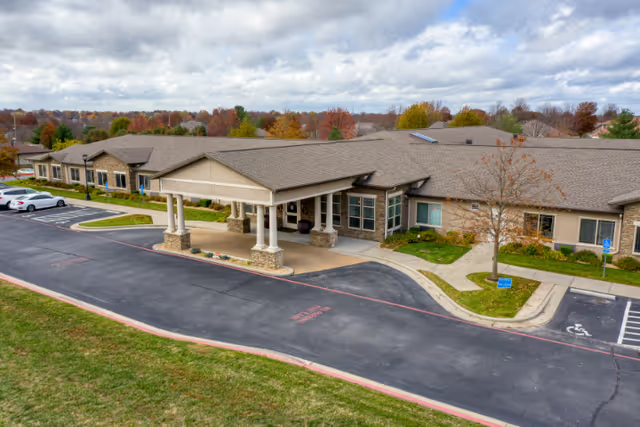
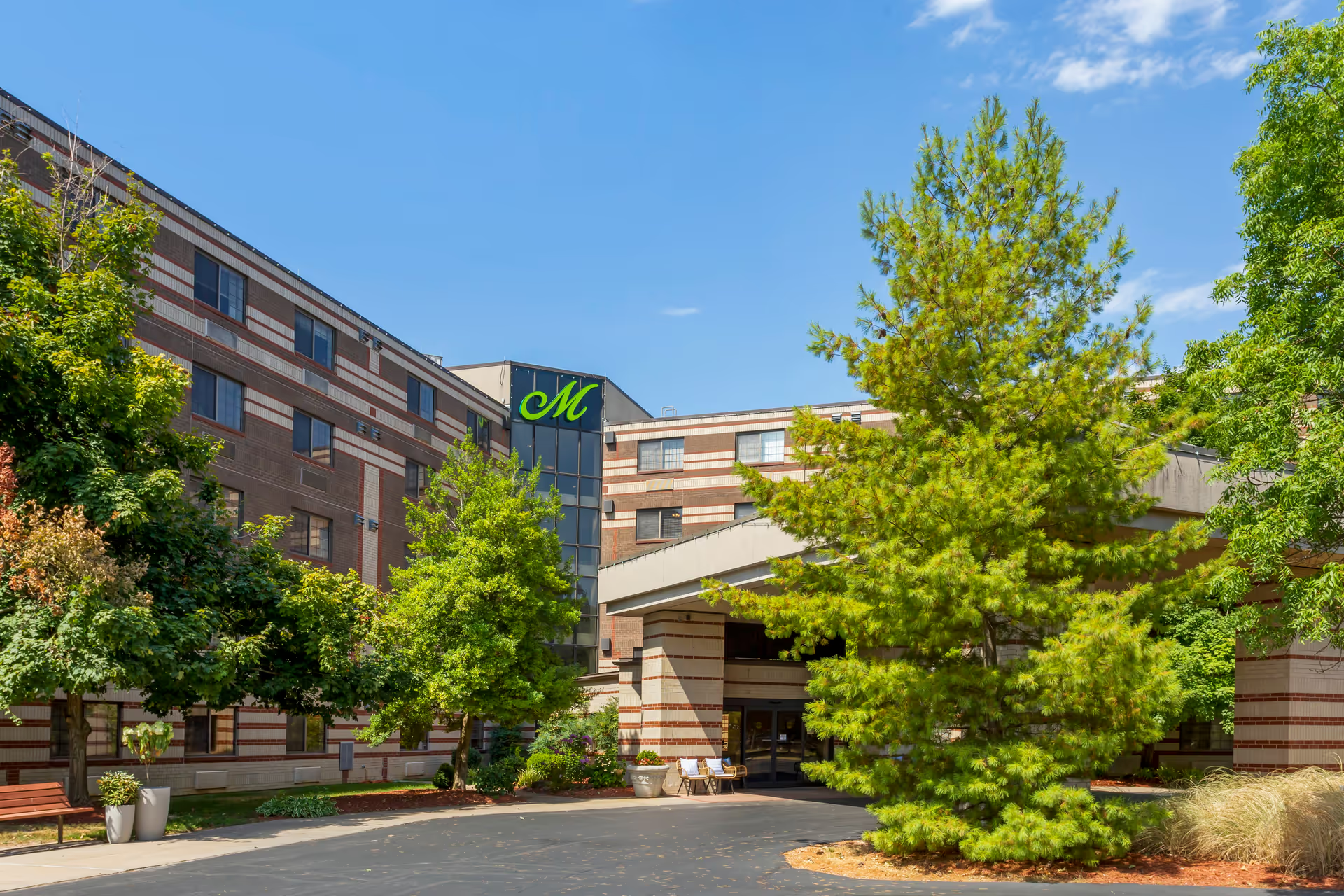
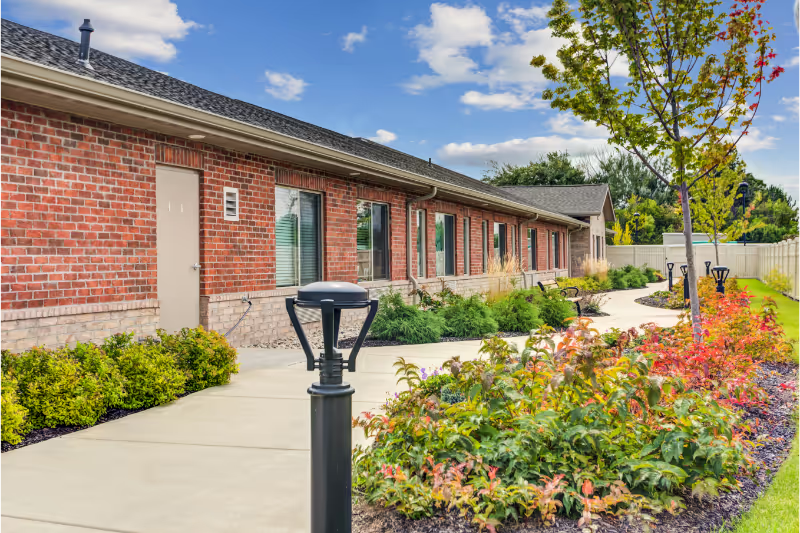
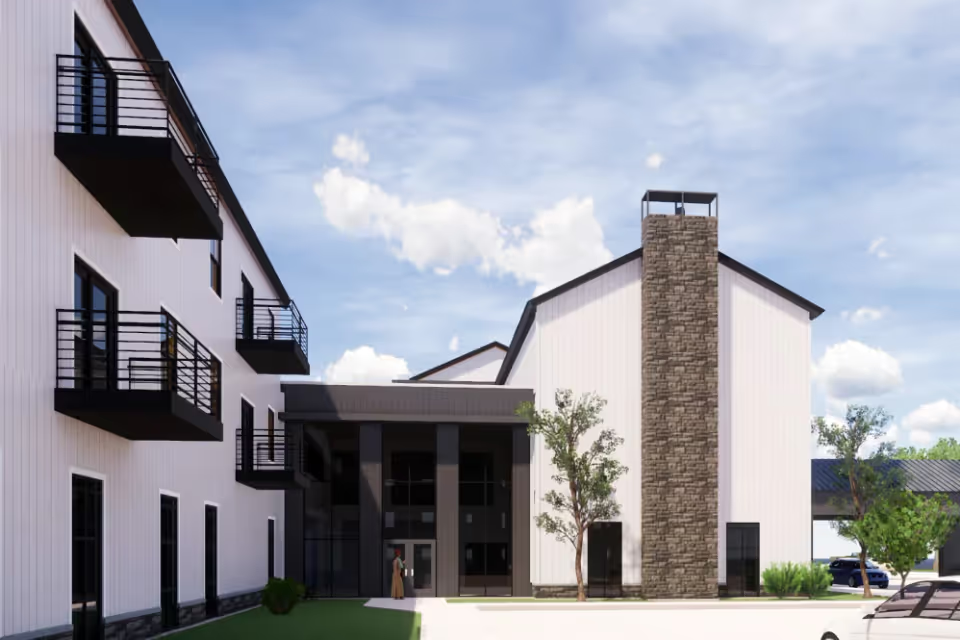
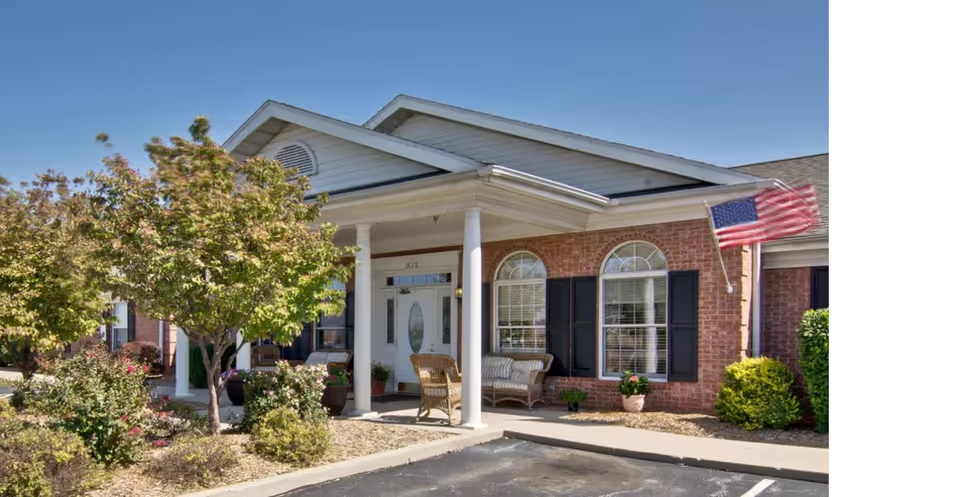
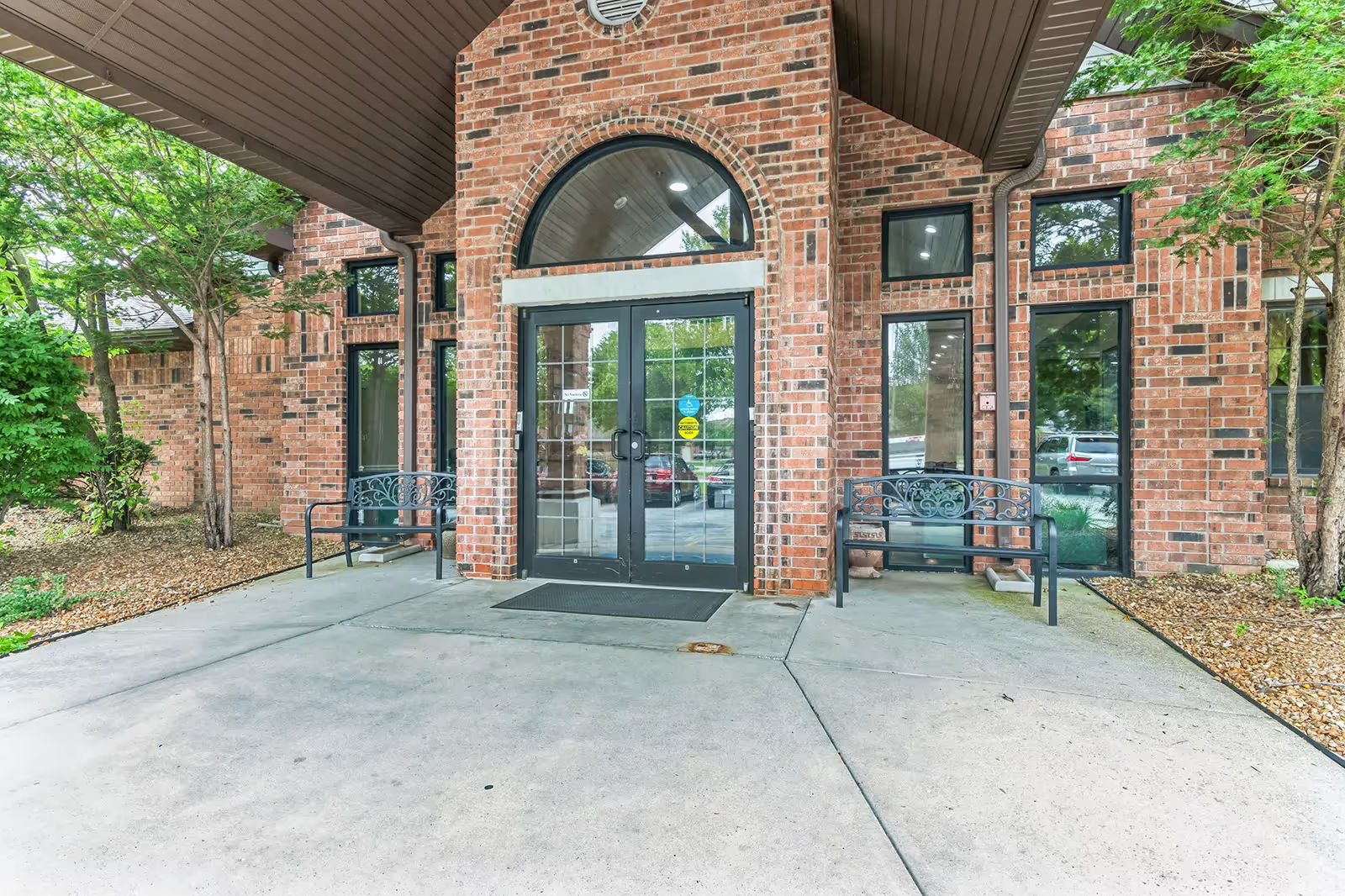
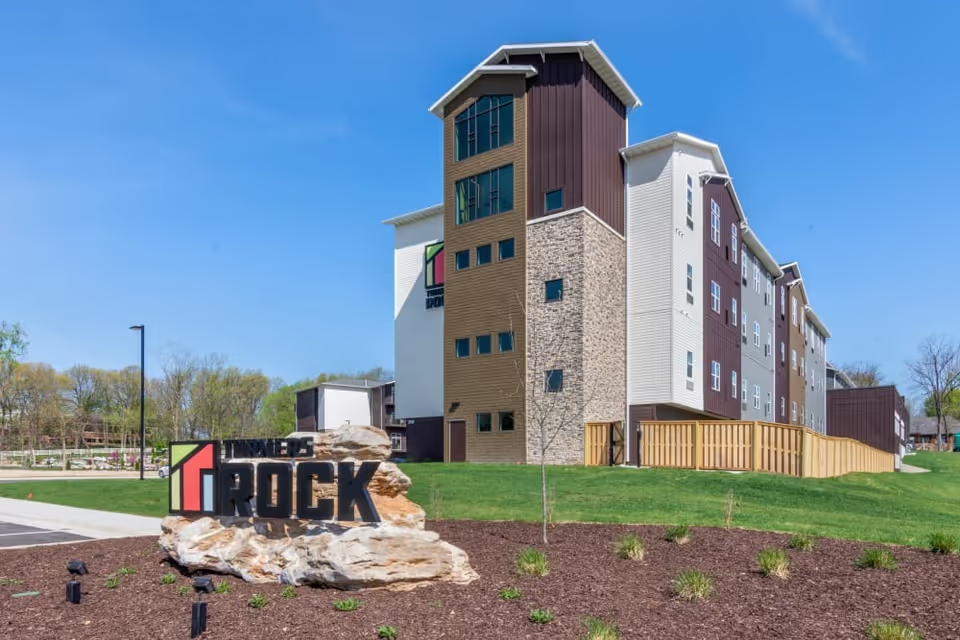
The Fremont Senior Living is frequently described as a modern, well-equipped community with a broad range of amenities and an active social program. Many reviewers praise the facility's clean, updated apartments, attractive grounds, and amenities such as salon services, fitness areas, libraries, demonstration kitchens, and a variety of indoor and outdoor seating. On-site programming is robust in many areas: residents frequently participate in exercise classes, crafts, games, religious groups, outings and special events, and the community offers scheduled transportation for errands and appointments.
Care quality and staffing present a mixed picture. Frontline caregivers, dining servers, and select nurses are often singled out for compassion, attentiveness, and strong resident relationships; several named staff received particular praise for going above and beyond. At the same time, multiple reviewers note chronic understaffing and turnover that appear to affect response times and daily operations. Specific operational consequences described include slow alarm and call-light responses and uneven clinical responsiveness. A minority of reviews raised serious sanitation and pest-control concerns, including issues connected to incontinence and catheter care; these are significant matters for families to probe directly with management during a visit.
Dining is a clear strength for many residents: reviewers repeatedly commend the culinary team, the variety of menu options, and all-day meal availability. Conversely, dining service consistency is an area of operational weakness: reviewers describe long wait times during peak service, menu items running out, small dining-room capacity, and uneven plating/portioning at times. Several accounts indicate that management has worked on dining improvements, and experiences can vary by shift or day.
Activities and resident life are generally well regarded. The community offers an active calendar, regular social events, exercise and wellness programs, and interspersed opportunities for family visits and private dining. Memory-care programming exists but is described inconsistently: some reviewers found memory-care units well-staffed and engaging, while others noted that memory care is not the primary organizational focus, with smaller MC spaces and fewer tailored activities.
Facility operations show both strengths and gaps. Maintenance and housekeeping are frequently praised for cleanliness and attention to detail, but other reviews describe slower-than-expected work-order turnaround and occasional amenity constraints (limited laundry machines, small dining rooms, and constrained parking). Pricing and fee structure were marked as relatively high by several reviewers; additional charges for utilities or services were also mentioned and can affect overall value perception.
Management and admission practices emerge as another mixed area. Some families report responsive, personable local leaders who facilitate moves and address concerns; others describe perceived heavy-handed corporate oversight, micro-management, sales-driven admission tactics, and communication shortfalls between corporate and local teams. Because these leadership and operational traits can materially affect day-to-day resident experience, prospective residents and families should assess both corporate policies and the specific local management team.
Recommendations for prospective families: tour during a meal service, ask for staffing ratios and turnover statistics, request recent inspection or pest-control records, inquire about alarm/response times and documented clinical protocols for catheter and incontinence care, review the fee schedule and included services, and meet the local care and dining leadership. The Fremont demonstrates many strengths—especially in hospitality, amenities and an active social program—but reviewers indicate meaningful operational inconsistencies that warrant targeted due diligence before committing.